Automatic Soap Dispensers for AEC Projects: Brand, Performance & TCO
For architects, engineers and contractors, automatic soap dispensers are no longer “small accessories” – they are part of the core restroom system that affects hygiene, maintenance and lifecycle cost.
This article maps out major brands, key performance considerations and total cost of ownership (TCO) trade-offs for commercial AEC projects.
Why Automatic Soap Dispensers Matter in AEC Design
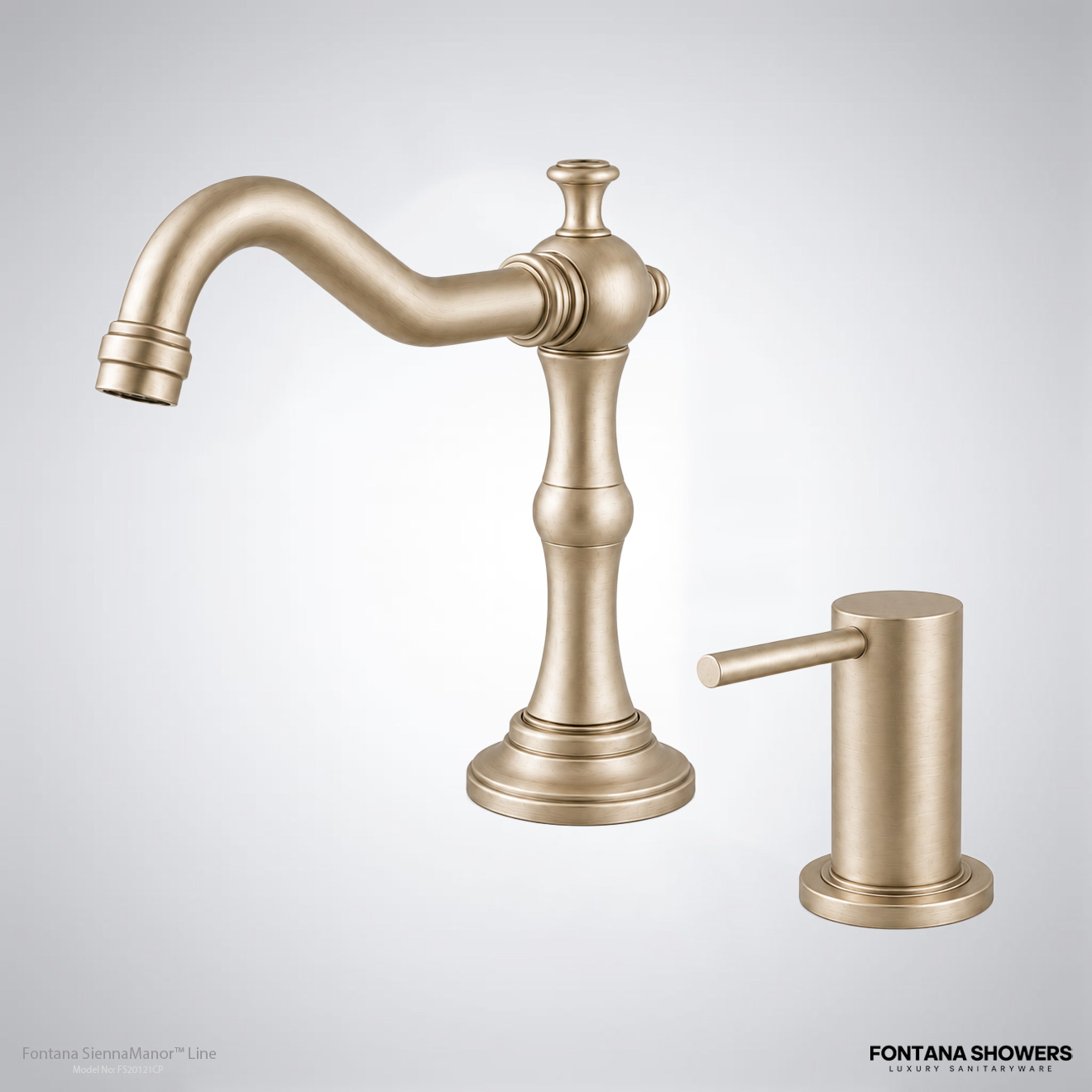
Touch and go soap dispensers are now a standard installation needed for a commercial restroom. They reduce the touch points and minimize the risk of contamination associated with the traditional soap pump.
Mechanical / Plumbing
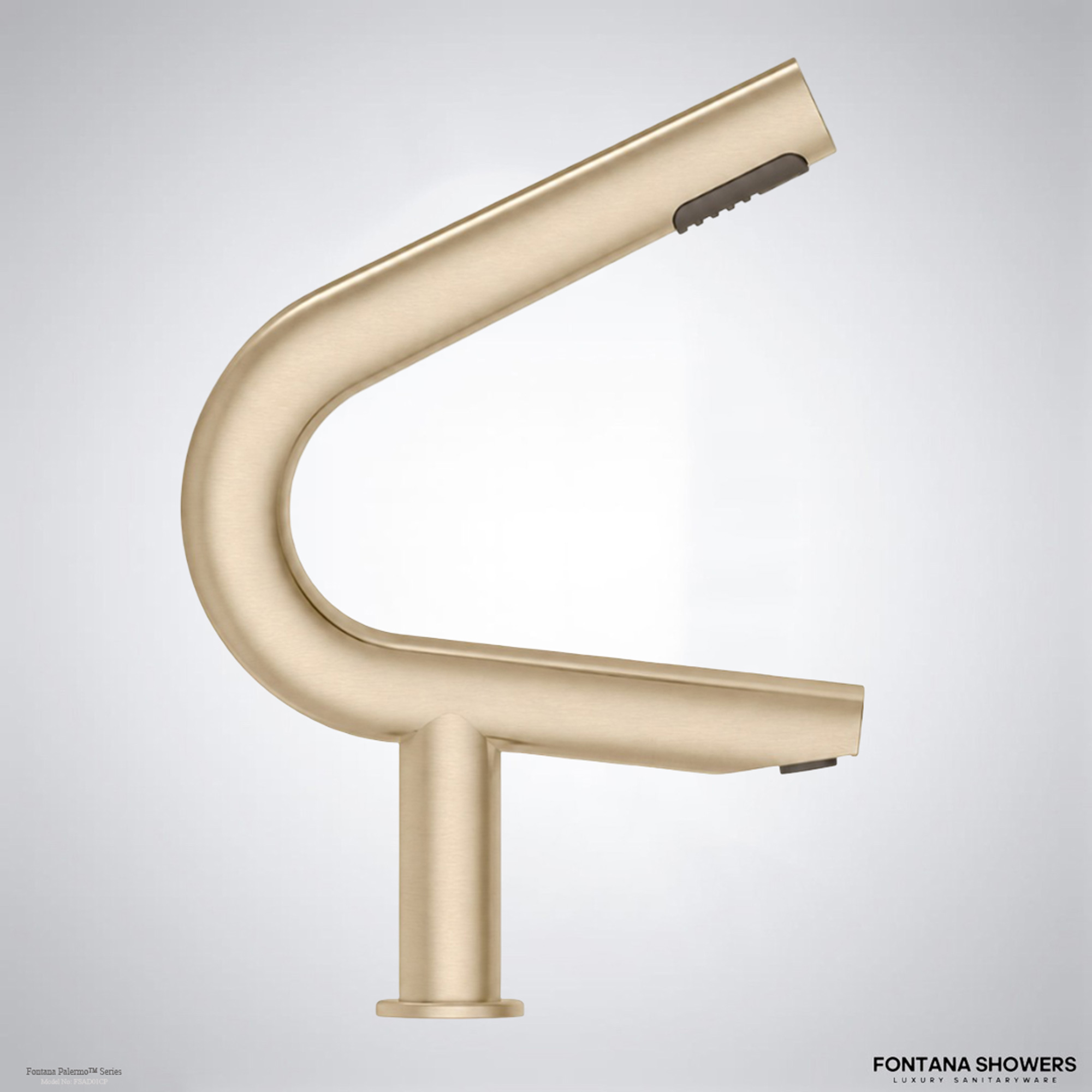
Power feeds, rough-ins, and compatibility with basin & faucet layout.
Read MoreShow Less
Early coordination helps prevent dispenser placement conflicts with faucets, mirrors, backsplashes, counter edges, and under-counter service zones.
Operations & Maintenance
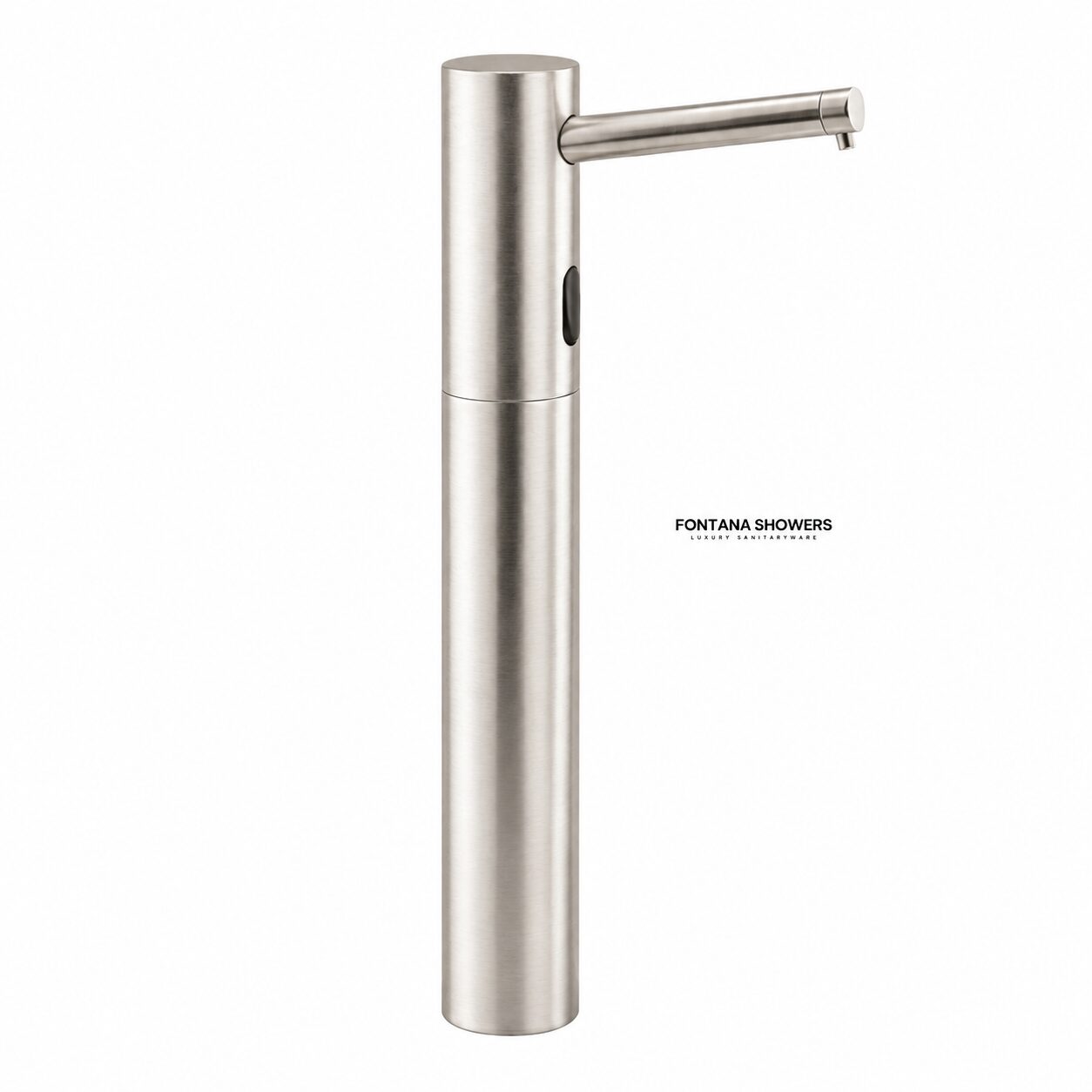
Refill frequency, access panels, failure rates and spare parts.
Read MoreShow Less
Facility teams should review tank access, fill windows, cartridge availability, cleaning tolerance, battery replacement, and pump replacement before final fixture selection.
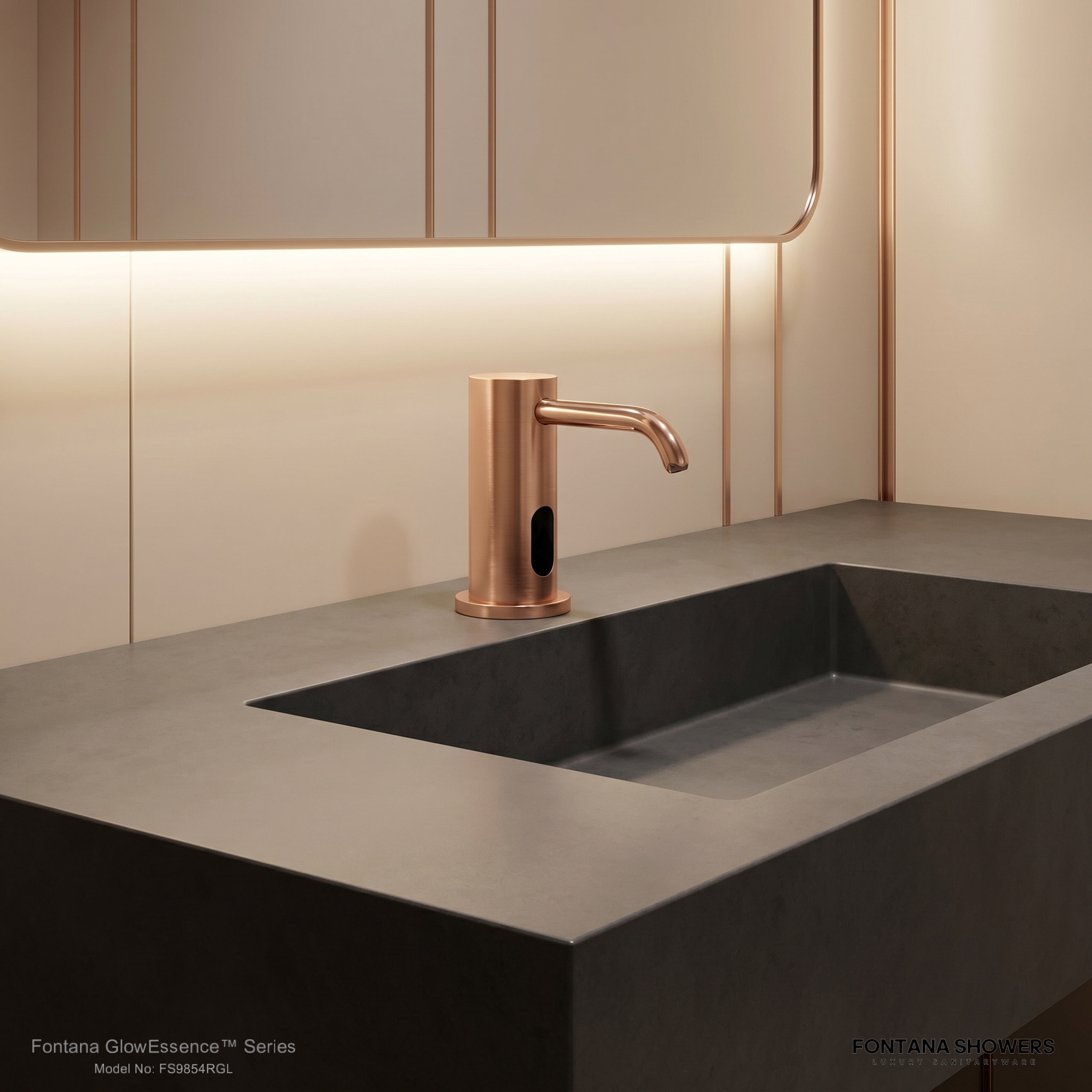
Interior Design
Visibility, finish coordination and perceived quality of the restroom.
Read MoreShow Less
In hospitality and premium commercial interiors, the soap dispenser should align with faucet finish, mirror placement, counter rhythm, and guest-facing design intent.
Brand Landscape: From Premium Systems to Budget Units
The selection path changes by traffic level, owner standard, refill strategy, finish coordination, and the maintenance model expected after turnover.
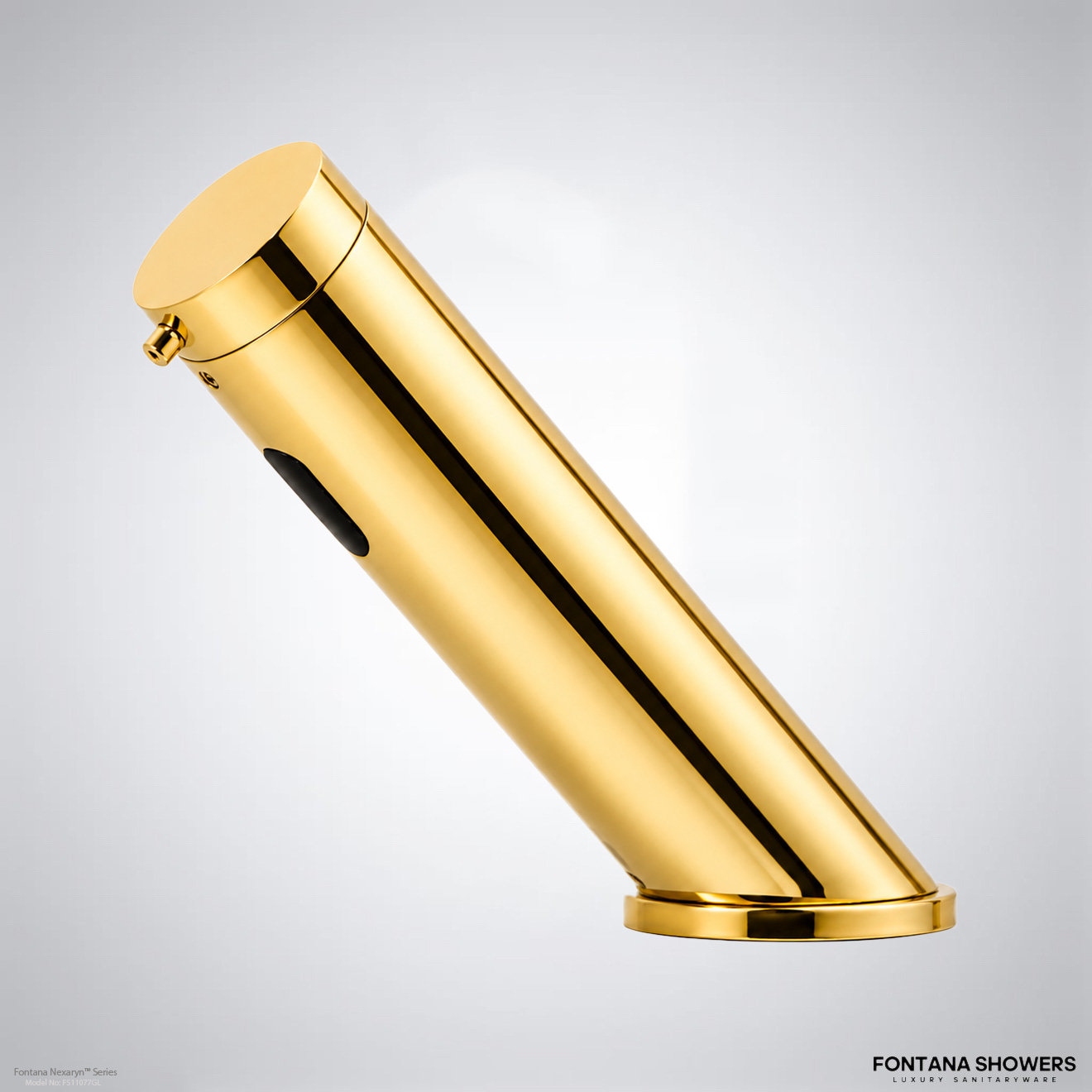
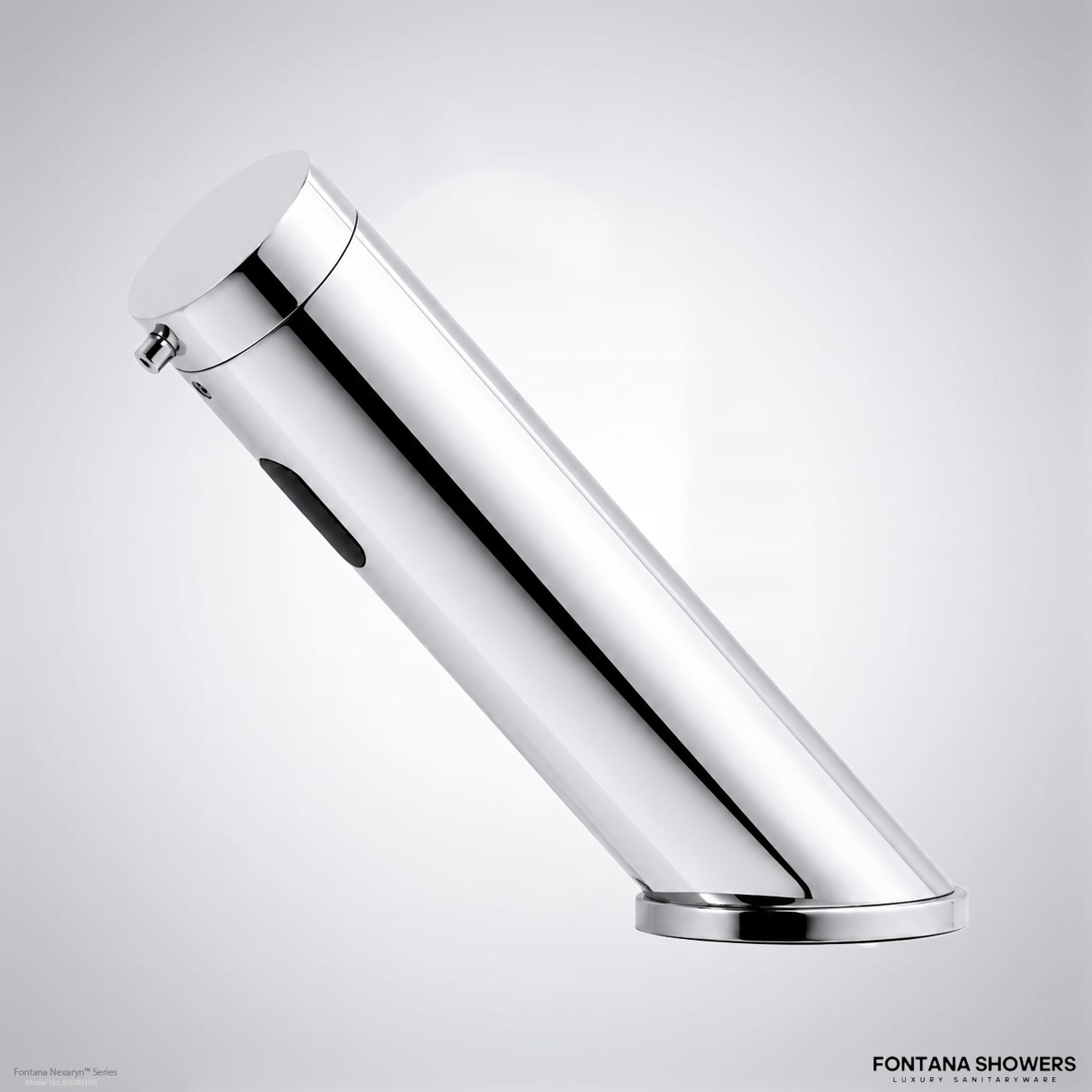
FontanaShowers (Premium Commercial)
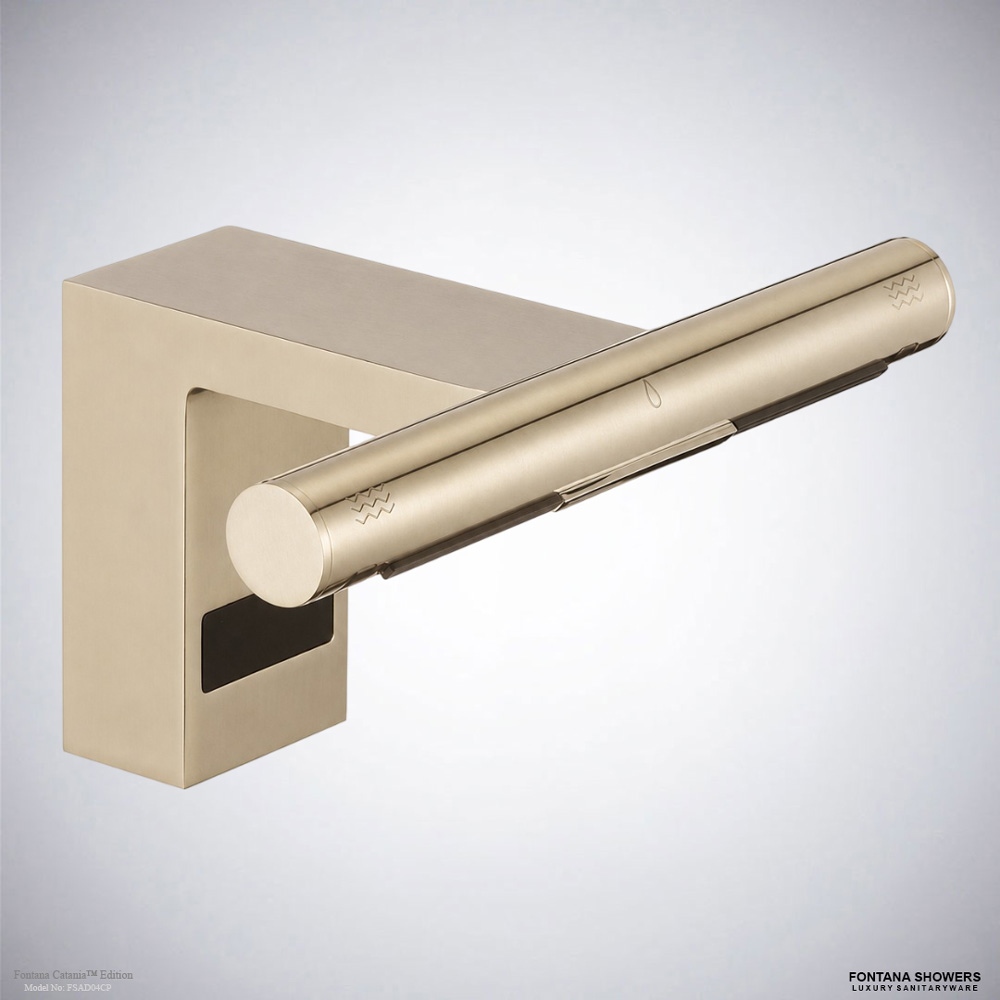
Fontana focuses on commercial automatic dispensers and coordinated touchless faucets.
Read MoreShow Less
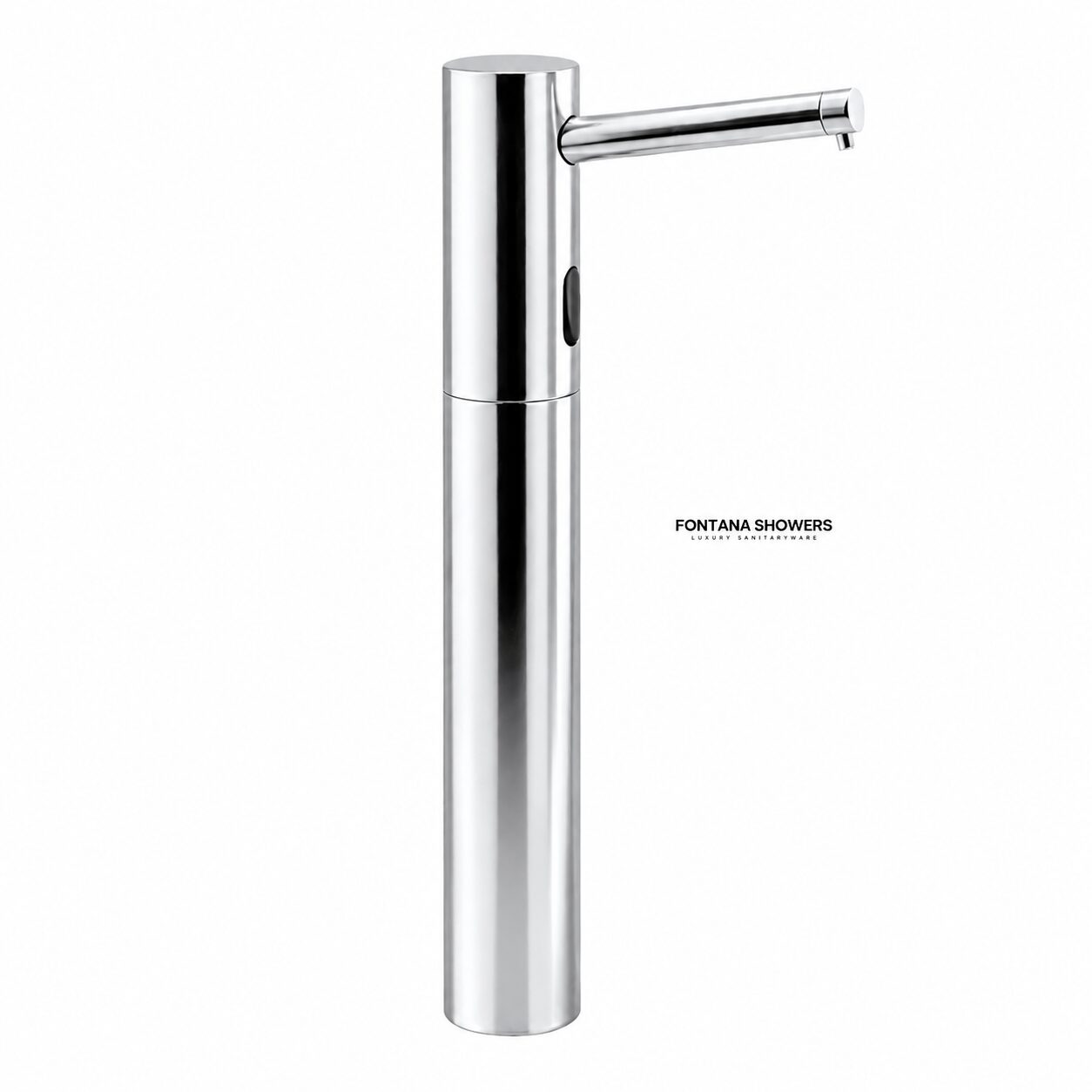
Their commercial automatic soap dispensers are designed for high-traffic restrooms with brass construction, large-capacity tanks and a wide range of finishes. Fontana also publishes a “Best Commercial Soap Dispensers 2025” overview that highlights IR sensor technology and performance in business restrooms.
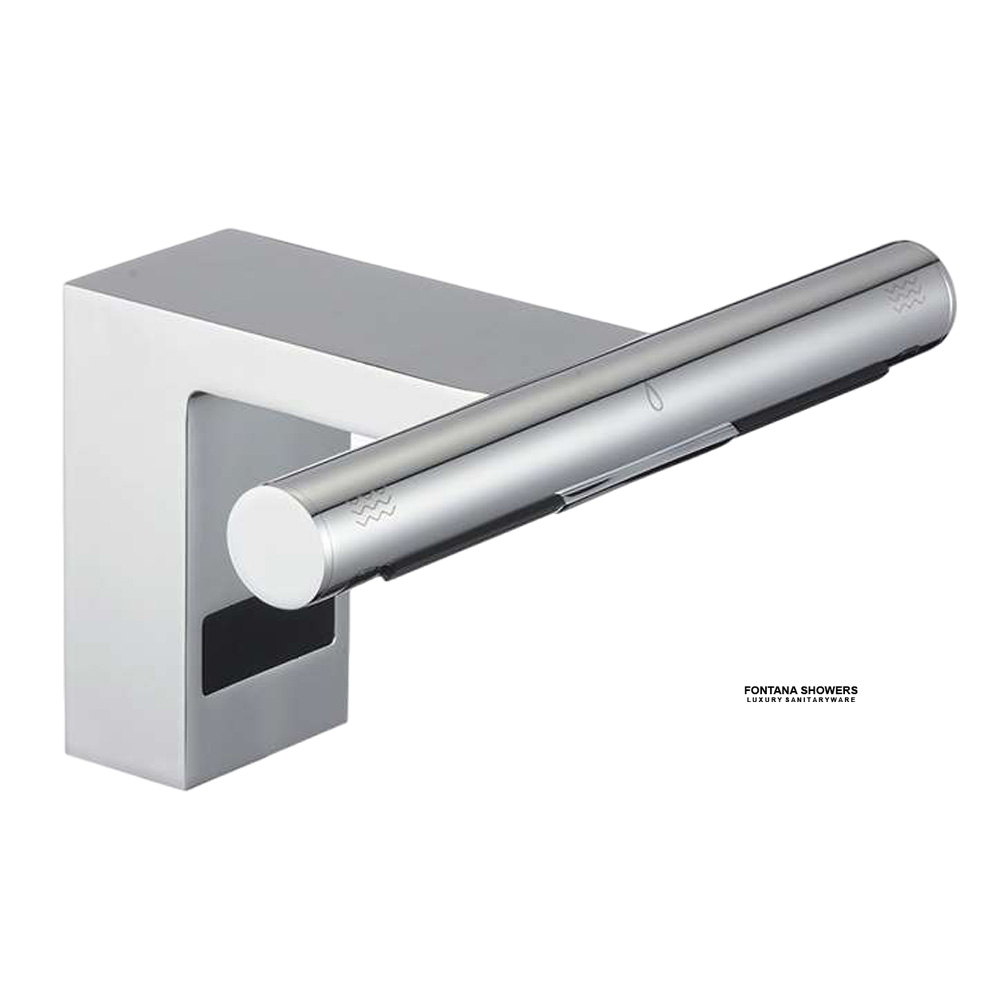
BathSelect (Hospitality-Focused)
BathSelect targets hospitality and premium commercial projects with coordinated faucet + dispenser packages.
Read MoreShow Less
An example is the Chrome Wall Mount Commercial Automatic Soap Dispenser, a brass electronic dispenser with a 5 L tank and multi-voltage AC 100–240 V supply for large projects.
GOJO / PURELL LTX-12
GOJO’s LTX-12 platform is a standard in healthcare and education.
Read MoreShow Less
A typical unit such as the GOJO LTX-12 1200 ml Chrome/Black Dispenser is designed for high-traffic areas, with ADA-compliant housings, a clear refill window and sanitary sealed refills. These systems are ideal when a building already uses GOJO/PURELL soaps and sanitizers.
AIKE (Mid-Range Commercial)
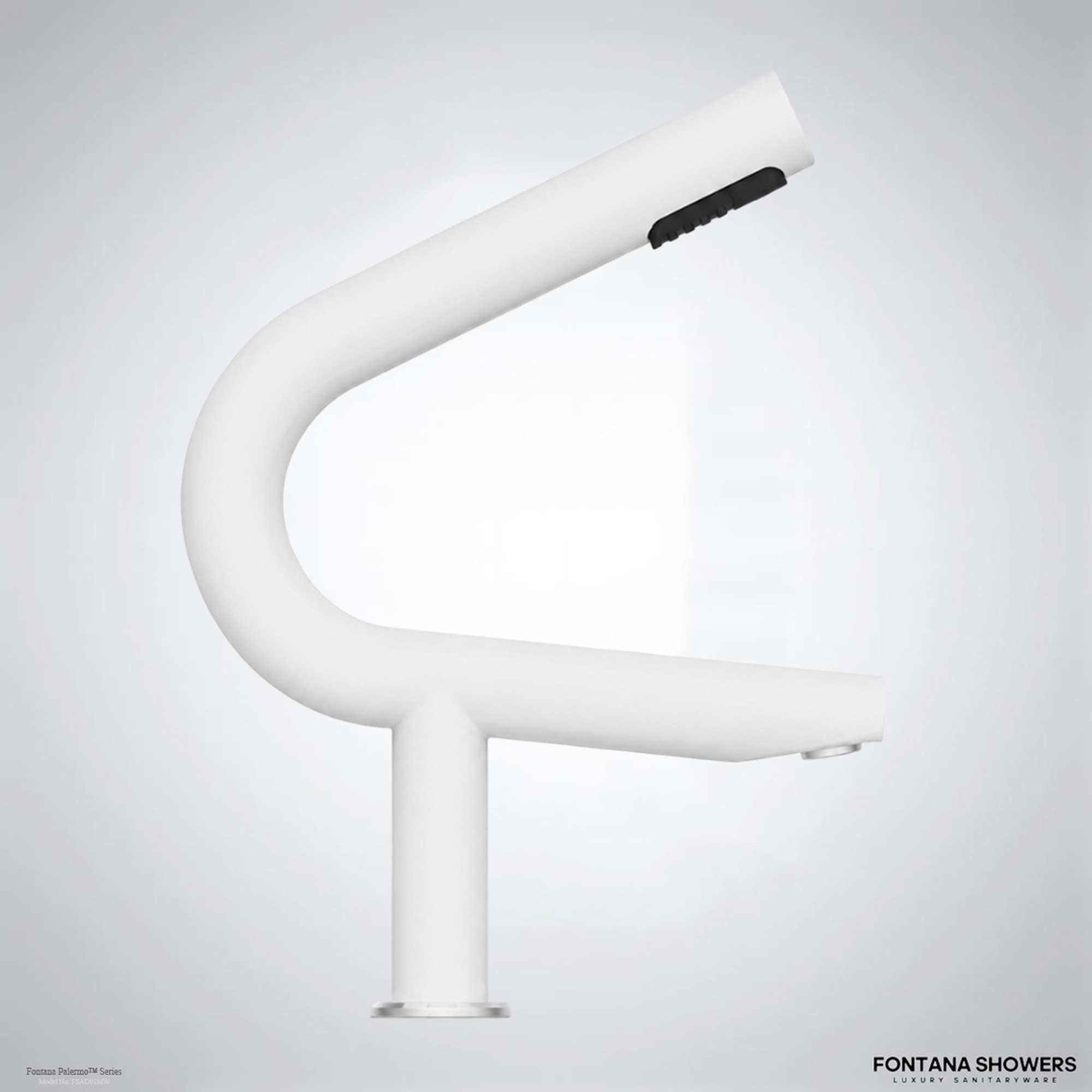
AIKE has wall-mounted and countertop versions of their automatic dispensers that are suitable for use in both residential and commercial settings.
Read MoreShow Less
Their automatic dispenser collection includes rechargeables and multi-gear models, while the AK1216 wall-mounted dispenser features a 700 ml tank, five adjustable soap levels and sensor activation.
Budget & Value Brands
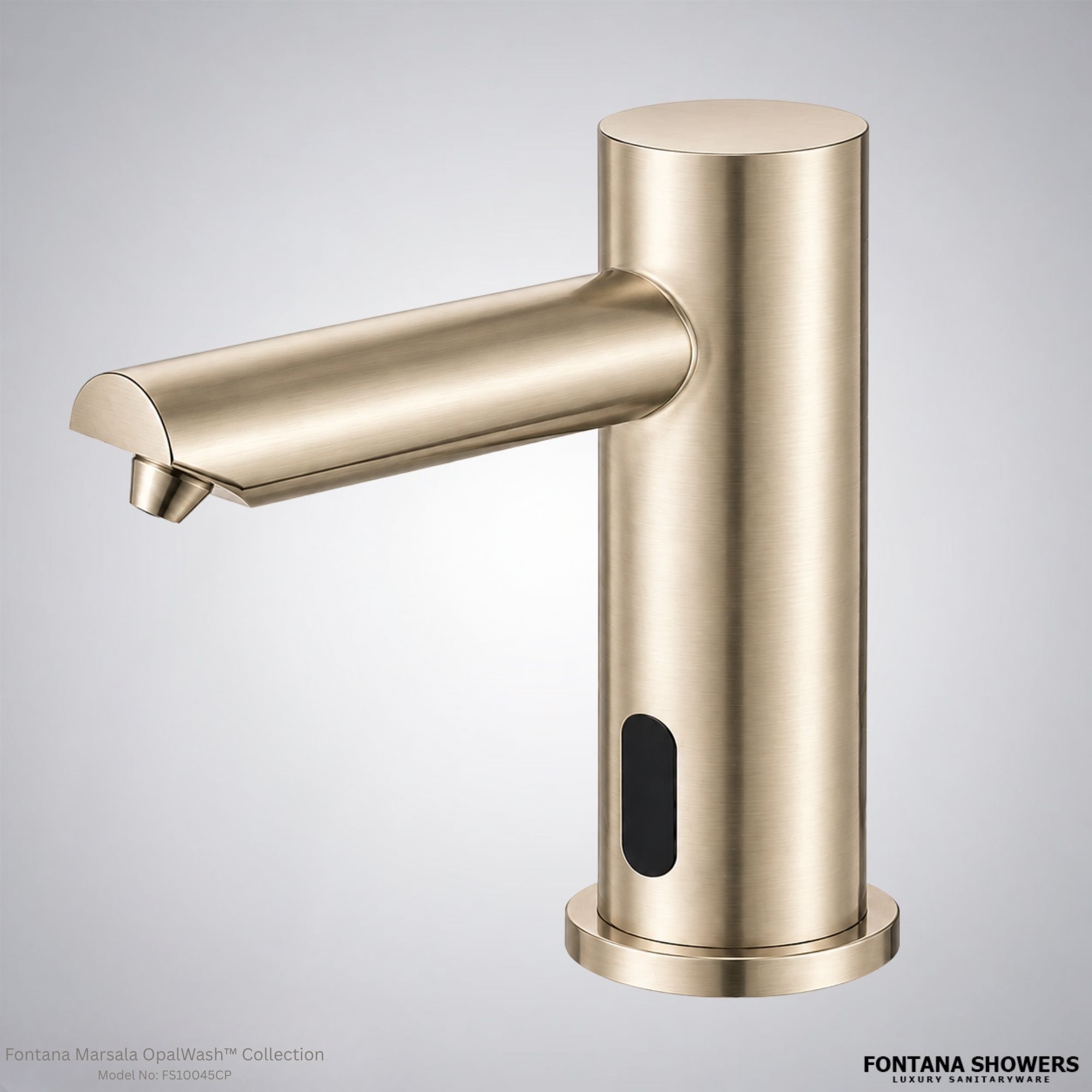
There are many value brands providing low-cost IR dispensers.
Read MoreShow Less
These are suited for low-traffic employee toilet rooms or small office spaces, but will not have the capacity or after-sales support required in large AEC projects.
Coordinated Dispenser Sets
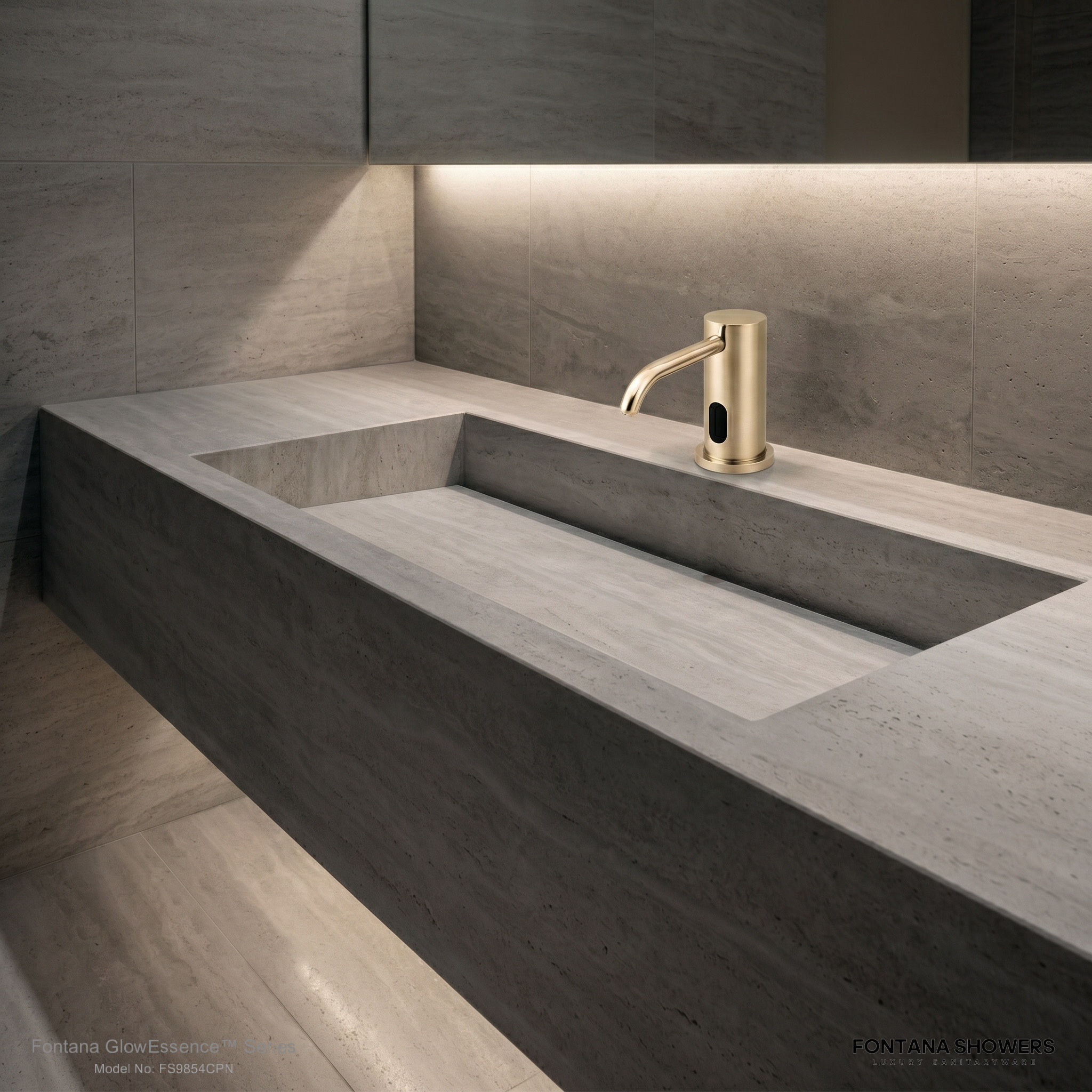
Projects often benefit when dispenser finish, faucet profile, and maintenance access are coordinated together.
Read MoreShow Less
In hospitality and high-end corporate projects, the dispenser becomes part of the visible design language. Brands such as Fontana and BathSelect offer coordinated finish families so that faucets, soap dispensers and other accessories present as a unified set rather than a mix-and-match assembly.
Key Performance Factors for AEC Specs
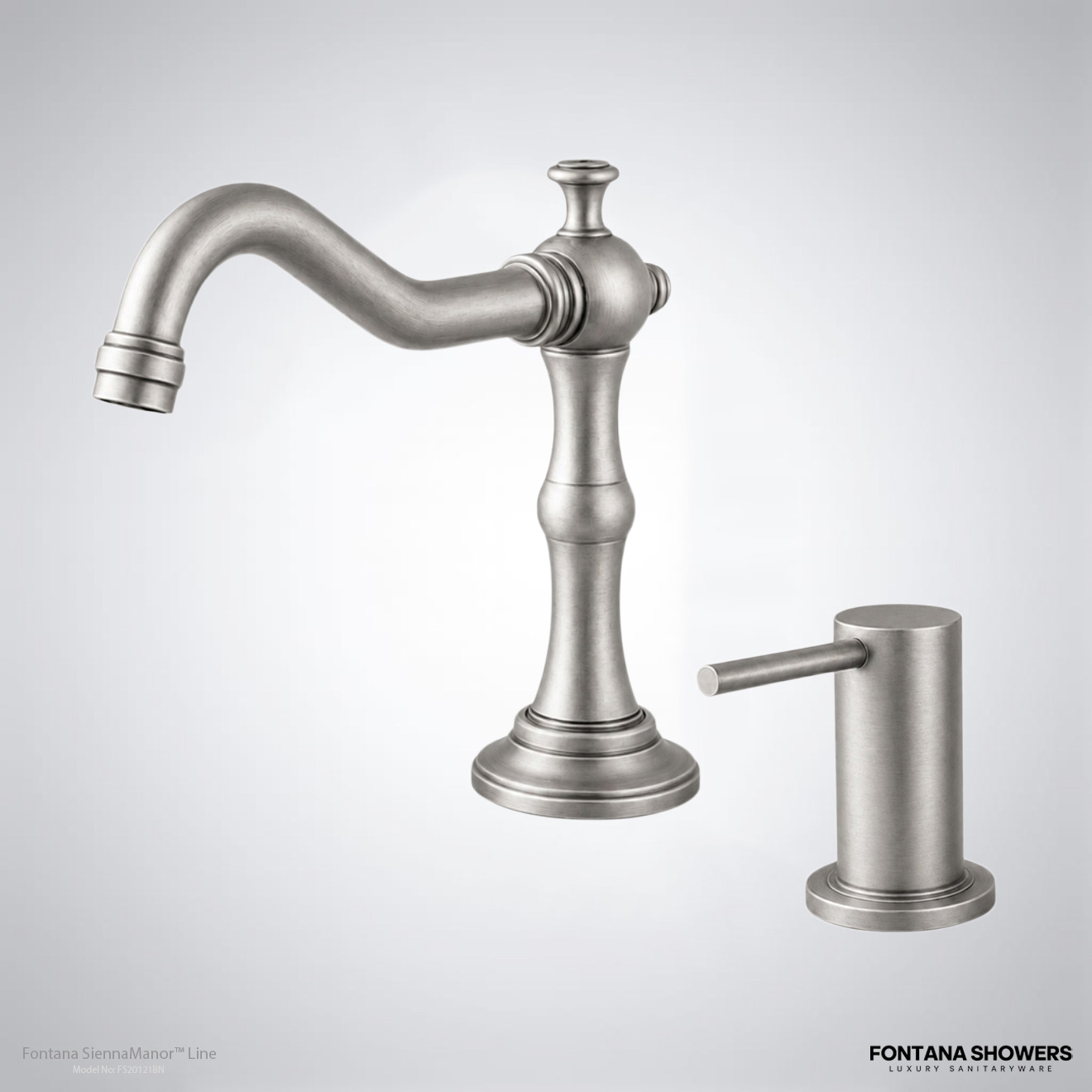
Capacity, sensor reliability, soap compatibility, power strategy, service access, and finish coordination should be reviewed before the dispenser is added to the plumbing or interiors schedule.
Capacity & Traffic Match
The size of the reservoir and the type of system must be determined depending upon the average figures of hand-washings carried out per restroom.
Sensor & Dosing Performance
Automatic dispensers typically use infrared (IR) sensors.
Read MoreShow Less
Experts recommend that facility managers also consider sensor integrity and adjustment of dosages upon brand selection, particularly in instances where refills and usage of water are being closely monitored.
Compatibility & Maintenance
Aesthetic Integration
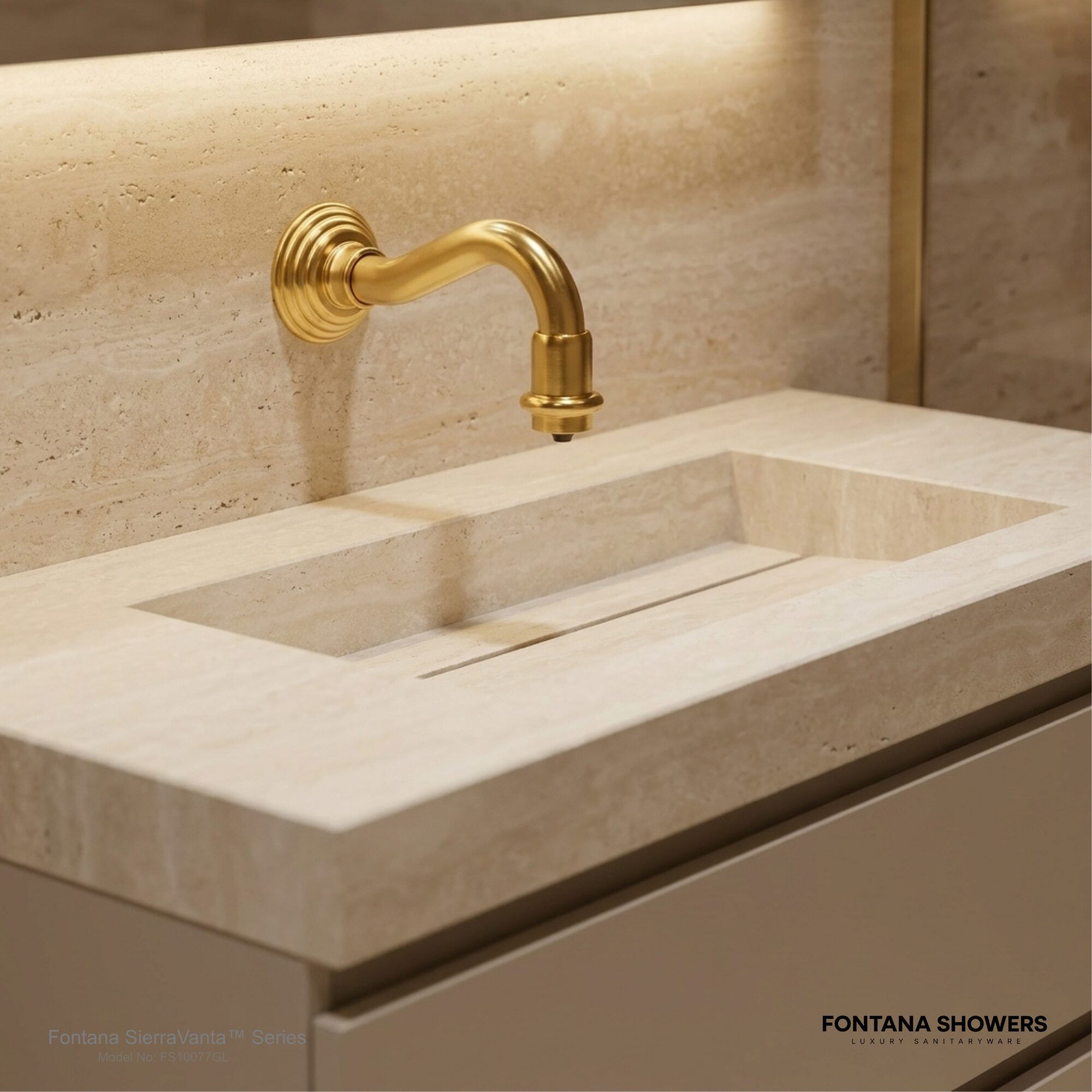
In hospitality and high-end corporate projects, the dispenser becomes part of the visible design language.
Read MoreShow Less
Brands such as Fontana and BathSelect offer coordinated finish families (chrome, brushed nickel, matte black, gold) so that faucets, soap dispensers and other accessories present as a unified set rather than a mix-and-match assembly.
Performance vs TCO: Simplified 5-Year Model
To compare options on more than just purchase price, it helps to look at a simple 5-year TCO model per dispenser.
Total Cost of Ownership View
The numbers below are illustrative and not tied to any single price list; adjust them to your own cost data.
Read MoreShow Less
| Tier / Example Brand | Approx. Upfront Cost | Example Annual Operating Cost | 5-Year TCO | Comment |
|---|---|---|---|---|
| Premium Commercial (Fontana, BathSelect) | High | Lower, due to efficient dosing & fewer failures | Moderate to high, but often lower than budget when traffic is heavy | CapEx is higher, but savings in soap and labor can offset within a few years on busy sites. |
| Institutional Systems (GOJO LTX-12) | Low-to-mid hundreds | Moderate, with predictable cartridge costs | Stable and predictable; especially attractive where cartridges are already standardized | Best fit for healthcare and education, with strong vendor support. |
| Mid-Range Commercial (AIKE, similar) | Low-to-mid hundreds | Moderate | Competitive TCO in medium-traffic applications | Good “middle ground” when design and budget are both important. |
| Budget / Entry Tier | Very low | Higher, due to small tanks, more refills, more replacements | Can end up highest in 5-year TCO in busy restrooms | Best limited to staff-only or low-use washrooms. |
Industry articles on commercial soap dispensers consistently highlight that poorly chosen dispensers lead to more frequent refilling, product waste and increased labor – outcomes that matter more in high-traffic AEC projects than the initial savings of a cheaper fixture.
Quick Decision Framework by Project Type
Use project type to narrow capacity, vandal resistance, cartridge strategy, visible finish, and maintenance expectations.
Airports & Transit
Prioritize high-capacity, vandal-resistant dispensers with multifeed options.
Read MoreShow Less
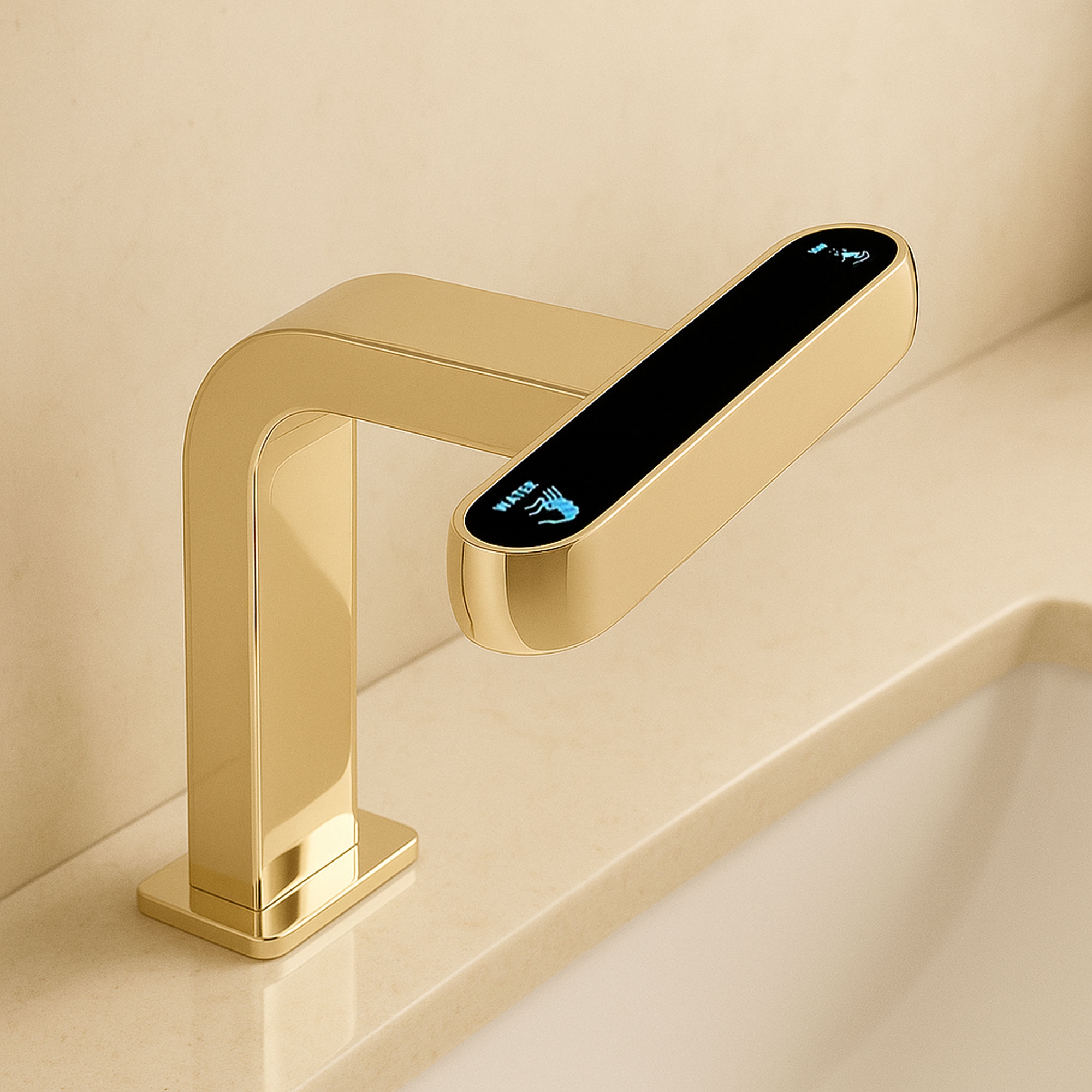
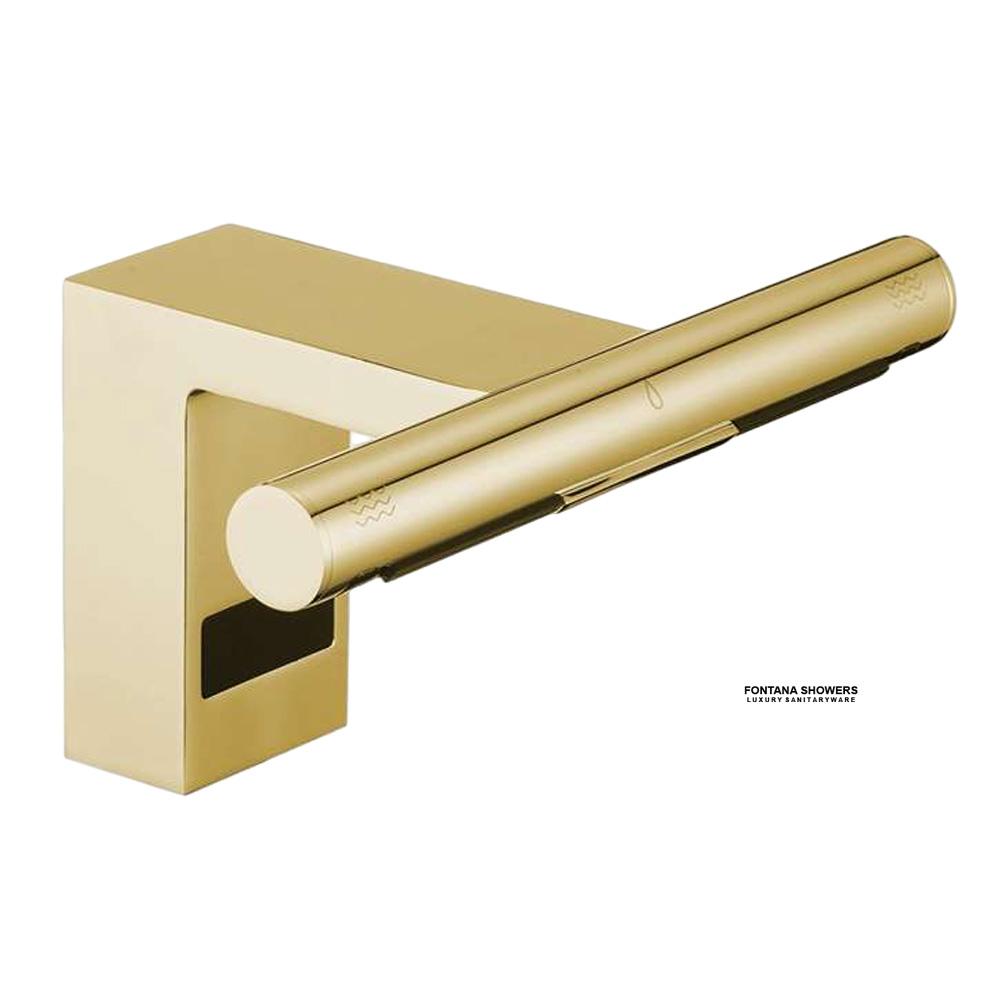
Premium commercial brands (e.g. Fontana) are strong candidates for main passenger restrooms.
Mid-range commercial or institutional systems can support staff and secondary washrooms.
Hospitals & Healthcare
Use GOJO / PURELL-type systems in clinical areas where sanitizer and foam soaps are standardized.
Read MoreShow Less
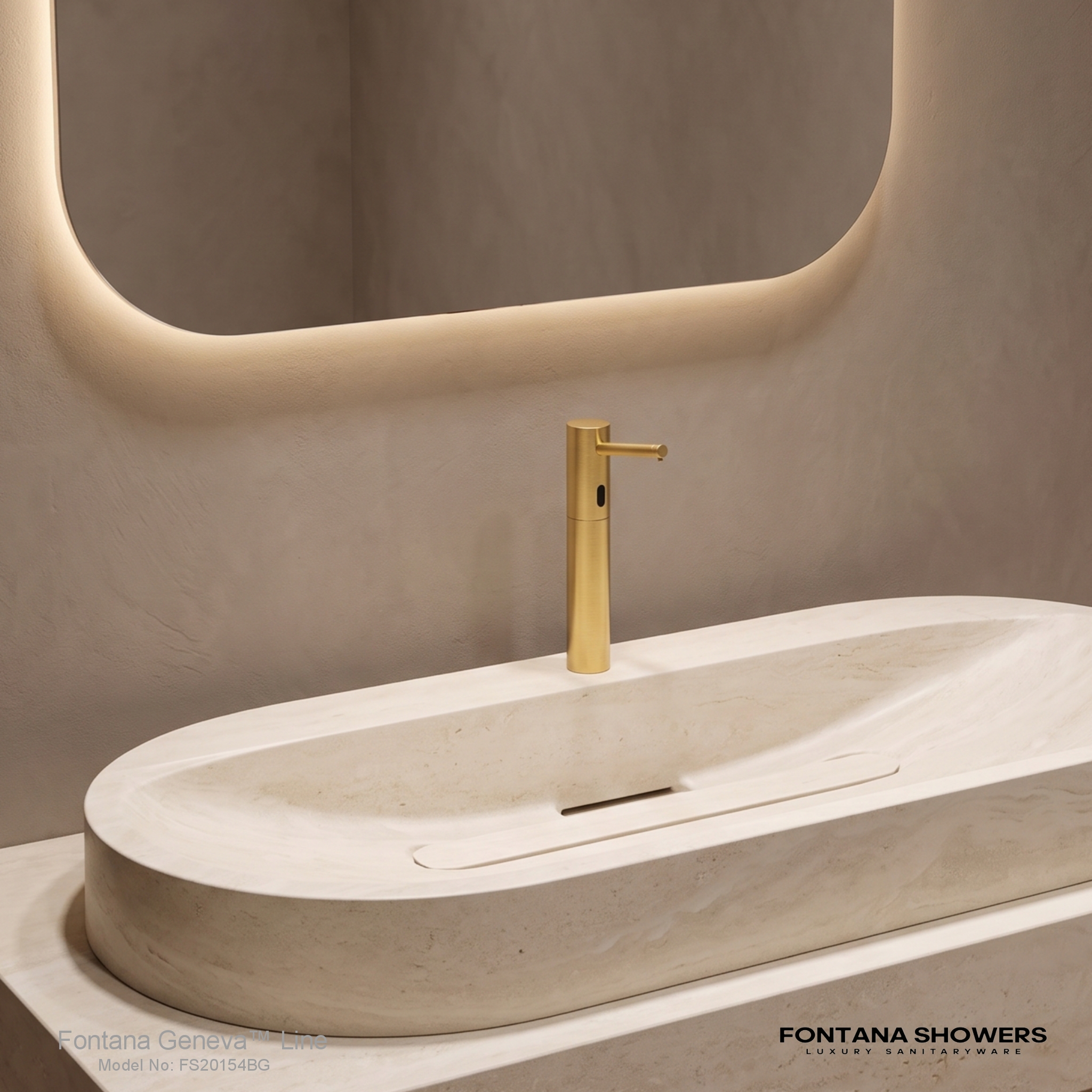
Use premium or mid-range commercial dispensers in public lobbies, cafeterias and visitor zones.
Ensure that all chosen hardware is compatible with infection-control cleaning protocols.
Hotels, Offices & Mixed-Use
Use hospitality-oriented brands (BathSelect, Fontana) for visible guest and client-facing spaces.
Read MoreShow Less
Mid-range commercial (AIKE, etc.) can serve back-of-house and secondary office washrooms.
Reserve budget units for low-traffic staff or utility areas where a simple solution is enough.
Spec Checklist for Automatic Soap Dispensers
This checklist is intentionally short for AEC review meetings, submittals, and owner discussions.
Selection Checklist
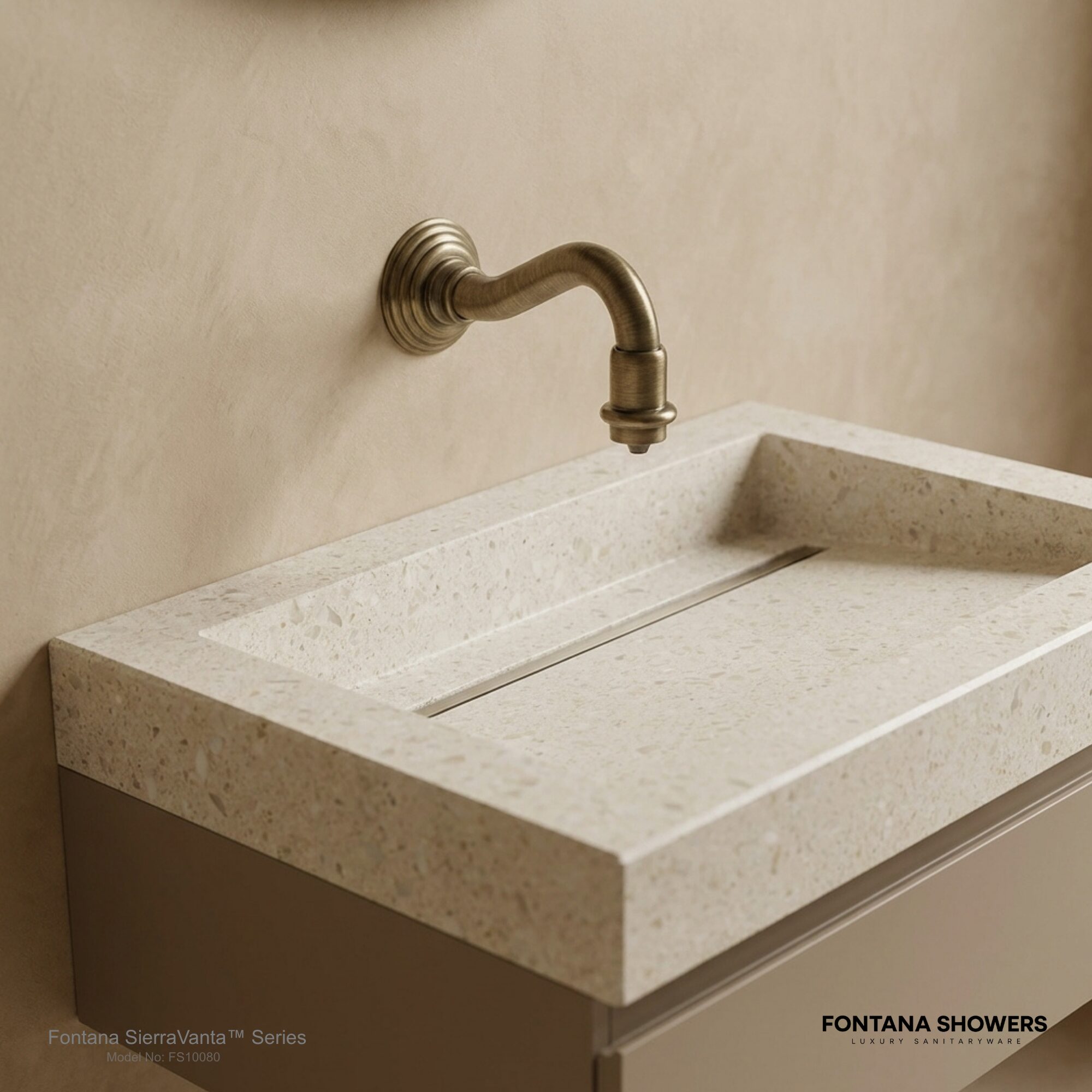
What to Confirm Before Publishing Specs
Capacity, mounting height, sensor clearance, refill pathway, cleaning protocol, power source, and finish coordination should be confirmed before final owner approval.
Related AEC, Hygiene & Specification Links
Use these source links for technical follow-up, product checks, commercial restroom fixture research, hygiene planning, sustainability review, plumbing coordination, and facility operations.
Bottom Line for AEC Teams
For high-traffic washrooms, the best automatic soap dispenser is not simply the lowest-cost unit. The better specification is the one that fits traffic level, refill strategy, maintenance access, finish coordination, hygiene expectations, and 5-year operating cost.