Automatic Soap Dispenser Planning for Commercial Restrooms
Commercial automatic soap dispensers should be evaluated as part of the complete handwashing station rather than as isolated accessories. Sensor behavior, soap formulation, refill access, mounting location, power source, basin geometry, cleaning procedures, and expected traffic all influence daily reliability. For architects, engineers, facility managers, and contractors, the most useful selection process is therefore based on how the dispenser will operate and be maintained in the actual restroom environment. This guide expands the key planning considerations for offices, hospitality projects, healthcare facilities, schools, transportation buildings, restaurants, and other high-use public spaces.
Modern Restroom Planning Starts With Better Product Knowledge
A page for readers comparing, specifying, installing, and
maintaining automatic soap dispensers across commercial
restrooms, healthcare spaces, schools, restaurants, offices,
and high-traffic facilities.
Explore clear guides on sensor performance, refill planning,
soap compatibility, power source decisions, mounting style,
maintenance access, hygiene impact, and long-term restroom
value.
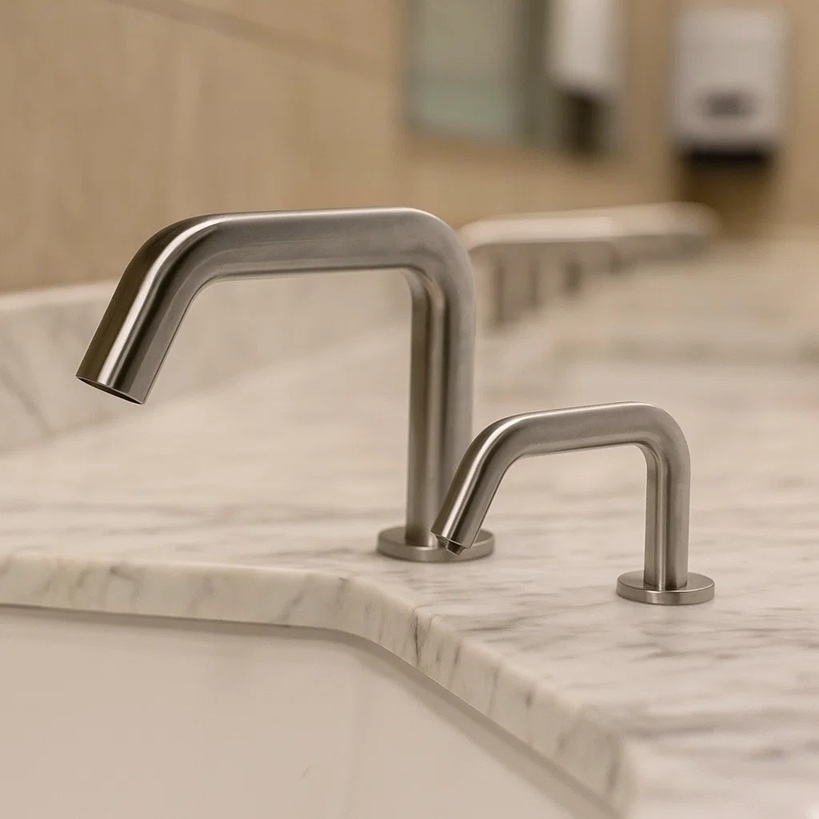
Modern Countertop Dispensing
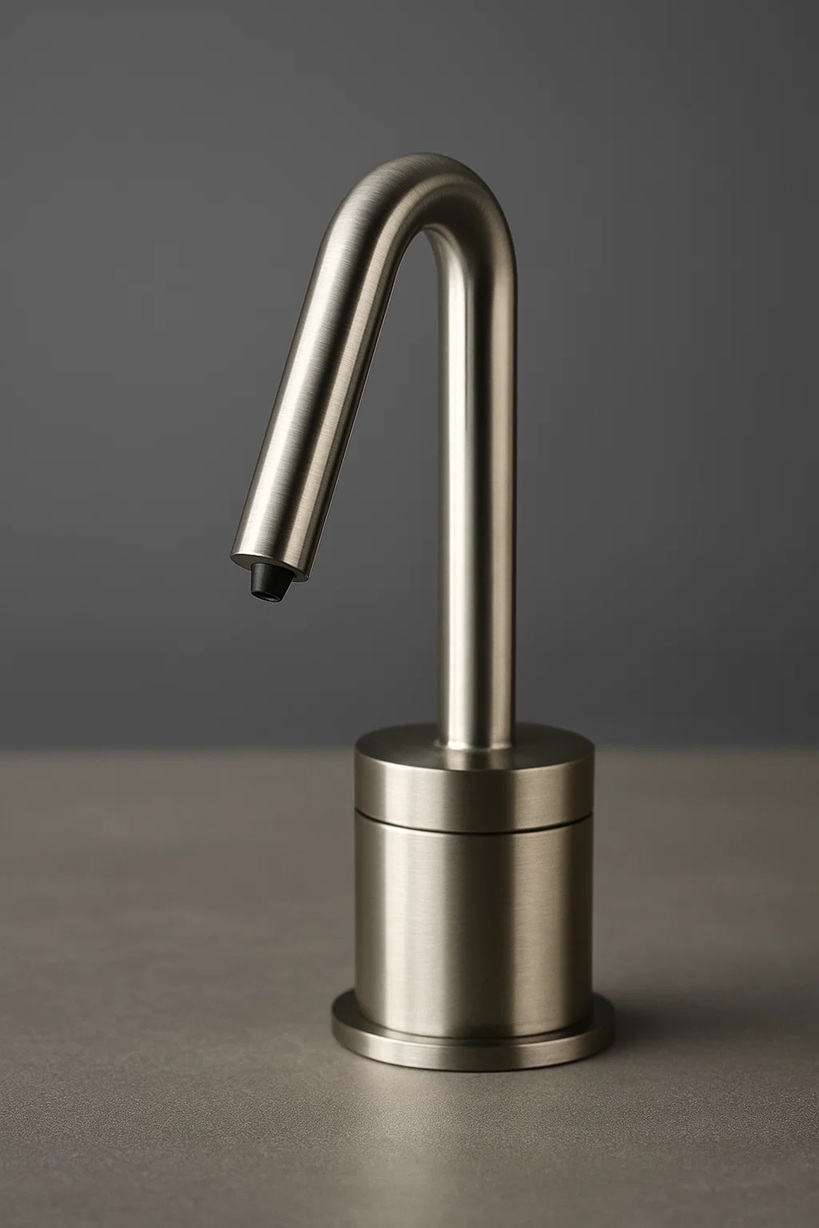
A clean brushed-metal finish gives commercial washrooms a polished, professional look while supporting contactless hand hygiene.
View Details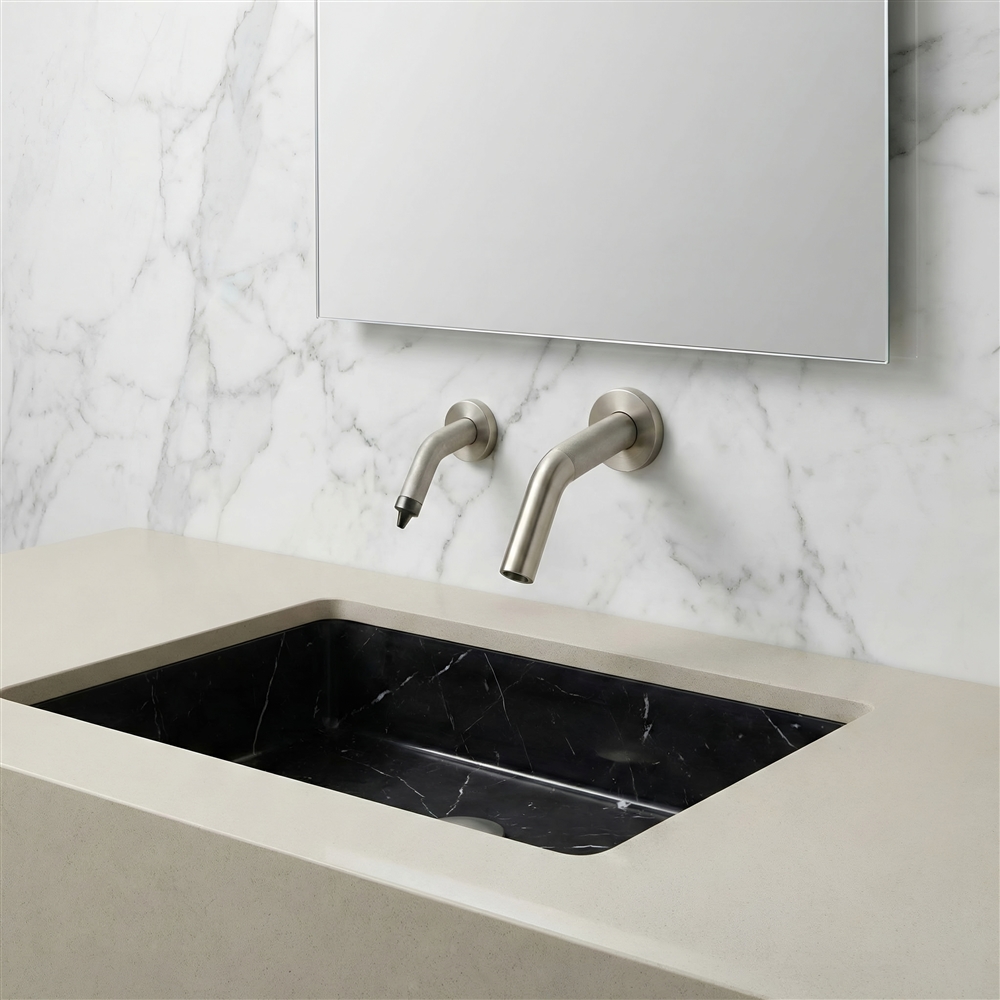
Space-Saving Wall Units
Wall-mounted dispensers help preserve counter space and make service access easier in busy public restroom environments.
View Details
Built for Busy Restrooms
Durable touchless fixtures help reduce surface contact and support consistent handwashing routines throughout the day.
View Details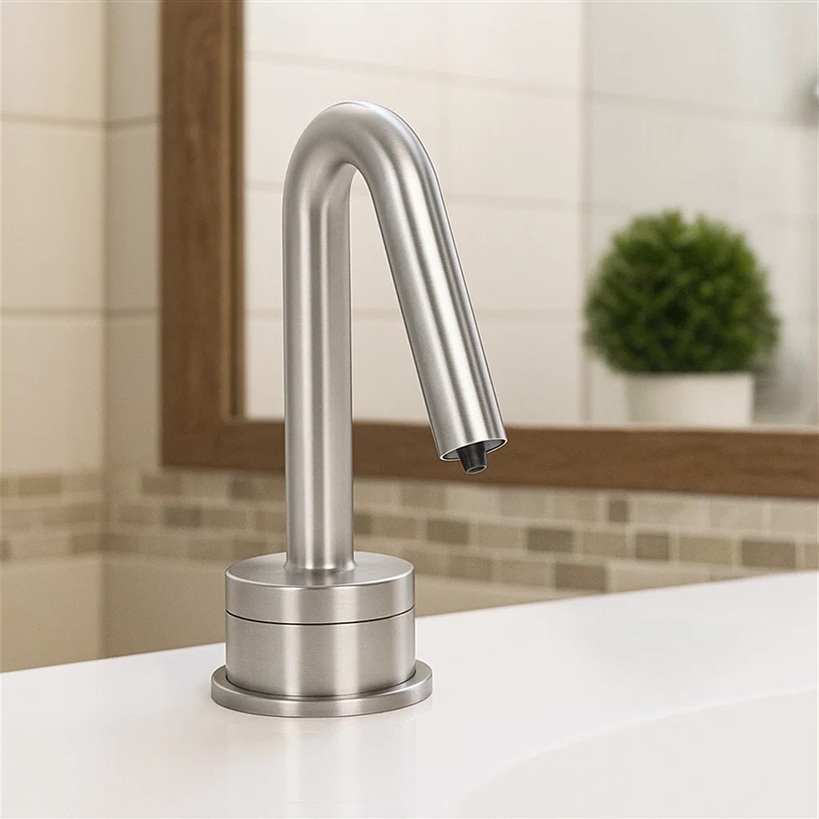
Clean Guest Experience
Sleek automatic dispensers help hotels, restaurants, and lounges create a more refined and hygienic restroom experience.
View Details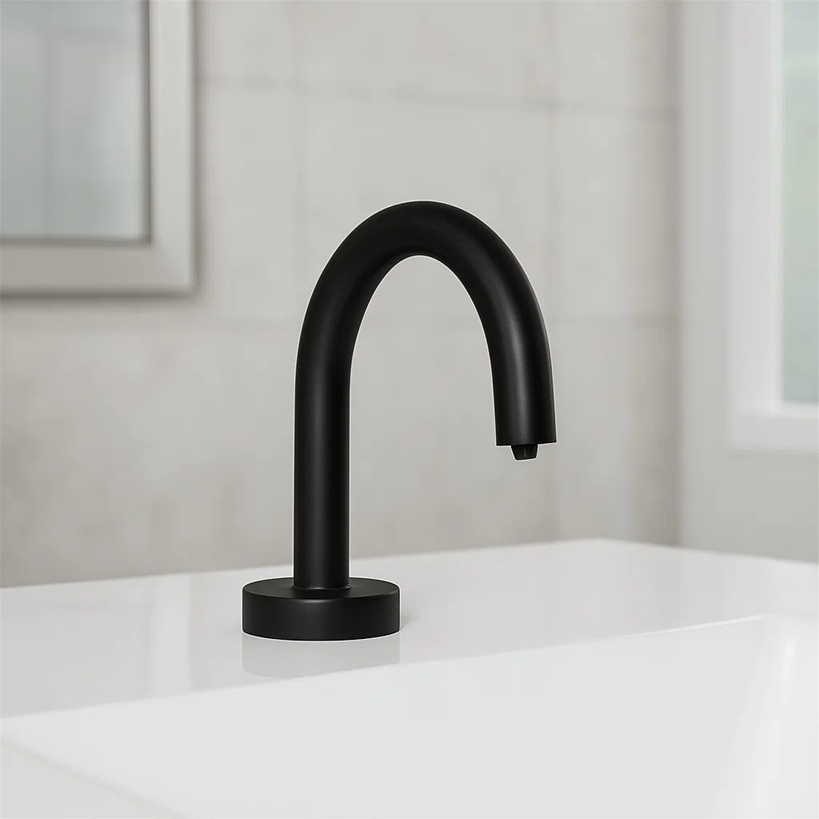
Reliable Touchless Operation
Sensor-controlled dispensing helps limit overuse, reduce waste, and support dependable hygiene performance in commercial settings.
View Details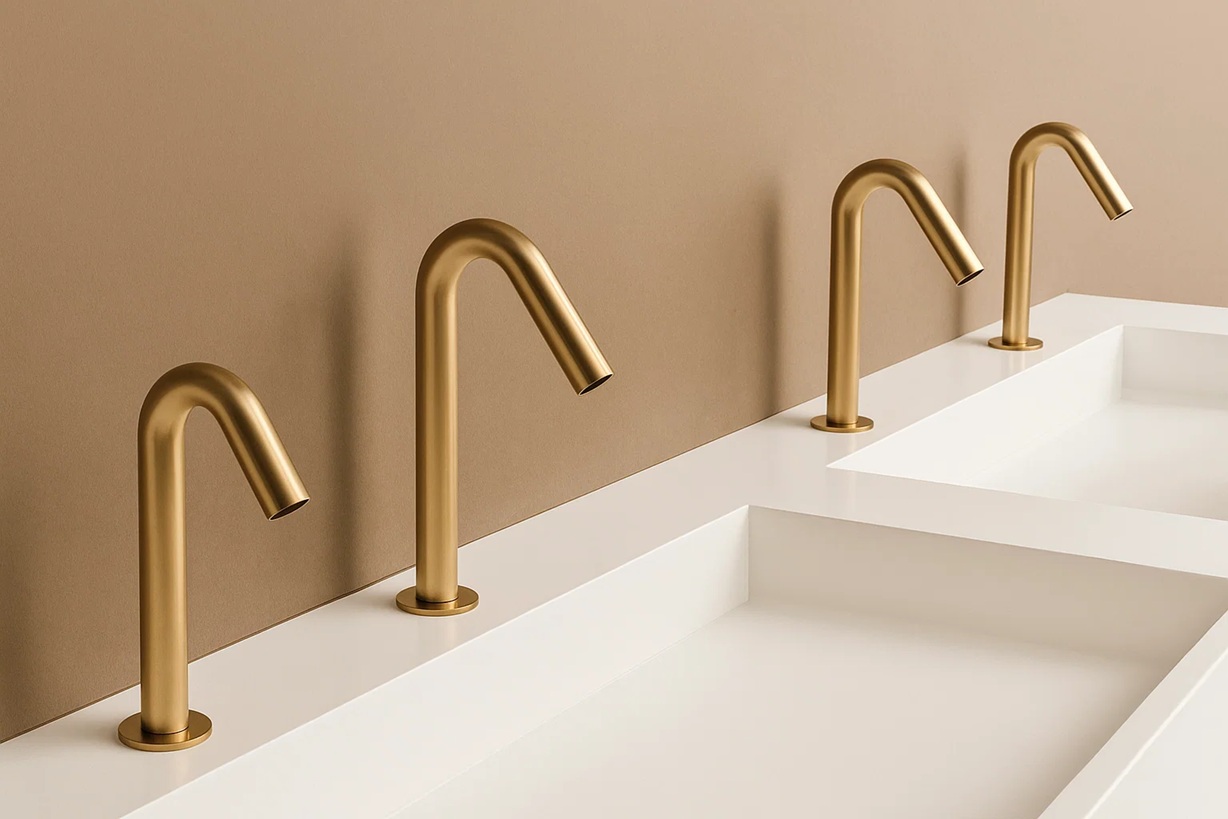
Designed for Hygiene-Focused Spaces
Automatic dispensers support cleaner handwashing areas in clinics, medical offices, care facilities, and other hygiene-sensitive settings.
View Details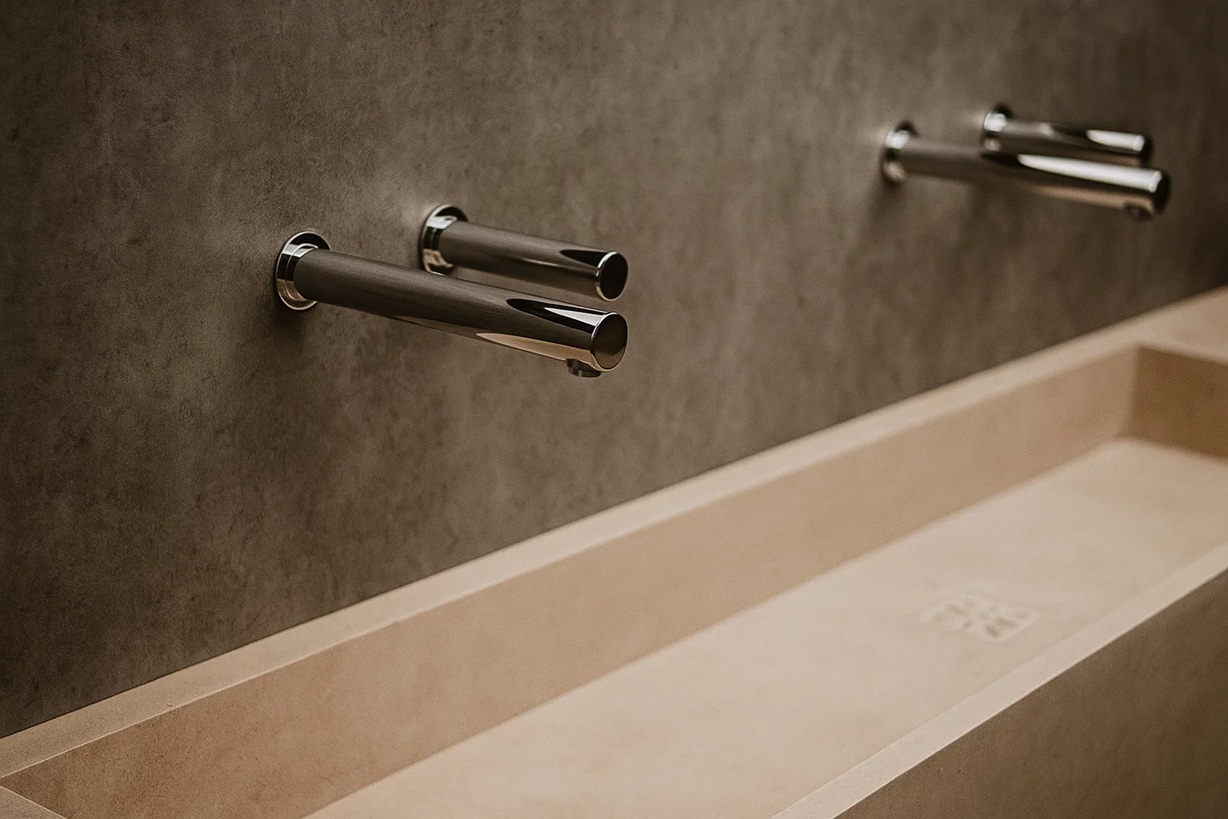
Performance for Heavy Daily Use
High-capacity dispensing solutions help busy facilities reduce refill interruptions and keep washrooms operating smoothly.
View Details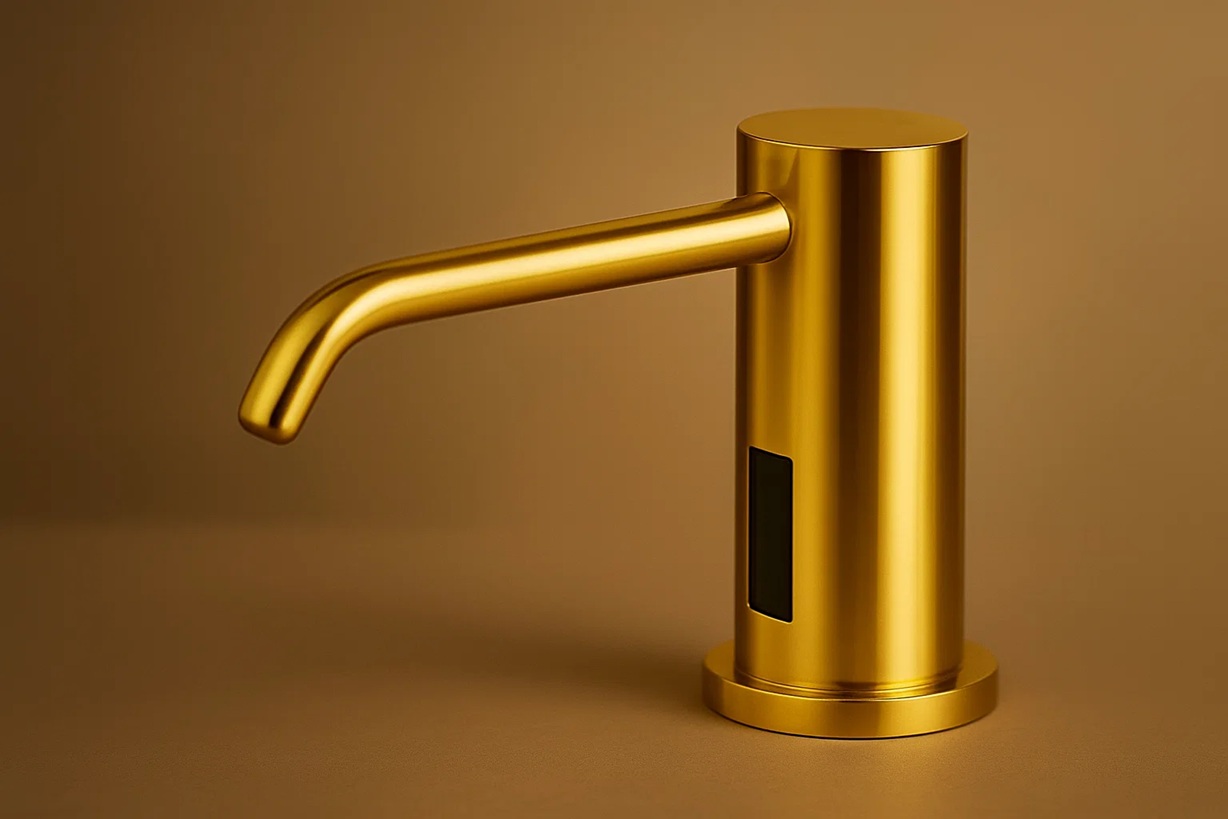
Refined Commercial Restroom Style
Premium touchless dispensers combine clean styling with practical operation for upscale offices, hotels, restaurants, and public venues.
View DetailsWhat to Evaluate Before Specifying an Automatic Soap Dispenser
A successful commercial installation depends on more than finish and appearance. The dispenser needs to match the soap type, service routine, user traffic, sink layout, power strategy, and cleaning program expected at the facility.
Sensor Performance and Placement
Touchless dispensers rely on a predictable detection zone. Counter edges, reflective surfaces, deep basins, nearby faucets, and unusual mounting angles can affect how users approach the sensor. During design coordination, the dispenser should be positioned so a hand can enter the sensing area naturally without contacting the spout, basin, backsplash, or adjacent fixture. In high-traffic restrooms, reliable activation also reduces repeated hand movements and unnecessary multiple dispensing cycles. When evaluating products, review the manufacturer’s stated sensing range, mounting limitations, adjustment method, and commissioning instructions rather than assuming that every infrared system behaves the same way.
Soap Compatibility and Refill Strategy
Soap chemistry directly affects pump performance, nozzle condition, and maintenance frequency. Liquid and foaming formulations are not automatically interchangeable, and viscosity can influence priming, dose consistency, and residue buildup. The refill strategy also matters. Small self-contained reservoirs may be suitable for moderate-use spaces, while large facilities may prioritize higher-capacity or centralized systems to reduce service visits. Facility teams should document the approved soap type, refill method, reservoir-cleaning procedure, and any restrictions on substitutions. For a deeper look at contamination control, see the site’s touchless soap system hygiene and water safety guide.
Power Source and Service Access
Battery-powered units can simplify retrofit work, while hardwired or transformer-based configurations may be preferred where the project already includes coordinated electrical provisions. The correct choice depends on service expectations, access below or behind the mounting surface, and the facility’s maintenance program. Battery compartments, control modules, pumps, tubing, and reservoirs should remain reachable without removing large areas of millwork or disturbing finished surfaces. Service access is especially important for deck-mounted systems, where the visible dispenser may occupy very little space but the components below the counter still require clearance for inspection and replacement.
Mounting, Basin Coordination, and Accessibility
Wall-mounted and deck-mounted dispensers create different coordination requirements. Deck-mounted units must be located relative to the basin rim, faucet, drain, countertop edge, and any backsplash so the dose lands where users naturally place their hands. Wall-mounted models need suitable reach, clear floor space, and a location that does not create an obstruction along circulation routes. On public projects, accessibility requirements should be checked together with the sink and faucet layout rather than reviewed after the dispenser is installed. The goal is a handwashing station that can be approached, activated, cleaned, and serviced without awkward reach or interference between fixtures.
Cleaning, Hygiene, and Surface Durability
Touchless operation reduces the need to press a shared pump, but routine cleaning remains essential. Sensor windows, nozzle tips, housings, reservoirs, and refill tools can collect soap film or residue. In healthcare and other hygiene-sensitive environments, cleaning procedures should identify compatible chemicals and establish how reservoirs and nozzles are maintained. Smooth surfaces and accessible components can make those procedures easier to perform consistently. The site’s hygiene and safety metrics resource provides additional criteria for evaluating commercial dispenser performance in a broader facility context.
Lifecycle Cost and Maintenance Planning
Initial purchase price is only one part of long-term ownership. Refill labor, battery replacement, pump service, sensor cleaning, replacement parts, technician visits, and downtime can become more important as the number of installed dispensers increases. Facilities benefit from tracking service history by product family and location so recurring problems can be identified instead of treated as isolated failures. A dispenser that is easy to refill and repair may reduce interruptions even if its initial cost differs from another option. For a structured way to examine these operating variables, review the commercial automatic soap dispenser maintenance cost calculator.
Design the Dispenser as Part of the Handwashing System
The strongest restroom specifications coordinate the soap dispenser with the faucet, basin, countertop or wall construction, electrical requirements, consumable supply, and maintenance access. This approach helps avoid common field issues such as a dispenser that activates into the wrong part of the basin, a reservoir that cannot be removed after the counter is installed, or a sensor that is difficult to reach because another fixture occupies the same zone. It also gives owners a clearer basis for comparing products. Instead of relying on appearance alone, teams can compare sensing method, soap format, reservoir capacity, power arrangement, mounting condition, cleanability, available replacement parts, and service access. When several manufacturers are being considered, the commercial soap dispenser brands comparison sheet can be used as a starting point for application-specific review.
Your Practical Guide to Touchless Soap Dispenser Decisions
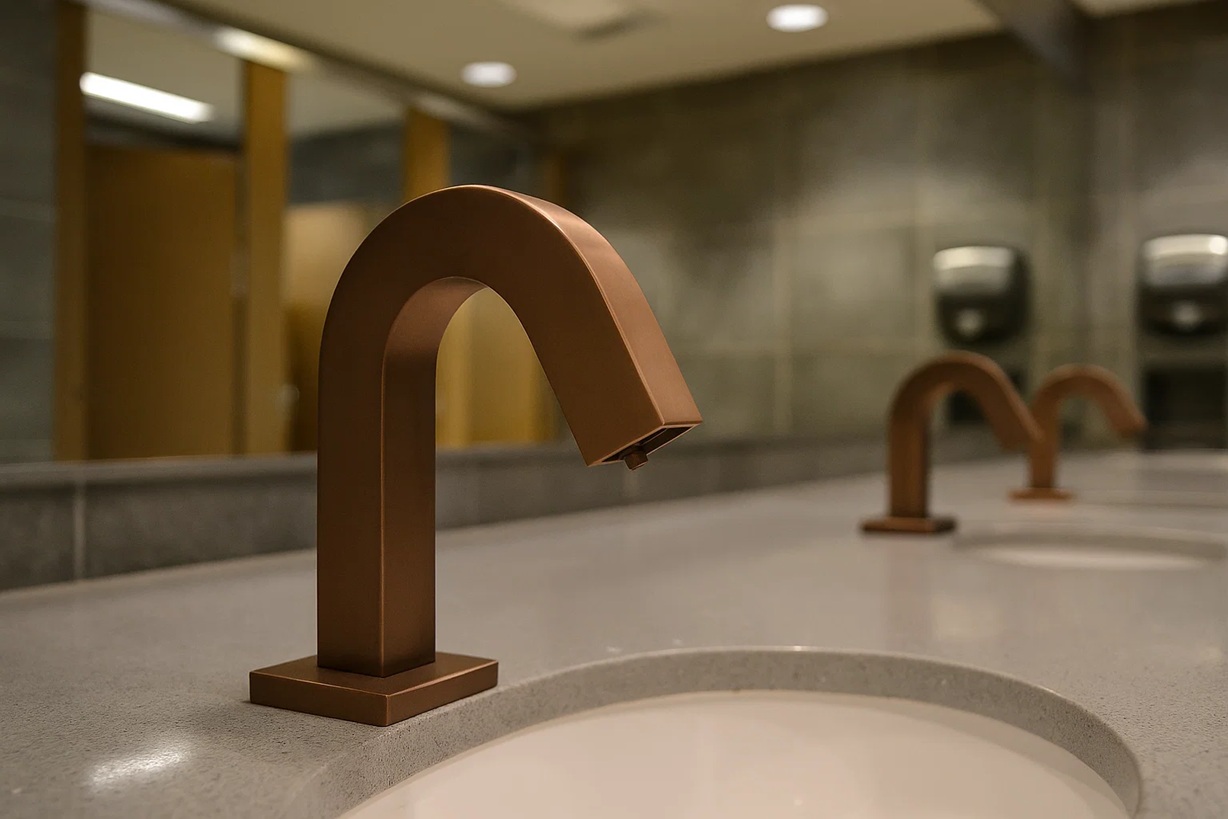
Automatic soap dispensers are now common in commercial washrooms because they reduce hand contact, support cleaner handwashing routines, and give facilities a more professional restroom experience.
Performance changes by setting. A unit that works in a quiet office may not be the right fit for a stadium, school, clinic, restaurant handwash station, or busy airport washroom.
Clear Guides for Commercial Soap Dispenser Performance
Industry Trends
Follow how automatic soap dispensers and contactless fixtures are shaping commercial restroom design, including smart sensors, hygiene upgrades, and product feature changes.
Efficiency & Waste Reduction
Learn how sensor precision, refill format, soap type, and dispenser design can reduce over-dispensing, limit product waste, and simplify service routines.
Hygiene & Safety Metrics
Explore how touchless dispensing supports reduced surface contact and helps facilities build stronger hygiene programs where cleanliness and user confidence matter.
Maintenance Planning
Understand the practical service details that influence complaints, downtime, refill frequency, battery replacement, and long-term restroom reliability.
Featured Topics for Better Restroom Decisions
Best Automatic Soap Dispenser Factors for Commercial Restrooms
Compare the core details that shape daily performance: sensor response, refill access, power source, soap compatibility, and mounting style.
Read the checklist →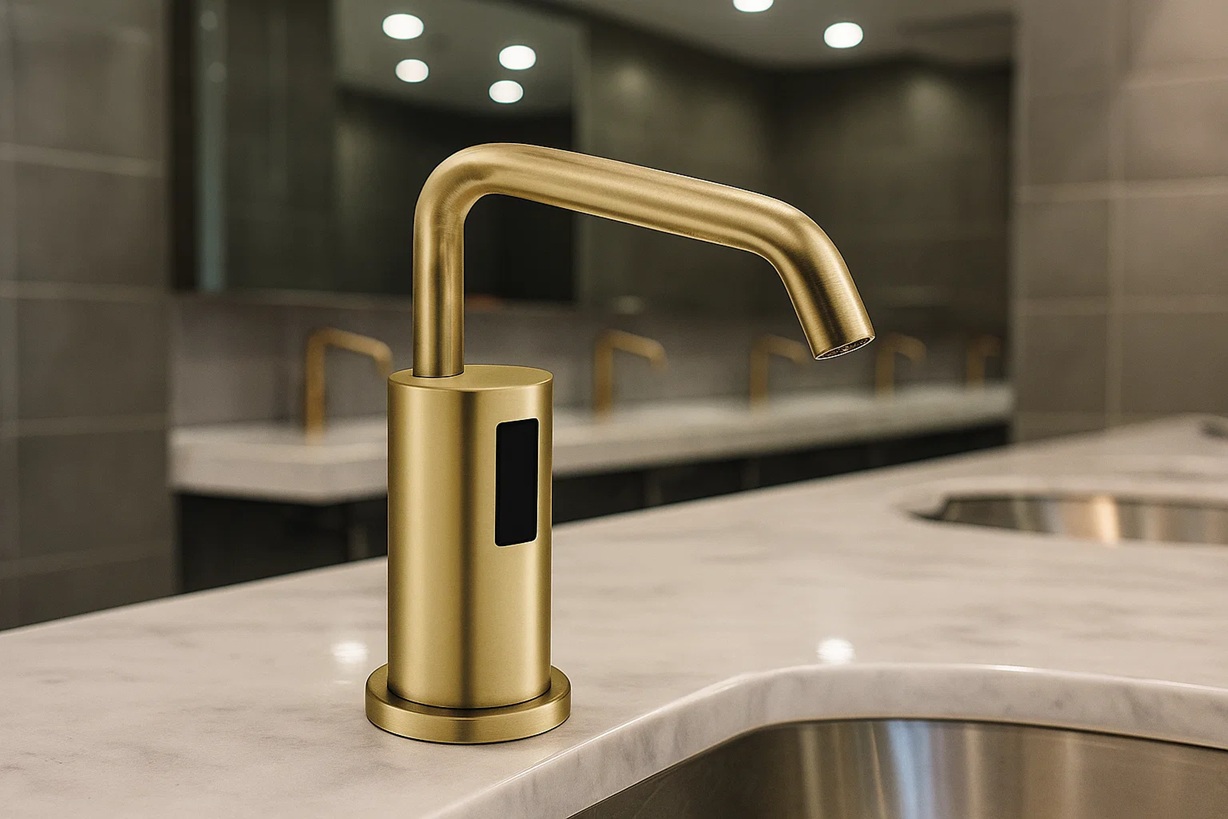
Why Touchless Soap Dispensers Fail and How to Prevent It
Help readers understand missed activations, soap clogs, poor placement, battery issues, refill errors, and rough-use environments.
Explore guide topics →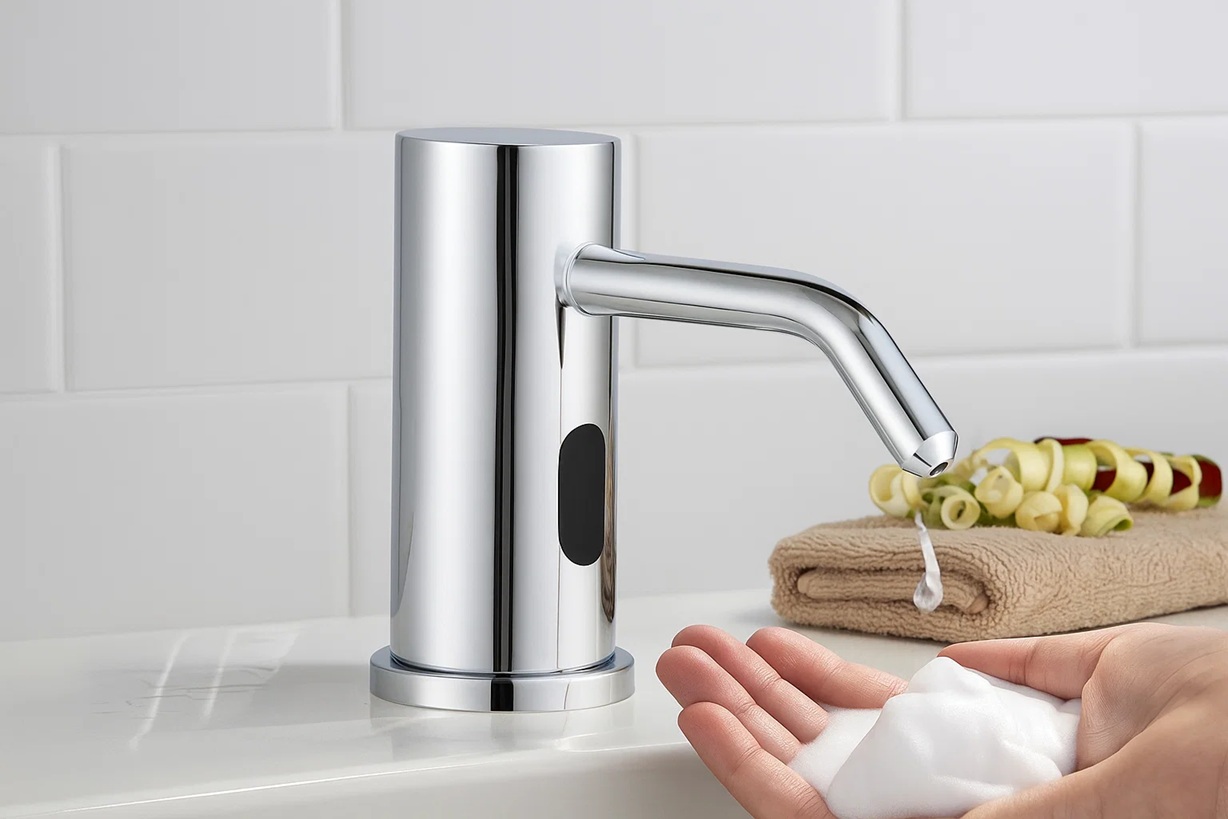
Touchless Restroom Upgrades for Healthcare Facilities
Focus on hygiene support, durable use, accessible service, reliable activation, and placement near handwashing points.
Read More →