Commercial Automatic Soap Dispenser Questions Answered
Explore practical answers about touchless soap dispensers, from waste reduction and maintenance to accessibility, public health, sustainability, and facility planning.
What This FAQ Covers
These questions explain how commercial automatic soap dispensers perform in public, healthcare, education, hospitality, and high-traffic environments.
Performance & Cost Control
Learn how dose control, sensor quality, refill planning, and maintenance routines affect operating costs over time.
Public Health & Compliance
Review the role of touchless dispensing in hand hygiene, infection control, accessibility, and high-use restroom design.
Sustainability & Facility Fit
Compare refill formats, waste reduction, water-use impacts, green building goals, and long-term product durability.


How does an automatic soap dispenser reduce waste?
Controlled dosing helps prevent overuse.
Automatic dispensers release a measured amount of soap, which limits the extra product often used with manual pumps.
In many commercial settings, sensor-operated dispensers can help reduce soap use by approximately 30–50%. Less over-dispensing means lower supply costs, fewer refill cycles, and less product entering the waste stream.
Are automatic soap dispensers cost-effective?
They often become more economical over the full service life.
Although automatic units usually cost more upfront than manual dispensers, the long-term savings can be meaningful in busy facilities.
Savings may come from reduced soap waste, fewer service interruptions, faster maintenance checks, and stronger compliance with hygiene protocols. The return is usually strongest in schools, healthcare settings, airports, restaurants, and other high-traffic buildings.
What are the main differences between dispenser brands?
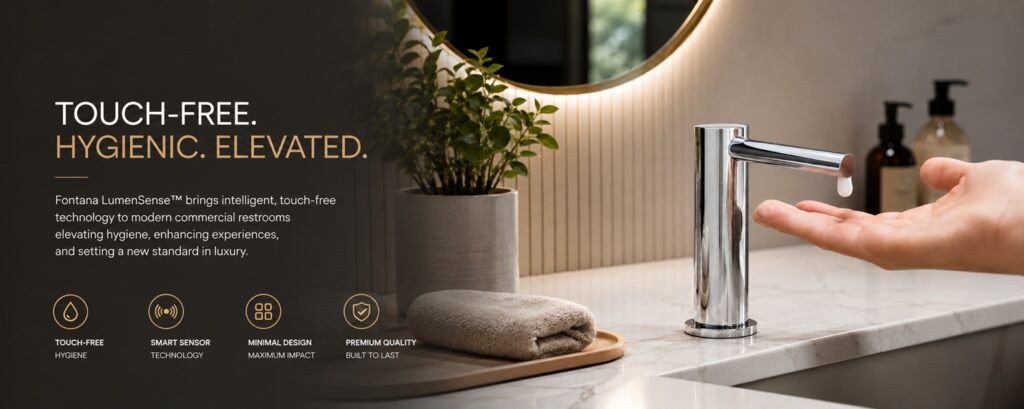
Brands vary by sensor accuracy, build quality, refill design, and intended use.
Some brands prioritize a refined appearance for hospitality spaces, while others emphasize durability for industrial or public-sector environments.
Important differences include dispensing consistency, sensor response time, housing material, battery life, refill availability, clog resistance, warranty support, and ease of servicing. Side-by-side brand reviews can help buyers identify the strongest match for their facility type.
Can automatic soap dispensers improve public health outcomes?
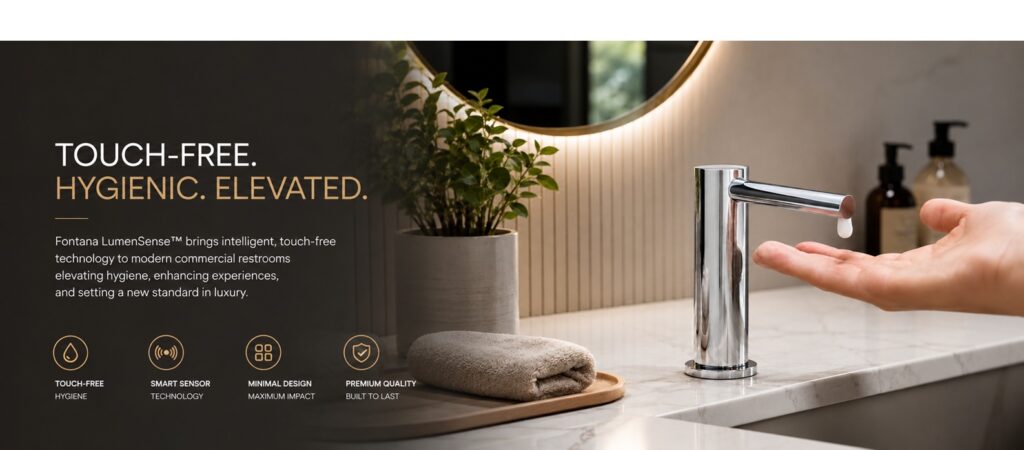
Touchless systems can support better hand hygiene habits.
By removing one common touchpoint, automatic soap dispensers can help reduce opportunities for cross-contamination.
These systems are especially useful in healthcare, food service, education, transit, and other settings where many people share the same restroom or handwashing station. Reliable touchless activation can also make handwashing feel quicker and more convenient, supporting stronger compliance.
How should I choose the right dispenser for my facility?
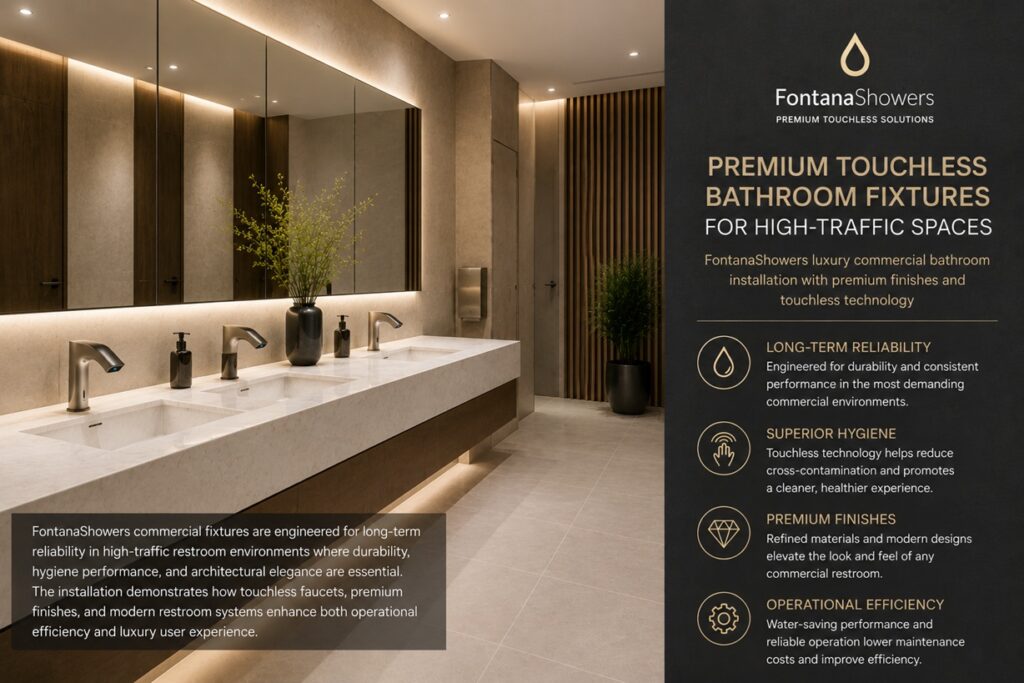
Start with traffic volume, soap format, service capacity, and budget.
The best dispenser is the one that matches daily use conditions, maintenance routines, and hygiene goals.
High-traffic facilities may need larger reservoirs, stronger housings, and reliable refill alerts. Healthcare and food service environments should prioritize hygiene compliance and sensor reliability. Buildings with sustainability targets may benefit from refillable, concentrated, or low-waste soap systems.
What maintenance is required for an automatic soap dispenser?
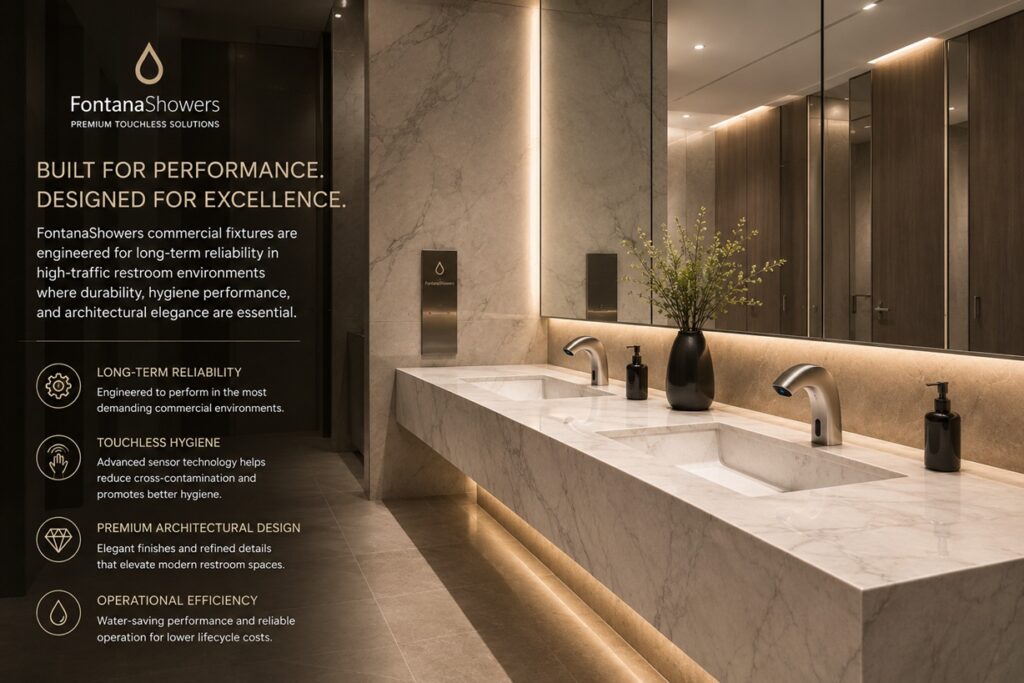
Most maintenance involves refilling, power checks, and nozzle cleaning.
Routine care is usually simple, but consistency is important for reliable operation.
Facility teams typically refill the reservoir, replace or recharge batteries, wipe the exterior, and clean the nozzle to prevent clogs. Advanced models may include usage tracking, low-refill alerts, and maintenance reminders that reduce unnecessary restroom checks.
Do automatic dispensers work outdoors or in high-humidity spaces?
Some models are designed for tougher conditions, but not all are suitable.
Outdoor or humid locations require sealed electronics, corrosion-resistant materials, and a housing that can handle moisture exposure.
Performance can vary widely by model. Facilities should check whether the dispenser is rated for outdoor use, sheltered placement, high humidity, or frequent cleaning. In coastal, pool, transit, or recreation environments, durability and sealing should be major selection factors.

How are research and comparisons conducted?
Strong comparisons use multiple evidence points, not only product claims.
A balanced review should combine manufacturer specifications, independent observations, user feedback, and real-world performance notes.
Transparent comparisons should identify both strengths and limitations. Useful review criteria include sensor consistency, refill compatibility, durability, service access, installation needs, operating cost, and suitability for specific facility types.

How do cultural differences influence dispenser design and use?
Soap preference, signage, mounting height, and user expectations can vary by region.
In some markets, foam soap is preferred because users associate it with softness and efficiency. In others, liquid soap feels more familiar.
Design choices such as instructions, icons, placement, and activation cues may need to reflect local languages, accessibility expectations, and restroom habits. A dispenser that works well in one region may need adjustments to feel intuitive somewhere else.

What role do soap dispensers play in sustainability certifications?
They can support broader goals tied to materials, waste, water, and occupant health.
Facilities pursuing LEED, WELL, BREEAM, or similar programs may consider dispenser choices as part of a larger hygiene and sustainability strategy.
Refillable systems, concentrated soap options, reduced packaging, precise dose control, and long-life components can all support lower-waste operations. Soap dispensers are not usually the only factor in certification, but they can contribute to a more efficient restroom program.

Are there accessibility standards for automatic soap dispensers?
Yes. Placement, reach range, and activation method must be considered.
ADA and comparable accessibility standards influence where dispensers should be installed and how easily users can activate them.
Poor placement can unintentionally exclude users, even when the dispenser itself is touchless. Designers should review height, side reach, forward reach, sink clearance, sensor placement, and whether the unit can be used without tight gripping, twisting, or force.

How do dispenser technologies work where electricity is unreliable?
Battery-powered and hybrid systems are often the practical choice.
Off-grid buildings, field clinics, emergency response areas, and temporary facilities may need dispensers that do not rely on hardwired power.
Battery-powered units, rechargeable dispensers, and manual-hybrid systems can extend hygiene access in underserved or emergency settings. Emerging designs may also explore solar or kinetic energy to support sensor operation without conventional electrical infrastructure.
Do touchless dispensers ever reduce hygiene compliance?
They can, if the sensor feels unreliable or frustrating.
Touchless technology usually supports better compliance, but poor calibration can have the opposite effect.
If a sensor activates too slowly, dispenses too much soap, or fails to respond consistently, users may skip the dispenser or avoid proper handwashing steps. This is why field reliability, sensor range, and calibration quality should be part of every product comparison.
What is the lifespan of a commercial automatic soap dispenser?
Quality commercial units commonly last about 5–7 years with proper care.
Actual lifespan depends on traffic level, build material, refill system, power design, and maintenance consistency.
A dispenser in a busy transportation hub may wear faster than one in a private office restroom. Durable housings, protected sensors, simple service access, and reliable replacement parts can extend practical service life.
How can dispenser design affect water consumption indirectly?
Too much soap often leads to longer rinsing.
Over-dispensing does not only waste soap. It can also increase the amount of water users need to rinse their hands properly.
Efficient dose control helps reduce excess lather and supports faster rinsing. For facilities tracking sustainability outcomes, this indirect water-saving benefit is worth including in restroom fixture planning.

How did pandemics influence dispenser innovation?
COVID-19 accelerated demand for low-contact and high-capacity hygiene systems.
The pandemic increased attention on restroom touchpoints, supply monitoring, and visible hygiene infrastructure.
Manufacturers responded with larger-capacity dispensers, antimicrobial materials, multi-fluid formats, and connected systems that can monitor refill status. These improvements may continue shaping expectations for commercial hygiene programs.

Quick Comparison Table
Use this table as a fast reference when comparing dispenser options for commercial, public, or institutional restrooms.

| Decision Area | What to Check | Why It Matters | Best Fit |
|---|---|---|---|
| Dispensing Control | Adjustable dose, foam or liquid compatibility, drip prevention | Helps reduce soap waste and supports cleaner counters | Schools, airports, offices, healthcare |
| Sensor Reliability | Response speed, range, calibration, false activations | Improves user experience and supports handwashing compliance | High-traffic public restrooms |
| Maintenance | Refill access, battery life, clog resistance, service alerts | Reduces labor time and prevents empty or inactive units | Large facilities with multiple restrooms |
| Durability | Housing material, sealed electronics, vandal resistance | Extends product life in demanding environments | Transit, stadiums, recreation centers |
| Accessibility | Mounting height, reach range, activation without force | Supports inclusive use and code-conscious restroom planning | Public buildings and healthcare facilities |
| Sustainability | Refillable systems, concentrated soap, long-life parts | Can reduce packaging waste and support green building goals | LEED, WELL, or BREEAM-focused projects |
Independent Research Position
Commercial Soap Dispenser Auto is an independent research platform. It does not sell soap dispensers directly. The purpose of this FAQ is to help organizations compare hygiene technology with clearer evidence, practical facility context, and balanced product evaluation.
Have Another Question?
If a facility planning topic is not covered here, send a question or suggest a future research topic for commercial automatic soap dispenser comparisons.
email us