Materials and Finishes for Automatic Soap Dispensers: Stainless Steel vs ABS vs Brass Body Durability for Commercial Use
Not all automatic soap dispensers survive real commercial conditions. In high traffic restrooms, the dispenser housing is exposed to constant contact, aggressive cleaning, moisture, and sometimes vandalism. This layout keeps the article clean, readable, and publish ready while retaining the original content in a modern card-based design.
In this article
CommercialSoapDispenserAuto.com
For commercial projects, the material and finish should be treated like any other high touch architectural component. The goal is predictable life cycle performance under cleaning chemistry, humidity, and real user behavior.
Working definition
In this article:
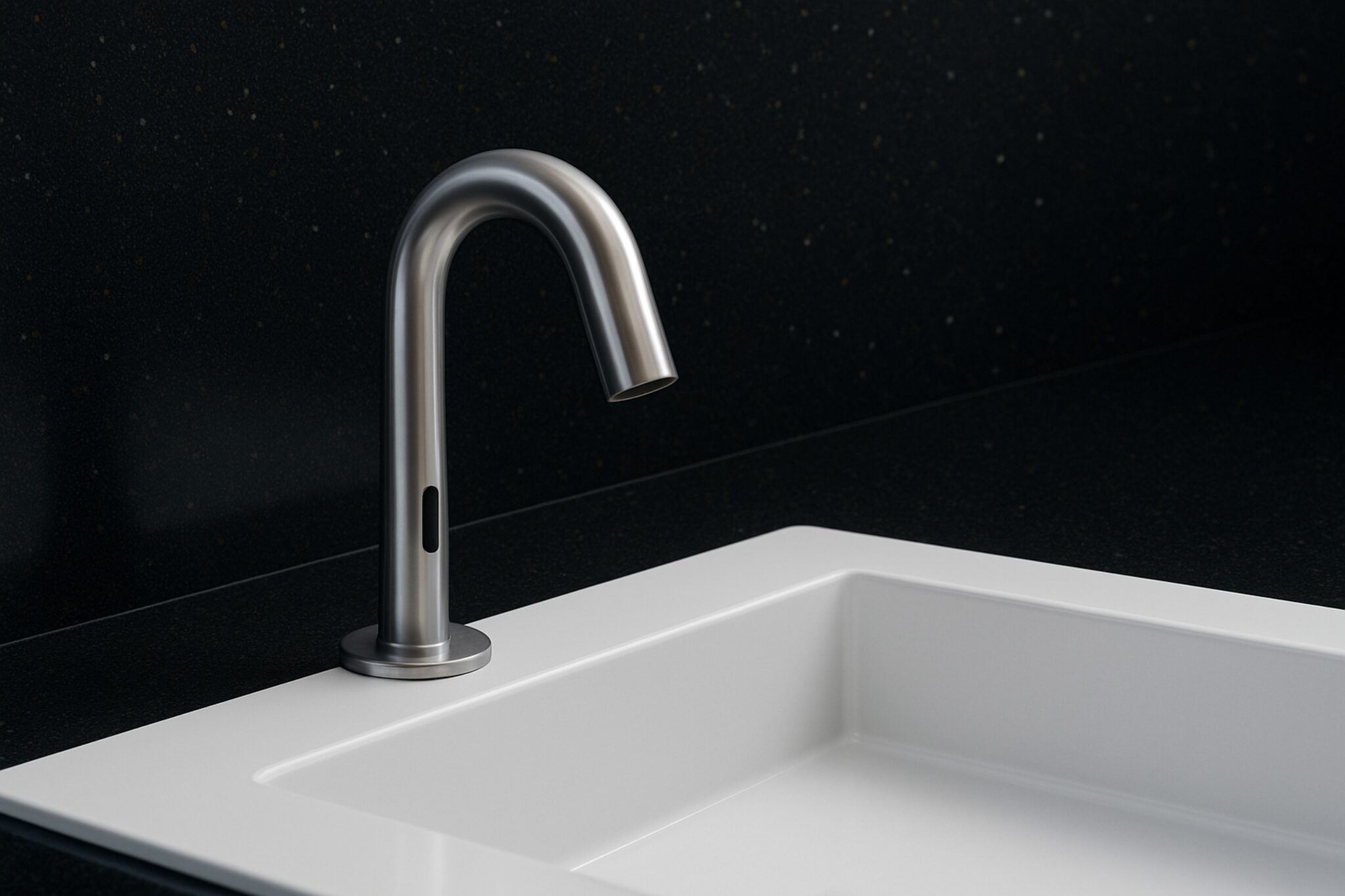
Premium material build means metal housings such as stainless steel, with robust internal components and documented commercial installation support.
Budget material build means thin plastic housings, lighter duty internals, and limited documentation, often targeted to residential or light commercial use.
Both can be appropriate. The difference is matching durability to traffic level, abuse risk, and maintenance capacity.
Material tiers: what counts as commercial durable
Tier 1: Stainless steel housings
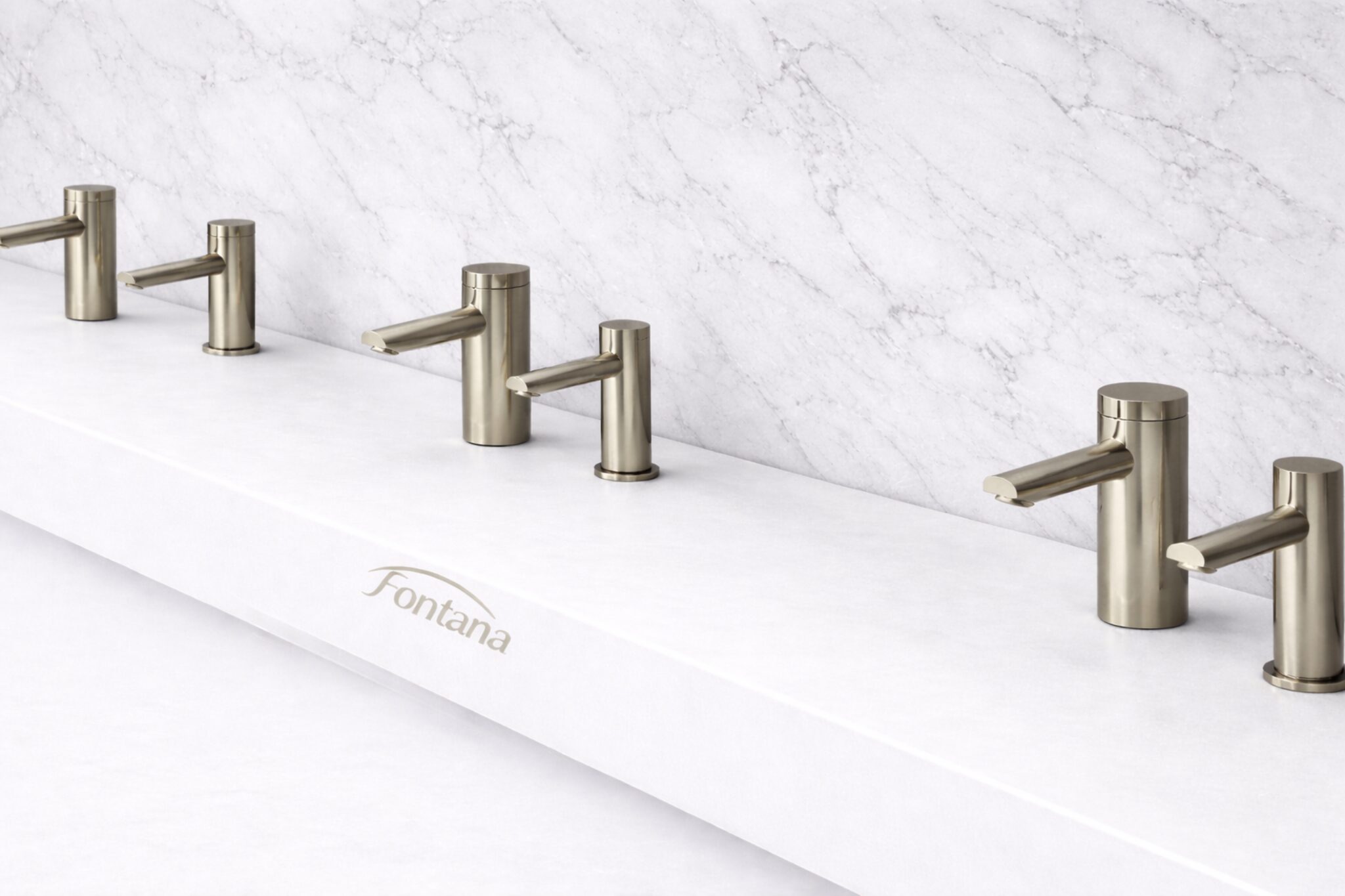
Stainless steel housings are common in commercial automatic dispensers because they resist corrosion, handle frequent cleaning, and tolerate higher impact than many plastics. In public restrooms, stainless is also used in tamper resistant and vandal resistant dispenser designs.
Stainless selection matters. Many restroom products use 304 stainless, which performs well in many indoor environments but can be challenged by higher chlorides or harsh chemical exposure. Alloy selection guidance often notes that 304 and 304L are widely used successfully in fresh waters with low chloride levels, and higher chlorides increase risk of pitting and crevice corrosion.
Where stainless performs best:
- Airports, campuses, stadiums, transit hubs
- High humidity restrooms with frequent cleaning
- Facilities where vandal resistance is a concern
- Projects that need long term appearance consistency
Common risks to manage:
- Chloride heavy environments and harsh cleaners can accelerate corrosion at seams and crevices
- Poor mounting that allows flex can loosen fasteners over time
Tier 2: ABS plastic housings
ABS is widely used for dispenser bodies because it is impact resistant and cost effective. ABS is an engineering thermoplastic known for toughness and rigidity, but its long term performance depends heavily on wall thickness, internal ribbing, and how the unit is mounted.
ABS chemical compatibility should be checked against the cleaning program. Chemical exposure is a major cause of plastic discoloration and embrittlement in commercial restrooms.
Where ABS performs best:
- Medium traffic restrooms with controlled cleaning routines
- Back of house restrooms where appearance is less critical
- Projects that prioritize cost control with planned replacement cycles
Common risks to manage:
- Brittleness and cracking at screw bosses if over tightened
- Finish appearance aging faster under strong disinfectants
- UV exposure near daylight can discolor some plastics over time
Tier 3: Brass body and brass pump assemblies
Brass is often used for pump mechanisms and some heavy duty dispenser bodies because it supports tight tolerances and durability under repetitive cycling. In many commercial designs, a metal housing is paired with brass internal pump parts to reduce leakage and extend service life.
Where brass internals perform best:
- High use restrooms where cycle count is high
- Facilities that need predictable dosing over time
- Environments where leaks create liability and housekeeping issues
Common risks to manage:
- Compatibility with soap chemistry and residue buildup
- Serviceability and access to replacement pump components
Quick comparison
Stainless Steel
Best for high traffic, better finish retention, stronger against repeated public use.
ABS
Best for moderate traffic and budget control when cleaning routines are compatible.
Brass
Best where pump durability, leak resistance, and dosing consistency matter most.
Finish durability: what specifiers should actually evaluate
Many projects choose finishes for aesthetics, but the long term look is controlled by finish technology and cleaning chemistry.
Common finish technologies used on stainless or metal housings include:
PVD coatings
PVD finishes are often specified for durability and scratch resistance in high touch restroom products. Manufacturers and restroom product suppliers note PVD for long term durability and resistance to harsh chemicals in high traffic settings.
Powder coating
Powder coating is used for matte black and color finishes. Performance depends on surface prep, coating thickness, and chemical resistance. It can look strong in design packages but may show abrasion at touch points faster than metallic finishes.
Brushed versus polished stainless
Brushed stainless can hide scratches and fingerprints better than polished finishes. Polished surfaces can show water spots and fingerprints more clearly, which affects perceived cleanliness in public restrooms.
Finish selection checklist:
- Confirm the cleaning chemical program early
- Avoid finishes that require gentle cleaning in restrooms cleaned aggressively
- Prefer finishes that hide wear if traffic is heavy
- Require manufacturer cleaning instructions in closeout documents
Technical differences that drive durability in the field
Construction and mounting stiffness
Material durability depends on how the unit is built and mounted.
Key failure points:
- Thin plastic housings flexing and cracking at fasteners
- Stainless housings that dent if the gauge is too light
- Loose mounting that causes micro movement and damages wall anchors
High risk environments often justify tamper resistant housings and locking covers.
Sensor window performance and cleaning
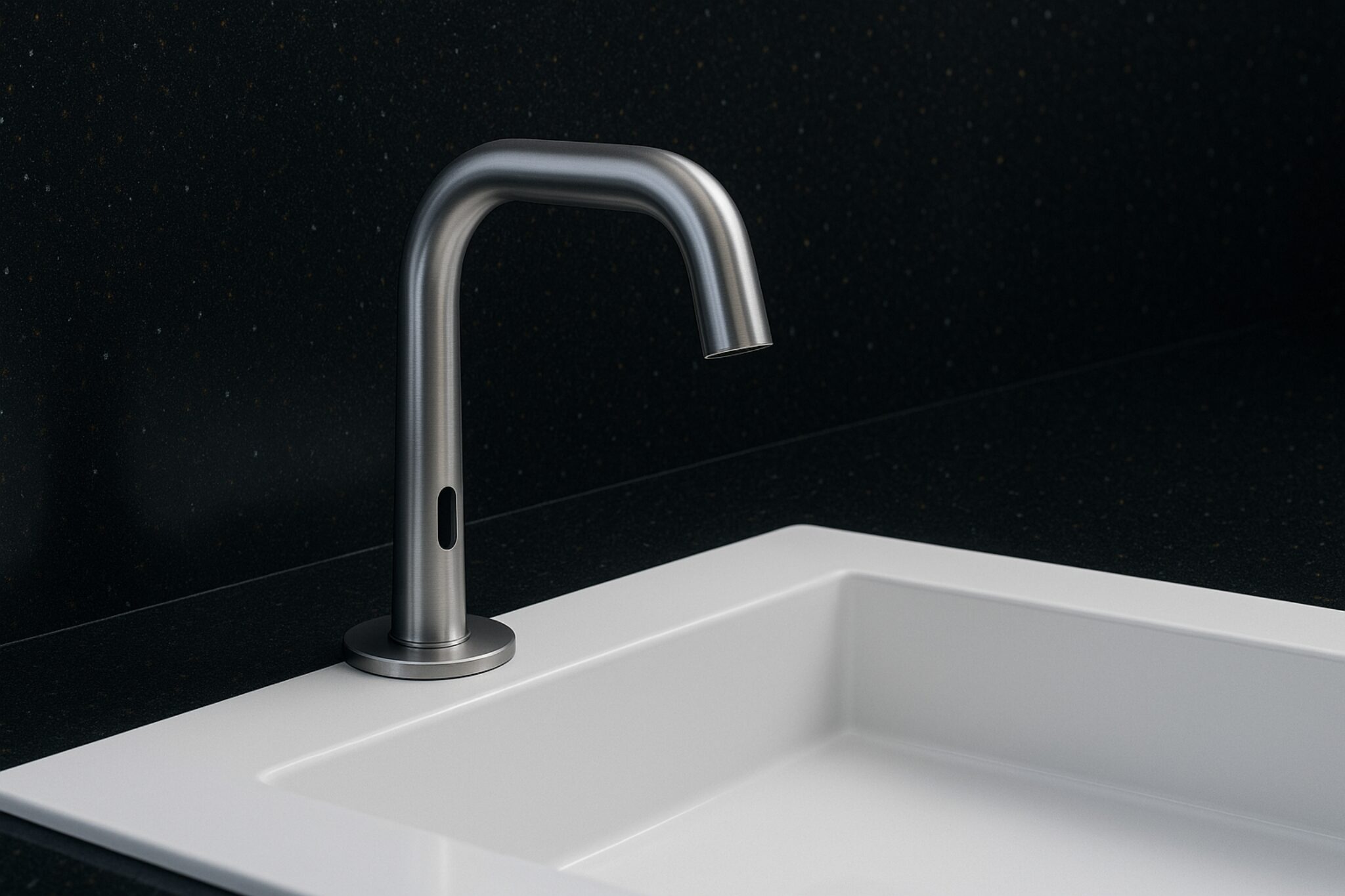
Automatic dispensers depend on stable sensor behavior. The sensor window area is cleaned frequently, and harsh cleaners can haze plastic lenses or damage coatings. AEC teams should confirm:
- Replaceable sensor lenses where possible
- Clear cleaning guidance for staff
- Access for battery replacement without dismantling the unit
Soap chemistry and clogging behavior
Foam and liquid soaps behave differently. Viscosity, additives, and dilution can affect valve performance and prime stability. If the owner plans to change soaps often, select systems designed for that variability and document compatibility requirements in the O and M manual.
Hygiene note: bulk refill and contamination risk
Material selection is only part of hygiene performance. Refill practices matter, especially for open refill systems. A peer reviewed study in Applied and Environmental Microbiology reported that bulk soap refillable dispensers can be prone to extrinsic bacterial contamination and evaluated hand contamination and transfer after use of contaminated bulk soap.
A separate field study evaluated microbial quality of open refillable bulk soap in food service environments and discusses factors that contribute to contamination risk.
For AEC teams, the practical takeaway is simple:
- If a dispenser will be refilled on site, require a defined refill and cleaning protocol
- Prefer sealed refill systems in healthcare sensitive zones when owner policy requires it
- Coordinate with infection control standards where applicable
Accessibility and placement: materials do not fix a bad mounting height
Even the most durable dispenser fails as a specification choice if it is installed outside reachable ranges. The Access Board notes that reach range requirements apply to operable portions of elements, including controls and sensors.
Bobrick’s accessible restroom planning guide provides typical placement guidance and highlights that operable parts for dispensers should be within accessible limits.
Specifiers should coordinate:
- Operable portion height above finished floor
- Mounting relative to grab bars and accessories
- Avoiding over obstruction conditions such as deep counters
When to specify stainless steel, ABS, or brass body systems
Specify stainless steel housings when:
- The restroom is high traffic or public facing
- Vandal resistance is a concern
- Cleaning is frequent and aggressive
- Long term appearance consistency is important
Specify ABS housings when:
- The restroom is moderate traffic and controlled
- The owner accepts planned replacement cycles
- Cleaning chemistry is compatible and documented
- Cost control is a priority in back of house zones
Specify brass body or brass pump focused designs when:
- Leak resistance and cycle durability are critical
- The facility needs consistent dosing over high use periods
- Service staff can access and maintain pump components
| Option | Best use case | Main value | Tradeoff to review |
|---|---|---|---|
| Stainless steel housing | Public, high traffic, or abuse prone restrooms | Longer life and stronger appearance retention | Needs proper grade and finish selection |
| ABS housing | Moderate duty or budget focused spaces | Lower upfront cost | Can age faster under harsh cleaning or impact |
| Brass heavy duty internals | High cycle use with strong performance demands | Better mechanical consistency | Soap compatibility and service access still matter |
Example basis of design and category references
Commercial multi-feed and centralized systems change durability needs because technicians service housings less often, while tubing and pump systems become critical.
Commercial bulk dispensing system reference.
Category page for commercial soap dispensers.
Stainless steel automatic dispenser category example.
Conclusion
Material and finish selection for automatic soap dispensers is a durability decision first and an aesthetic decision second. Stainless steel housings tend to perform best in high traffic, high cleaning environments. ABS can perform well in moderate duty spaces when the housing design is robust and cleaning chemistry is compatible. Brass body and brass pump designs matter most where dosing consistency and leak resistance drive operational cost.
For AEC teams, the most reliable outcomes come from coordinating four factors early: expected abuse level, cleaning program, accessibility placement, and the owner’s refill protocol. When those inputs are aligned, dispenser durability becomes predictable and lifecycle performance improves.