Multi-Feed Soap Dispenser Systems: How One Reservoir Supplies Multiple Automatic Dispensers
Multi-feed soap dispenser systems help large restrooms stay cleaner, easier to maintain, and better supplied during busy hours. This layout keeps the content customer-facing, easy to scan, and ready for publishing while preserving the core information already in your post.
Overview
Automatic soap dispensers are now common in commercial restrooms, but refilling them one by one often creates extra labor and uneven soap availability. In high-traffic settings, individual units can run empty at different times, leaving parts of the sink line out of service.
Multi-feed soap dispenser systems solve that problem by allowing one bulk reservoir to supply multiple automatic dispensers. Instead of checking and refilling each dispenser separately, maintenance teams service one main tank that supports the full sink zone. When planned correctly, this improves uptime, reduces refill labor, and supports a cleaner restroom layout.
Working definition
In this article, a multi-feed soap dispenser system means a centralized soap supply arrangement where:
- One bulk reservoir supplies multiple automatic dispensers
- Each dispenser receives soap through dedicated tubing
- Refill happens at one service point
- Individual cartridges are eliminated
This is different from informal bulk refill bottles. Multi-feed systems are engineered commercial solutions built for repeatable performance and controlled maintenance.
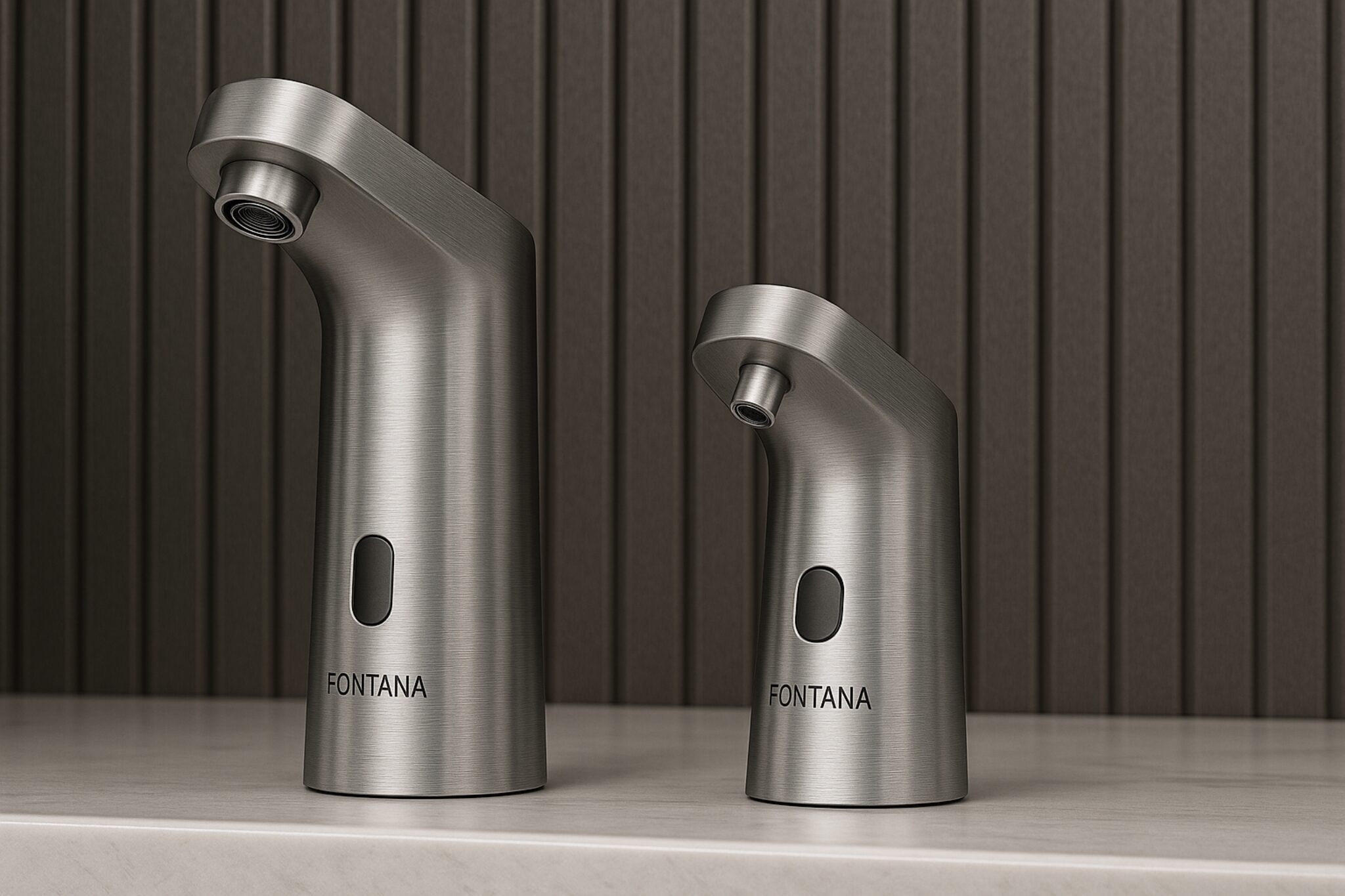
Typical applications for multi-feed systems
Multi-feed systems are commonly specified in restrooms with long sink runs, high daily handwashing volume, dedicated maintenance staff, and a design goal of reducing visible countertop accessories.
Common settings
- Airports and transit facilities
- Stadiums and arenas
- Universities and K-12 campuses
Also used in
- Hospitals and outpatient facilities
- Convention centers
- Corporate headquarters with shared restrooms
System components and basic operation
Most commercial multi-feed systems include a high-capacity soap reservoir, a fill port or top-fill access point, tubing for each dispenser, a pumping method, check valves, and a level indicator.
- Reservoir capacity is often in the 3 L to 10 L range
- Soap travels through distribution tubing to each dispenser
- Pumping may be centralized or integrated at each dispenser
- Check valves help reduce backflow and dripping
- Visual or electronic level indication supports maintenance planning
Depending on the manufacturer, one reservoir may support six to ten dispensers or more.
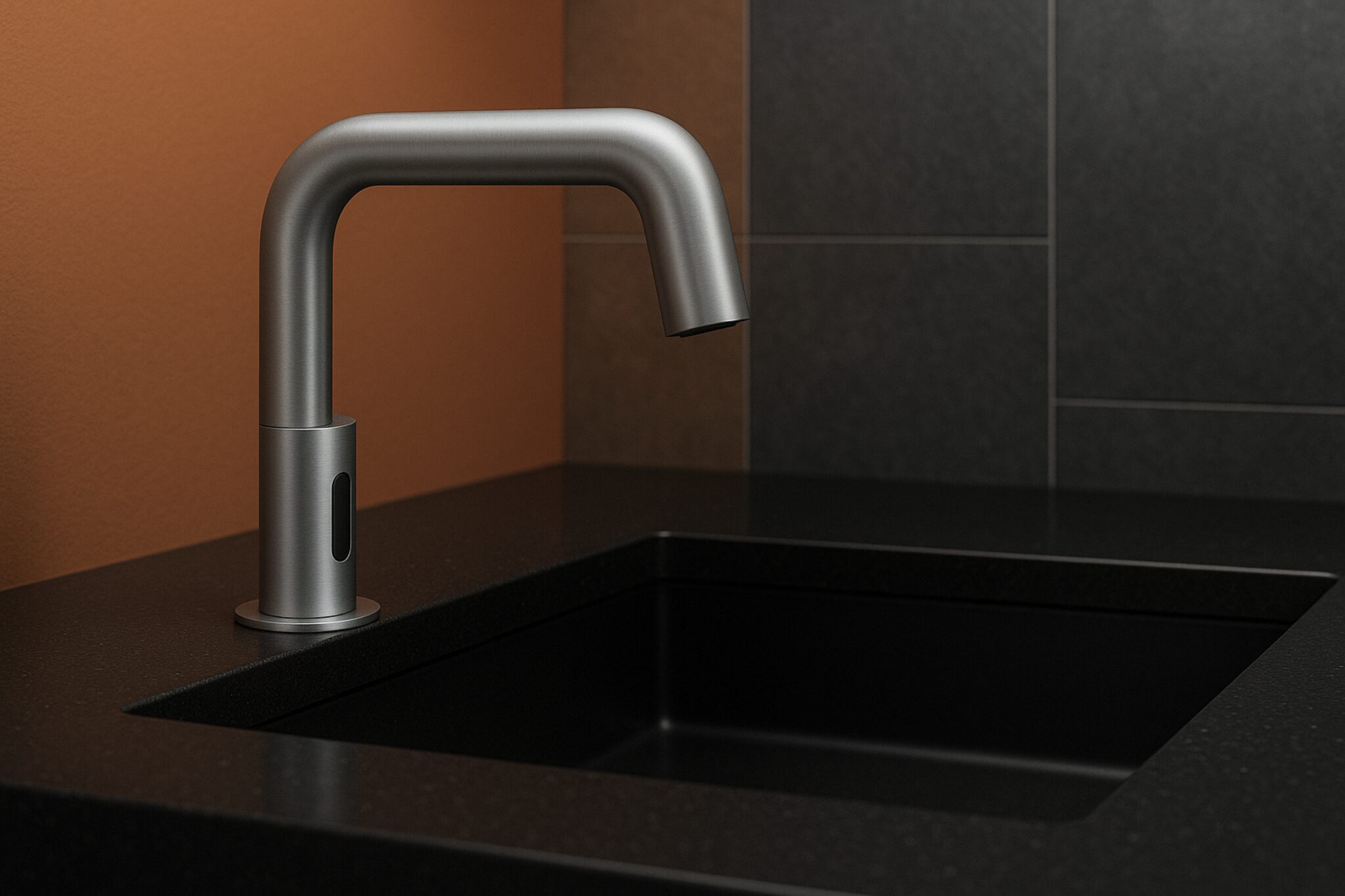
Why multi-feed systems are specified in commercial restrooms
Reduced maintenance labor
Servicing one reservoir instead of several individual cartridges reduces refill time and lowers the chance of missed dispensers.
More consistent soap availability
All connected dispensers are replenished from the same supply point, which helps keep soap available across the full sink run.
Cleaner visual integration
With soap stored remotely, the visible dispenser can stay compact. This supports modern restroom layouts with less clutter.
Predictable operations
Centralized refill routines make inventory planning easier and support more consistent maintenance schedules.
Common multi-feed layout strategies
Under-counter reservoir with top-fill access
The reservoir is placed inside the vanity or cabinet, with refill access from above or through a service panel. This is one of the most common approaches in commercial interiors.
Remote reservoir in service space
In some layouts, reservoirs are placed in service chases or janitor spaces. This requires careful tubing coordination and protection.
Mixed dispenser mounting types
Some systems support both deck-mounted and wall-mounted dispensers from one reservoir. Foam and liquid compatibility should always be confirmed before final selection.
Engineering factors that affect performance
Reservoir sizing
Proper sizing depends on the number of connected dispensers, expected daily usage, dose size, soap type, and maintenance frequency. Larger reservoirs reduce refill frequency but place more importance on correct cleaning and refill procedures.
Tubing routing and protection
- Follow the manufacturer’s tubing length limits
- Avoid sharp bends and pinch points
- Protect tubing at casework penetrations
- Label lines clearly for future maintenance
- Provide as-built diagrams at closeout
Pump behavior and priming
- All lines should be fully primed
- Dose volume should stay consistent across dispensers
- Furthest dispensers should not have long delays
- Dripping after shutoff should be avoided
Soap compatibility
Bulk soaps can vary in chemistry and viscosity, so approved soap types, foam-versus-liquid compatibility, chemical resistance, and owner standardization should all be confirmed early.
Hygiene and contamination considerations
Centralized reservoirs are not the same as informal bulk refill bottles, but refill protocol still matters. Poor refill practices can create contamination risks, especially when systems are topped off without cleaning.
- Avoid refill methods that encourage topping off without cleaning
- Require documented refill and cleaning procedures
- Coordinate with infection-control policies in healthcare projects
- Prefer closed reservoirs with controlled access
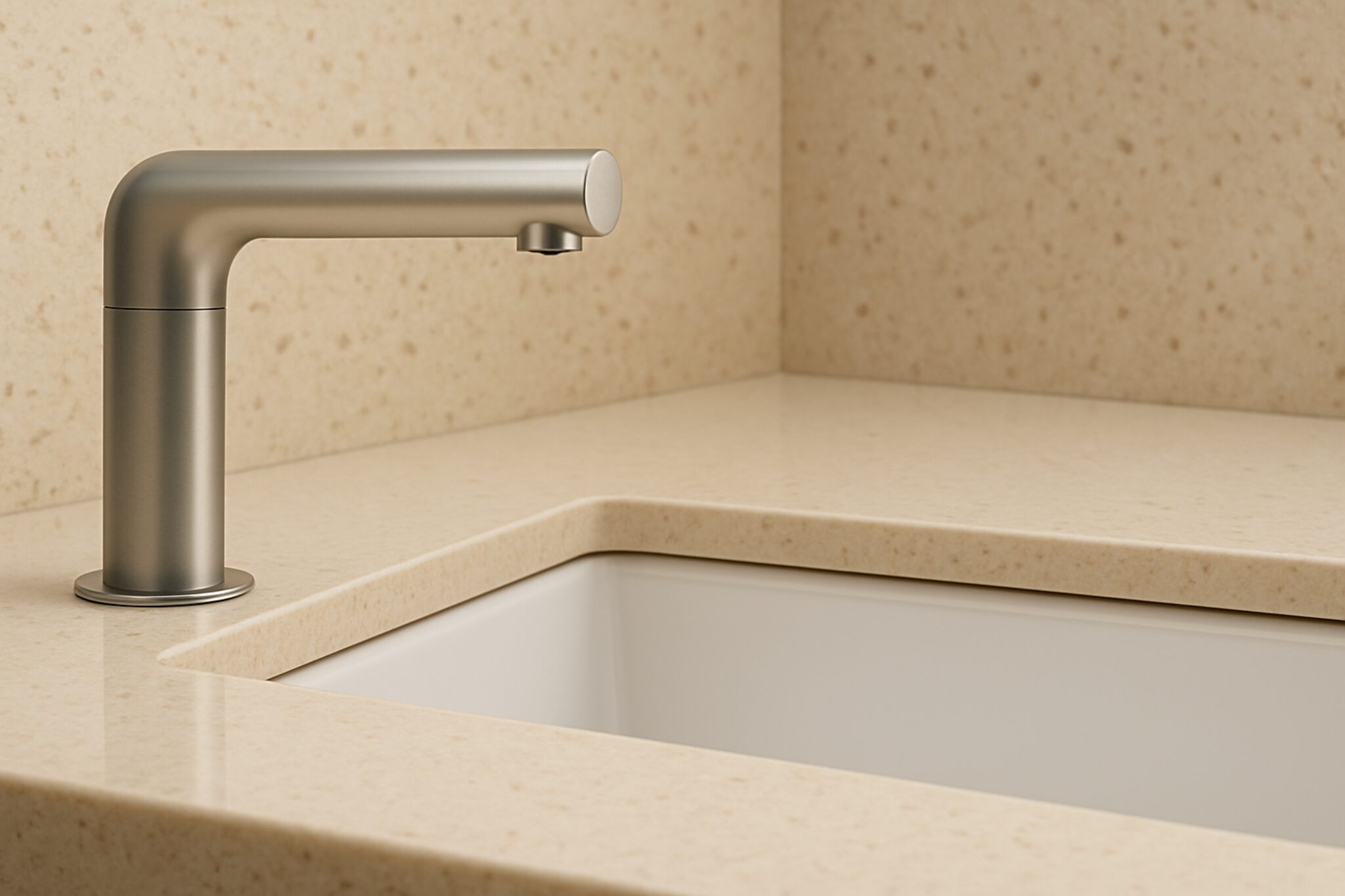
Design integration checklist for specifiers
Schematic design
- Confirm dispenser mounting type
- Confirm owner preference for centralized refill
- Identify maintenance access strategy
Design development
- Coordinate reservoir location with casework
- Confirm tubing routing paths
- Confirm power strategy for automatic dispensers
- Confirm soap type and compatibility
- Specify level indication if required
Construction documents
- Include system diagrams
- Require tubing length limits in submittals
- Include priming and commissioning requirements
Closeout
- Deliver as-built diagrams
- Provide refill and cleaning procedures
- Identify replacement tubing and fittings
- Confirm staff understanding of service requirements
When multi-feed systems are appropriate
Well suited for
- High-traffic public restrooms
- Long sink runs
- Facilities with full-time maintenance staff
- Projects prioritizing uptime and appearance
Less suitable for
- Small restrooms with low usage
- Facilities without maintenance capacity
- Projects with frequent soap changes
Reference sources
These can be kept as clean external reference buttons instead of showing long raw links in the body copy.
Conclusion
Multi-feed soap dispenser systems improve soap availability, reduce refill labor, and support cleaner restroom design when they are planned as coordinated systems rather than added as an afterthought. Reliable performance depends on reservoir sizing, tubing layout, pump behavior, soap compatibility, and consistent refill procedures.
For design teams and facility operators, treating soap dispensing as part of the broader plumbing, maintenance, and casework strategy leads to more predictable long-term performance in commercial restrooms.