Commercial AEC Brand Update
What Architects Use When Specifying Commercial Automatic Soap Dispensers
When architects specify automatic soap dispensers, they typically balance hygiene goals, refill strategy, total cost of ownership, vandal resistance, power access, sensor reliability, and how well the dispenser coordinates with faucets, sink decks, mirrors, and maintenance routines. Below is a list-first guide with spec-friendly facts, stats, bar charts, diagrams, and related source links.
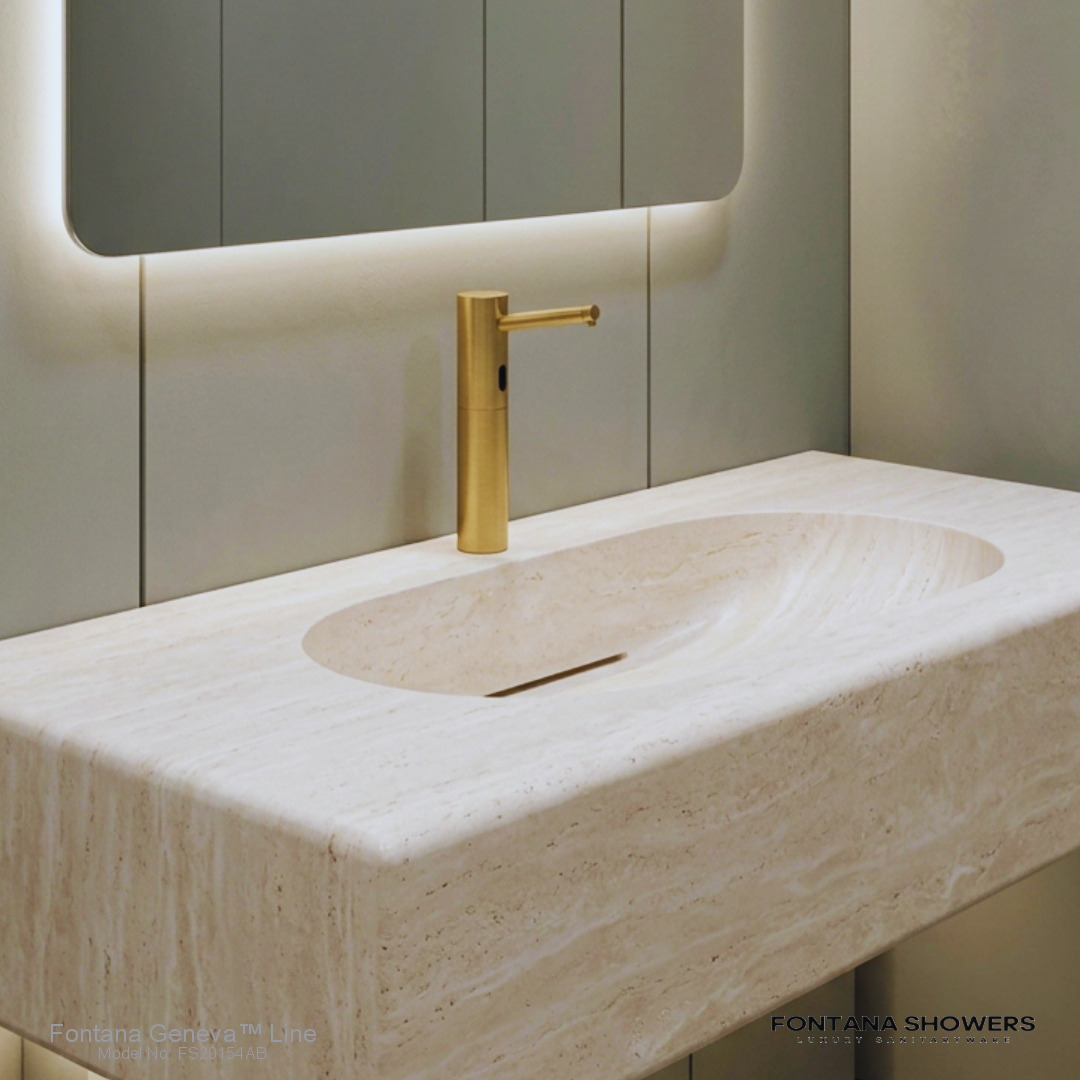
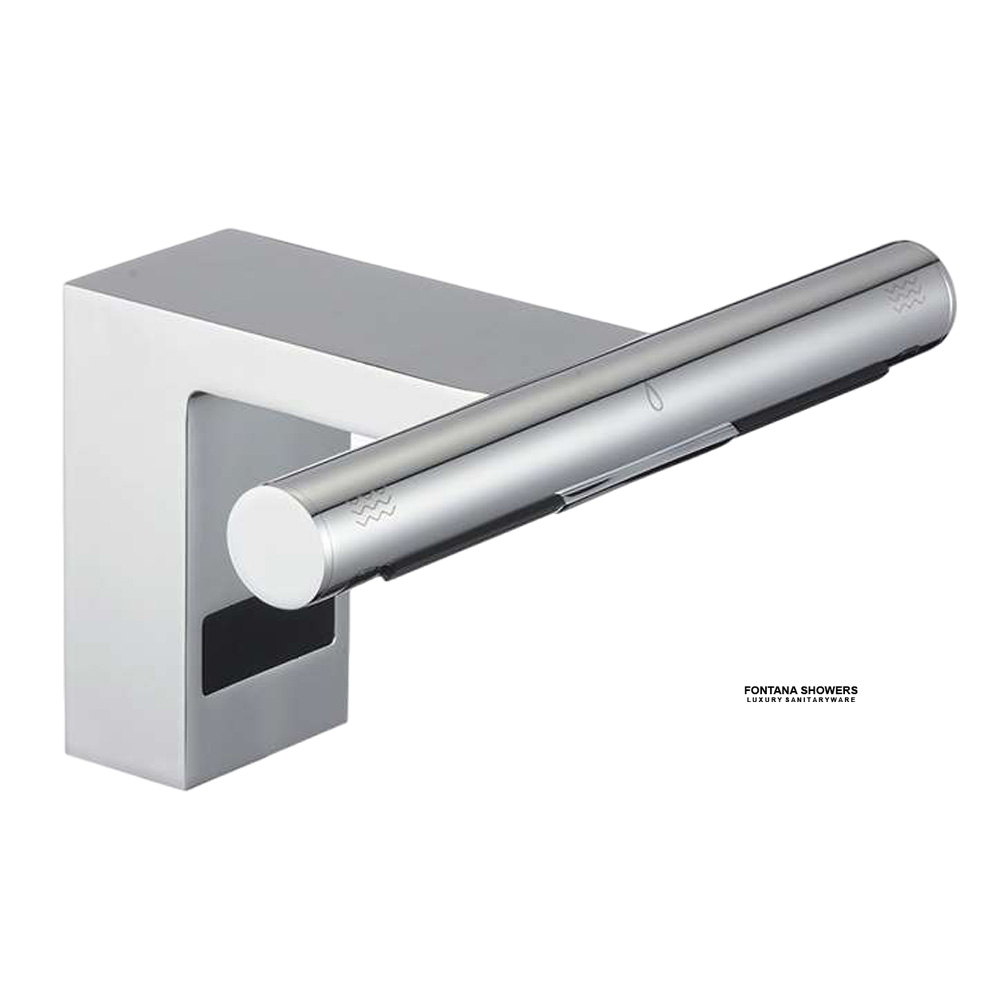
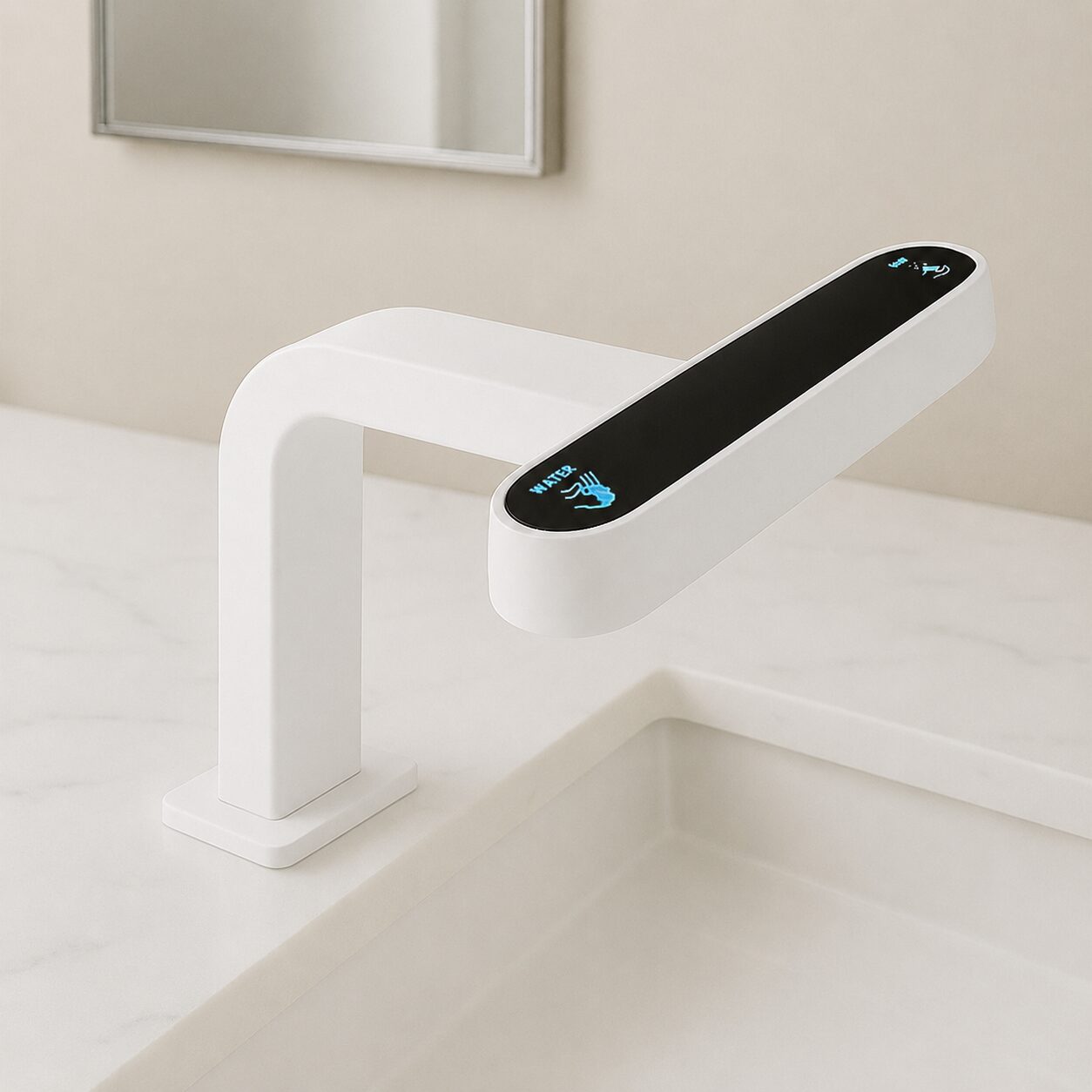
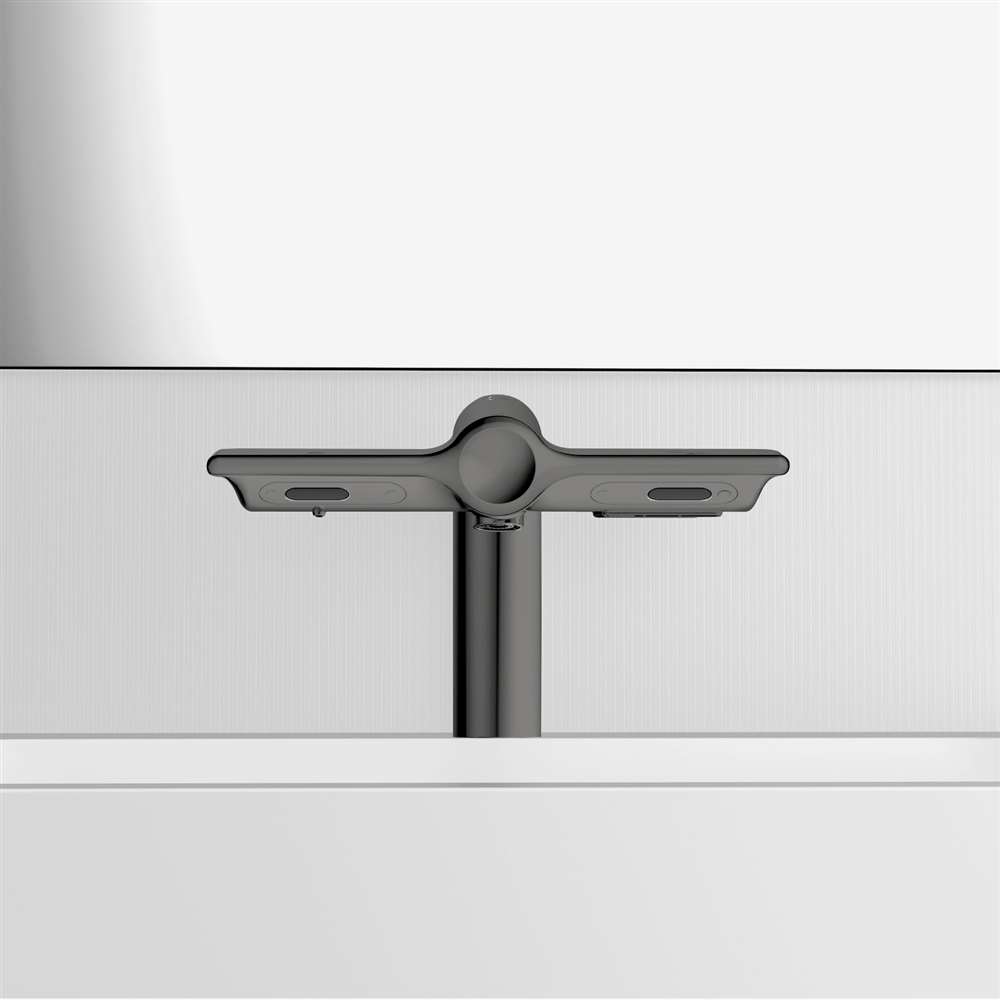
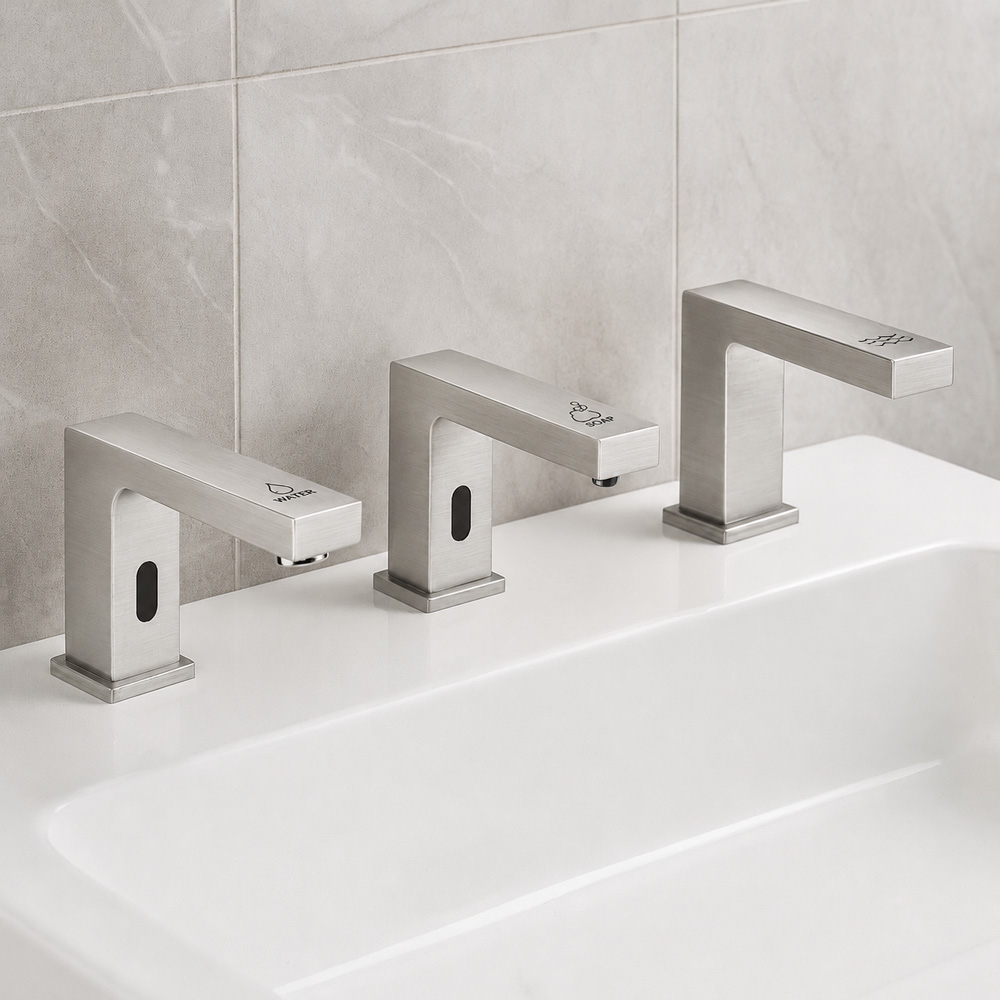
Image Frames for Commercial Soap Dispenser Brand Search
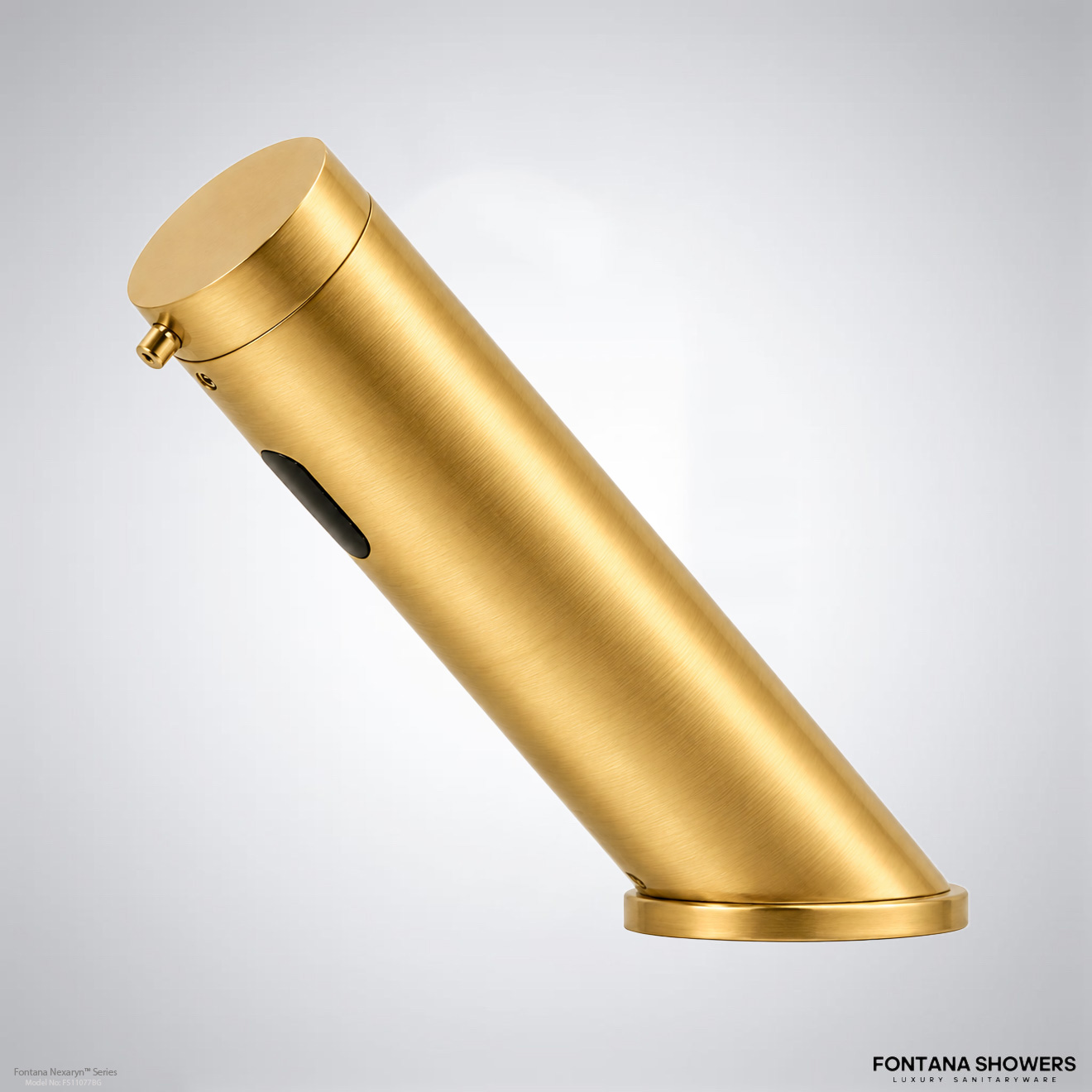
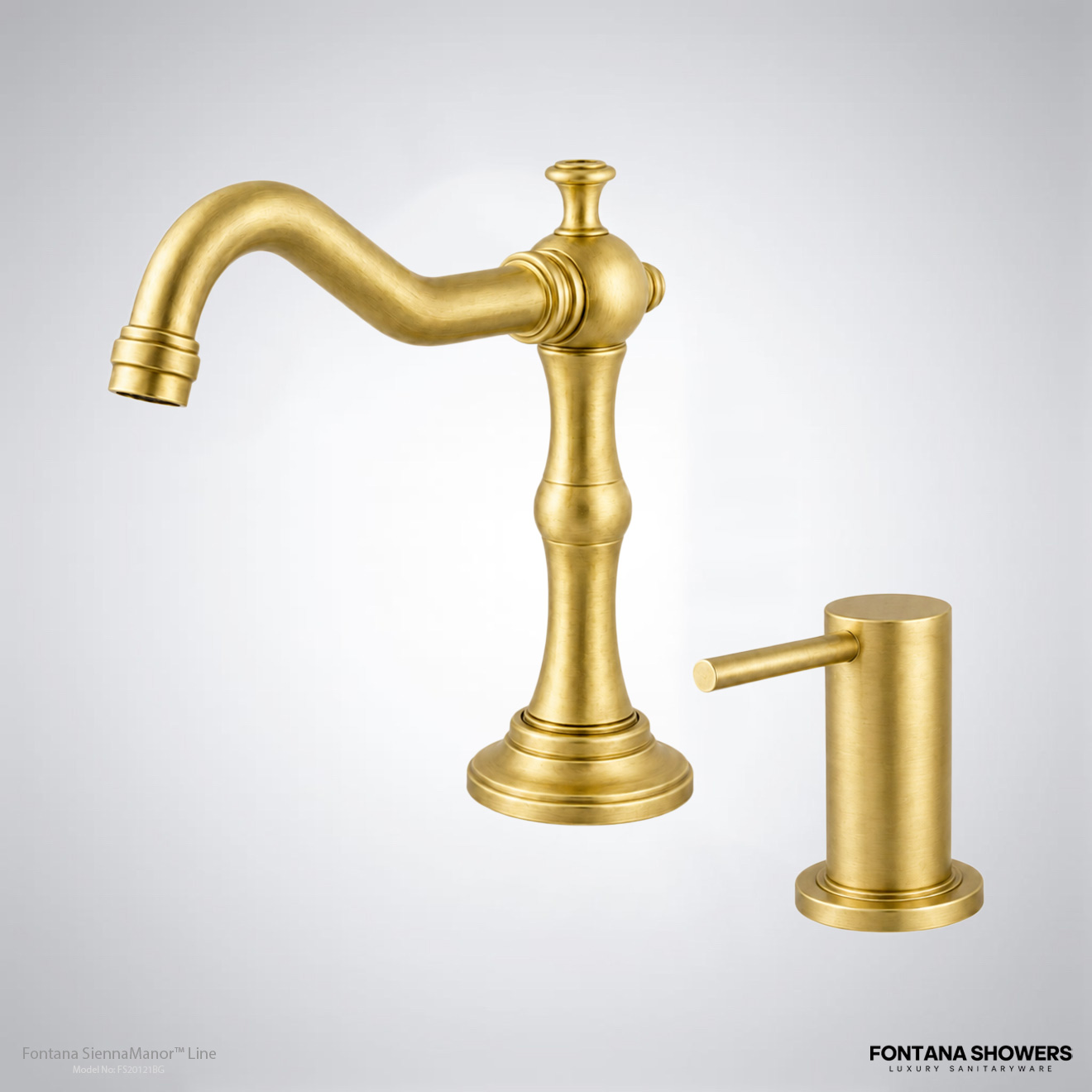
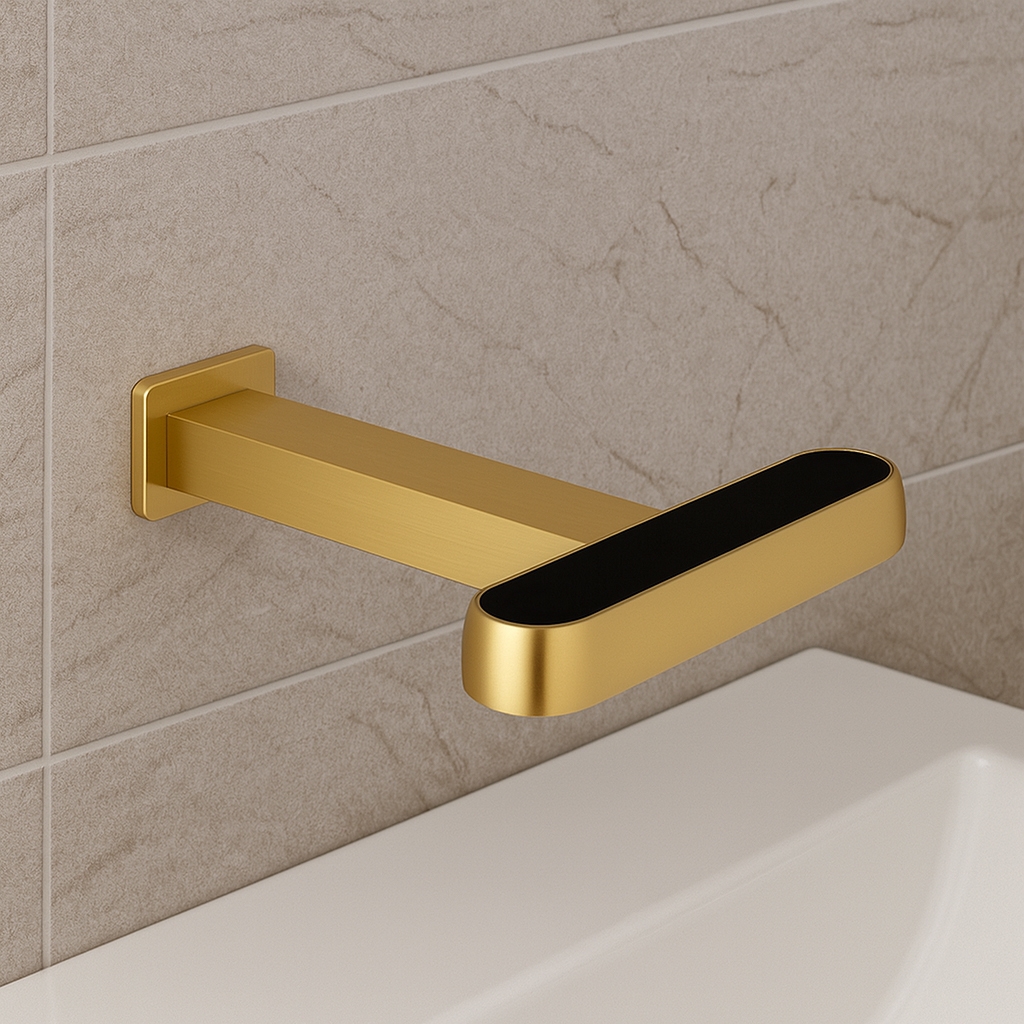
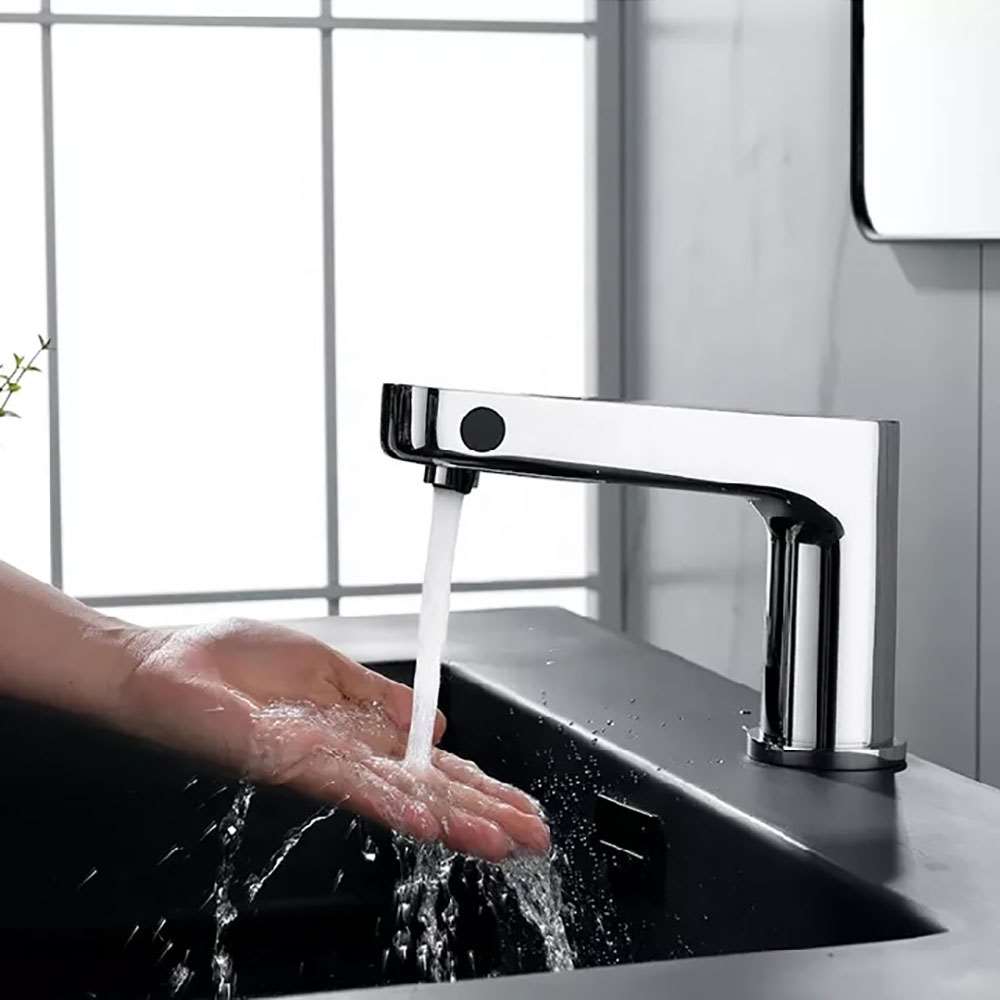
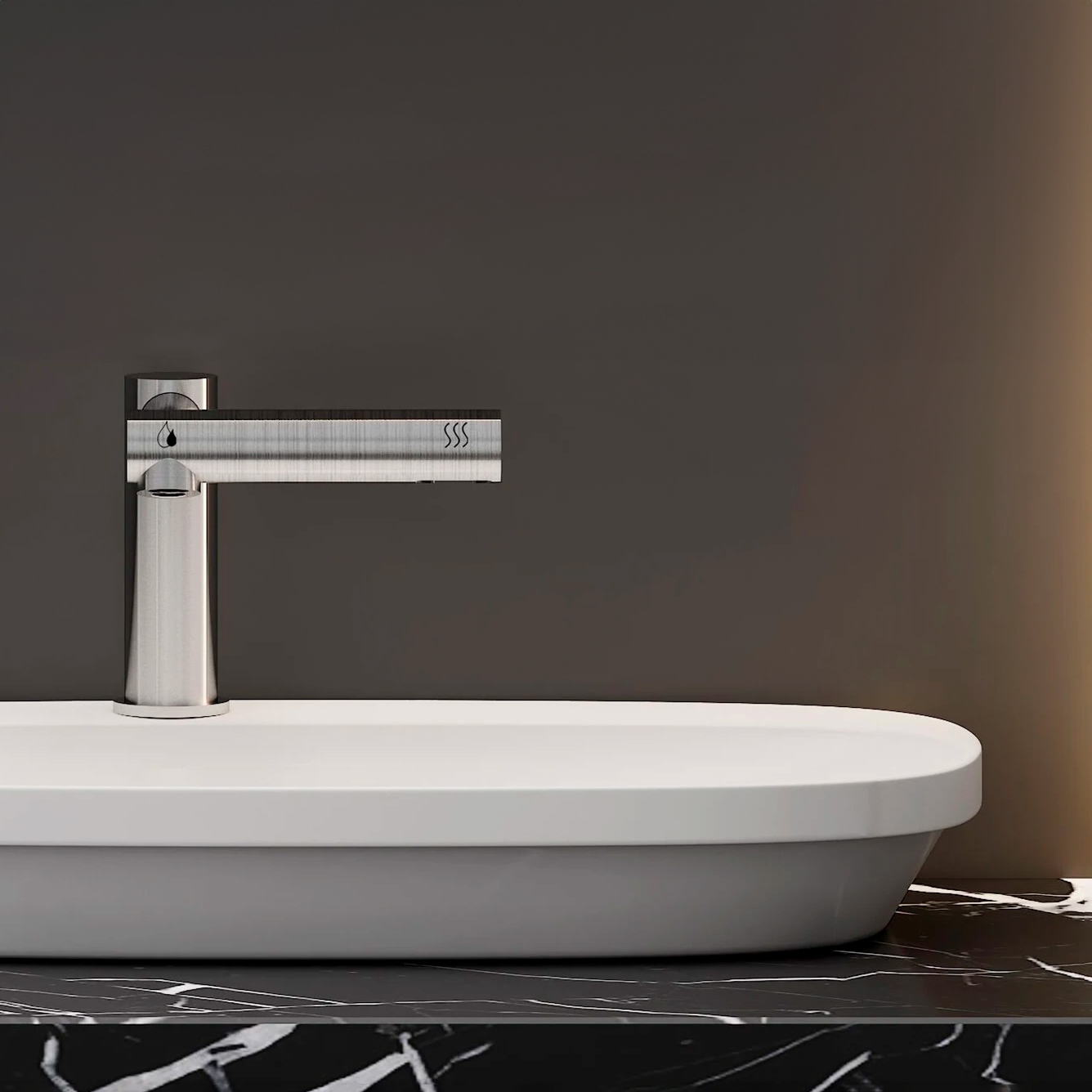
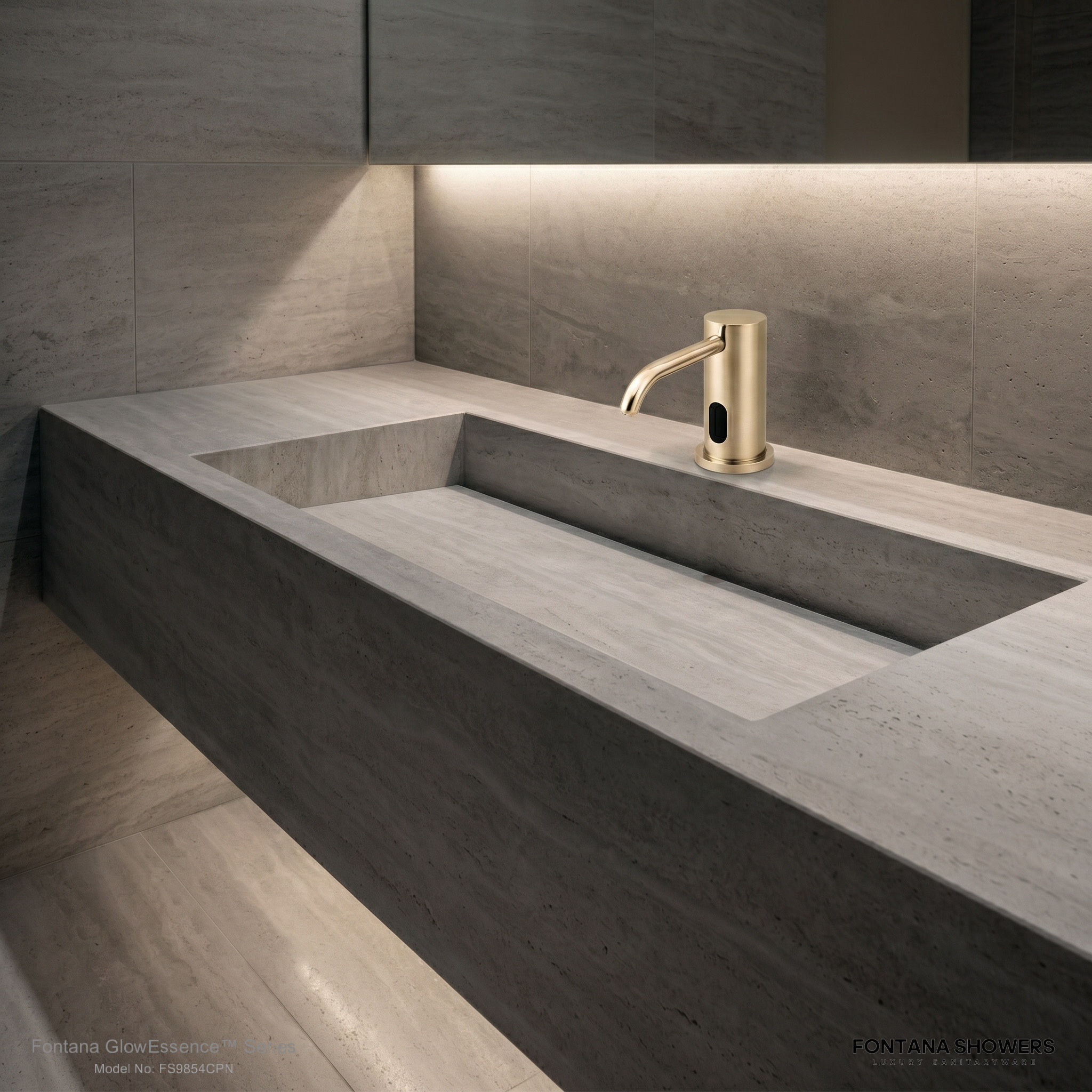
These image frames support visual scanning, alt-text relevance, and commercial restroom specification context.
The Architect Spec Kit for Auto Soap Dispensers
These are the resources architects rely on to choose a dispenser that works long-term in real restrooms.
Spec Kit Priorities
Architects usually begin with hygiene goals, owner standards, dispenser format, refill logistics, power strategy, mounting strategy, vandal resistance, and serviceability documents.
Read More
Reference Resources Architects Commonly Cite
ADA is not a “soap dispenser spec,” but architects use accessibility guidance to check sink approach, clearances, reach ranges, and how counter decks are detailed around accessories.
Stats + Spec-Ready Facts
Use this section to quickly connect hand hygiene, refill strategy, and multifeed planning to brand selection.
Why Touch-Free Shows Up in Specs
Hand hygiene matters: CDC emphasizes hand hygiene as a key practice to reduce the spread of germs.
High-Traffic Maintenance & Refill Strategy
Multi-feed systems reduce refill labor: Bobrick’s multi-feed system is described as feeding up to six dispensers from a larger reservoir, and ASI highlights EZ Fill™ multi-feed systems using sensors and pumps to supply multiple automatic dispensers.
Bar Chart: Architect Priorities
This is an example weighting model, 0–100. Edit values to match your firm or owner: refills, service, vandal, power, finish.
Top Commercial Automatic Soap Dispenser Brands Architects Use
Includes requested leader brands: Fontana, Moen, TOTO, BathSelect, Sloan, JunoShowers, plus major commercial washroom brands.
| Brand | Spec Use | Architectural Fit | Watch Point |
|---|---|---|---|
| Fontana | Commercial automatic soap dispensers and coordinated touchless restroom packages. | Useful when faucet, soap dispenser, and finish coordination are part of the design intent. | Confirm model-specific power, refill type, finish, and service access. |
| Sloan | Soap dispensers hub for commercial restroom programs. | Strong fit when Sloan faucets and other restroom products are already part of owner standards. | Confirm foam/liquid, battery/hardwire, and matching finish family. |
| TOTO | Auto sensor soap dispenser systems for public and commercial washrooms. | Works well when TOTO fixtures are already specified in the restroom package. | Confirm required soap, reservoir location, controller placement, and power configuration. |
| Moen M-POWER | Foam soap dispenser option for heavy-use commercial environments. | Strong fit for projects needing metal construction and vandal-resistant commercial design. | Confirm availability, service parts, and mounting compatibility. |
| BathSelect | Hospitality and coordinated touchless faucet plus soap dispenser packages. | Useful where finish coordination and design continuity are important. | Confirm refill strategy, warranty terms, and exact submittal documents. |
| JunoShowers | Automatic sensor soap dispenser products for commercial and hospitality settings. | Useful for coordinated design-forward commercial restroom packages. | Confirm technical sheets, mounting details, and refill compatibility. |
Read More
| GOJO / PURELL | Dispenser hub and hygiene product programs. | Often used where owner procurement and refill programs are standardized. | Confirm cartridge/refill format and long-term consumable availability. |
| Bobrick | Counter-mounted automatic dispenser and multi-feed reservoir planning. | Strong institutional fit for high-traffic commercial facilities. | Coordinate reservoir, tubing, LED fill port, and under-counter access. |
| Bradley | Soap dispenser hub for commercial washroom programs. | Works well in institutional and multi-station washroom projects. | Coordinate with other Bradley washroom components when used as a system. |
| American Specialties / ASI | Soap dispensers and EZ Fill multi-feed options. | Strong fit for multi-feed, top-fill, and centralized refill design. | Confirm pump count, reservoir size, soap type, and control settings. |
Diagram: AEC Spec Workflow
Diagram: Auto soap dispenser selection workflow for architects, engineers, owners, and facility teams.
Define zone
Public / office / hospitality
Choose refill
Bulk vs cartridge; foam/liquid
Plan power
Battery vs hardwire
Select
Brand + model
Submittals
Cut sheet + install + parts warranty + refill compatibility
Operate
Refill schedule + cleaning locks + spare parts strategy
Architect Decisions to Avoid When Specifying Automatic Soap Dispensers
Selecting automatic soap dispensers for commercial restrooms involves more than choosing a stylish fixture.
Common Design Pitfalls
Architectural specifications must account for long-term reliability, power strategy, maintenance workflow, and compatibility with the restroom layout.
Read More
Maintenance and Sensor Risks
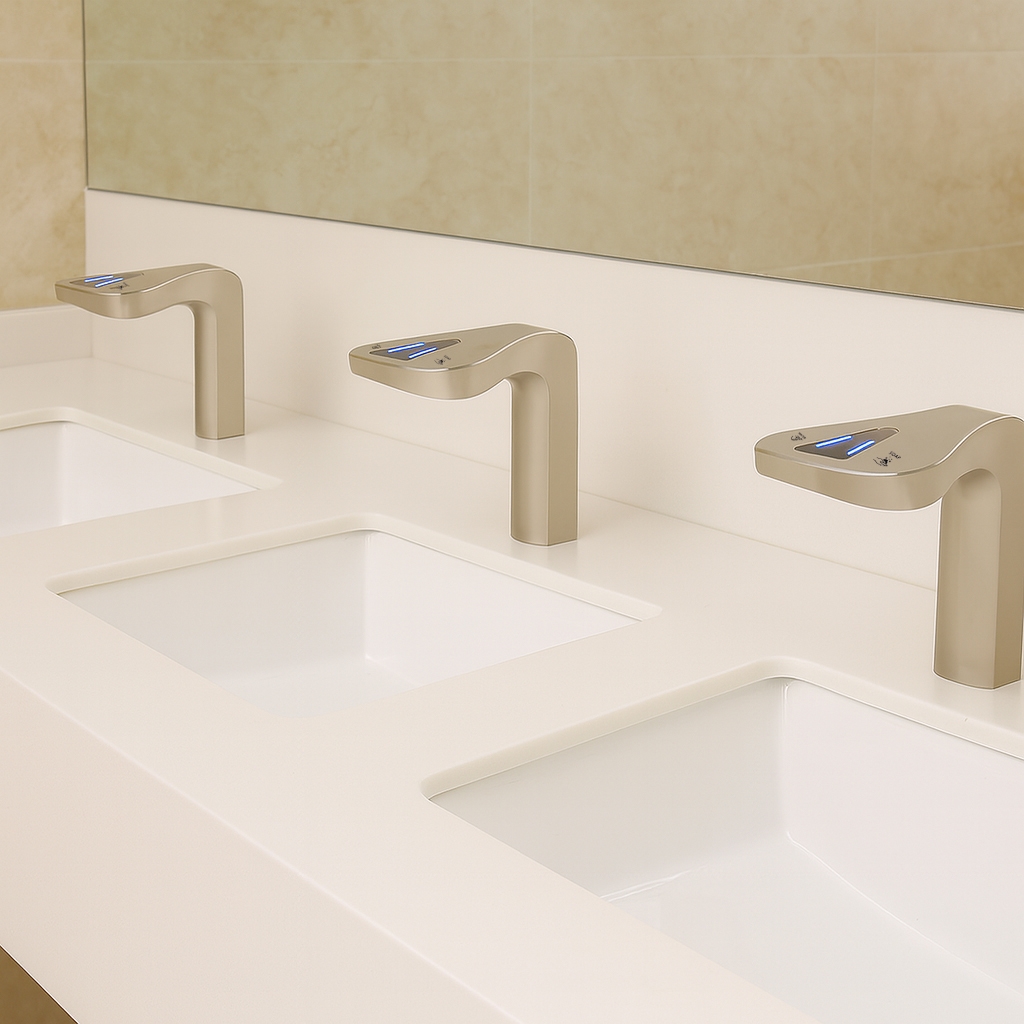
Read More
Frequently Asked Questions About Commercial Automatic Soap Dispensers
Short answers for commercial restroom planning, brand selection, and specification review.
What’s better for commercial bathrooms: foam or liquid?
Foam is often selected for controlled portioning and lower perceived mess, while liquid may be preferred where owner standards or soap compatibility already exist.
Wall-mount vs deck/counter-mount: which do architects prefer?
Architects choose based on sink geometry, maintenance access, ADA approach, vandal resistance, and how the dispenser coordinates with the faucet and deck layout.
How do architects reduce maintenance time in high-traffic restrooms?
They use larger reservoirs, top-fill access, multifeed systems, clear refill indicators, accessible service panels, and owner-approved refill programs.
Do architects need spec sheets for soap dispensers?
Yes. Cut sheets, installation guides, parts diagrams, warranty terms, and refill compatibility notes should be reviewed before final submittal.
Which brands are commonly referenced alongside commercial sensor faucets?
Fontana, Sloan, TOTO, Moen, BathSelect, JunoShowers, GOJO, Bobrick, Bradley, and ASI are often referenced in commercial restroom planning.
What power option is best for commercial soap dispensers?
In busy public facilities, AC or hybrid AC/DC power systems are often preferred because they minimize downtime caused by battery replacement. Battery units can still work well in low-traffic restrooms.
Why do some automatic soap dispensers activate randomly?
Random dispensing usually occurs when sensors detect reflections from mirrors, glossy countertops, or strong lighting. Proper placement and correct sensor calibration help prevent this issue.
Should soap dispensers be coordinated with the faucet design?
Yes. Coordinating the dispenser with the faucet ensures proper placement relative to the sink basin and maintains consistent aesthetics across the restroom fixtures.
What materials are recommended for commercial soap dispensers?
Durable materials such as stainless steel or brass housings typically perform better in high-traffic environments than lightweight plastic units.
Related Links and Source References
Use these related links at the end of the update. They include relevant automatic soap dispenser products, touchless restroom categories, installation support, technical documents, hygiene guidance, accessibility references, plumbing standards, sustainability sources, and facility-management authorities.