Commissioning Checklist: Initial Calibration, Hand-Wave Distance, Dispense Count Tracking

Commissioning Checklist: Initial Calibration, Hand-Wave Distance, Dispense Count Tracking

For

CommercialSoapDispenserAuto.com


Commissioning Checklist: Initial Calibration, Hand-Wave Distance, Dispense Count Tracking

Commissioning a sensor soap dispenser is not only confirming that it dispenses once. In real restrooms, performance changes with ambient light, reflective counters, basin geometry, and user approach patterns. The best commissioning routines verify three things:

  1. The dispenser calibrates correctly after installation and servicing
  2. The activation zone and hand wave distance match real user behavior at the sink
  3. Dispense counts and refill signals are tracked in a way that supports operations across buildings

The checklist below is written for AEC teams, commissioning agents, and facility managers who need repeatable results across multiple restrooms and multiple sites.


Pre commissioning setup

A) Confirm the installation context

  • Mounting type matches the submittal (wall, deck, recessed)
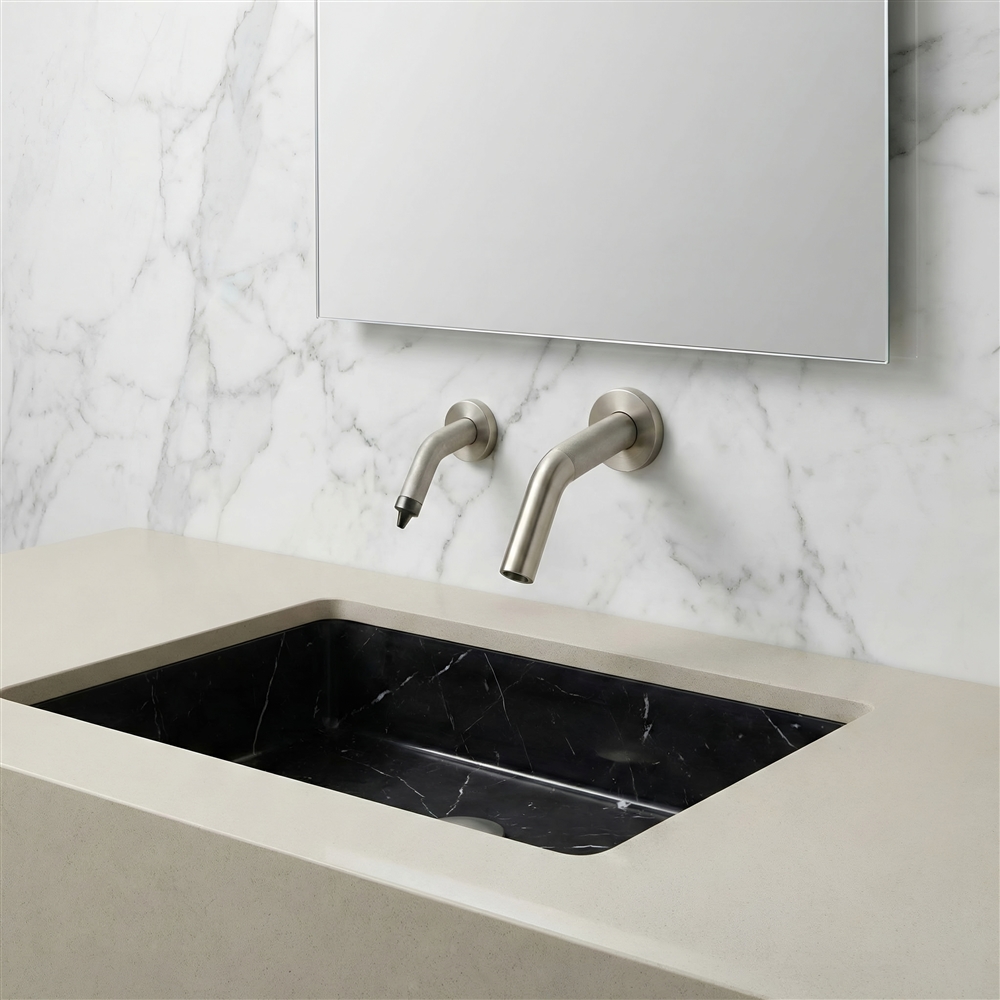
  • Dispense point is over the bowl, not over the counter deck
  • No obvious line of sight conflicts between the soap sensor and faucet water stream
  • No mirror glare or polished backsplash reflections aimed into the sensor window

B) Confirm power and service readiness

  • Batteries are installed correctly, or low voltage power supply is connected per manufacturer instructions
  • Cover closes fully and locks if the model uses locking access
  • Refill container is seated correctly and tubing is not kinked

Initial calibration and post service calibration checks

Why calibration matters

Some dispensers automatically calibrate to ambient conditions after the cover is closed. GOJO guidance notes that after servicing, the dispenser may take up to 30 seconds to properly activate once the cover is closed due to auto calibration to surrounding lighting conditions.

Bradley installation guidance for certain automatic dispensers describes a setup sequence where an LED flashes to indicate the environment has been detected and the sensor sets a suitable sensing distance automatically based on installation height, lighting, and whether an object such as a basin or counter is under the dispenser.

Calibration checklist

  1. Close the cover completely and wait the manufacturer specified calibration window if applicable
  2. Observe indicator lights and confirm the environment detection sequence when the platform provides it
  3. Perform priming if required, especially after installing a new refill. GOJO notes it may take 2 to 4 attempts before product dispenses from a new refill.
  4. Document the final configuration:
    • Mounting height
    • Counter material type (reflective or non reflective)
    • Basin type (undermount, drop in, vessel)
    • Lighting type above sink (direct, indirect, daylight exposure)

Hand wave distance and activation zone verification

A) Establish the target activation zone

A usable activation zone is one that:

  • Works for users of different heights without hunting
  • Does not trigger when hands are outside the intended zone
  • Does not trigger from pass by traffic in tight aisles

Bradley guidance indicates that sensing distance may default to a short range when no object is under the dispenser and may adjust automatically when a basin or counter is detected, which is a reminder that a real object under the dispenser changes how the sensor behaves.

B) Field test protocol for hand wave distance

Use a simple repeatable test at each sink bay:

  1. Mark three hand positions:
    • Center of bowl
    • Front edge of bowl opening
    • Left or right offset where users naturally stand
  2. At each position, test three approach speeds:
    • Slow approach
    • Normal approach
    • Fast approach
  3. Record outcomes:
    • First attempt success rate
    • Any double dispenses
    • Any missed activations
    • Any nuisance activation when hands are removed
  4. Repeat with running faucet water if a sensor faucet is installed, to detect soap sensor nuisance triggering in real splash conditions.

C) Acceptance criteria that reduce complaints

  • At least 9 out of 10 users can trigger soap on first attempt in the normal hand position
  • Soap lands inside the bowl for the normal hand position
  • No recurring nuisance activation when the faucet is running
  • No recurring activation from reflective surfaces or mirror glare

Dispense volume consistency and cycle behavior

Even when a unit activates reliably, dose consistency affects operational cost and user experience.

Checks to run

  • Trigger 10 consecutive dispenses and confirm the dose is consistent
  • Confirm no drips after dispense
  • Confirm the dispenser does not continue to dispense after the hand is removed
  • For foam systems, confirm foam quality remains consistent and does not become watery after several activations

If a unit shows watery foam or inconsistent dosing, Bobrick troubleshooting guidance for B 828 highlights inspection of nozzle components such as mesh screens and adjustment steps tied to foam quality.


Dispense count tracking and refill status monitoring

For multi site portfolios, dispense count tracking can support:

  • Refill planning based on actual usage, not guesses
  • Cleaning route optimization
  • Early detection of abnormal consumption (leaks, misfires, misuse)
  • Predictive maintenance triggers based on cycle counts

A) Connected sensors and usage analytics

Tork describes the Level Sensor as providing data for connected dispensers through the Tork Vision Cleaning application to indicate when a dispenser needs refilling, and notes the data can also be provided through the Tork Vision API.

Tork’s Vision Cleaning brochure reports measured outcomes across nearly 13,000 connected dispensers during June to December 2019 related to time spent in empty status and reduction in manual checks, which shows how usage signals can be operationalized at scale.

GOJO describes SMARTLINK technology built into LTX touch free dispensers to support smart solutions within its ecosystem, which is another example of manufacturers embedding monitoring capabilities into dispenser platforms.

B) Commissioning steps for count tracking

  1. Confirm the sensor module is installed and recognized by the dispenser platform (if retrofit)
  2. Confirm the gateway or access point is installed where required and has continuous power
  3. Verify that a refill event changes the status in the app or dashboard
  4. Trigger a controlled test of 10 dispenses and confirm the event count updates within the expected reporting window
  5. Confirm data mapping:
    • Site name
    • Restroom name
    • Dispenser ID
    • Location within restroom (sink bay number)

C) What to log at turnover

  • Baseline dispense counts at turnover date
  • Baseline refill status thresholds
  • Notification settings and escalation path
  • Who owns response: cleaning contractor, facilities team, or both

Portfolio commissioning documents to include in closeout

For multi site repeatability, include a one page commissioning and service sheet for each restroom type:

  • Mounting height and offset dimensions
  • Acceptable activation zone diagram
  • Calibration behavior note (example: 30 second delay after cover close where applicable)
  • Priming steps after refill (example: 2 to 4 attempts may be needed on certain platforms)
  • Cleaning guidance for sensor windows and nozzle tips
  • Connected sensor pairing steps if usage tracking is part of the program

Commissioning acceptance checklist

Use this condensed checklist for sign off:

Initial calibration

  • Cover closed and calibration window observed where applicable
  • Environment detection or indicator sequence confirmed when provided
  • Priming completed and product dispenses consistently

Hand wave distance

  • First attempt activation success in the normal user zone
  • No nuisance activation from pass by traffic
  • No nuisance activation caused by faucet water stream or reflections

Dose and performance

  • Consistent output across 10 cycles
  • No drips after dispense
  • Foam quality stable where applicable

Tracking and analytics (if included)

  • Dispenser reports refill status and usage correctly
  • Test event counts verified after controlled dispenses
  • Escalation path documented

Conclusion

A strong commissioning routine for sensor soap dispensers verifies calibration behavior, validates the real activation zone at the basin, and confirms that dosing remains consistent under repeated use. In multi site programs, dispense count tracking and refill status monitoring can turn dispensers into managed assets, but only when gateways, data mapping, and response workflows are commissioned with the same rigor as the hardware. Using manufacturer documented calibration cues and connected sensor capabilities helps AEC teams deliver restrooms that perform predictably after turnover, not just on day one.


Supporting References

GOJO LTX operation and servicing guidance, calibration delay and priming notes
https://manuals.plus/m/2a0c0b9fe316b68a325bf91c2906102d98b6aec091abe5f68d123aa3205411c6
https://medsite123.com/wp-content/uploads/2024/pdf/ltx_-_troubleshooting_guide.pdf

Bradley installation and maintenance guide, environment detection and sensing distance behavior
https://media.bradleycorp.com/view/31051/P20-270.pdf

Bobrick B 828 troubleshooting guide, foam quality and nozzle component checks
https://www.bobrick.com/wp-content/uploads/TSG-B-828.pdf

Tork Level Sensor, refill status data and API reference
https://www.torkglobal.com/us/en/product/restroom/restroom-accessories/other-accessories/682930
https://www.torkglobal.com/gb/en/product/restroom/restroom-accessories/other-accessories/652918

Tork Vision Cleaning brochure, connected dispenser outcomes at scale
https://tork-images.essity.com/images-c5/513/402513/original/tork-tvc-4pagebrochure-0622.pdf

GOJO LTX product page with SMARTLINK reference
https://www.gojo.com/Product-Catalog/Dispenser/Touch-Free/LTX

Category pages for system comparison and spec discovery
https://www.bobrick.com/product-catalog/categories/soap-dispensers-faucets/
https://www.bradleycorp.com/product-category/soap-dispenser
https://americanspecialties.com/product_category/soap-dispensers/

Tags:

No responses yet

Leave a Comment

Your email address will not be published. Required fields are marked *

Latest Comments

No comments to show.
Scroll to Top