
Public Toilets: Sanitation Problems and Automatic Soap Dispensers
A technical review of sanitation risks, codes and engineering considerations for automatic soap dispensers in high-traffic public restrooms, from airports and stadiums to campuses, hospitals and retail centres.
Public Toilets as High-Demand Sanitation Environments
Public toilets represent some of the most demanding sanitation environments in commercial and institutional facilities. Airports, stadiums, transportation hubs, university campuses, healthcare settings and retail centres all experience high foot traffic and variable user behaviour. These conditions challenge architects, engineers and facility managers to design systems that maintain hygiene, minimise maintenance loads and comply with regulatory frameworks such as ADA 2010 Standards, CALGreen, WaterSense specifications and applicable ASME A112 plumbing performance standards.
Automatic soap dispensing systems, when properly specified, reduce pathogen transmission, improve accessibility and support long-term operational resilience. They turn the soap station from a passive accessory into an engineered component of the public sanitation system.
Sanitation Challenges in High-Traffic Public Restrooms
Public restrooms accumulate contaminants through repeated user contact, inconsistent hand-washing behaviour and limited real-time supervision. According to the U.S. Centers for Disease Control and Prevention, proper handwashing can prevent approximately 30 percent of diarrhoeal illnesses and 20 percent of respiratory infections.
Primary Hygiene Risks
- High-frequency touchpoints: manual pump dispensers and push bars retain bacterial and viral load across hundreds or thousands of daily contacts.
- Inconsistent soap availability: empty, jammed or malfunctioning dispensers streightly minimizes the compliance rates.
- Maintenance gaps: public facilities are not able to rely on reactive servicing; systems are required to support automation and monitoring.
- Cross-contamination from shared hardware: lever-actuated and push-button dispensers create non essential microbial reservoirs.
Relying on fully automatic, hands-free dispensers removes these risks, as there are no points where the mechanical system interacts with the operator, the amount of soap being a predetermined set value, and status and consumption can be monitored in real-time.
Design and Specification Requirements for Automatic Soap Dispensers

Accessibility and ADA Compliance
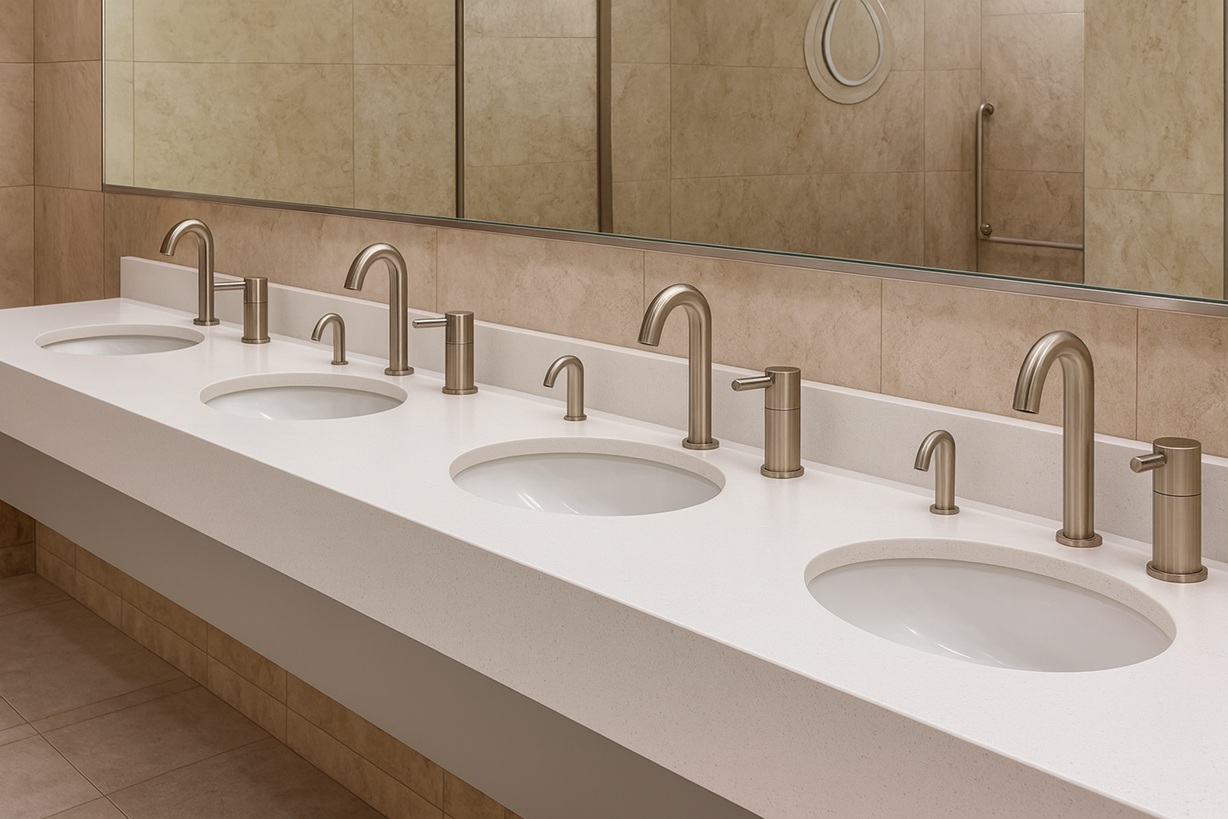
Automatic dispensers in public restrooms must align with ADA Standards for attainable Design. Operable parts generally must fall within a 48 inch (1220 mm) maximum height for forward or side approaches and be usable without tight grasping, pinching or twisting of the wrist.
Sensing devices should activate within the reachable space and installation should provide a minimum clear floor space of 30 inches by 48 inches (760 mm by 1220 mm) at accessible fixtures.
Durability and Vandal-Resistance
Public spaces require the use of components that are designed to withstand stress due to regular use. This includes the use of impact-resistant enclosures, which can range from the use of stainless steel or high-density polycarbonate, designed to protect mechanisms within from abuse and regular use.
Tamper-resistant fasteners deter removal or damage, while suitable ingress-protection (IP) ratings safeguard electronics in moisture-prone settings. Matching the expectations of ASME A112 equipment durability requirements will ensure the alignment of this equipment with the overall plumbing system.
Capacity and Refill Systems
High-capacity storage reservoirs ensure a reduced number of maintenance operations during peak periods. The bulk refill systems are becoming widely preferred concerning cost and environmental protection.
Cartridge-based systems may offer contamination control benefits, but require disciplined procurement and stocking strategies. Selection often varies by risk level: bulk systems in general public zones and more controlled cartridges in healthcare or food-contact restrooms.
Sensor Engineering
Sensor performance directly affects user throughput and hygiene consistency. Infrared or time-of-flight sensors with activation thresholds in the 0.2–0.5 second range balance responsiveness with false-trigger control. Detection ranges must be tuned to basin geometry to avoid unintended activations from passers-by.
Consistency in the amount of water discharged with each triggering event is a crucial requirement in order to ensure a repeatable, or similar, amount of water that can be utilized effectively to wash one’s hands, without unnecessary activations
Soap Viscosity and ASTM Compatibility
The viscosity qualities of approved soaps must be accommodated in the dispensers so they will not clog or dribble. Use performance standards for viscosity measurements like ASTM D1298 or methods for hand hygiene in ASTM E2755 to ensure a compatible combination of product and pump/sensor systems.
Sustainability: Waste Reduction, Plastics and Water Resources
Soap Portion Control
Peer-reviewed research in the Journal of Environmental Health puts the potential soap savings from automatic metering at up to 40 percent compared with manual pumps. In public washrooms experiencing millions of annual handwashing events, this compares to essential reductions in chemical consumption and transport-related emissions.
Bulk Refill and Packaging Reductions
Bulk refill systems support reliable purchasing and decrease plastic waste by replacing small cartridges with larger, more logical containers. This aligns with U.S. EPA guidance on sustainable materials management and can be documented as part of an organisation’s broader environmental programme.
CALGreen and WaterSense Alignment
While soap dispensing systems are not directly regulated by WaterSense, they interact closely with sanitary fixtures that are. Coordination among soap usage and WaterSense-marked faucets and CALGreen plumbing efficiency regulations also make sures that hand-washing cycles are finest without amplifying water use.
In practice, this means selecting dose volumes that allow users to fully lather and rinse within the flow limits defined for high-efficiency faucets and designing basin geometries that minimise overspray and waste.
User Experience, Safety and Public Trust
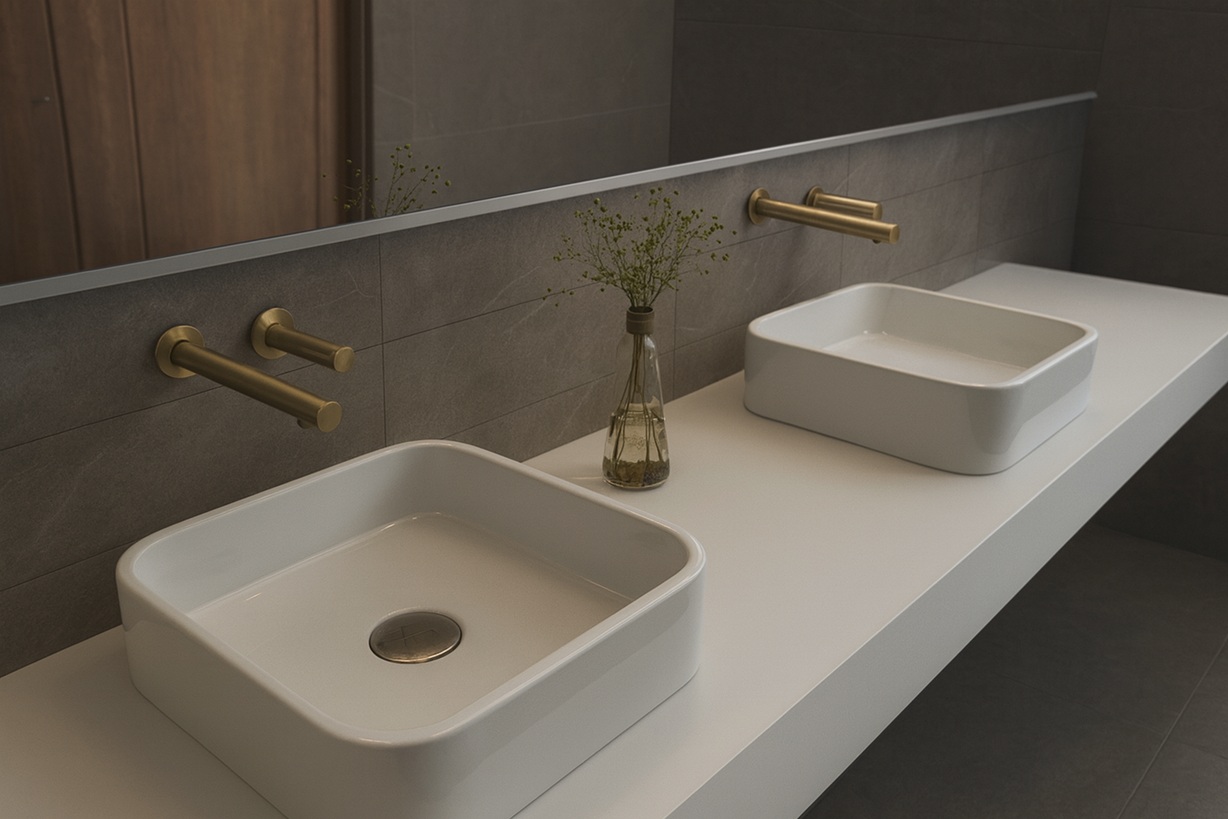
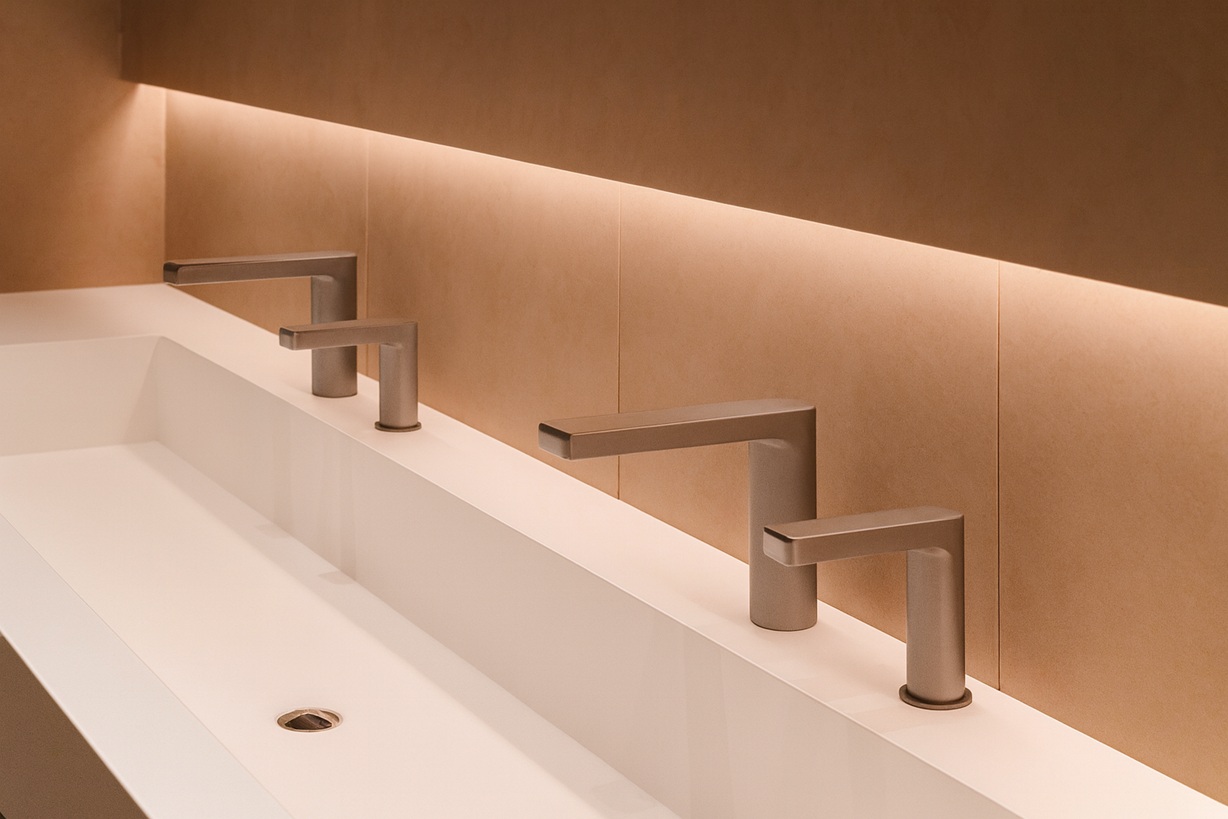
Facilities’ perception by the public is significantly influenced by restroom hygiene quality, studies show in the International Journal of Environmental Research and Public Health. Inferences about overall safety and professionalism are drawn from the toilets and wash stations.
Automatic dispensers increase the perceived level of cleanliness, increase the throughput of users, promote hand hygiene practices, and minimize queues in the hand-washing station. This is particularly crucial in healthcare facilities, public transportation terminals, educational institutions, and government offices, where public confidence is of paramount importance.
In design terms, that means treating the soap dispenser as an interface component: placement, sightlines, signage and lighting all support intuitive, low-friction use that encourages proper handwashing.
Integration with Smart Facility Systems
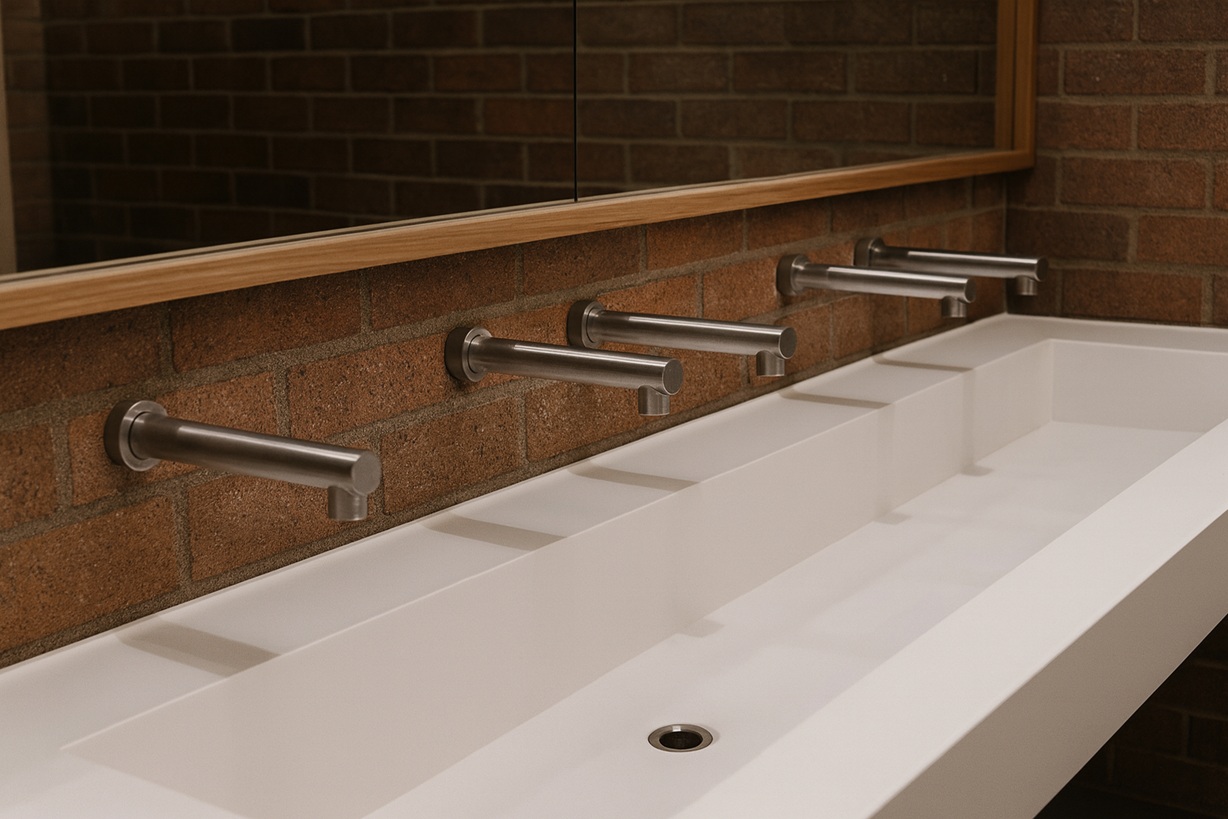
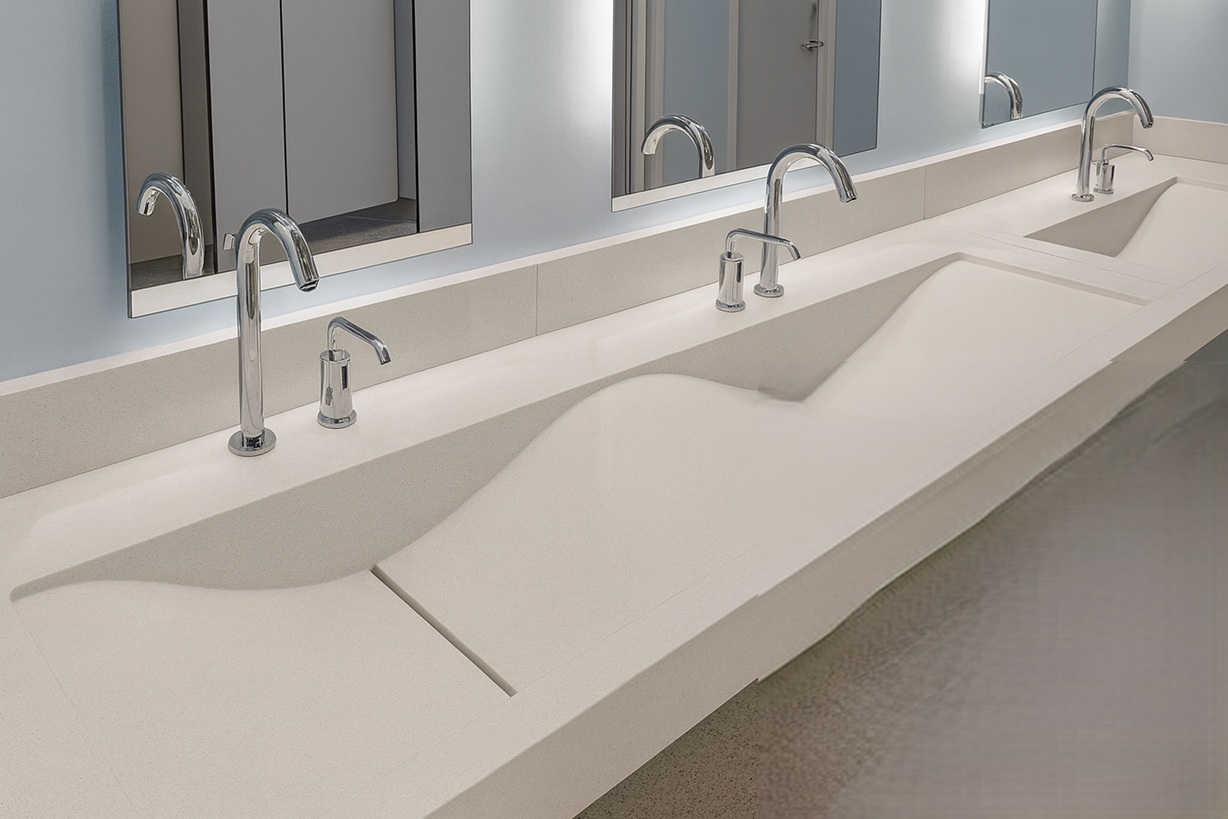
Modern public restrooms increasingly employ building-wide digital monitoring systems. Automatic dispensers can be integrated into these platforms for operational efficiency and hygiene assurance.
Emerging technologies include IoT-based refill monitoring that transmits tank levels and dispenser status; building-management-system integration for centralised alerts and dashboards; and energy-efficient power systems using long-life lithium cells or AC power with shared transformers.
Cartridge-free or low-packaging refill systems can further reduce plastics and downtime. Industry publications such as Infection Control Today provide ongoing coverage of these technological advancements and their implications for infection prevention.
Engineering and Operations Benefits
Benefits for Architects and Designers
For design teams, automatic dispensers support compliance with ADA, CALGreen and accessibility frameworks while offering integration flexibility within prefabricated partitions, solid-surface washplanes or custom millwork. They are compatible with low-flow faucet hardware and universal restroom layouts, making it easier to standardise details across multi-site portfolios.
Benefits for Mechanical and Plumbing Engineers
As an engineering viewpoint, properly designed automatic dispensers meet the requirements of ASME A112 with fewer moving parts exposed. Their compatibility with integrated handwash stations, flush-mounted fittings and coordinated piping routes simplifies the overall plumbing design.
Where IoT monitoring is deployed, engineers can help define the data points—usage counts, cycles-to-refill, error codes—that feed into building analytics and maintenance models.
Benefits for Facility Managers
For facility managers, correctly specified automatic dispensers provide lower maintenance hours, more predictable refill cycles, improved hygiene quality scores and reduced consumable waste. Telemetry and BMS integration enable predictive servicing and minimise emergency callouts.
Over time, such aspects ensure a favorable life-cycle cost performance and a stable user experience despite varying user patterns based on events, school terms, or travel seasons.
Conclusion: Automatic Dispensers as Critical Public Toilet Infrastructure

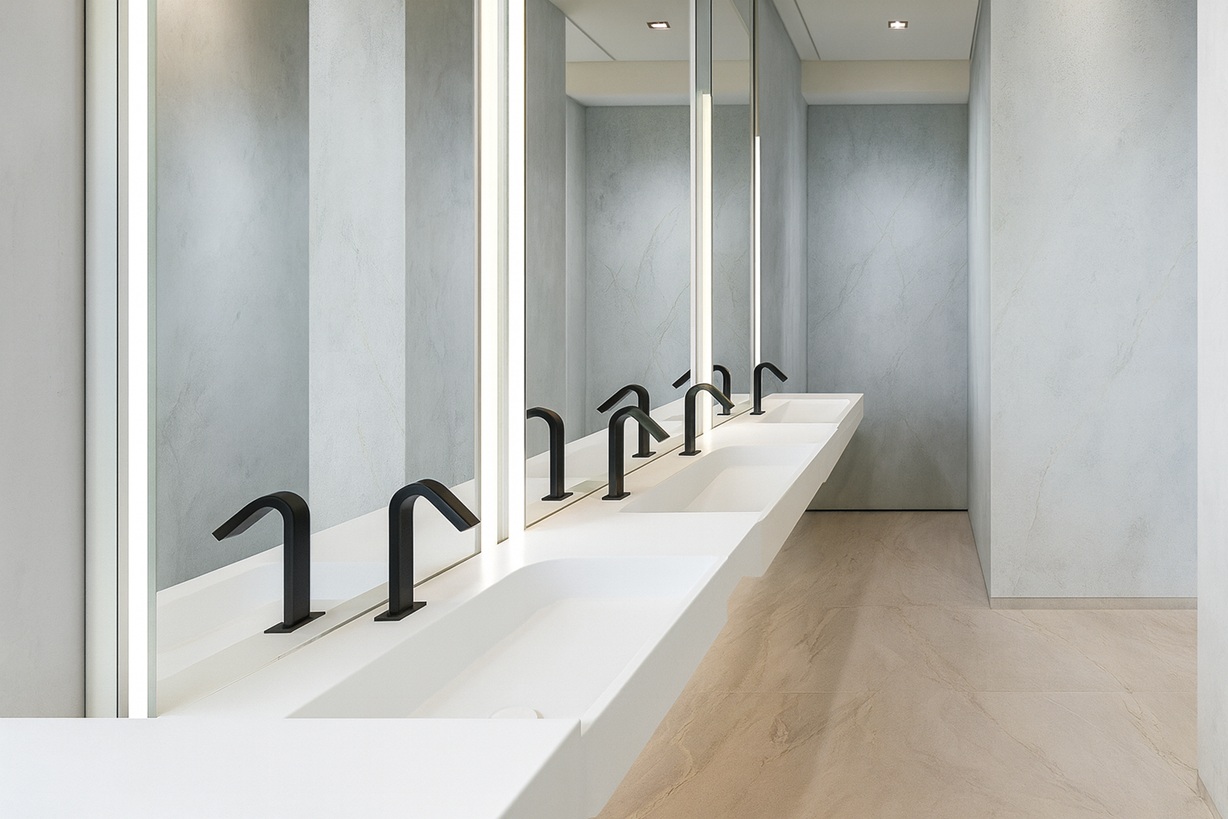
The automated soap dispenser system is a very key aspect considered in restroom design, offering benefits with regard to hygiene, accessibility, environmental friendliness, as well as increased efficiency. With advancing restroom design that aims to include smarter infrastructure, these systems ensure that modern restroom facilities meet current needs as well as future expectations.
Engineering-grade specifications, based on ADA Accessibility Guidelines, CALGreen and WaterSense-compliant system designs, EPA sustainability models, and ASME durability requirements, ensure public toilets serve as reliable hygiene hotspots as part of larger buildings and campuses.
Architects and engineers as well as facility managers now understand that incorporating automatic dispensers into an integrated and metrics-focused approach to environmental cleanliness is important for ensuring safe and trustworthy public spaces.
The following sources can be used to substantiate technical stories, confirm performance assertions, or confirm the adequacy of public restroom details with the guidelines on hygiene, environment, or accessibility.