The Growing Demand for Automatic Soap Dispensers
Automatic soap dispensers have become a standard feature in many public and commercial restrooms. Their ability to reduce surface contact and improve hygiene has made them increasingly popular worldwide.
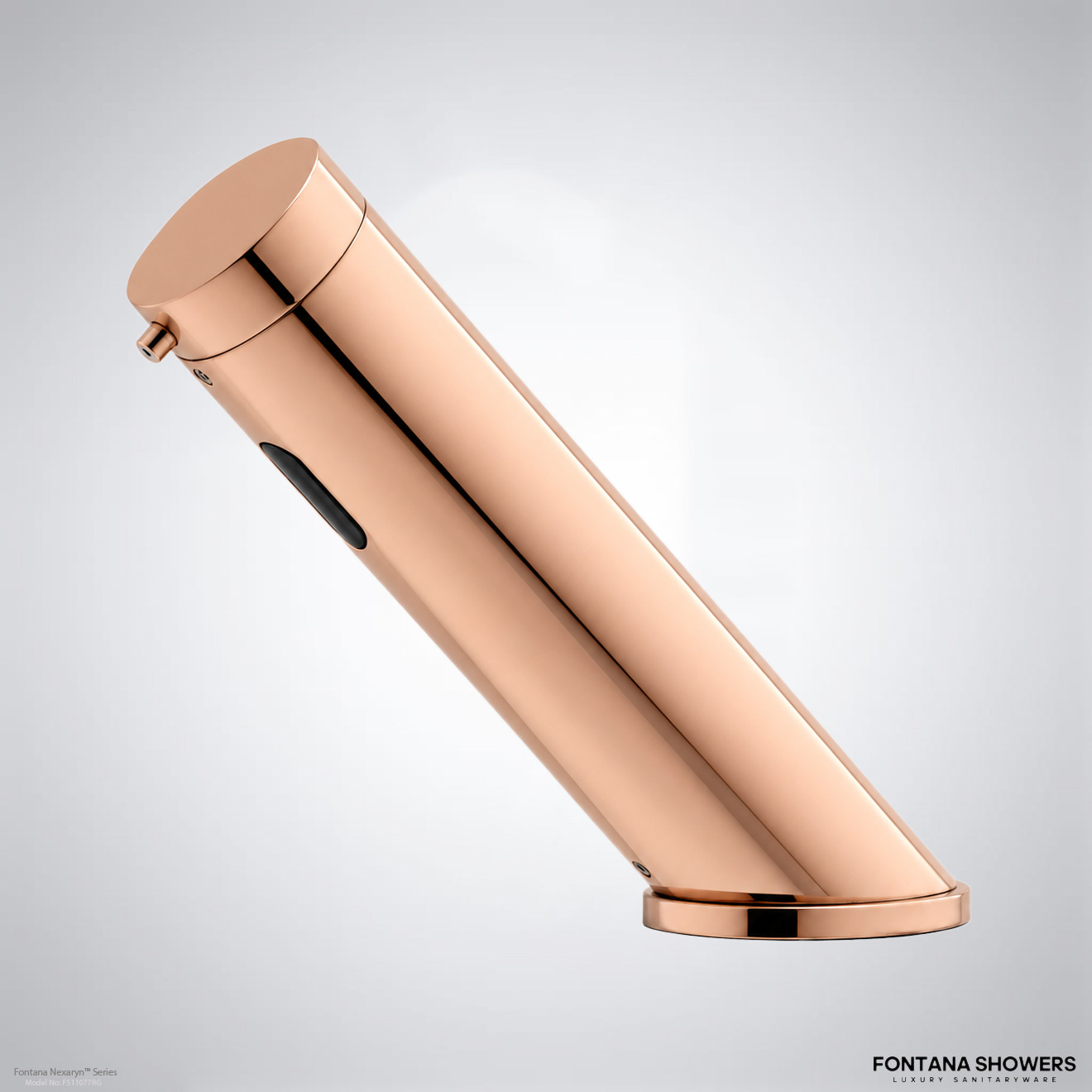
Industries Adopting Touchless Technology
- airports
- hospitals
- office buildings
- schools
- hospitality facilities
These spaces continue to choose touchless fixtures because they support cleaner washroom routines and help create a more modern user experience.
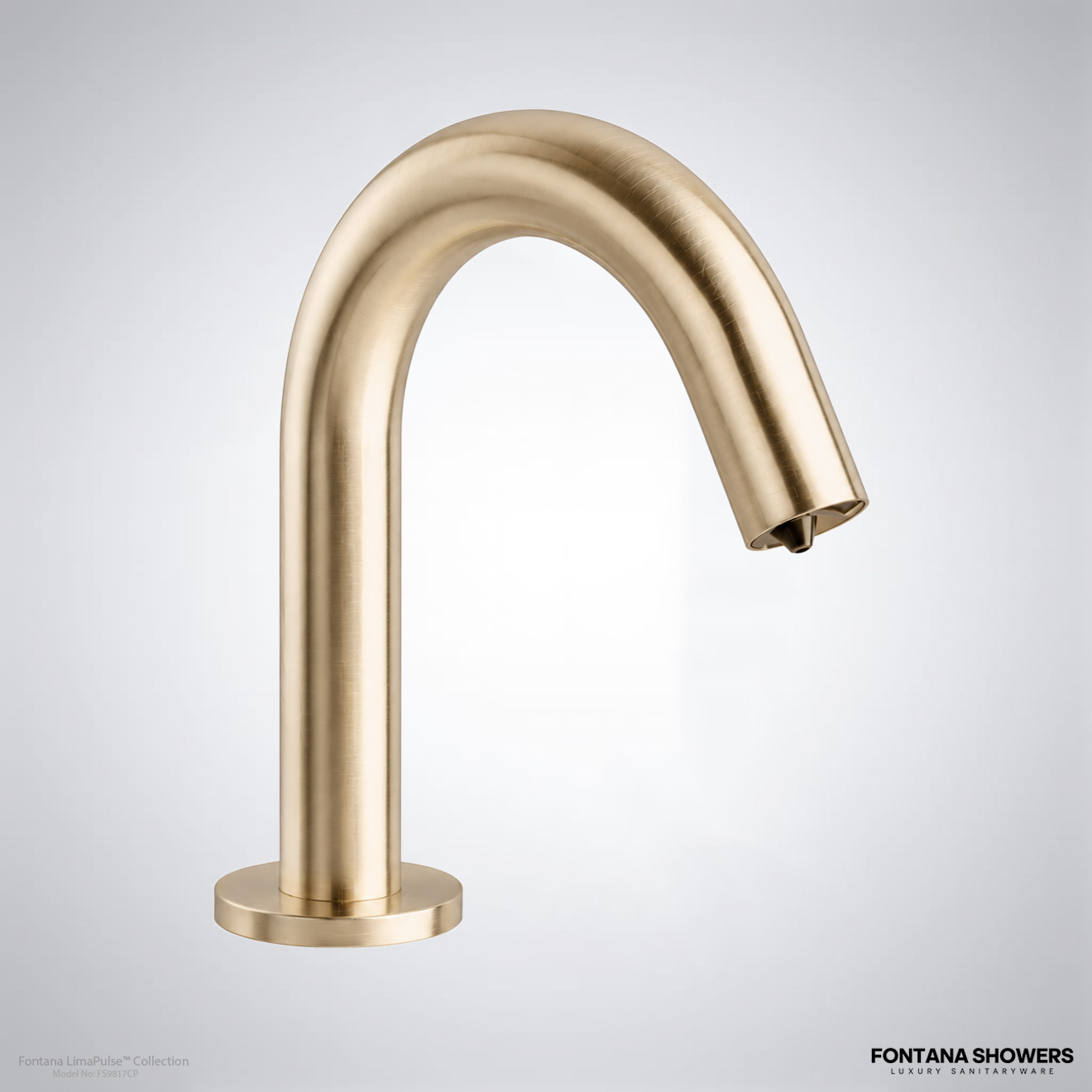
Why Demand Keeps Increasing
Demand is growing because facility owners want products that are simple to use, easy to maintain, and aligned with higher hygiene expectations. In busy environments, touchless dispensing also helps reduce unnecessary contact on shared surfaces.
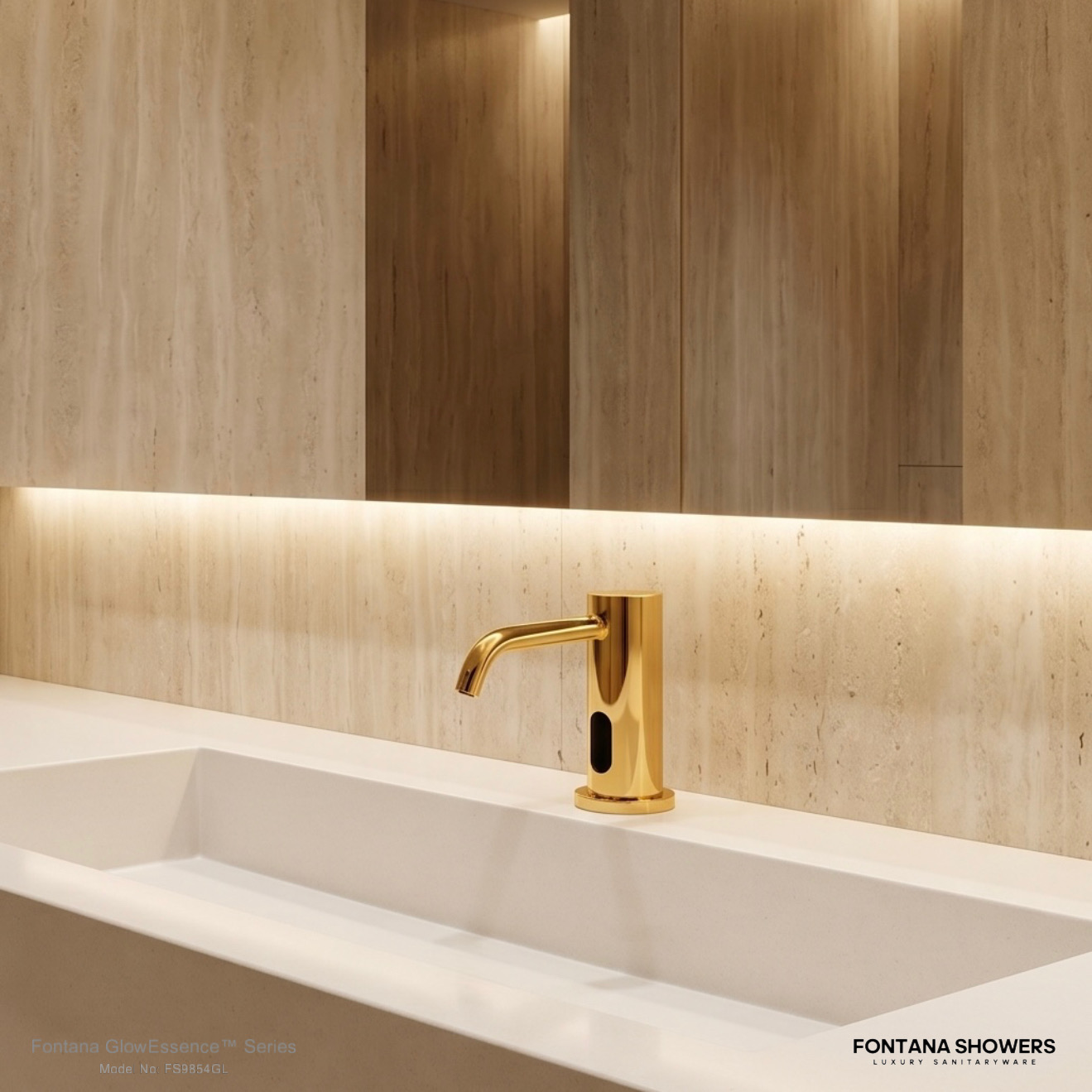
For many buyers, the value is not only in cleanliness. Automatic dispensers also support a cleaner-looking sink area and can improve the overall impression of a restroom.
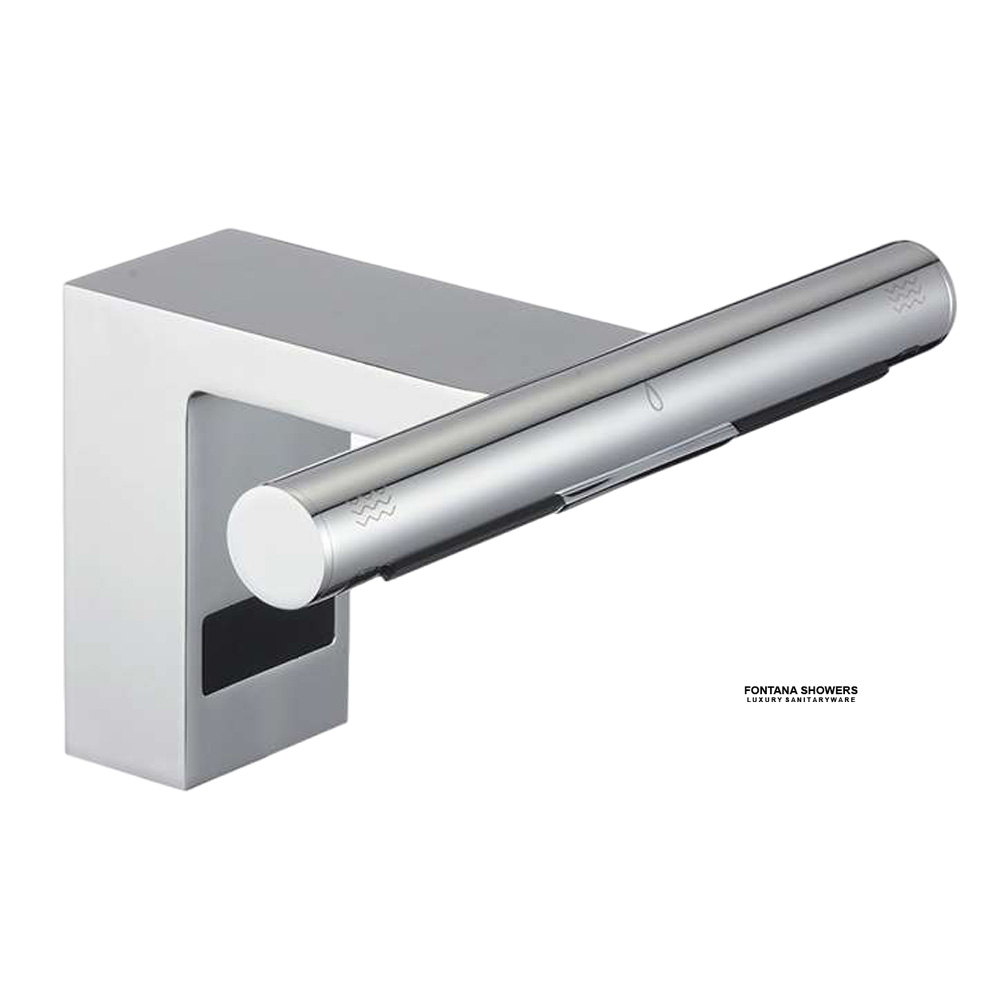
Brand Innovation in Sensor Dispensing
Brands such as BathSelect, FontanaShowers, JunoShowers, Kohler, and Grohe continue to develop advanced sensor technology for these environments.
Current product designs focus on reliable activation, cleaner installation styles, and finishes that fit both commercial and upscale restroom settings.
What Buyers Look for Before Choosing an Automatic Soap Dispenser
When comparing models, most buyers focus on sensor response, soap capacity, refill convenience, and long-term durability. Commercial spaces usually need dispensers that can perform consistently throughout the day without frequent servicing.
Appearance also matters. A well-designed dispenser can match the rest of the washroom hardware and help the space feel more organized and updated.
For more information about the pros and cons of automatic dispensers, see:
Strengths and Weaknesses of Automatic Soap DispensersLooking Ahead
As hygiene standards continue to shape restroom planning, automatic soap dispensers are expected to remain a preferred choice in both new projects and renovation work. Their mix of convenience, cleaner operation, and modern appearance keeps them relevant across many types of properties.
For businesses that want to improve the user experience in restrooms without overcomplicating maintenance, touchless dispensing remains a practical upgrade.
Commercial Performance Engineering
Maximizing Operational Uptime with Fontana MultiFeed Systems®
For airports, hospitals, stadiums, universities, transportation terminals, and office campuses, restroom downtime directly impacts user experience and maintenance efficiency. Fontana MultiFeed Systems® are engineered to improve operational uptime by centralizing soap management, simplifying inspections, and helping maintenance teams keep multiple dispensing stations continuously supplied.
Engineering for Continuous Restroom Availability
Commercial restrooms are expected to operate continuously regardless of occupancy fluctuations. During peak periods, maintenance personnel often have limited opportunities to service individual fixtures without disrupting restroom operations. Centralized soap distribution helps reduce these interruptions by minimizing the number of refill points requiring routine attention.
Instead of maintaining dozens of independent soap reservoirs, Fontana MultiFeed Systems® consolidate replenishment into a centralized location. This strategy helps reduce refill time while allowing maintenance personnel to focus on preventive inspections and overall system performance.
MultiFeed installations complement the Fontana Touchless Series, Commercial Touchless Faucet Collection, Commercial Bathroom Fixtures Catalog, Architect Series, and Premium Architectural Series.
Operational Advantages
Reduced Refill Time
Centralized reservoirs reduce repetitive maintenance activities.
Improved Restroom Readiness
Soap remains available throughout multiple dispensing stations.
Lower Maintenance Interruptions
Technicians spend less time opening individual dispensers.
Better Resource Allocation
Maintenance personnel can prioritize preventive inspections.
Engineering Factors Influencing System Performance
| Engineering Variable | Performance Impact |
|---|---|
| Reservoir Accessibility | Shortens maintenance visits. |
| Tubing Configuration | Supports reliable soap delivery. |
| Soap Formulation | Influences pump consistency and maintenance frequency. |
| Traffic Volume | Determines refill scheduling. |
| Preventive Inspection | Improves long-term operational reliability. |
Best Practices for Maximizing Uptime
Maintaining high system availability requires more than routine refilling. Successful maintenance programs include scheduled reservoir inspections, tubing verification, dispensing performance checks, cleaning dispensing outlets, monitoring soap consumption trends, and documenting service activities. Establishing standardized maintenance procedures across multiple buildings also simplifies technician training and helps maintain consistent service quality.
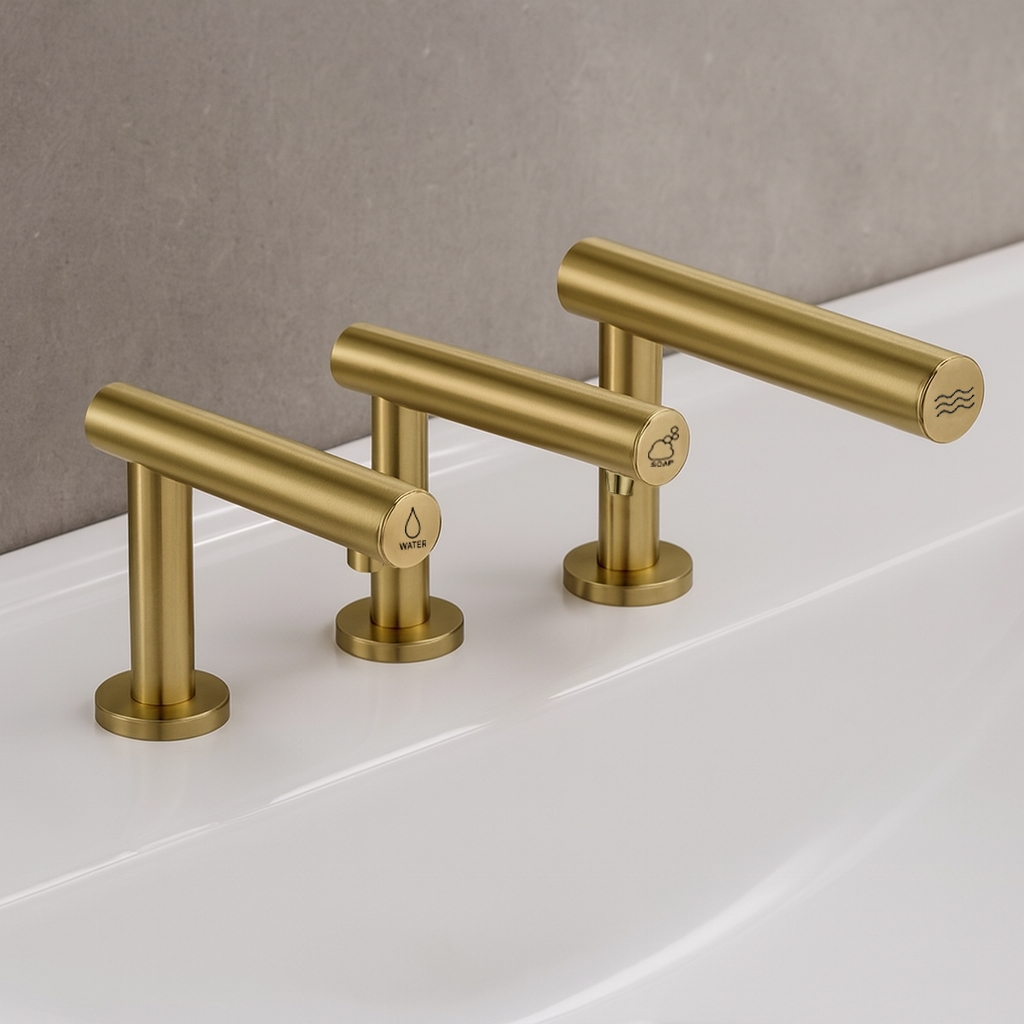
Advanced Engineering FAQ
How do MultiFeed Systems® improve operational uptime?
Centralized soap reservoirs reduce refill interruptions while supporting continuous soap availability across multiple dispensing stations. Learn more through the Commercial Bathroom Fixtures Catalog. Facility operations guidance is available from IFMA.
Can preventive maintenance reduce emergency service calls?
Routine inspections help identify potential issues before they interrupt restroom operation. Explore additional products through the Fontana Product Directory. Maintenance best practices are available from FacilitiesNet.
Why should occupancy data influence refill schedules?
Soap consumption often follows building occupancy rather than calendar dates. Planning around actual demand improves maintenance efficiency. Additional specification resources are available through the Fontana Product Index. Commercial building resources are available from BOMA International.
What building types gain the greatest benefit from MultiFeed Systems®?
Airports, hospitals, universities, sports venues, convention centers, government buildings, and large office complexes benefit from centralized maintenance and improved operational consistency. Additional coordinated systems are available through the Fontana Commercial Collections. Commercial plumbing engineering references are available from ASPE.
Commercial Restroom Engineering
Touchless Technology and Sensor Performance in Commercial Soap Dispensing Systems
Sensor technology has become one of the defining characteristics of modern commercial soap dispensers. Beyond providing a touch-free user experience, today’s electronic dispensing systems are expected to deliver consistent activation, minimize false dispensing, reduce soap waste, and maintain dependable operation in demanding public environments. Selecting the appropriate sensor technology can significantly influence user satisfaction, maintenance frequency, and overall operational efficiency.
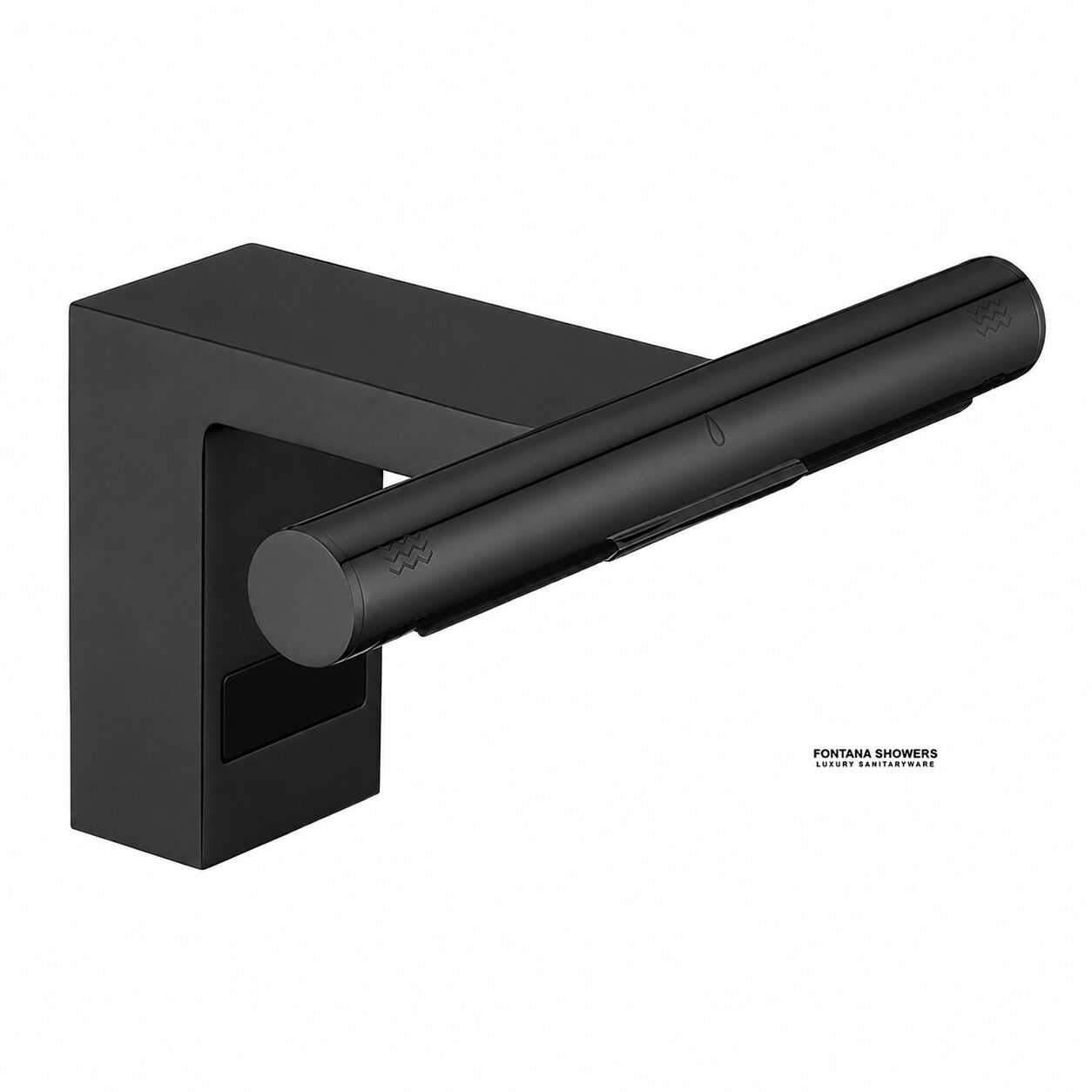
How Manufacturers Differentiate Their Touchless Technologies
Manufacturers including Fontana Dispenser System, Sloan, Bobrick, BathSelect, Zurn, and Bradley each incorporate touchless technology with different engineering priorities. Fontana Dispenser System emphasizes coordinated sensor-operated restroom solutions designed to complement modern commercial touchless faucets. Sloan focuses on dependable electronic operation suitable for institutional facilities with continuous daily usage. Bobrick integrates touchless dispensing into complete architectural washroom accessory systems that promote consistent restroom design. BathSelect combines sensor technology with contemporary architectural styling for premium commercial developments. Zurn aligns electronic soap dispensers with engineered plumbing systems commonly specified for healthcare, education, and municipal projects, while Bradley develops sensor-operated dispensing solutions that integrate seamlessly with its comprehensive handwashing stations for high-traffic commercial facilities.
| Sensor Performance Factor | Operational Advantage |
|---|---|
| Fast Detection Response | Provides a smooth, intuitive user experience during peak restroom traffic. |
| Controlled Soap Volume | Reduces soap waste while maintaining consistent dispensing. |
| False Activation Resistance | Minimizes unnecessary dispensing caused by passing movement or reflections. |
| Low-Power Electronics | Extends battery life and reduces maintenance intervals. |
| Reliable Sensor Calibration | Maintains dependable operation across varying lighting and environmental conditions. |
Industry guidance from organizations including ASPE, IFMA, and CDC highlights the importance of reliable touch-free hand hygiene systems within commercial facilities. When specifying automatic soap dispensers, engineers frequently evaluate sensor performance alongside durability, maintenance accessibility, refill efficiency, and compatibility with the overall restroom design strategy to maximize long-term operational value.