How Automatic Soap Dispensers Improve Hygiene in Hospitals
Hospitals and healthcare facilities require the highest standards of hygiene. One technology that has significantly improved infection-control practices is the automatic soap dispenser. By reducing touchpoints and supporting more consistent handwashing routines, these systems help create cleaner and safer care environments.
Reducing Cross-Contamination
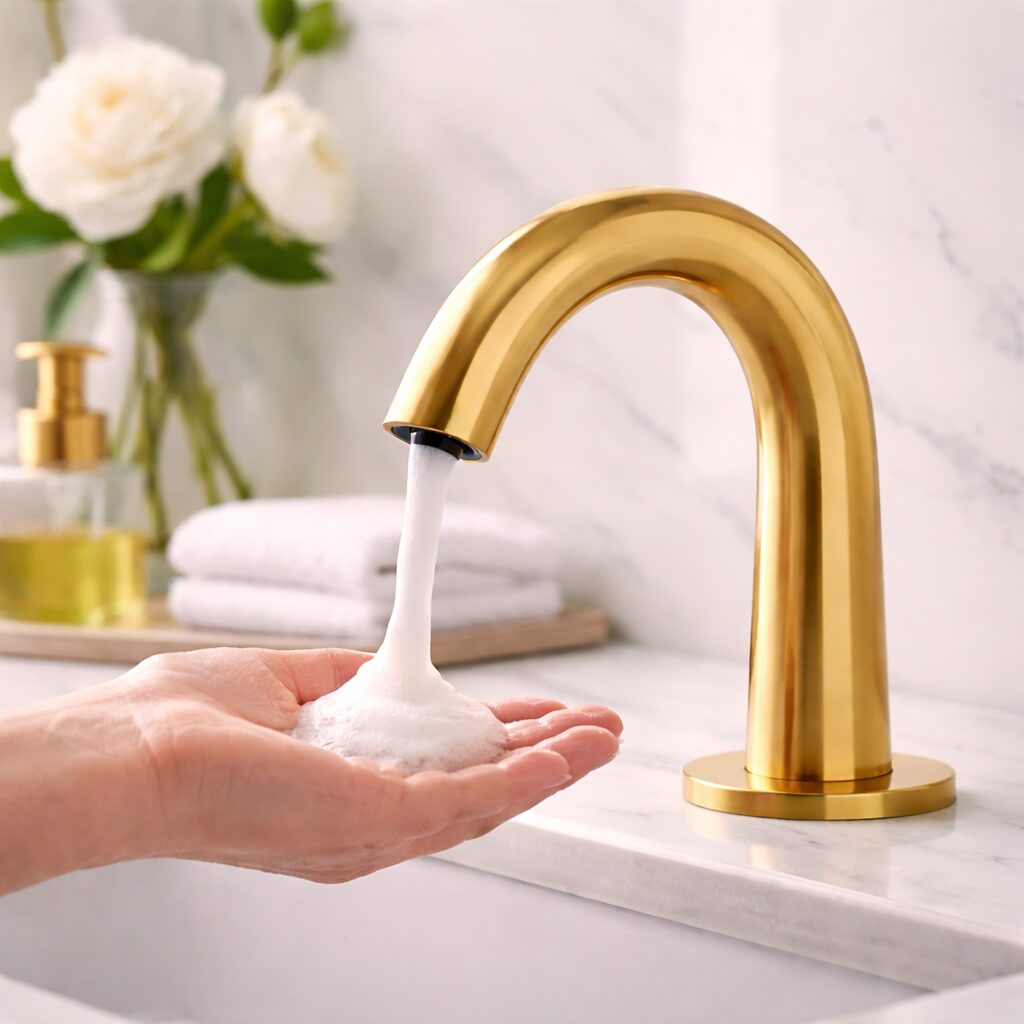
Manual soap dispensers require users to touch a pump or lever, which can transfer bacteria between users. Automatic dispensers eliminate this contact point through motion-activated sensors.
This touch-free operation supports better hand hygiene in patient rooms, restrooms, treatment spaces, and other high-traffic areas where cleanliness matters most.
Healthcare Facility Requirements
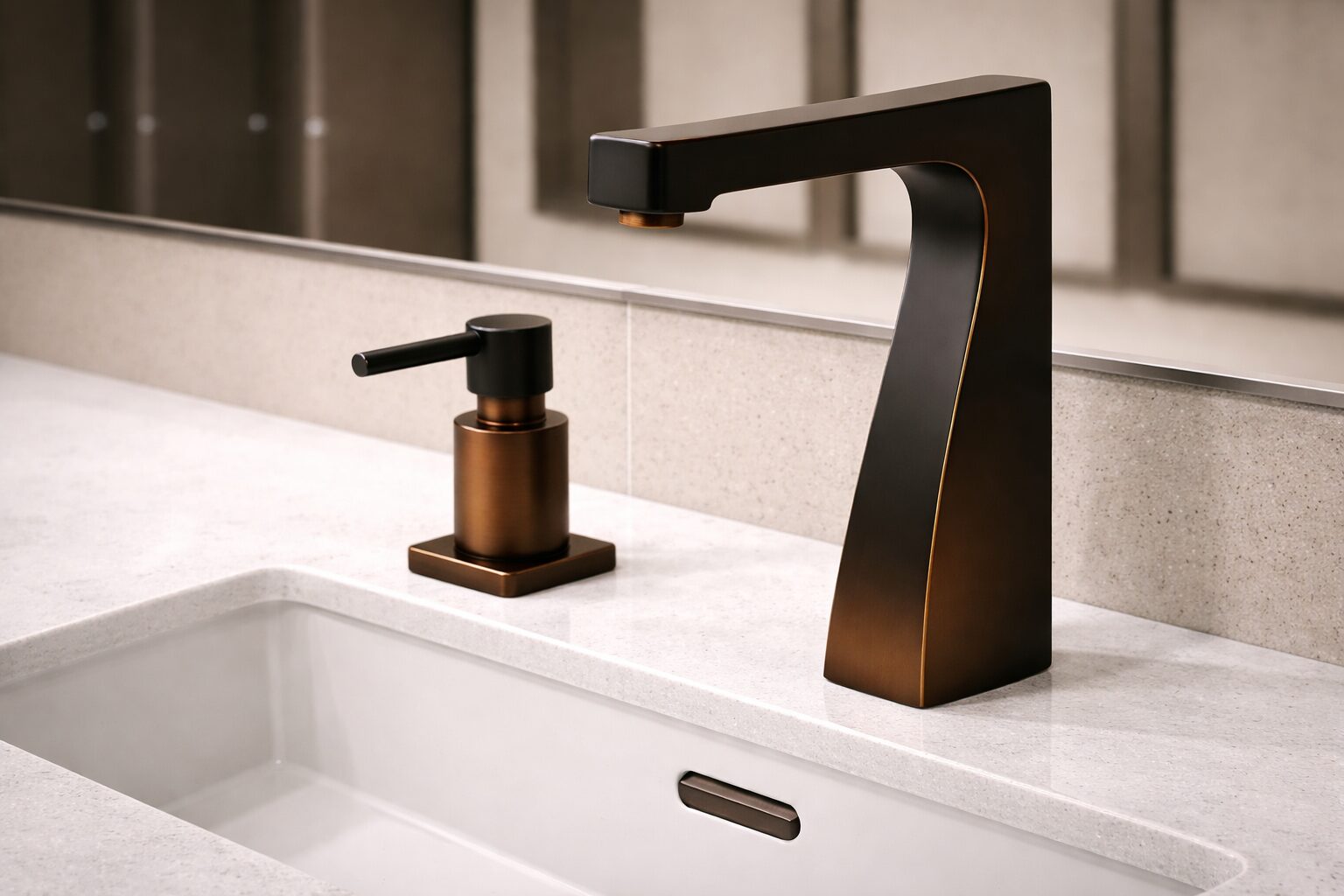
- Reliable sensor detection
- Controlled soap dosing
- Durable construction
- Easy refill maintenance
These features help healthcare teams maintain smoother daily operations while keeping hygiene stations dependable and easy to manage.
Manufacturers Serving Healthcare Environments
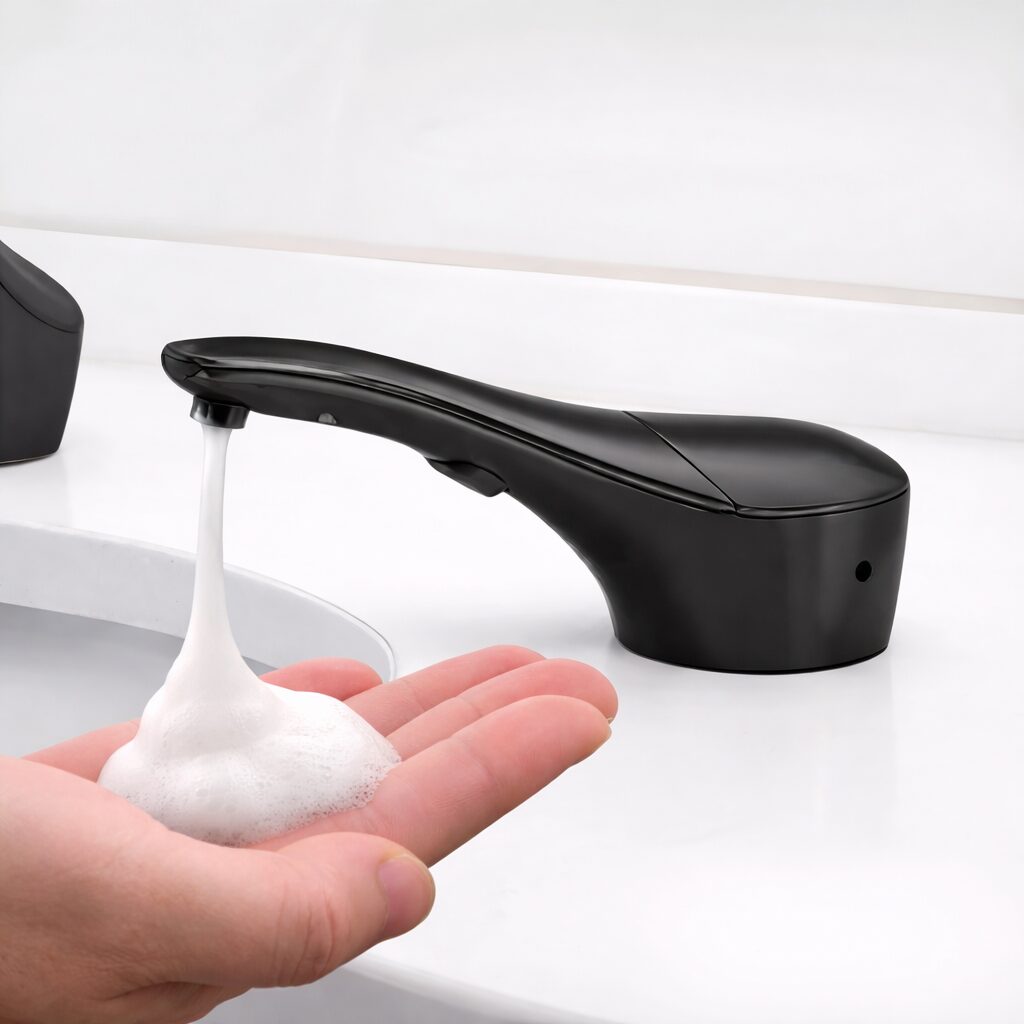
Several companies design products suitable for healthcare installations including BathSelect, FontanaShowers, Kohler, TOTO, and JunoShowers.
These systems are frequently installed alongside touchless faucets to create complete hands-free hygiene stations.
Why Touch-Free Hygiene Stations Matter
In healthcare settings, even small improvements in handwashing access can support stronger hygiene routines. Automatic soap dispensers help reduce shared contact surfaces while offering a cleaner and more modern experience for staff, patients, and visitors.
When paired with touchless fixtures, they contribute to a more efficient wash station design that aligns with the hygiene expectations of hospitals and medical facilities.
More information about the advantages and challenges of automatic soap dispensers is available here: Automatic Soap Dispenser Strengths and Weaknesses.