
Battery vs AC vs Hybrid Power Options for Touch-Less Soap Dispensers
In high-traffic commercial washrooms, touch-less soap dispensers operate continuously under unpredictable usage patterns. As a result, power supply selection directly influences hygiene reliability, maintenance workload, and long-term operational cost.
Choosing between battery, AC, and hybrid power options is therefore a system-level decision rather than a convenience choice.

Touch-Less Soap Dispensers Within the Washroom System
In commercial washrooms, touch-less soap dispensers function as part of an integrated hygiene ecosystem.
Power Is a Core Performance Variable
Because dispensers are activated frequently and must remain available at all times, power strategy is a core performance variable. Specification decisions should be coordinated early with architectural layouts, service access planning, and electrical constraints rather than addressed late as an equipment detail.
Read MoreShow Less
According to public health data, proper handwashing with soap can reduce diarrheal disease by up to 50% and respiratory infections by nearly 25%. High-quality commercial soap dispensers ensure consistent dosing, minimize cross-contamination, and support compliance with workplace hygiene standards such as CDC and WHO guidelines.
A centralized technical reference for touch-less soap dispenser systems can be found at commercialsoapdispenserauto.com.
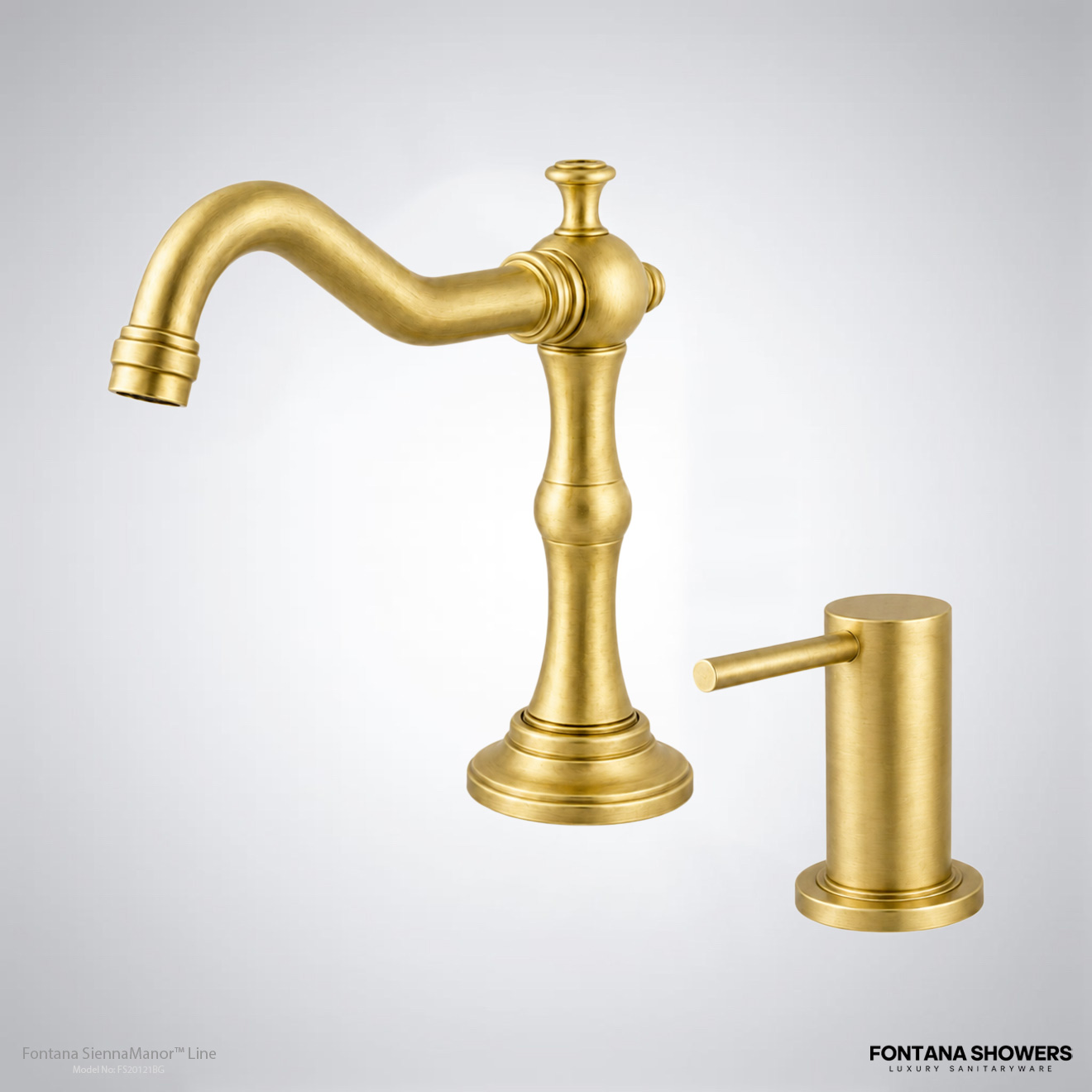
System Coordination
Power planning should be reviewed with sink layout, mirror zones, handwashing traffic, cleaning access, and service workflow.
Why Power Selection Matters in Commercial Washrooms
Touch-less soap dispensers rely on consistent power to maintain sensor accuracy, dispense volume, and response timing.
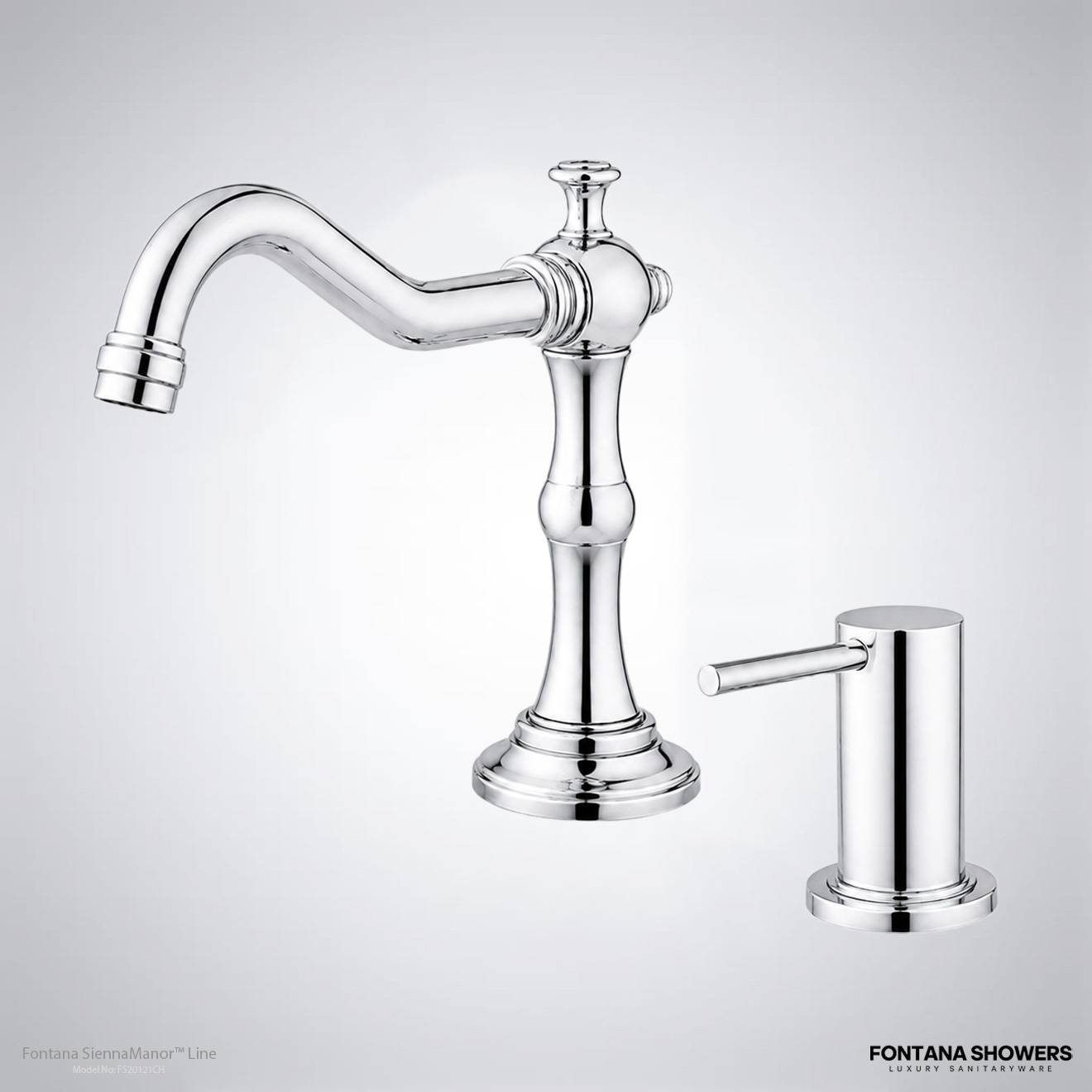
Hygiene Reliability
Subsequently, unreliable power can disrupt both hygiene outcomes and user confidence.
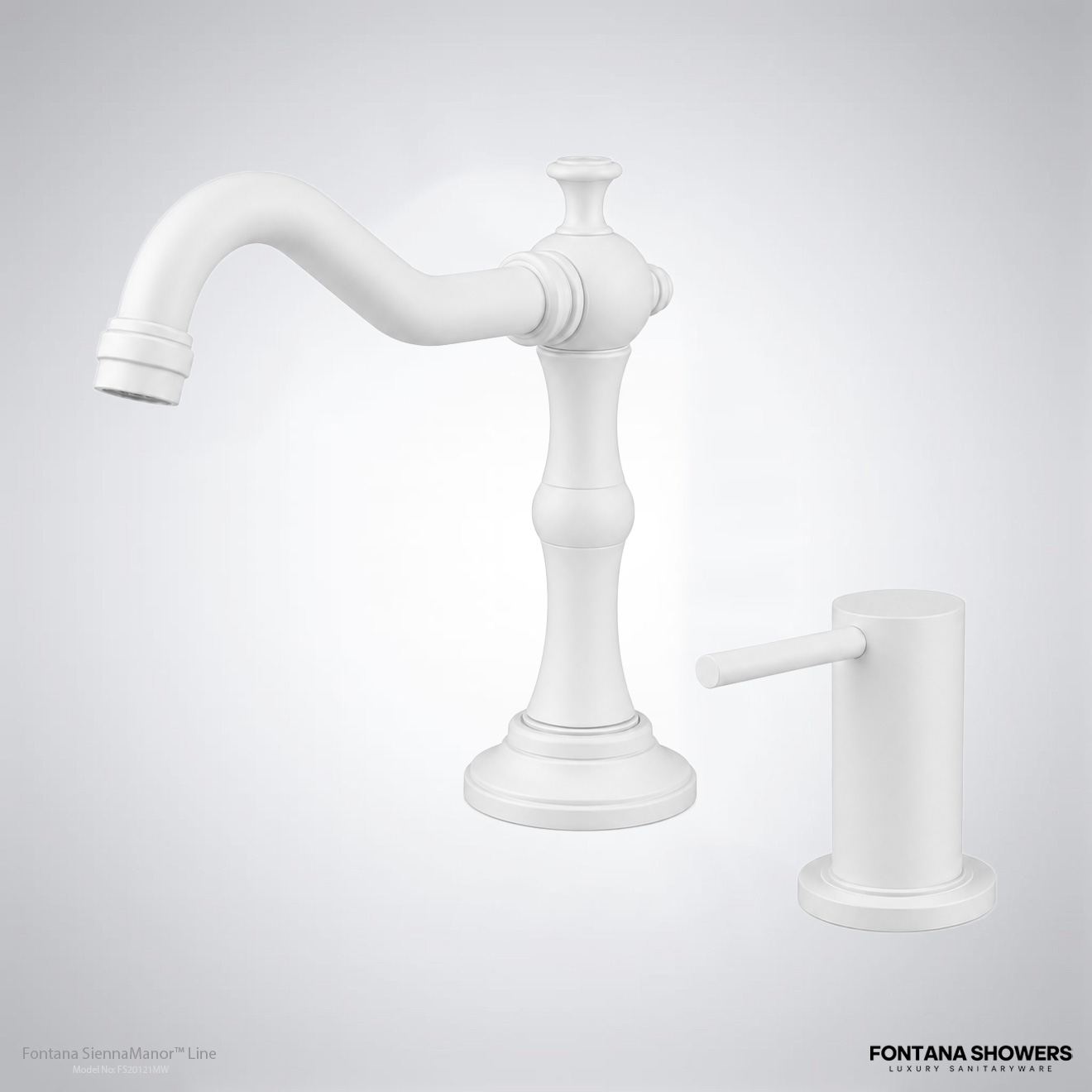
Maintenance Workload
The power choice directly affects maintenance frequency and service workload.

Lifecycle Planning
The power choice directly affects electrical coordination, installation planning, long-term operating cost and lifecycle waste.
Read MoreShow Less
As a result, the selection of the appropriate power strategy sooner in design may improve reliability and reduces further lifecycle disruptions.
Power Options for Touch-Less Soap Dispensers
Touch-less soap dispensers generally use one of the following power strategies.
Battery-Powered
Battery-powered for installation flexibility and retrofit simplicity.
AC-Powered
AC-powered for stable continuous performance in high-traffic environments.
Hybrid Systems
Hybrid systems combining line power with battery backup for resilience.
Selection Note
The best of choice depends upon traffic level, access constraints, maintenance capacity, and reliability expectations not merely on the basis of preference alone.
Battery, AC, and Hybrid Power Compared
Each power option solves a different project problem. The right choice depends on traffic level, retrofit constraints, electrical access, and owner maintenance capacity.

Battery Power
Battery-operated dispensers are also popular since they do not require any rough-in and can be installed in an area where wiring is not feasible.
Read MoreShow Less
They are usually applied in renovation projects.
Advantages: Simplified installation, flexible placement, minimal coordination
Limitations: Regular replacement cycles, labor burden in high-traffic areas, risk of unplanned downtime
Performance concern: Voltage decline can affect sensor response and dispense accuracy over time
Hence fore, battery power most of the time suits low-to-moderate traffic washrooms but becomes it less efficient as intensity of usage increases.

AC Power
The dispensers that run on AC are hard-wired straight into the building electrical system to provide a constant power supply of the lines.
Read MoreShow Less
This stability normally increases the sensor stability and facilitates a predictable amount of dispense when used over a longer period of time.
Advantages: No routine battery replacement, consistent output, reduced long-term service calls
Best fit: Airports, hospitals, stadiums, transit facilities, and other high-traffic environments
Limitations: Requires early electrical coordination and can increase upfront installation cost
Therefore, AC systems are mostly best suitable to new construction or major renovations where electrical setups can be planned without power disruption.

Hybrid Power
Hybrid systems can be merged with AC line power for the backup of battery.
Read MoreShow Less
Under normal operation, the dispenser runs on line power. During outages, the battery maintains availability and prevents hygiene interruptions.
Advantages: Redundancy, reduced routine battery use, continuity during power interruptions
Best fit: Facilities prioritizing resilience where downtime is unacceptable
Limitations: Higher initial cost, more complexity, requires both electrical planning and battery monitoring
As as result, The hybrid power may be able to adjust well in those environments where reliability and continuity outweigh single-source.
Power Stability and Dispense Performance
Power stability impacts straight to the dispense accuracy and sensor response.

Sensor Response
The drop in battery voltage may lead to change pump timing and output but the AC and hybrid systems maintain prominent performance.

Hygiene Protocols
For facilities with strict hygiene protocols, line-powered strategies are often preferred because they reduce performance drift and unplanned service events.

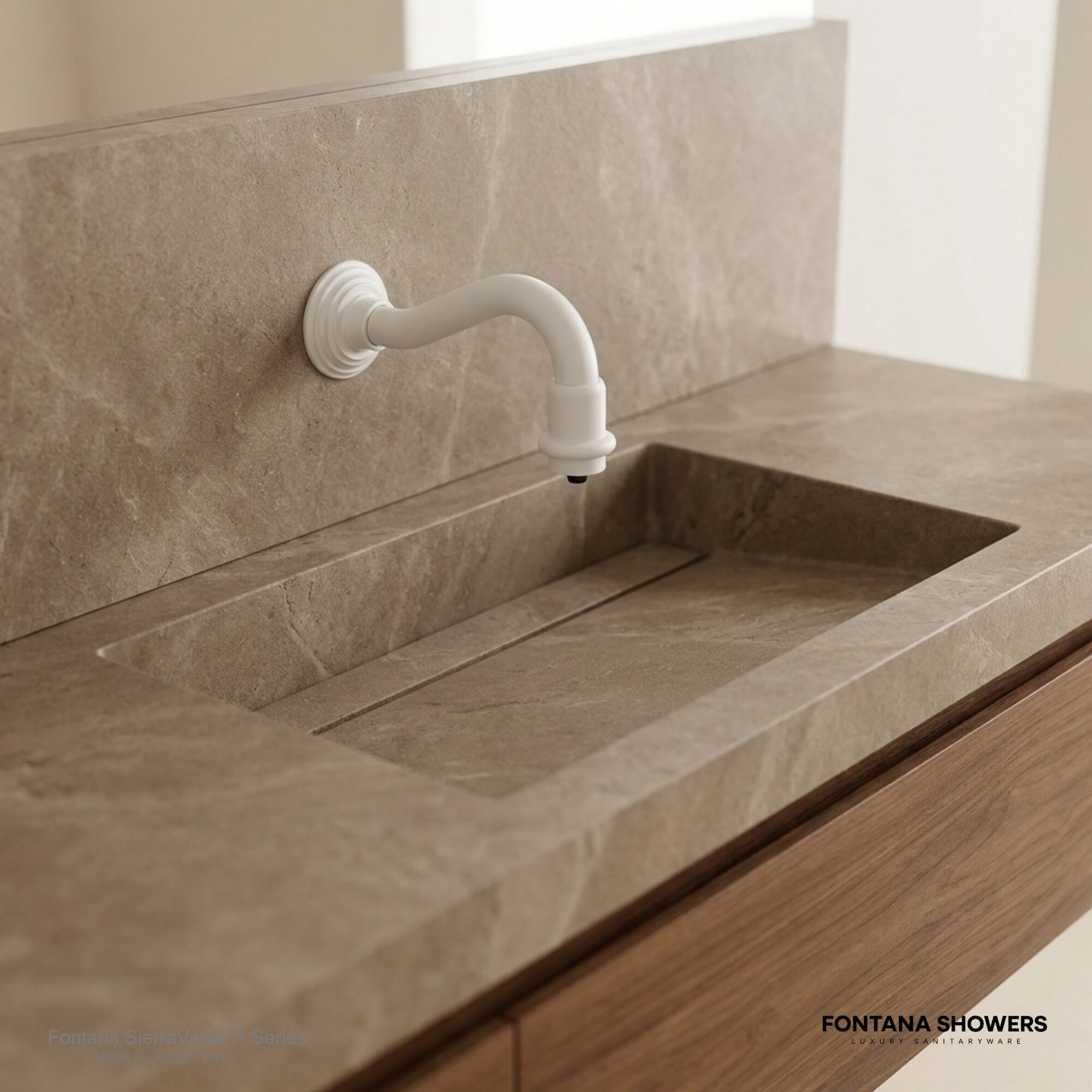

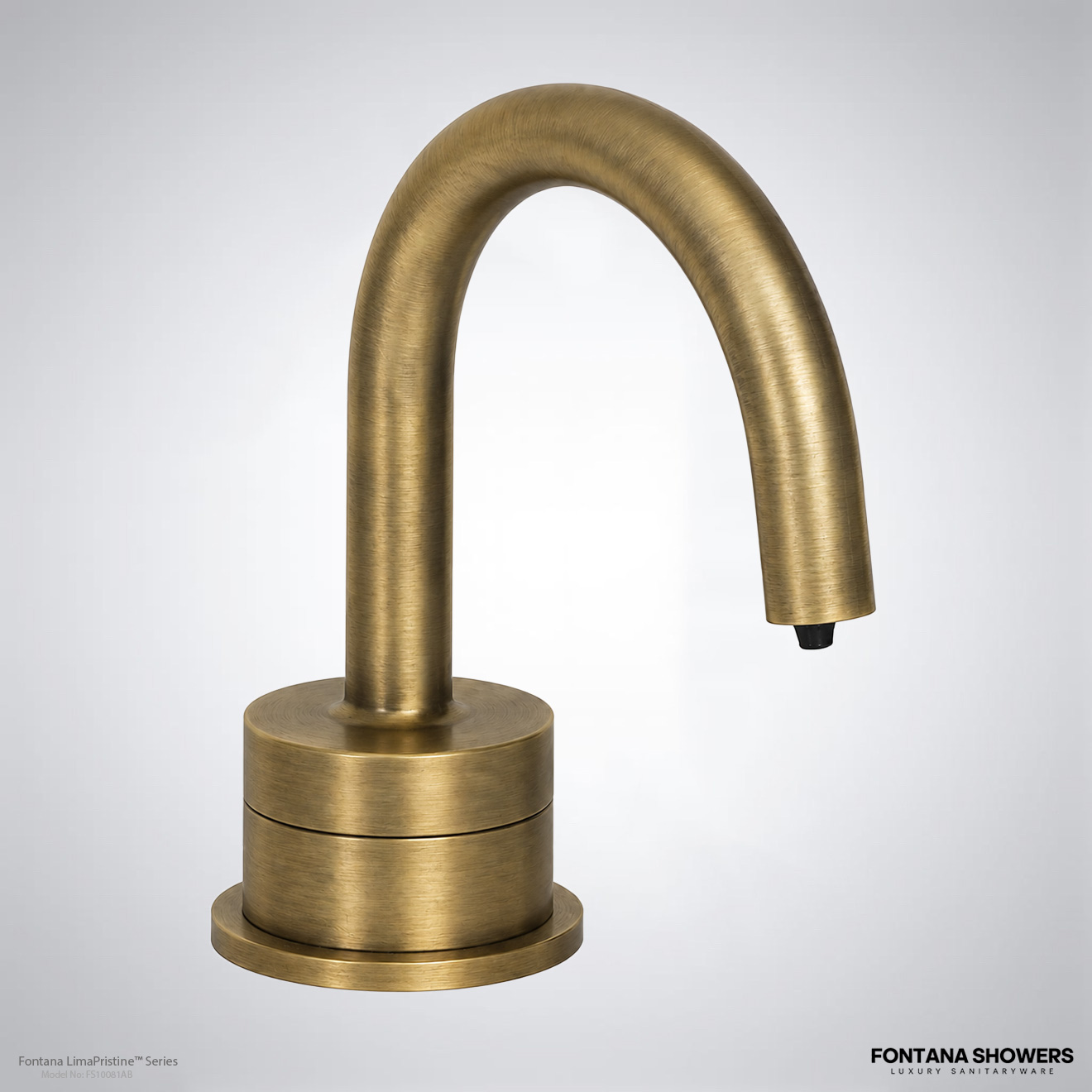
Integration with Touch-Less Washroom Systems
Soap dispensers operate within a broader touch-less ecosystem that includes faucets, flush valves, and hand dryers.
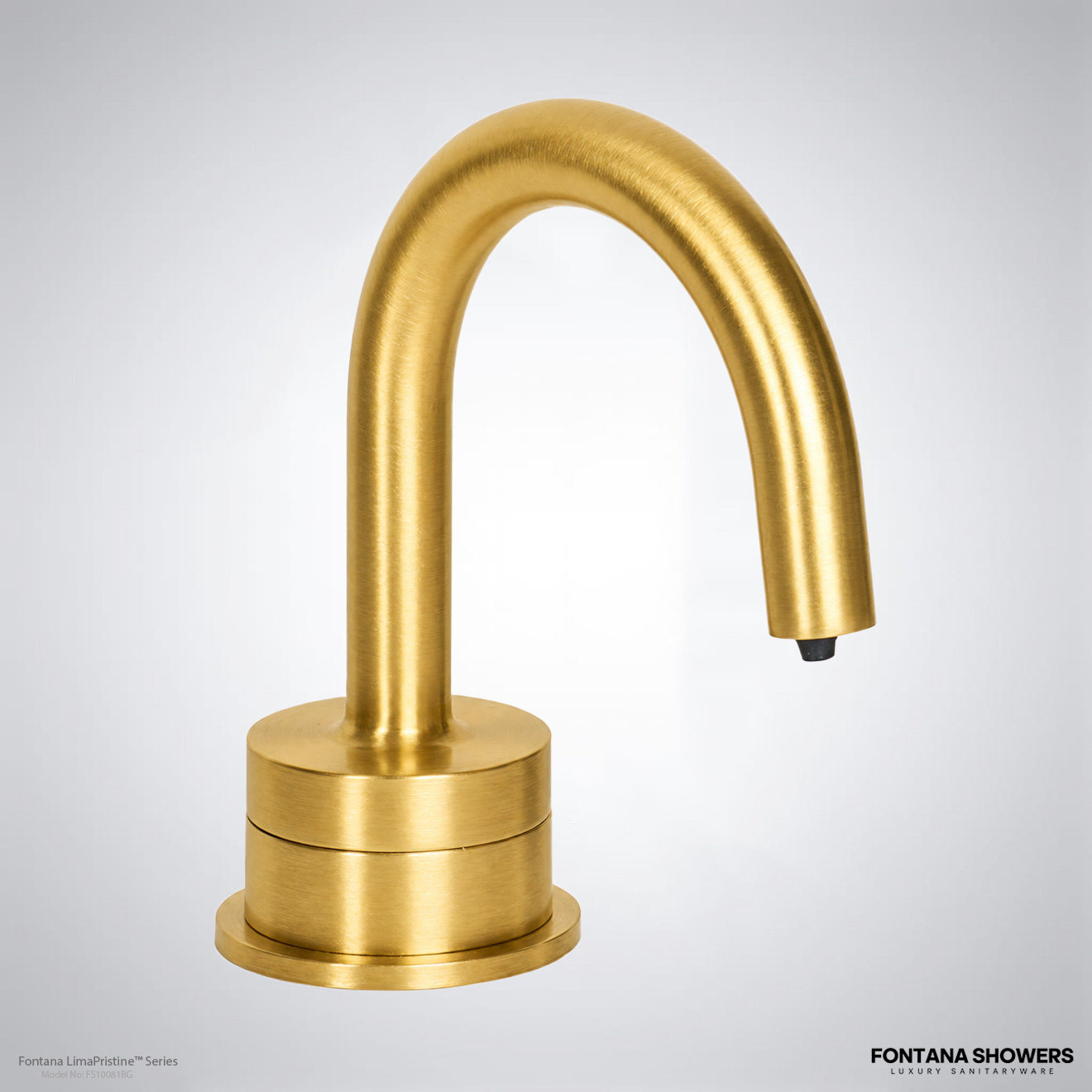
Aligned Sensor Logic
By in lining the power strategies across systems can ease the maintenance, reduce confusion, and improve consistent user experience.
Read MoreShow Less
Design teams often review touch-less fixture categories to understand how sensor logic and power strategies align across products:
https://www.fontanashowers.com/category-s/8896.htm
https://en.wikipedia.org/wiki/Automatic_faucet
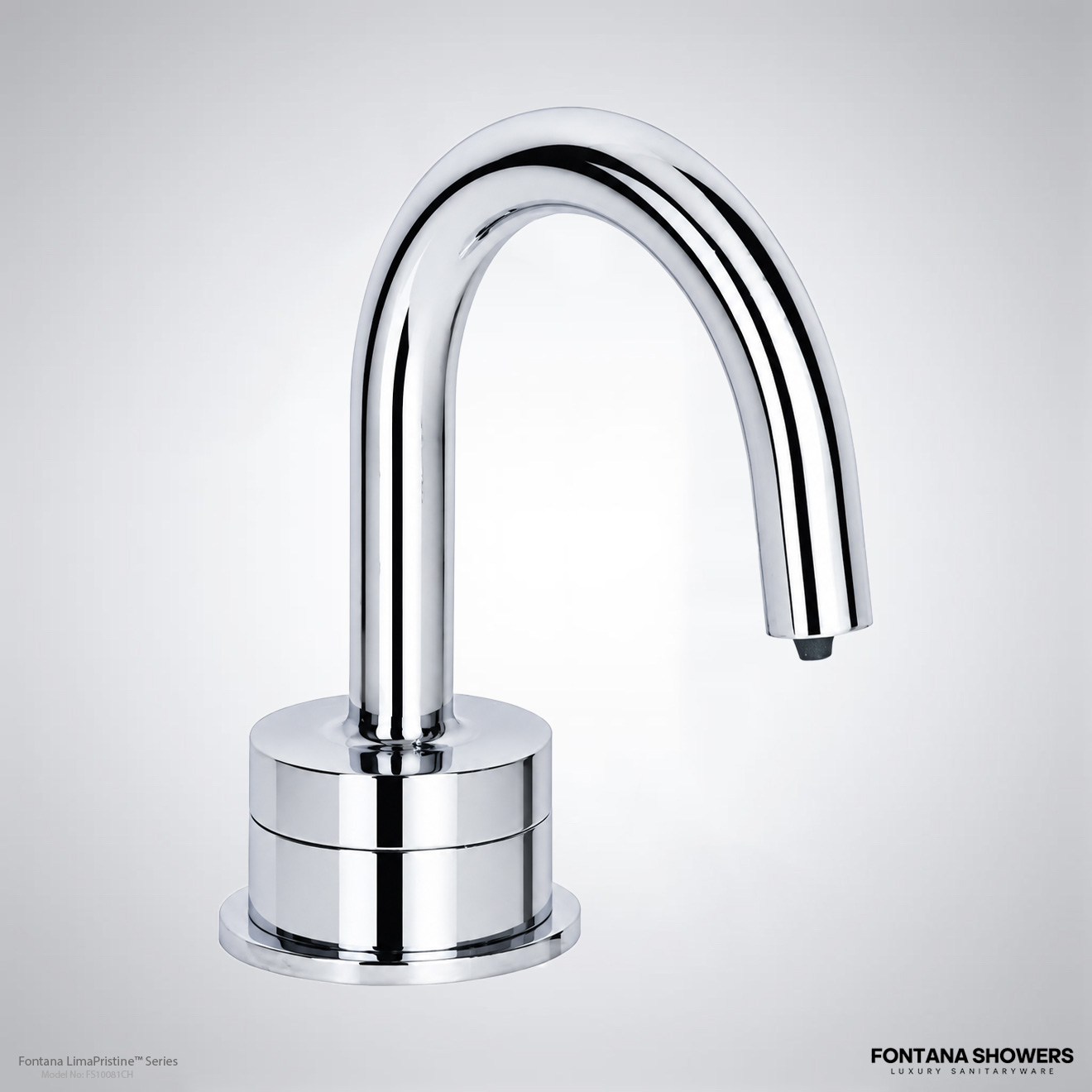
Washroom Workflow
The dispenser should support the same user path as the faucet, basin, hand dryer, towel dispenser, and restroom circulation pattern.
Durability, Sustainability, and Lifecycle Impact
Power choice has an impact on sustainability results and lifecycle cost.
Lifecycle View
Frequent battery replacement leads to more waste and labor, whereas AC and hybrid systems will cut disposable battery consumption in the long run. However, the sustainability benefit is contingent of the intensity of use, access limitations and the service model of the facility.
Read MoreShow Less
Regardless of power type, durable commercial dispensers usually consist of sealed electronics, protected power connections, and components rated for sustained duty cycles to secure stable dispensing behavior over thousands of activations.
Related Power, Hygiene & Specification Links
Use these source links for technical follow-up, power coordination, hygiene planning, plumbing review, sustainability documentation, facility maintenance, and AEC specification support.
Conclusion
Battery, AC and hybrid power options each have their pros and cons for touch-less soap dispensers. The best option is one that depends on the traffic load, installation constraints, maintenance capacity and reliability needs.
By treating power selection as part of an integrated restroom system instead of an isolated feature, AEC experts and facility managers may be able to deliver hygienic environments that perform reliably.
This systems-based view is the essential mission of commercialsoapdispenserauto.com to deliver technically based information to aid in informed, efficient and resilient commercial washroom design.