Sanitizer vs Soap: Compatibility and Dispensing Considerations for Foam vs Liquid
Automatic dispensers may look similar on the surface, but product type, viscosity, refill method, and placement have a direct impact on reliability, hygiene, and maintenance. This guide keeps the focus on practical selection decisions for commercial and institutional restrooms.
Working definition
In this article, soap means a product intended to be used with water at a sink and then rinsed off. Alcohol-based hand sanitizer means a leave-on hand rub product, typically ethanol or isopropyl alcohol based, used when soap and water are not available.
Foam means the dispenser mechanically mixes air into the product stream or uses a foaming formulation to produce foam at the nozzle. Liquid means the dispenser delivers the product as a liquid stream or gel without foaming mechanics.
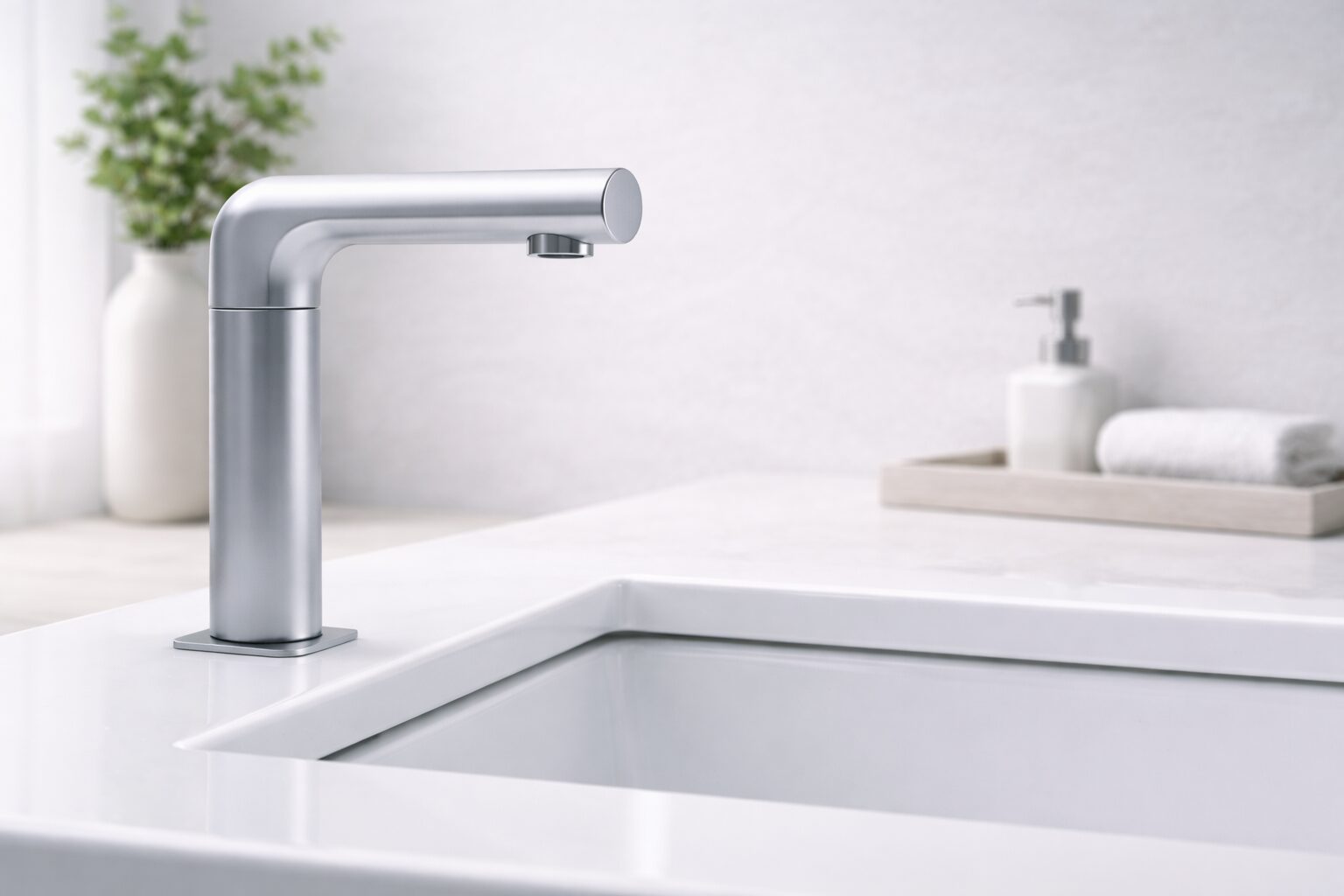
Soap vs sanitizer: what changes for specifiers
Soap is the baseline for sink zones
Soap and water remain the standard approach for sink areas because the handwashing sequence, rinse pattern, and drainage conditions are built around that use. That also affects splash control, basin coordination, and countertop cleanup.
Sanitizer adds code and placement considerations
Alcohol-based hand rub products introduce placement and capacity issues that do not apply in the same way to soap systems. In commercial projects, this matters most in corridors, entries, suites, and healthcare-adjacent spaces where local code and facility policy should be checked early.
Foam vs liquid: the real dispensing differences
Dose volume and consumption
Foam often creates broader perceived coverage with less liquid mass per activation. Liquid and gel products can sometimes lead to repeat pumping, which raises total product use over time.
- Dose volume per activation
- Adjustable output settings
- Estimated activations per refill
Clogging and residue behavior
Foam systems may be more sensitive to dried buildup at the nozzle or screen, while thicker liquids can strain pumps not designed for higher viscosity products.
- Approved viscosity range
- Nozzle cleaning procedure
- Replacement valve and screen access
Splash and sensor fouling
Water droplets, soap mist, and cleaner haze can interfere with the sensor lens. Many apparent “sensor failures” are actually maintenance issues caused by placement or residue.
- Keep out of direct spray path
- Reduce splash-zone exposure
- Include lens cleaning guidance
Maintenance predictability
Reliable operation depends less on the finish and more on matching the dispenser to the product chemistry, refill style, and real cleaning routine used by the facility team.
- Match product to pump type
- Standardize refill process
- Keep spare wear parts available
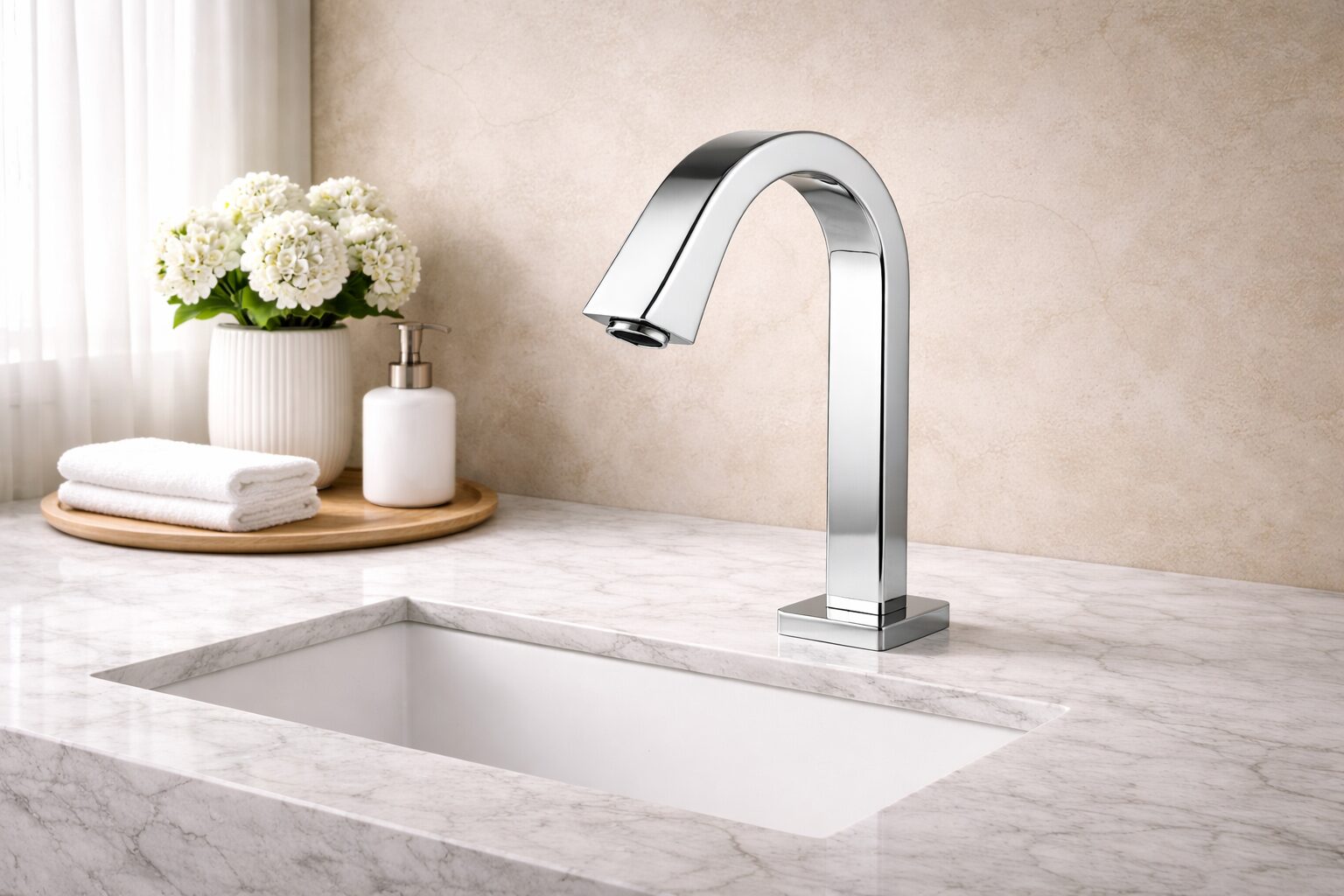
Compatibility risks: what breaks when the wrong product is used
Alcohol can affect plastics and seals
Not every dispenser intended for soap will hold up well with alcohol-based sanitizer. Over time, aggressive formulations can affect seals, housings, lenses, and internal components if the materials were not selected for that use.
Open refill systems need stricter hygiene controls
Bulk refill systems can work, but they require a defined cleaning and refill method. Topping off partially used reservoirs without cleaning can create avoidable contamination and inconsistent product performance.
Selection checklist for AEC teams
| Step | What to confirm | Why it matters |
|---|---|---|
| 1 | Where soap is required and where sanitizer is supplemental | Supports correct placement and product planning |
| 2 | Match dispenser type to foam, liquid, gel, or sanitizer | Reduces clogging, leaks, and inconsistent dosing |
| 3 | Choose sealed refill, bulk refill, or multi-feed approach | Affects hygiene control and labor requirements |
| 4 | Verify corridor and egress conditions for sanitizer | Helps avoid late-stage code conflicts |
| 5 | Add commissioning and maintenance notes | Improves long-term reliability after turnover |
Continuation: how dispenser choice affects user experience in high-traffic restrooms
In busy commercial washrooms, the dispenser has to do more than release product. It has to work quickly, stay clean-looking, and create a consistent experience for every user. When dose output is uneven, sensors hesitate, or the nozzle leaves product buildup, users often pump more than once or move to another sink.
That is why foam systems are often preferred in high-traffic settings where speed, controlled output, and a cleaner countertop appearance matter. Liquid systems can still perform well, but they usually need closer attention to viscosity range, drip behavior, and nozzle maintenance.
For facility teams, the best results usually come from standardizing the refill type across similar restroom zones instead of mixing multiple product formats in the same maintenance route.
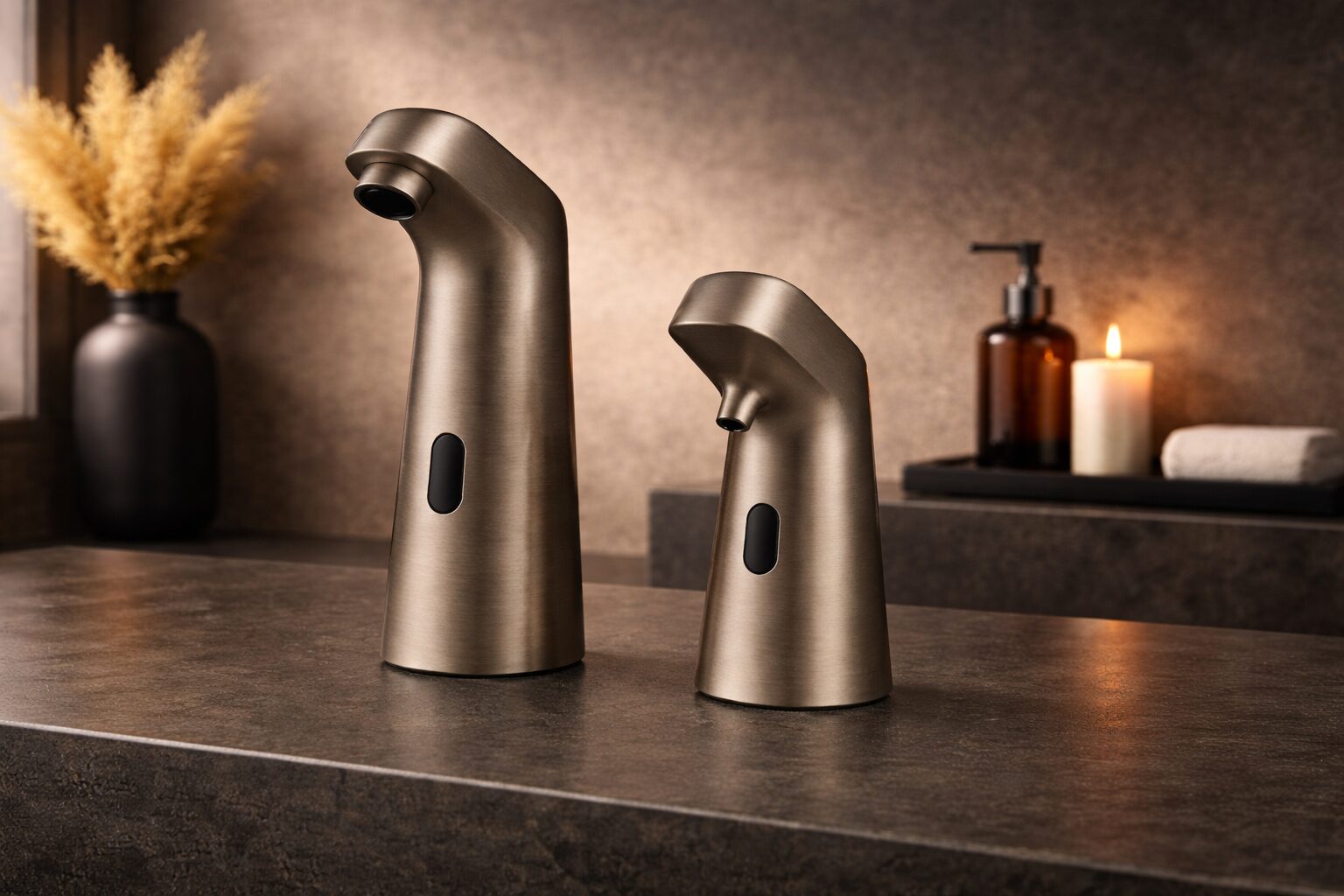
Continuation: when foam dispensers make more sense than liquid dispensers
Foam dispensers are often a strong fit for offices, education buildings, airports, retail restrooms, and other properties that value quick hand coverage with a lighter dose profile. They can also help reduce visible drips around the sink deck when the system is properly tuned.
Liquid dispensers may still be the better choice where the owner has a preferred liquid soap program, where refill availability is already standardized, or where the selected soap chemistry is not designed for foaming delivery.
The key is not choosing one format as universally better. The better option is the one that matches the refill program, expected traffic, maintenance routine, and dispenser hardware already planned for the project.
Continuation: specification notes worth adding to the final schedule
- Approved product type: foam soap, liquid soap, gel, or alcohol-based sanitizer
- Manufacturer-confirmed compatibility with seals, lens materials, and pump components
- Dose volume range and refill capacity
- Recommended mounting zone relative to faucet spray and basin edge
- Cleaning instructions for nozzle and sensor lens
- Replacement parts list for high-wear items
These short notes make the schedule more useful during submittals, turnover, and future maintenance. They also reduce the chance of product substitutions that look similar on paper but do not perform the same way in the field.
Conclusion
Soap and sanitizer are not interchangeable in automatic dispenser specifications. Soap remains the standard for sink zones, while sanitizer introduces added placement and compatibility concerns. Foam and liquid delivery formats also change dosing behavior, residue patterns, and maintenance needs.
The most reliable approach is to define the product by location, verify compatibility before ordering, align the dispenser with the refill program, and include practical maintenance notes in the final documentation. That helps the finished restroom look better, work more consistently, and stay easier to maintain over time.