
Sensor-Soap Dispenser Pairing: Matching with Faucet Technology, Basin Shape & User Flow
Touch free soap dispensers do not operate in isolation. They share the same “hand zone” as the faucet stream, basin bowl, counter deck, and user approach path. When soap and faucet are not coordinated, the result is predictable: users hunt for the activation point, re trigger the sensor repeatedly, drip soap onto the deck, or block the faucet sensor while trying to get soap.
In healthcare and other high accountability facilities, hand hygiene infrastructure is explicitly described as a system that includes sinks, faucets, drying, and dispensers. That system level view is the most practical way to reduce complaints and improve reliability.
This guide explains how to pair a sensor soap dispenser with faucet technology, basin geometry, and user flow so the installation performs consistently in heavy use restrooms.
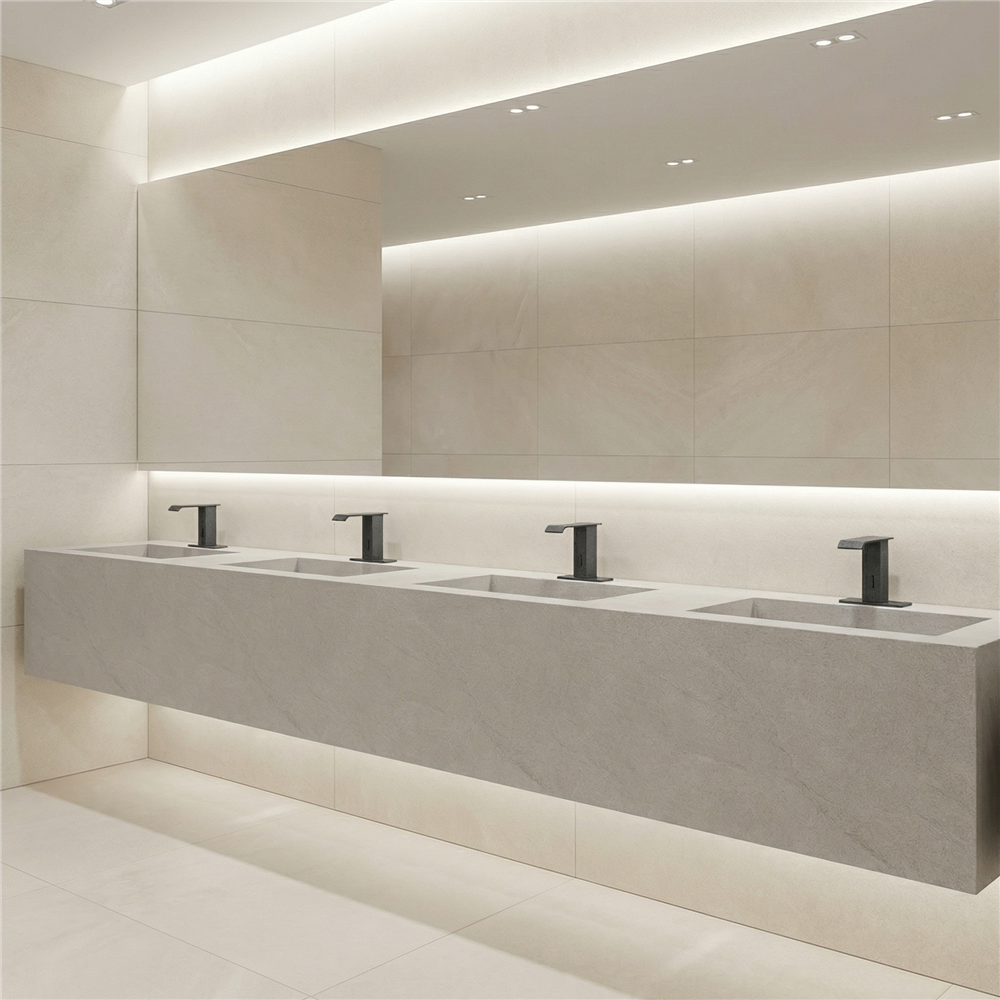
Working definition
Sensor soap dispenser pairing means selecting and locating the soap dispenser so that:
- The activation zone is over the intended lathering area
- The dispense point is over the basin bowl, not the deck
- The soap sensor does not nuisance trigger from faucet water, reflections, or pass by traffic
- The user sequence is intuitive: soap first, then rinse, then dry
Many dispenser troubleshooting guides state that hands must be positioned properly to activate and that product is designed to dispense only when hands are placed in the correct location.
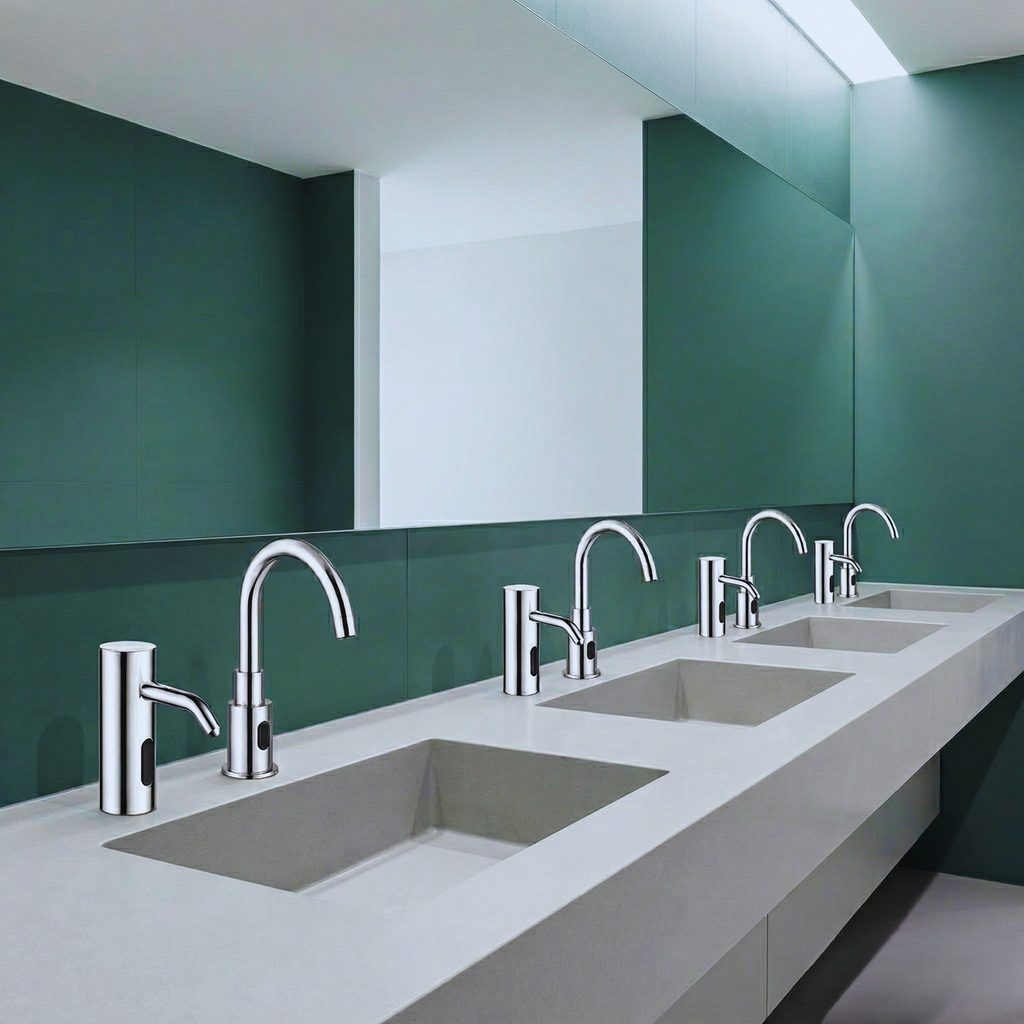
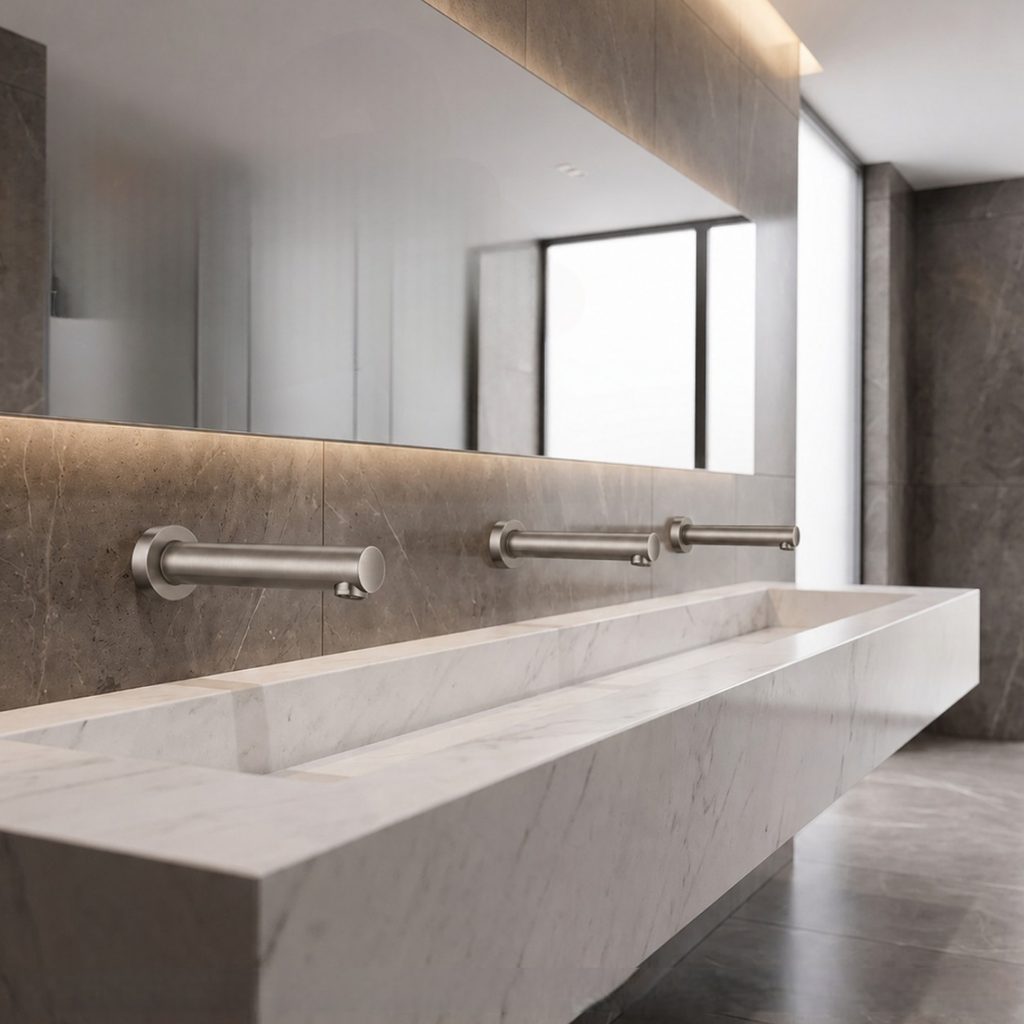
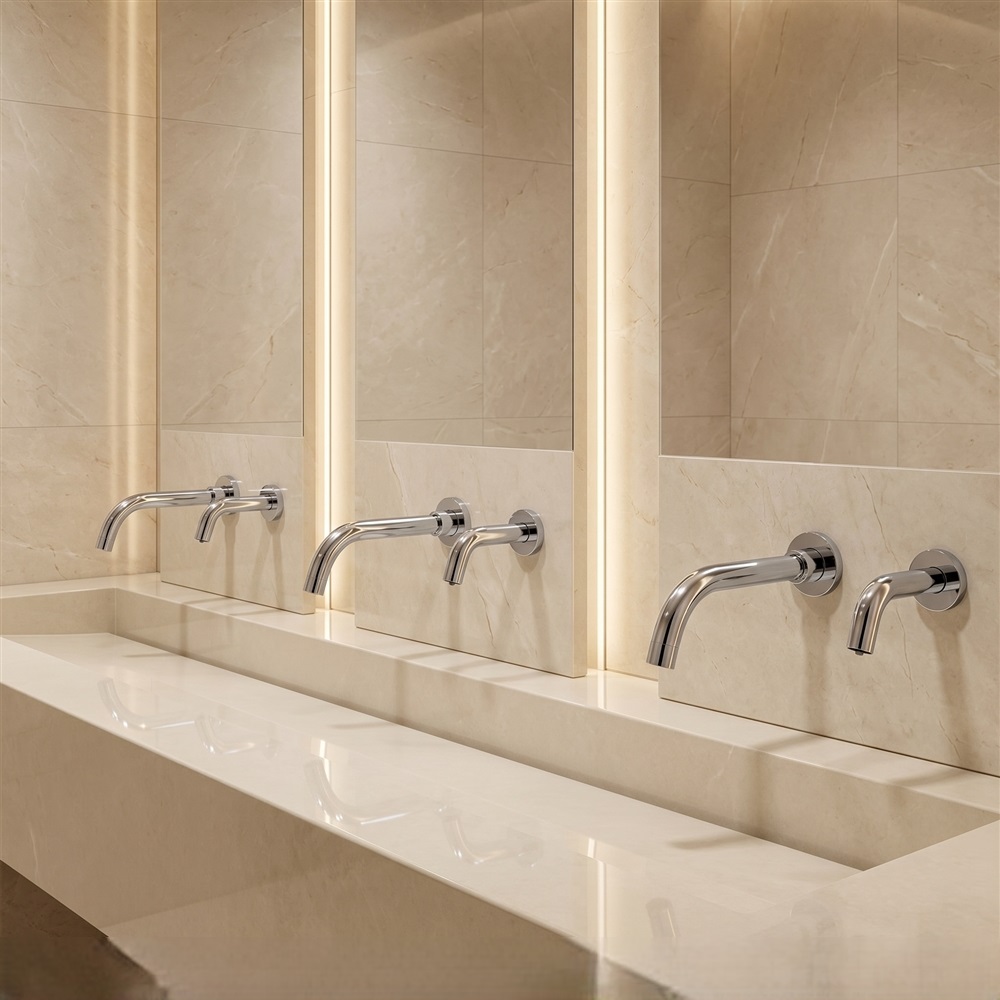
Start with the user sequence at the sink
A typical user sequence in a public restroom:
If the soap sensor is placed where users naturally go to rinse, it can fire repeatedly during rinsing. If the soap is placed too far from the basin, it will drip on the deck and increase cleaning.
Practical pairing goal
- Soap activation zone should be located where lathering naturally happens, usually over the bowl before the faucet stream is engaged.
- Faucet activation zone should be located where rinsing happens, centered under the spout and aligned with the basin bowl.
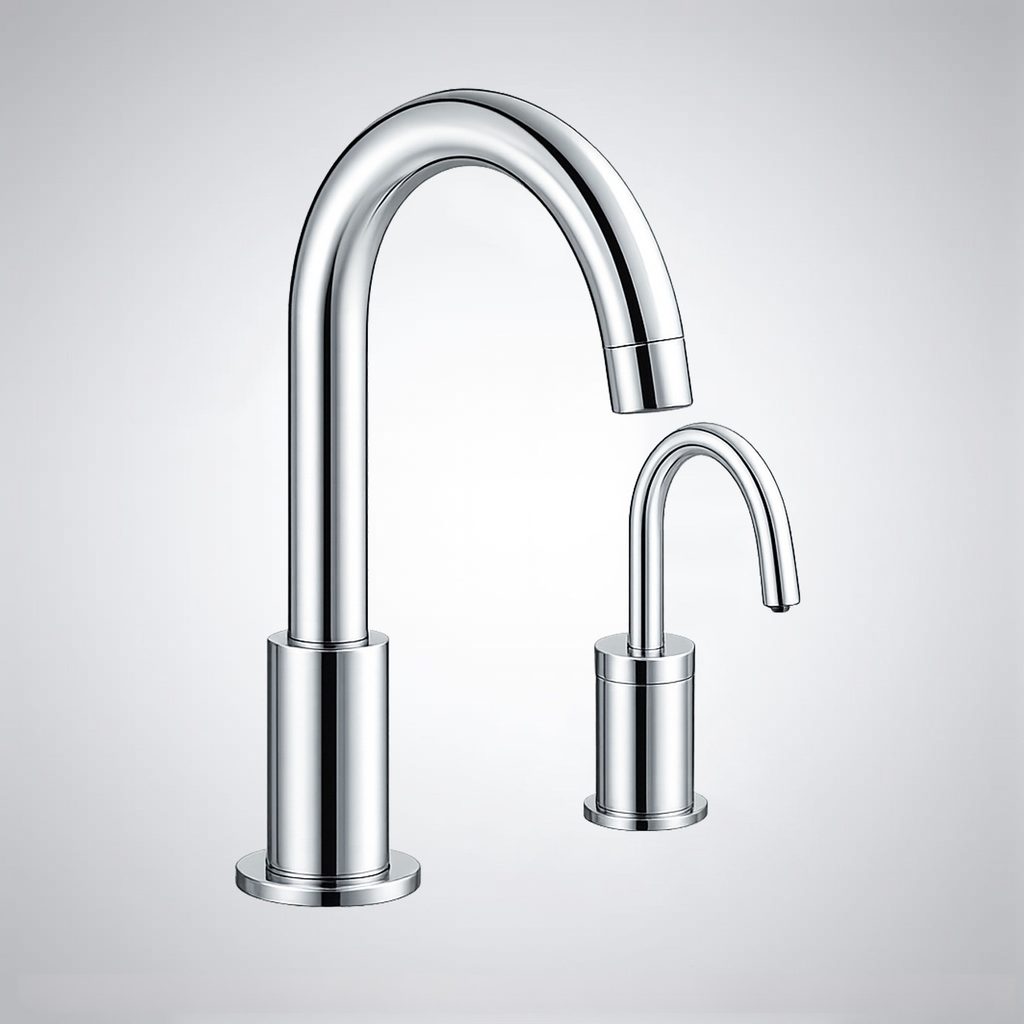
Pair the soap dispenser with faucet technology
IR or capacitive
Sensor faucets can create two common conflicts:
- Water stream movement and splash enters the soap sensor field of view
- Users wave hands to trigger water and soap at the same time, creating double events
Some manufacturer maintenance guidance warns to install to avoid the sensor “seeing” faucet running water and even user cuffs. This is a direct clue that faucet stream line of sight can cause nuisance triggers.
Design actions
- Keep soap sensor line of sight away from the faucet stream path
- Place soap slightly lateral to the faucet activation zone in multi sink runs, so the soap event happens before hands are under the spout
- Commission both devices together, not separately
Fixed run time
Metering faucets have a fixed run time. Users often prioritize getting water first because they do not want the timed cycle to end during lathering. That can lead to rushed soap use and re triggers.
Design actions
- Place soap so it is reached before the faucet activation point
- Consider a soap dose setting that supports a single activation for most users to reduce repeat triggers
Touch-operated control
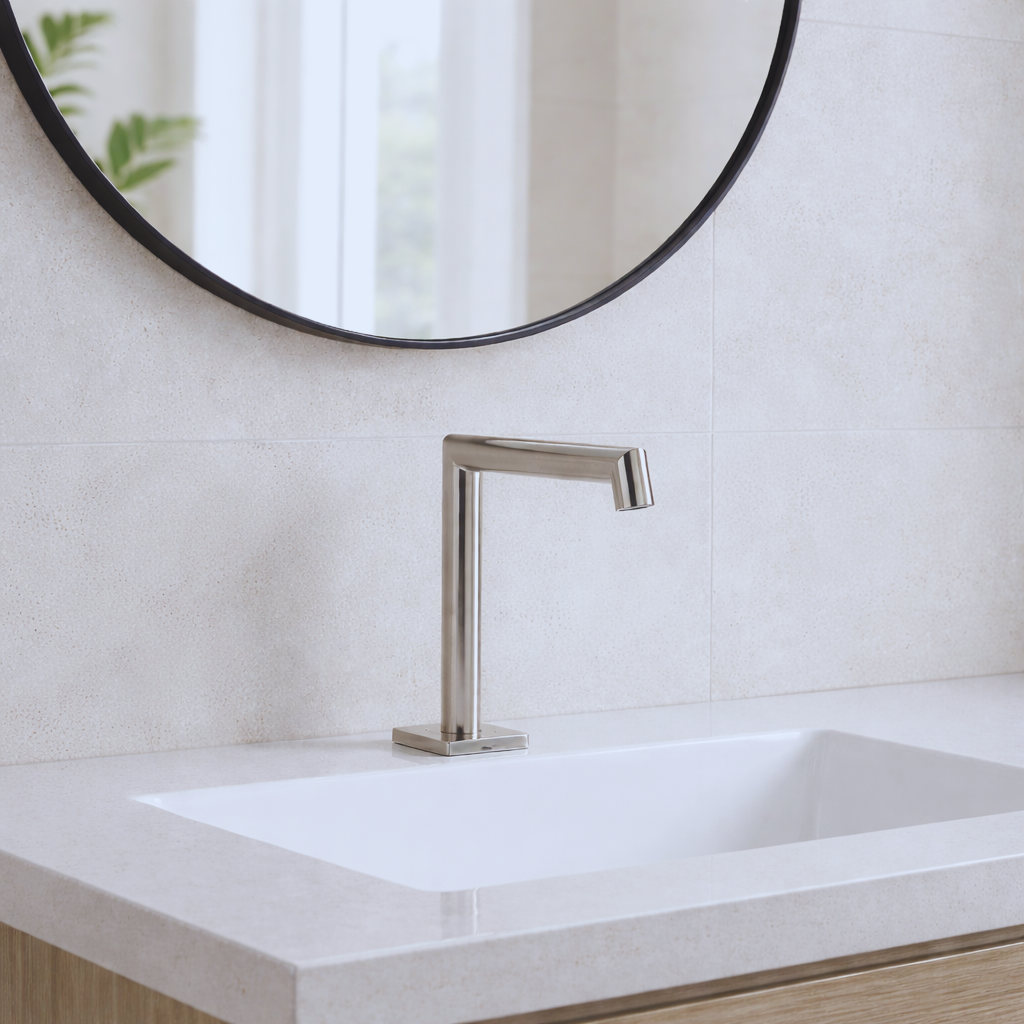
Manual faucets reduce sensor to sensor conflicts but increase touch points. If manual faucets are used, soap should still be placed so dripping falls into the bowl and so users do not lean on the dispenser while operating the faucet.
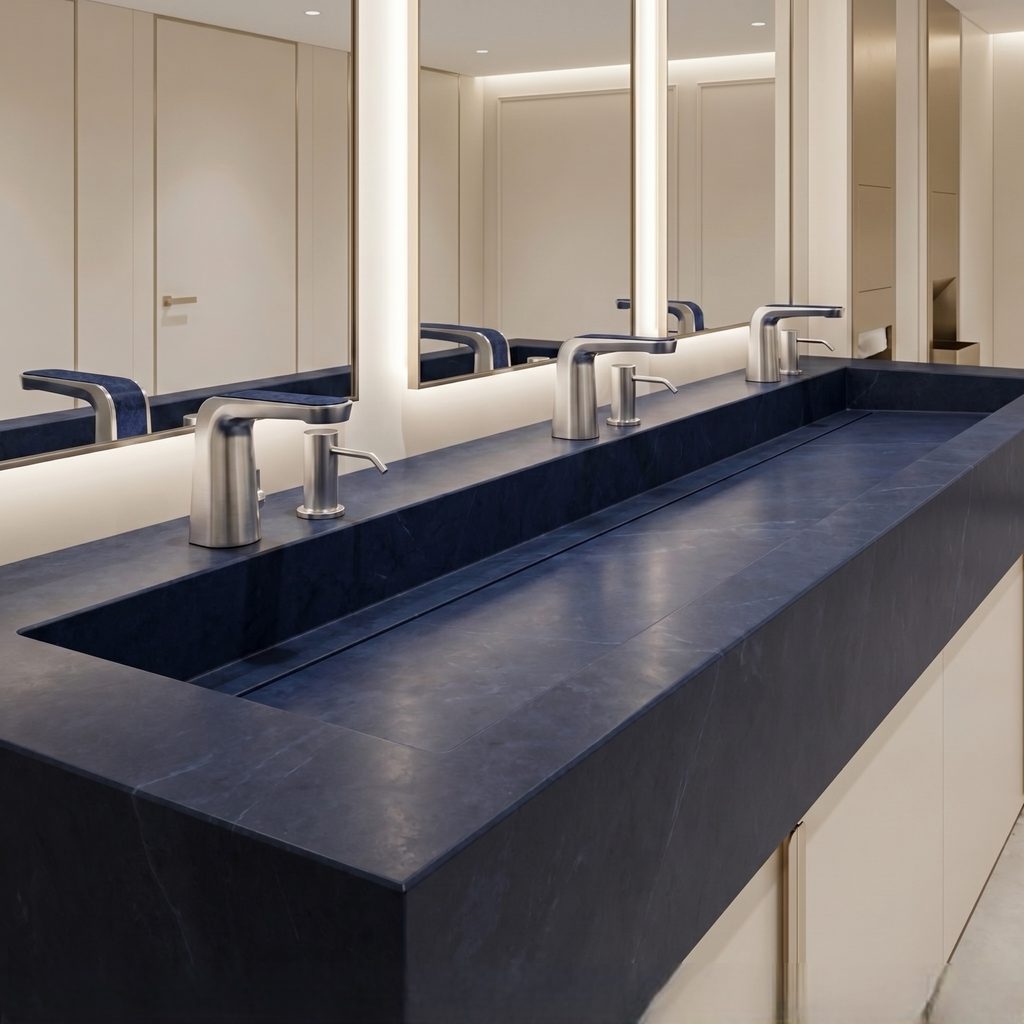
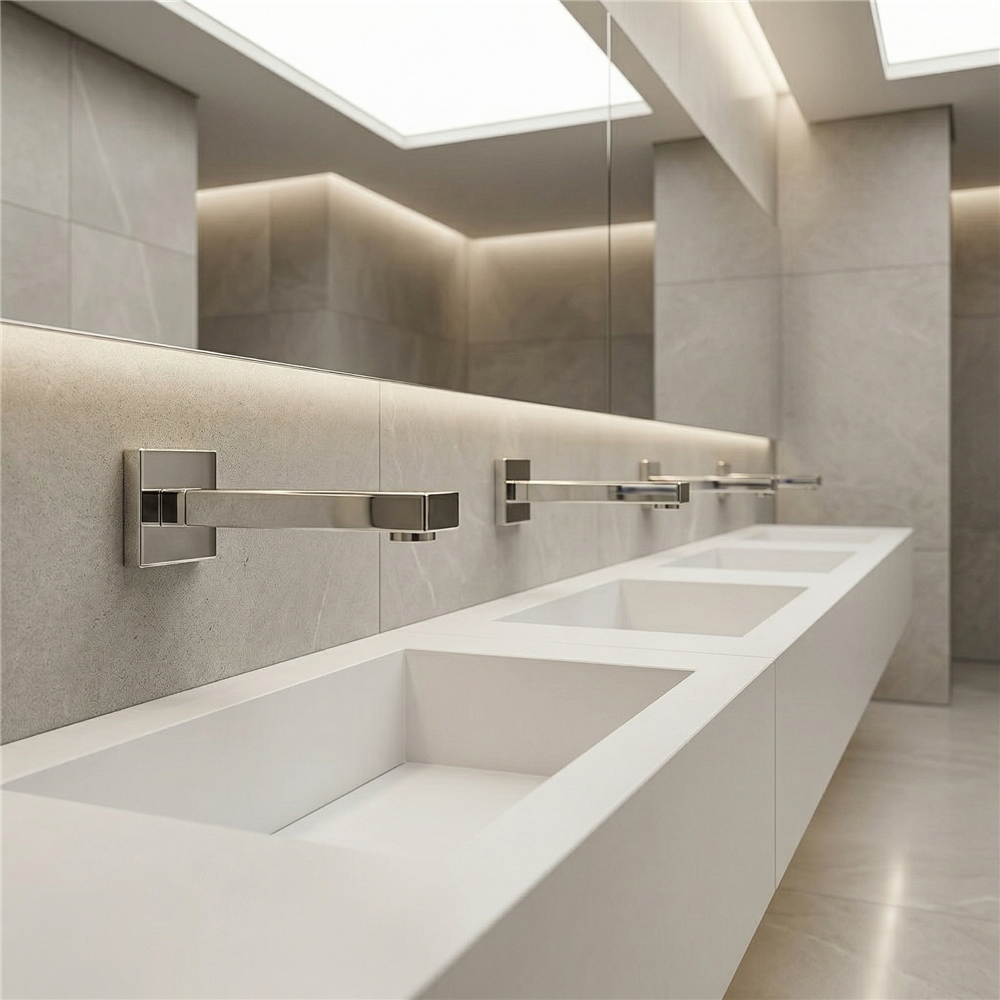
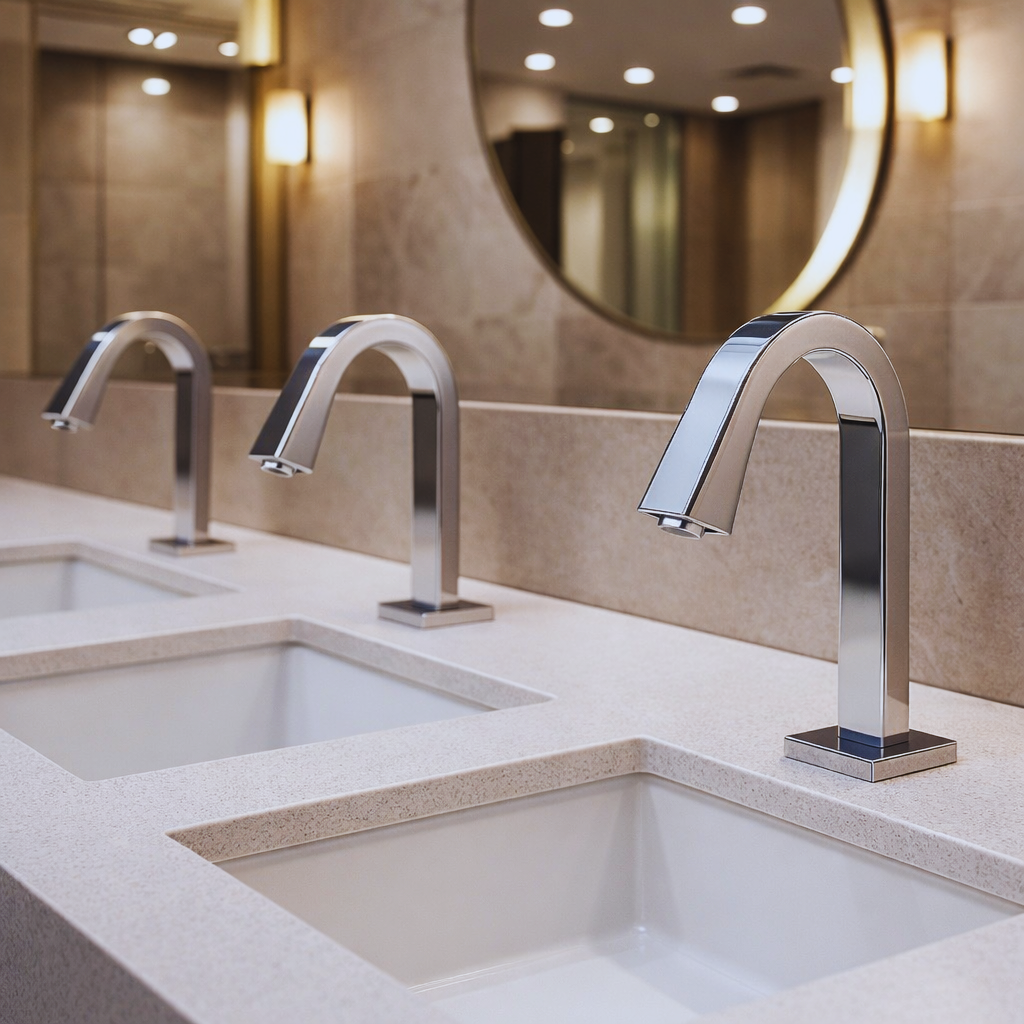
Match the dispenser to basin shape and counter geometry
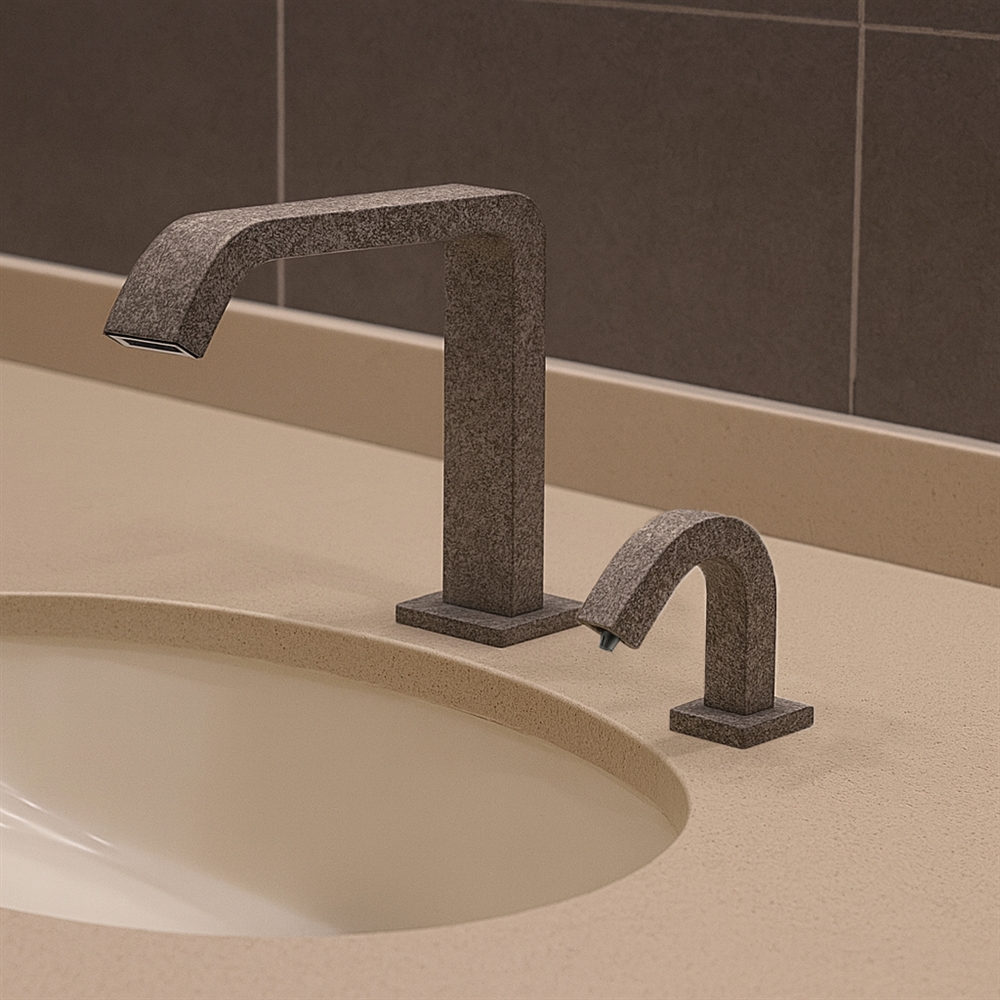
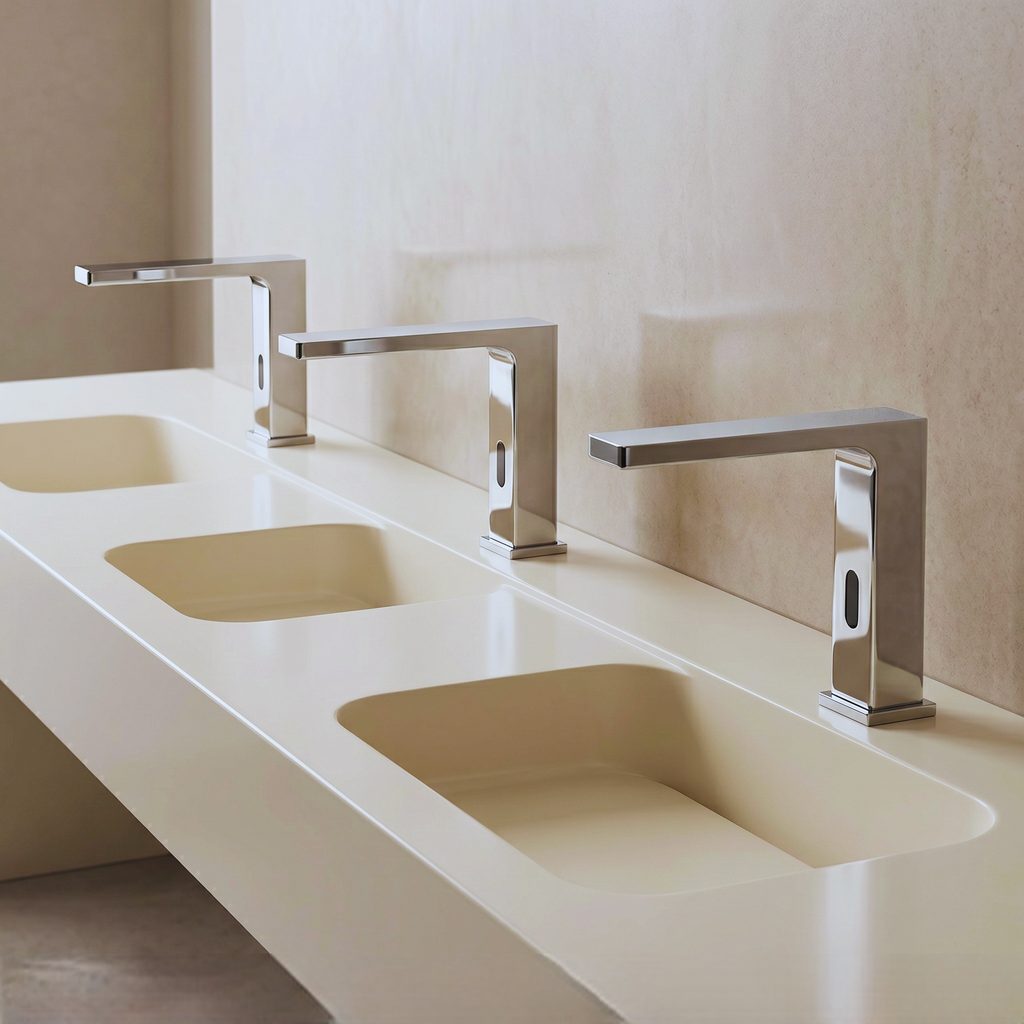
Basin geometry is one of the most overlooked causes of poor soap performance. If the dispenser is mounted behind a vessel or drop in basin, the sensor may be too far from the bowl or too close to the deck surface.
A clear example comes from a Bradley deck mounted soap dispenser spec sheet: it calls for a minimum clearance between the sensor and the surface or bowl, and it notes that for drop in or vessel style basin applications, the dispenser must be mounted on the basin, not on the counter behind it, to meet sensor range requirements.
| Basin / counter condition | Risk | Design actions |
|---|---|---|
| Undermount basins with wide decks | Soap dispenses on deck because users keep hands too far back |
|
| Drop in and vessel basins | Mounting behind the basin shifts the activation zone away from hands |
|
| Shallow bowls and high splash zones | Splash and soap film reaches the sensor window, causing blind zones and nuisance triggers |
|
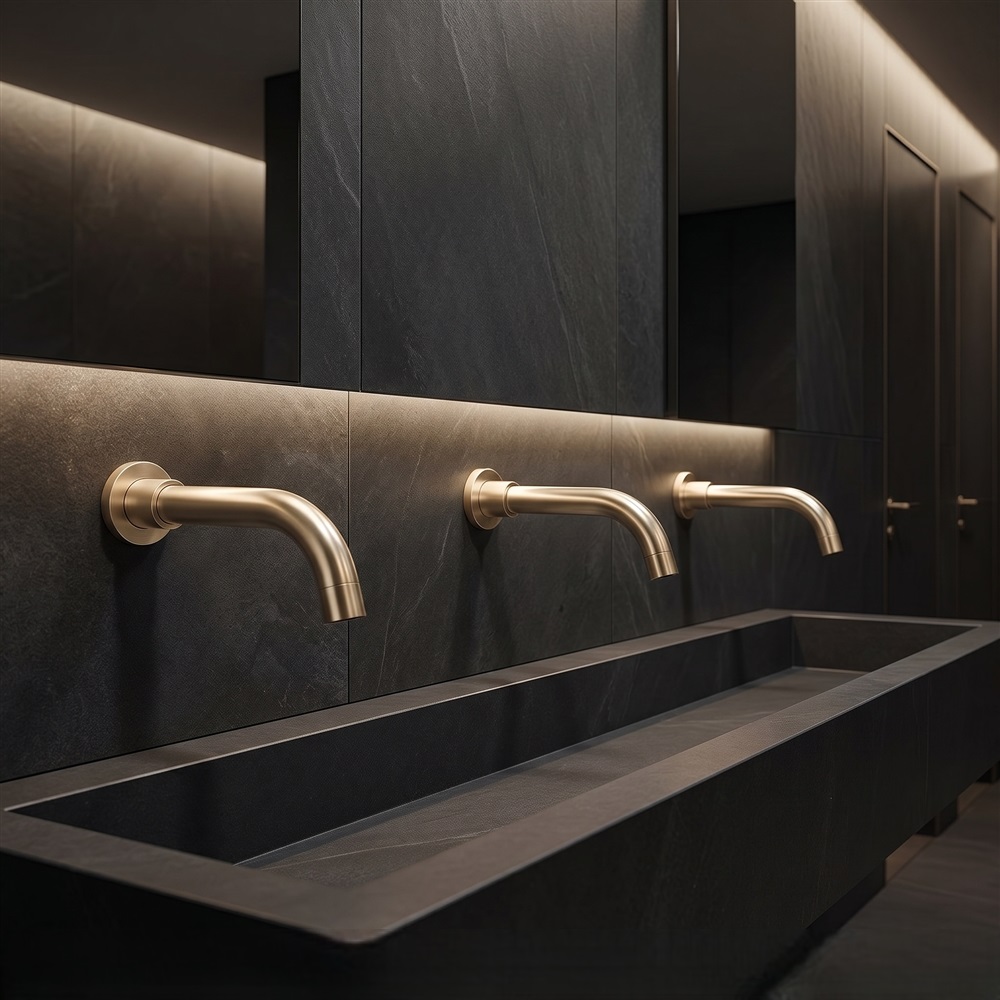
Use hand positioning guidance as a design test
When a dispenser is sensitive to hand placement, design must make that placement intuitive. A GOJO LTX troubleshooting guide states that hands must be located properly to activate and gives a reference position of about two inches beneath the center of the dispenser.
AEC commissioning test that works
- Ask 10 users to use the sink without instruction
- Record first attempt soap activation success rate
- If users miss the activation zone often, the placement is wrong or the sensor field is obstructed
Account for accessibility and reach ranges
Even touch free dispensers can have operable parts such as locks, manual overrides, or service actions. The Access Board guidance explains that reach range requirements apply to operable portions of elements.
Design actions
- Place any user operable portion within accessible reach ranges
- Avoid placing dispensers where users must reach around a faucet or over deep counters
- Coordinate with grab bars and restroom layouts so dispensers do not conflict with accessible fixture zones
Pair with user flow to reduce congestion and nuisance triggering
In heavy use restrooms, user flow is as important as hardware.
Common congestion patterns
- Users queue at the center sink because it is closest to the entry
- People pass behind users and cause sensor activity if devices face outward
- Drying areas too close to sinks cause cross traffic
Design actions
- Avoid placing soap sensors where pass by traffic can enter the detection zone
- Keep soap and faucet activation zones oriented toward the bowl, not toward circulation aisles
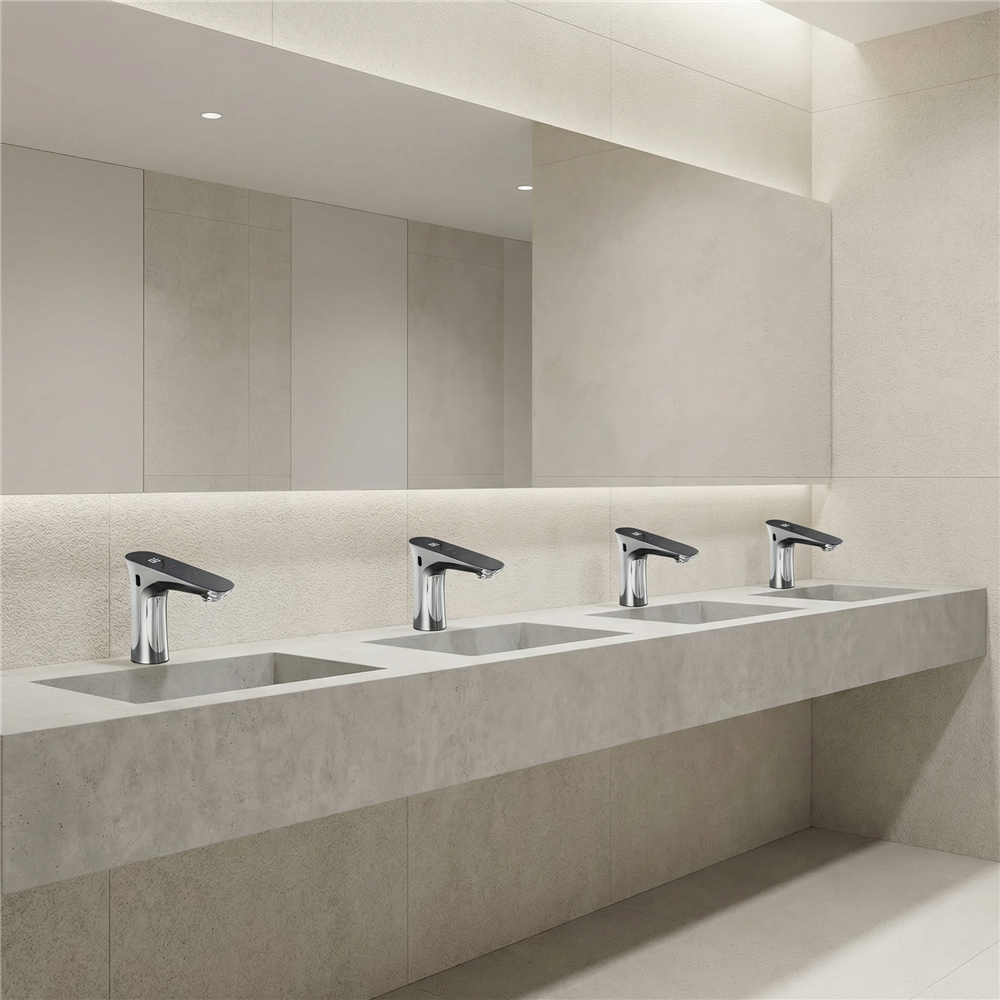
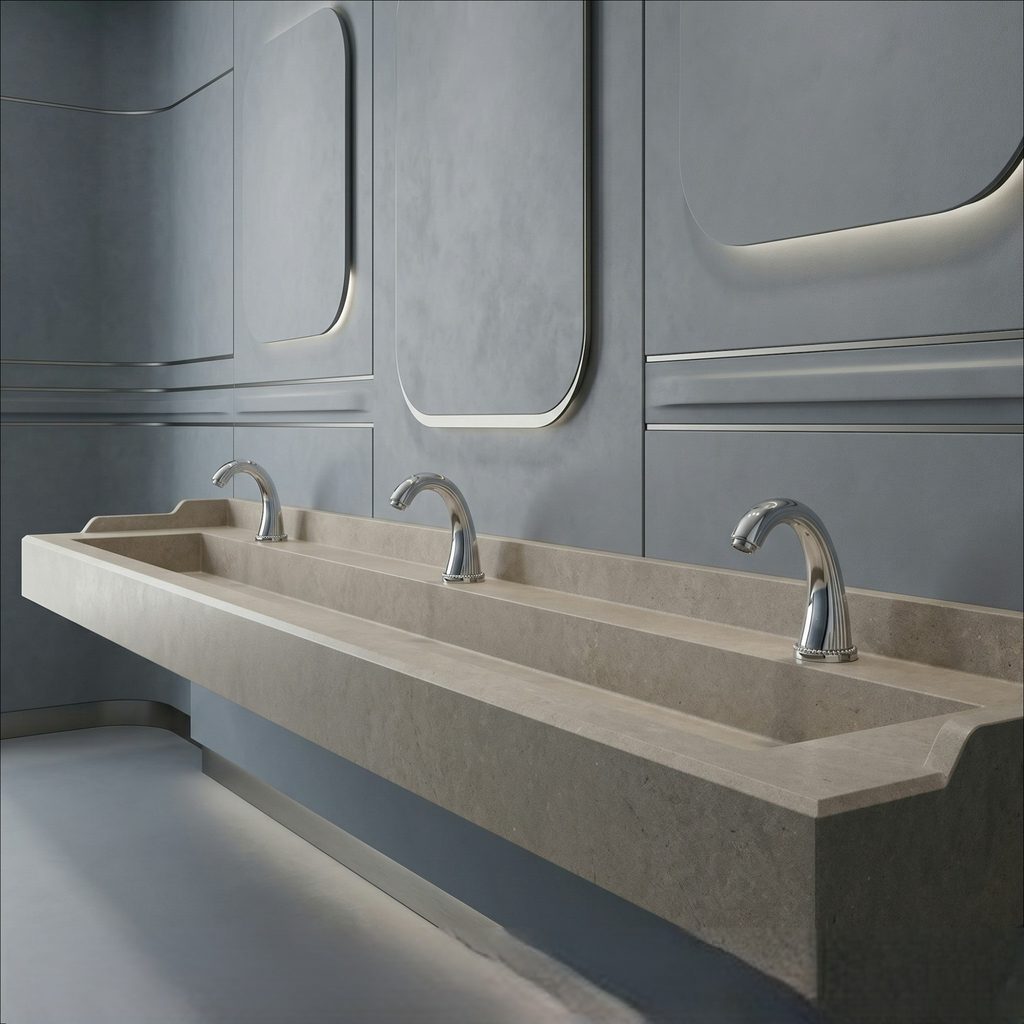
- If multiple sinks are in a row, standardize soap placement so every bay works the same way
Specifier checklist: pairing soap dispenser with faucet and basin
Sink zone geometry
- Dispense point located over bowl opening
- Minimum sensor clearance confirmed for the model
- For vessel or drop in basins, verify if basin mounting is required
Faucet interaction
- Soap sensor does not have line of sight to faucet stream
- Soap activation zone is not the same zone used to trigger a sensor faucet
- Rinse zone is centered under spout and inside bowl splash control
Hand positioning performance
- First attempt activation tested
- Users do not need to “hunt” for activation point
- Reference positioning guidance used during commissioning
Accessibility and operable parts
- Any operable parts meet reach range intent
- Dispenser location avoids conflicts with accessible layouts and circulation
Conclusion
A high performing touch free sink bay is a coordinated system: faucet technology, basin geometry, soap activation zone, and the way users approach and move through the space. The most reliable pairings place soap dispensing over the bowl, keep soap sensors out of faucet stream line of sight, and respect sensor range requirements in vessel and drop in basin layouts. Commissioning should test real hand positioning and user flow, not only a single activation during installation. This system approach reduces nuisance activation, reduces soap on decks, and improves user experience in heavy use restrooms.
Supporting References
Hand positioning and nuisance dispensing guidance
Support document
View troubleshooting guideDeck mounted dispenser sensor clearance and vessel basin requirement
Support document
View Bradley support documentADA Access Board operable parts reach guidance
View Access Board guidanceHealthcare hand hygiene infrastructure includes dispensers and faucets
Support document
View ASHE quick guide