Commercial AEC Update
Commercial Automatic Soap Dispenser Systems
In commercial restroom specifications, automatic soap dispensers are not evaluated only as countertop accessories. Architects, plumbing engineers, facility managers, and hospitality operators usually review dispenser type, refill access, wall or deck mounting, power method, finish coordination, maintenance visibility, and how the system works beside touchless faucets and hand dryers.
This updated page uses the most relevant FontanaShowers product paths, category links, installation references, touchless faucet resources, and AEC authority sources to support a stronger commercial washroom article for airports, hospitals, hotels, universities, stadiums, offices, and public facilities.
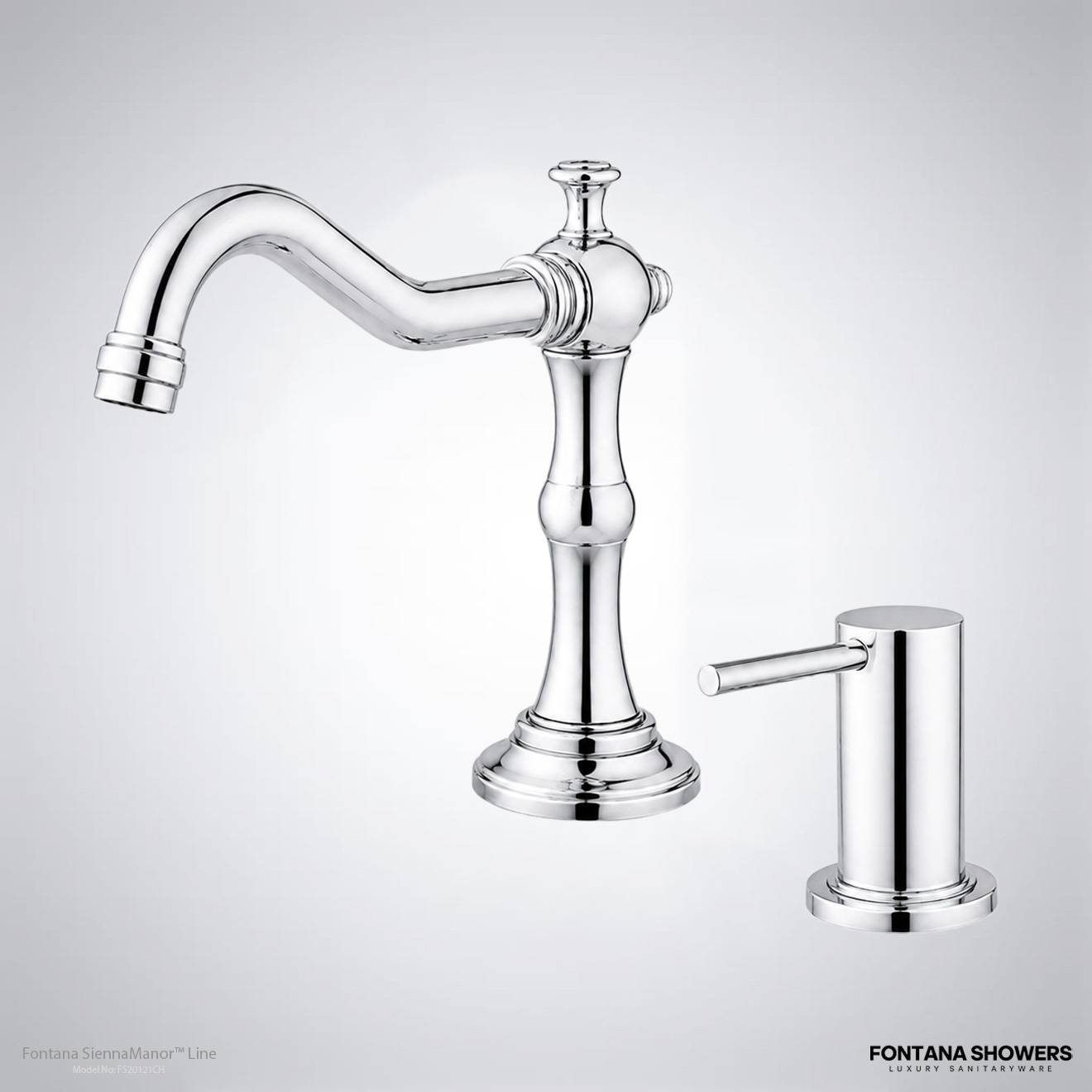
Image Reference Frames for the Updated Post
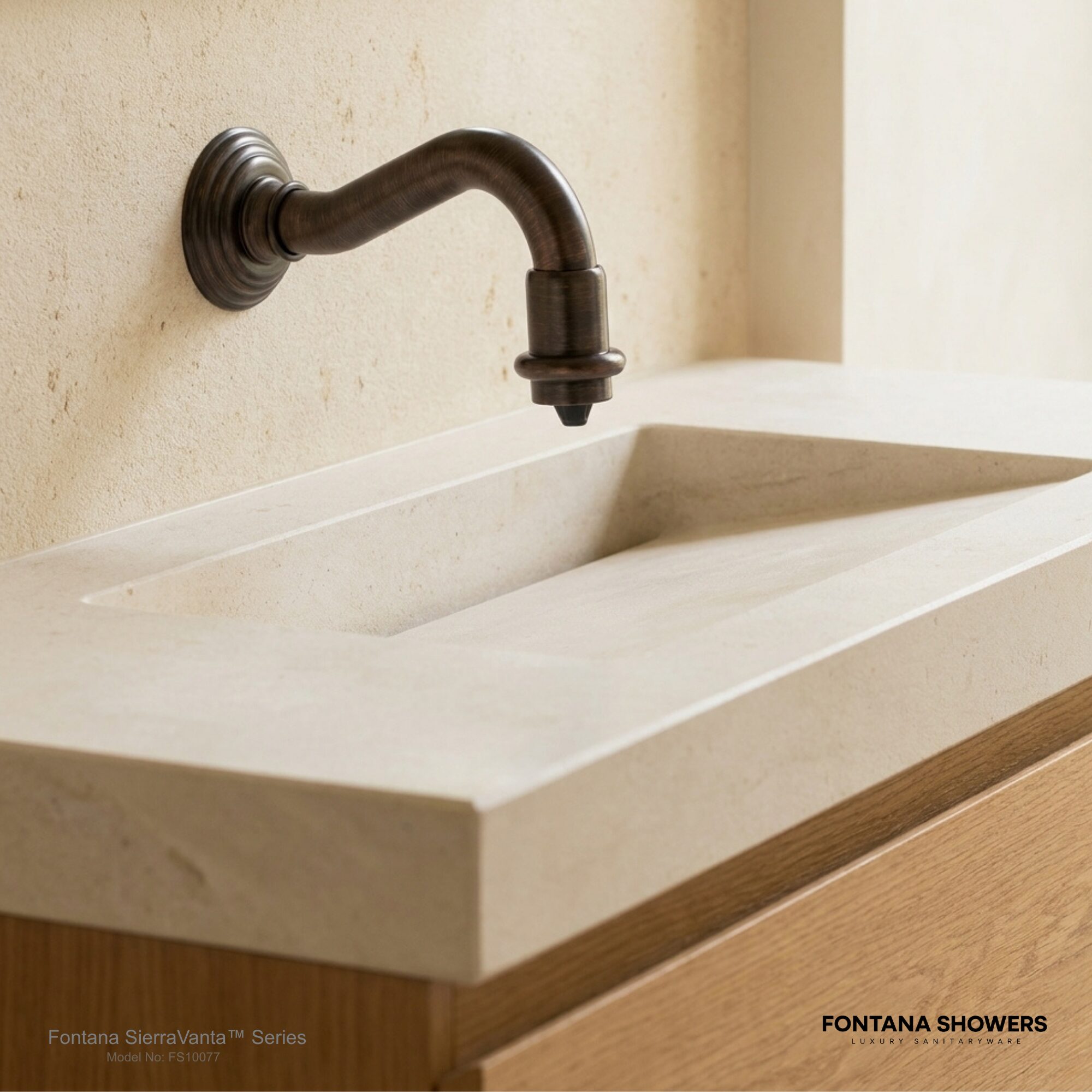
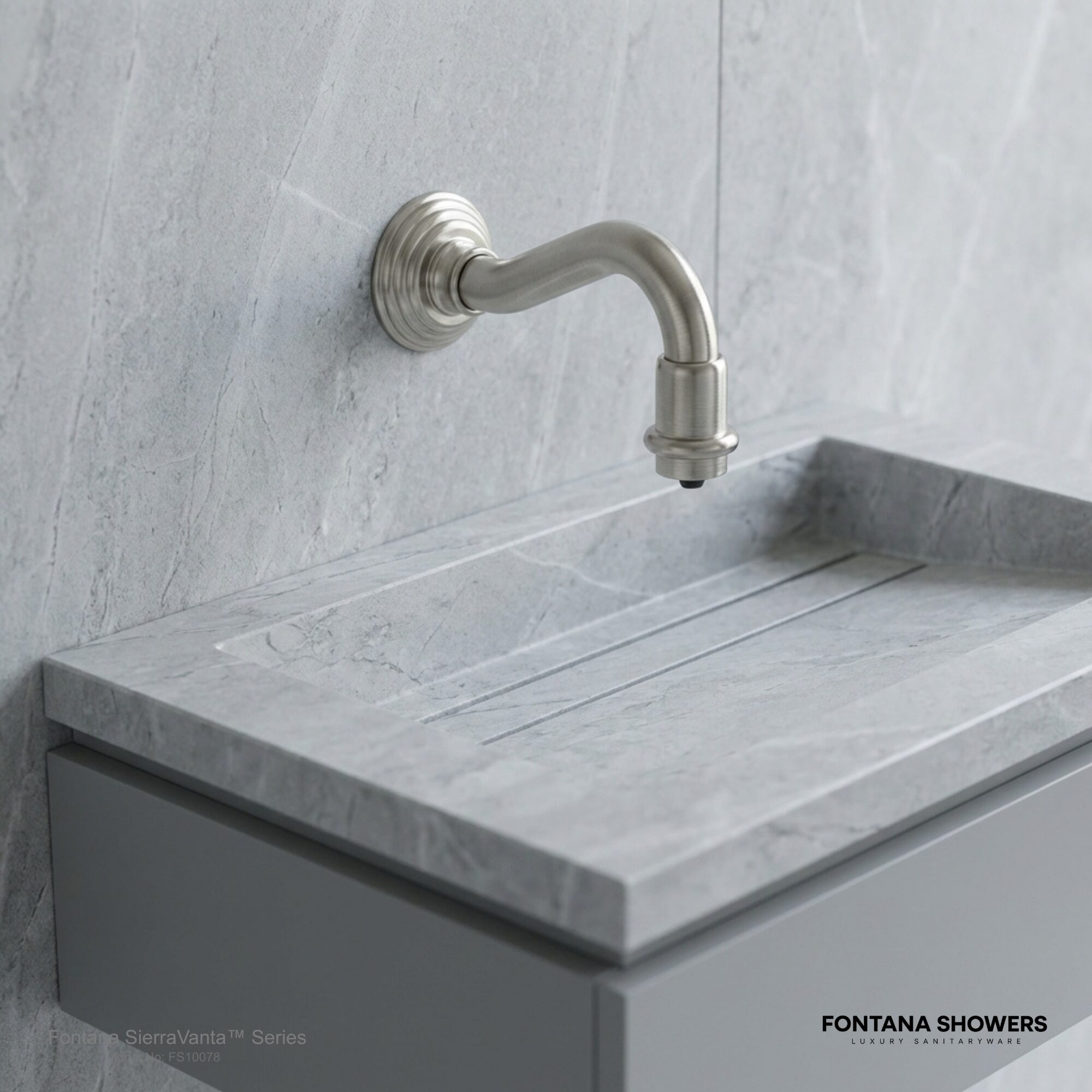
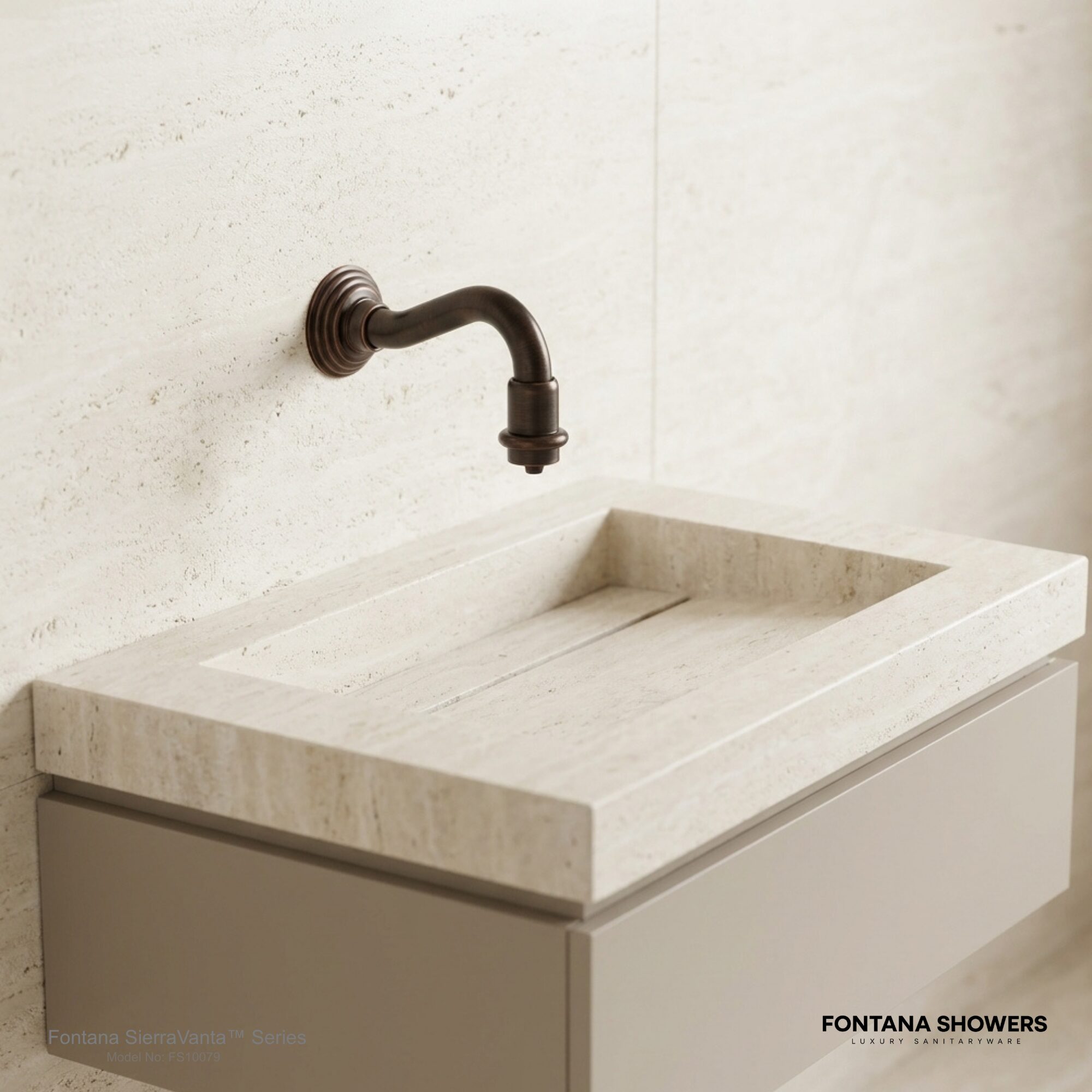
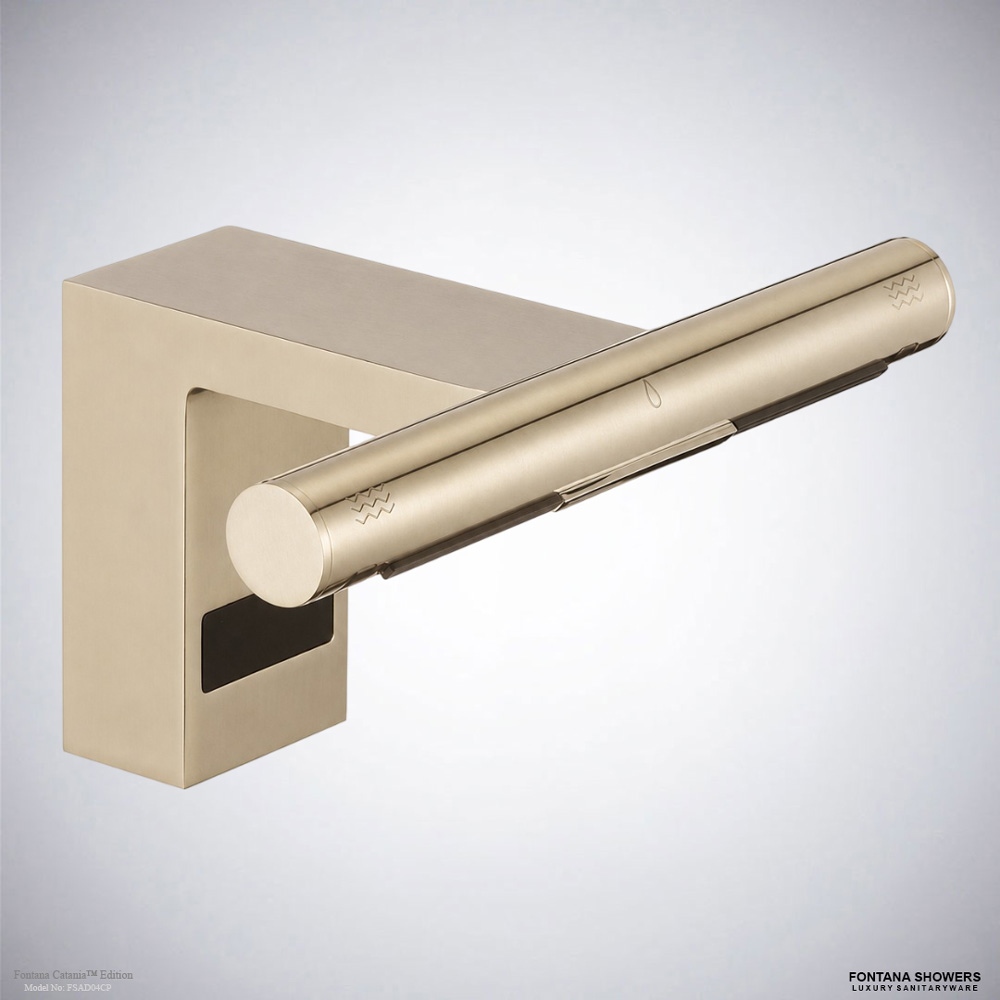
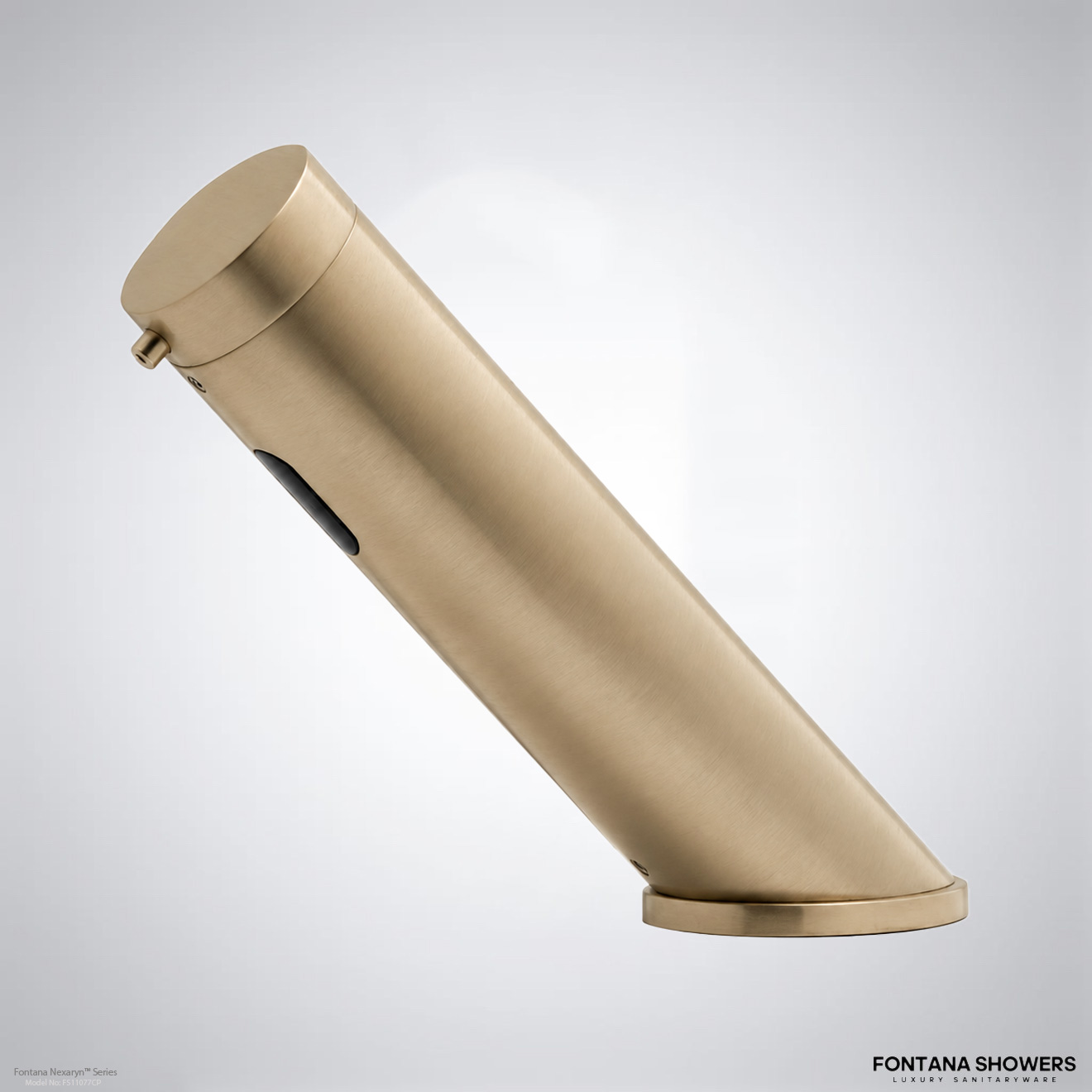
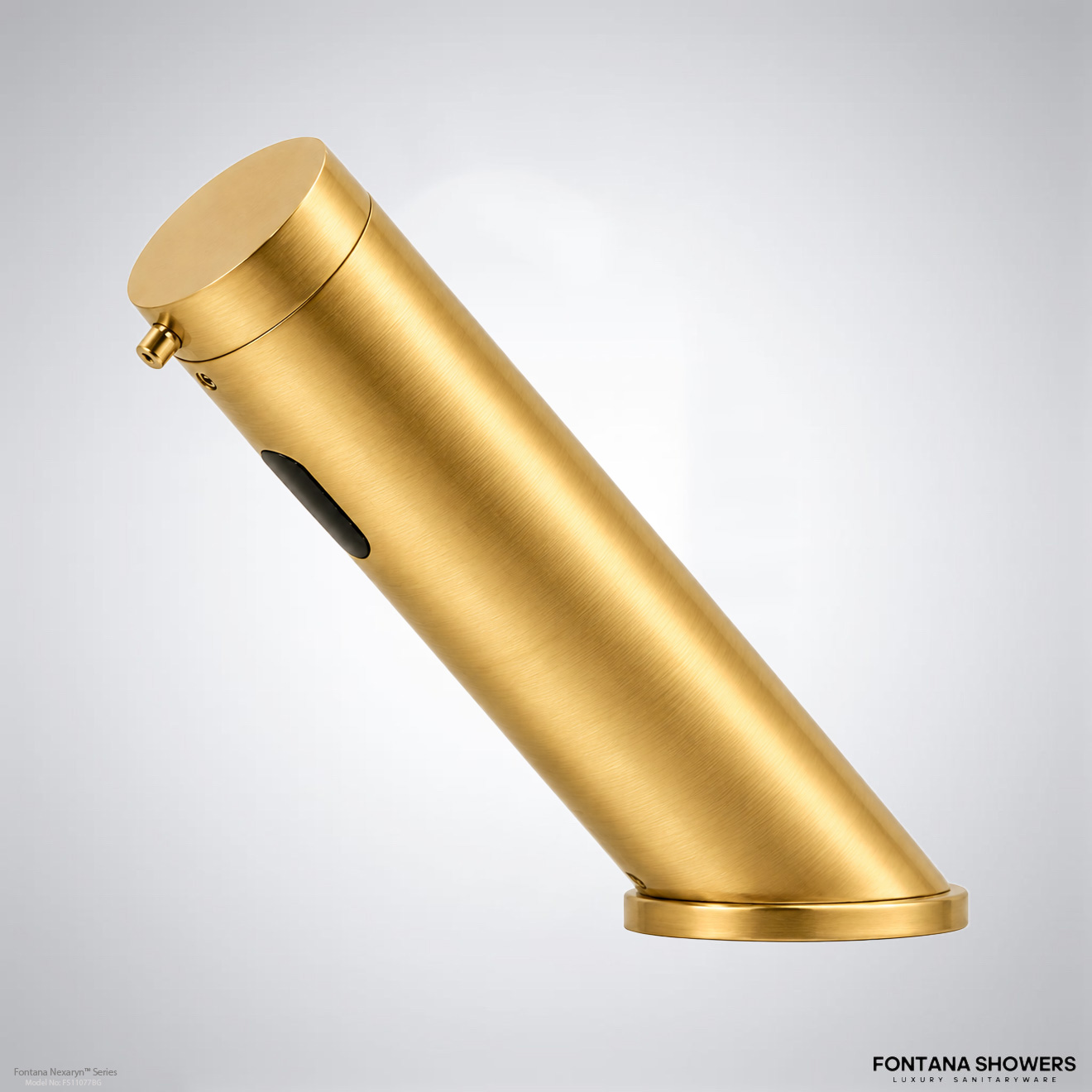
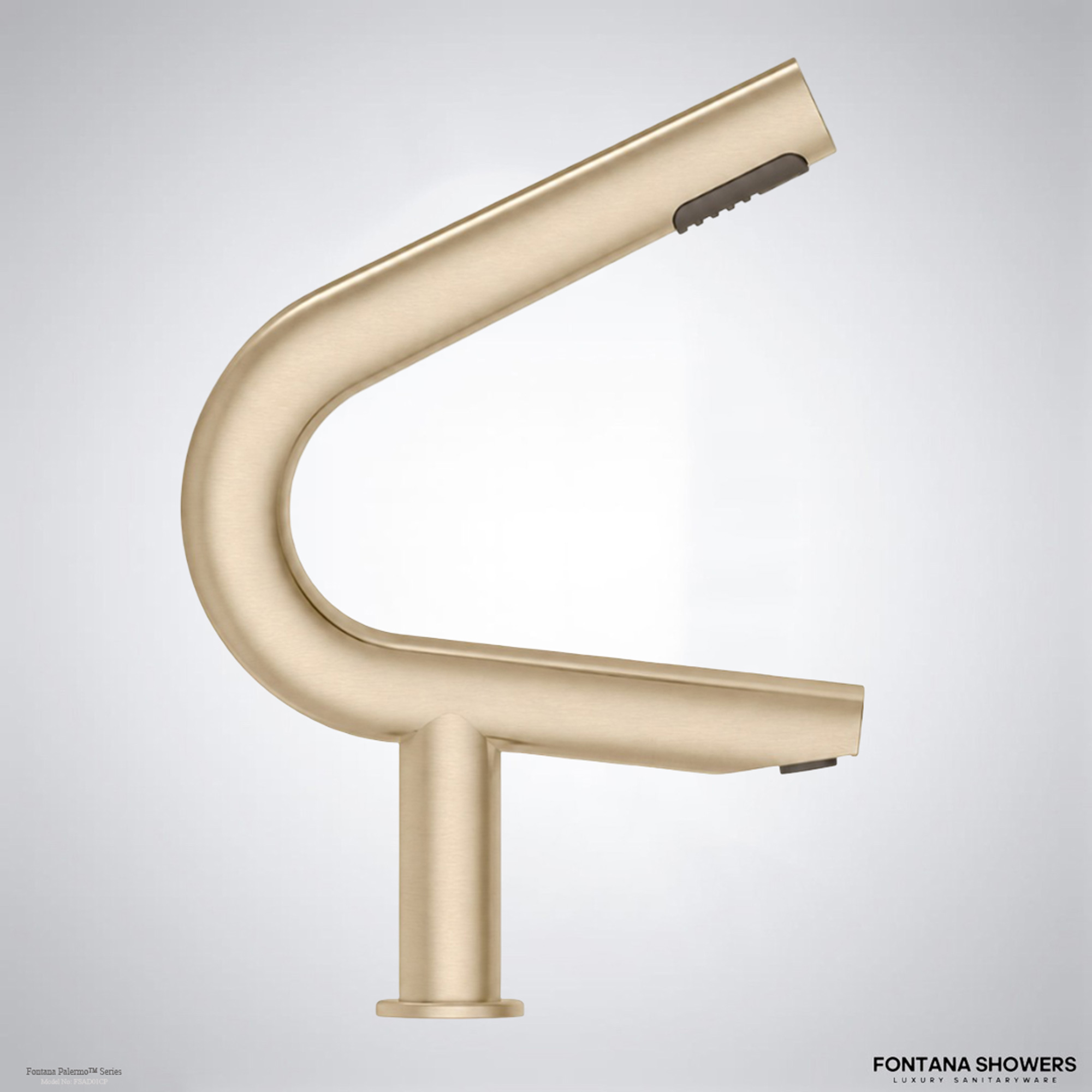
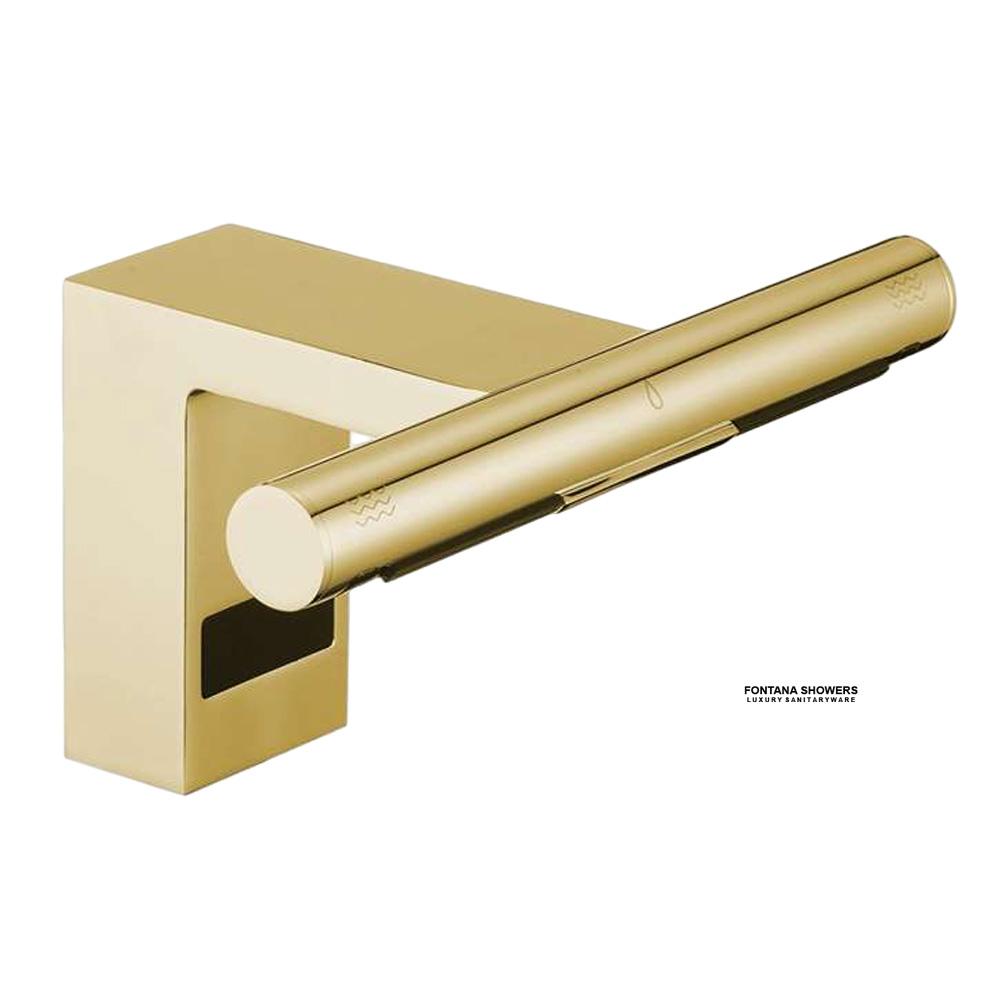
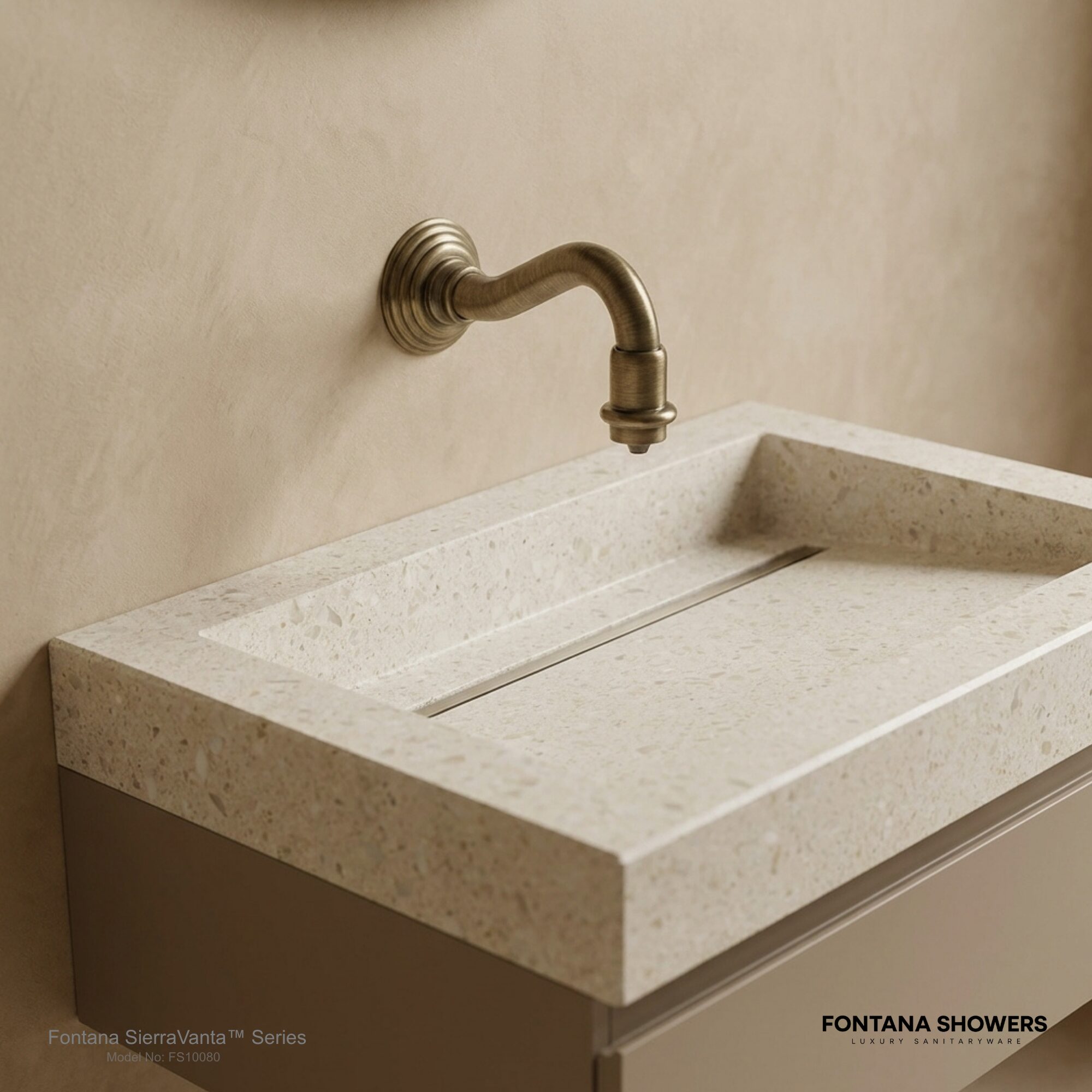
Use these visual frames to break up the article, support image indexing, and make the commercial soap dispenser comparison easier to scan.
How Architects and Owners Evaluate Automatic Soap Dispenser Systems
For commercial projects, the best system is not only the one that looks good on the counter. The submittal should make refill access, soap compatibility, power, finish, and long-term service clear before installation.
Commercial Soap Dispenser Architecture
Commercial automatic soap dispenser selection usually starts with the mounting condition: deck-mounted, wall-mounted, countertop, under-counter, or coordinated faucet-and-soap packages. The strongest specification links are the ones that clearly match the sink layout, refill path, finish intent, and maintenance routine.
Read More
Top Issues with Automatic Soap Dispensers
The most common failure points show up during commissioning, operations, and maintenance, especially in high-traffic washrooms where the dispenser must work beside touchless faucets, mirrors, vanities, waste openings, and hand dryers.
Read More
Most Relevant FontanaShowers Links for This Commercial Soap Dispenser Article
The table below replaces broad brand comparisons with more relevant product, category, installation, and technical paths for a commercial automatic soap dispenser page.
| Priority | Recommended Link | Why It Fits This Article | Specification Value | Watchouts / Coordination Notes |
|---|---|---|---|---|
| Primary 1 | Auto Soap Dispensers Category | Best landing path for users comparing automatic soap dispenser options across commercial restroom layouts. | Supports category-level internal linking, product discovery, and commercial washroom specification traffic. | Use this as the main related category instead of linking only to one product model. |
| Primary 2 | Fontana Commercial Wall Mount Automatic Soap Dispenser | Most directly relevant product link for wall-mounted commercial soap dispenser discussion. | Useful for public restrooms, airports, healthcare settings, schools, and office towers. | Coordinate mounting height, wall backing, refill access, and nearby sink/faucet placement. |
| Primary 3 | Fontana HygienicWave Brushed Gold Automatic Dispenser | Strong fit for hospitality, design-forward washrooms, and finish coordination sections. | Supports architectural finish discussions where gold or warm metallic fixtures are part of the design package. | Confirm finish durability expectations for high-frequency cleaning programs. |
| Primary 4 | Hardwired Automatic Soap Dispenser | Relevant when the article discusses long-term operations, battery reduction, and hardwired restroom planning. | Useful for high-traffic buildings where maintenance teams prefer fixed power over battery replacement cycles. | Coordinate electrical rough-in, transformer location, and access panel requirements early. |
Read More
| Support 5 | Commercial Automatic Soap Dispenser Countertop | Useful for countertop and vanity-mounted dispenser comparisons. | Supports selection where the soap outlet is coordinated directly with the sink deck. | Check deck thickness, bottle clearance, pump access, and backsplash interference. |
| Support 6 | Commercial Soap Dispenser Wall Mount | Additional wall-mount product path for commercial restroom applications. | Helps support wall-mounted dispenser SEO and product relevance. | Confirm wall access, refill method, and cleaning clearances. |
| Support 7 | Commercial Sink Mounted Soap Dispenser | Relevant for deck-mounted specification language where the dispenser is part of the sink area. | Connects article content to counter-mounted, sink-mounted commercial installations. | Coordinate sink holes, bottle location, and dispenser spacing from faucet spouts. |
| Support 8 | Under Counter Soap Dispenser Brushed Nickel | Good fit for concealed bottle and under-counter service access discussion. | Supports maintenance-access and bottle-placement themes in commercial vanity design. | Show bottle/pump access on millwork drawings before approval. |
| Support 9 | Stainless Steel Foaming Soap Dispenser | Relevant for foam soap, durability, and public restroom hygiene programs. | Supports foam versus liquid soap discussions and stainless finish selection. | Confirm foam soap compatibility and refill requirements. |
| Support 10 | Sustainable Commercial Soap Dispenser | Fits sustainability, green building, and reduced-waste discussion areas. | Useful when connecting soap systems to facility operations and ESG narratives. | Do not imply certification unless verified in project submittals. |
| Support 11 | Commercial Grade Jet Automatic Hand Dryer | Relevant companion product for full touchless hygiene station planning. | Supports faucet, soap dispenser, and hand dryer coordination in commercial washrooms. | Coordinate noise, electrical, wall placement, and ADA clearances. |
| Support 12 | Commercial Touchless Bathroom Sink Faucets | Best category path for paired touchless faucet and soap dispenser planning. | Supports complete touchless restroom design and internal linking. | Coordinate sensor zones so faucet and soap dispenser activation do not conflict. |
Commercial Setting Notes for Product Selection
These notes help position the most suitable links for owners, facility managers, hospitality teams, and project specifiers.
Wall-Mount vs. Deck-Mount Dispensers
Wall-mounted automatic dispensers are often chosen where counters must stay clean, where sink decks have limited hole space, or where a uniform wall-mounted hygiene zone is preferred. Deck-mounted and sink-mounted dispensers are usually selected when the design intent calls for a clean vanity line with faucet and soap outlet aligned over the basin.
Read More
Touchless Faucet, Soap, and Hand Dryer Coordination
A strong commercial restroom article should connect automatic soap dispensers with adjacent touchless fixtures. This gives architects and owners a more complete hygiene-station view instead of treating soap dispensers as separate accessories.
Read More
Review Themes and AEC Takeaways
Public feedback is not universal, but it helps explain what owners usually mean when they ask for cleaner operation, easier refills, and better dispenser reliability.
Operational Convenience
Touch-free activation should feel simple for the user and predictable for maintenance teams.
Read More
Owners like touch-free access as a baseline expectation. Architects should still verify sensor repeatability, soap compatibility, power strategy, and refill path so easy access remains true after months of use.
Appearance and Maintenance Reality
Clean appearance depends on finish, spout form, drip control, and access to hidden parts.
Read More
Finish and form factor affect perceived cleanliness. For AEC specifications, this usually translates to sensor window placement, drip control, cleaning chemistry, and service access that does not require counter disassembly.
Refill Interval and TCO Signal
Commercial projects benefit when refill routines are predictable and easy to repeat.
Read More
This is why bulk refill, under-counter bottle access, hardwired power, and standardized product families can matter in high-traffic washrooms. Fewer service surprises often matter more than the initial fixture price.
AEC Spec Checklist for Automatic Soap Dispensers
This checklist can be used as a short specification companion for architects, owners, and facility maintenance teams.
What to Confirm Before Approval

Read More
Source and Reference Cards
Keep these as helpful reference cards near the end of the post for users who want manufacturer-level documentation, installation support, commercial restroom categories, and authority references.
Primary category path for automatic soap dispenser product discovery and internal linking.
View categoryMost directly relevant wall-mounted dispenser product reference for commercial restroom applications.
View productInstallation reference for coordinating touchless faucet and soap dispenser systems.
View installation guideMaintenance support path for troubleshooting automatic soap dispenser operation.
View reset guideTechnical documentation reference for touchless fixture specification and submittal review.
View technical PDFAuthority reference for water-efficient plumbing fixture discussion connected to touchless faucet systems.
View WaterSensePublic-health reference for hand hygiene context in commercial and institutional washrooms.
View CDC handwashingStandards reference often associated with faucet and plumbing fitting specification review.
View ASME referenceDrinking water system component reference used in plumbing product compliance research.
View NSF/ANSI 61Plumbing code, certification, and product testing reference for fixture specification research.
View IAPMOGreen building reference for sustainable restroom and water-efficiency planning.
View LEEDHealthy building reference for hygiene, wellness, and commercial restroom planning.
View WELLRelated Links and Healthy Source Links for the WordPress Page
Use this related-link block at the end of the article. It includes product links, category links, buying guides, installation support, technical documentation, AEC authority references, facility management links, sustainability sources, and hygiene references relevant to commercial automatic soap dispensers.
Helpful FAQ Add-On
These short FAQ cards support search intent without adding sales-heavy language.
What is the best link to use as the primary related page for this article?
The most suitable primary link is the FontanaShowers Auto Soap Dispensers category because it supports the broad article topic better than one single product page.
Which product link is most relevant for wall-mounted commercial soap dispenser sections?
The Fontana Commercial Wall Mount Automatic Soap Dispenser page is the strongest product-level match for commercial wall-mounted dispenser discussion.
Which support links should be placed near the end?
The wall-mount sensor faucet and soap dispenser installation guide, automatic soap dispenser reset guide, and sensor faucet technical PDF are useful near the end because they support installation, commissioning, and maintenance intent.
Why include standards and authority links with product links?
Commercial restroom readers often include architects, plumbing engineers, facility managers, and owners. Standards, facility management, sustainability, and hygiene links make the article more useful for AEC and operations research.