Automatic Soap Dispenser Brands: Premium vs Budget Options Compared
Not all automatic soap dispensers are designed for commercial use. There are those that are created for long-term use in airports and hotels and those that are cheap plastic designs for occasional usage by families in their residences.
This review offers comparisons of top-of-the-line automatic soap dispensers and cheap automatic soap dispensers in terms of AEC: construction, sensor technology, capacity, cost of ownership, and tested performance.
Brand Tiers: Who Counts as “Premium” vs “Budget”?
The right tier depends on where the dispenser is installed, how often it is used, how visible it is to guests, and how much maintenance interruption the owner can tolerate.
Premium Commercial Brands
Metal-body, high-capacity, spec-grade systems with documented performance in commercial restrooms.
Budget / Retail Brands
Low-cost plastic or consumer-grade units often sold via retail and review sites.
Use Context First
Both premium and budget dispensers can have a place in a project — the key is using them in the right context.
Premium Commercial Brands
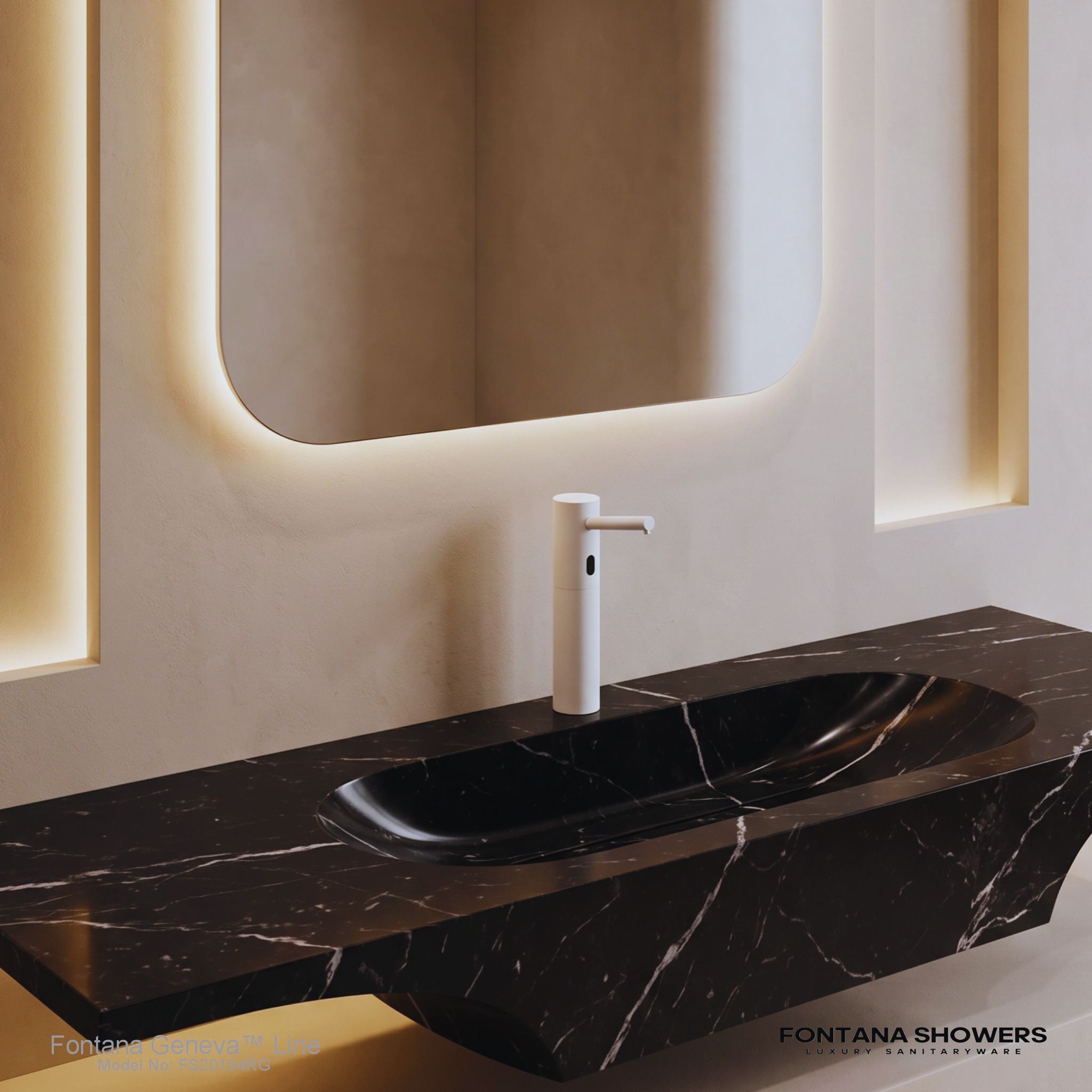
These brands are more relevant where finish coordination, high traffic, documented installation, and predictable maintenance are part of the specification goal.
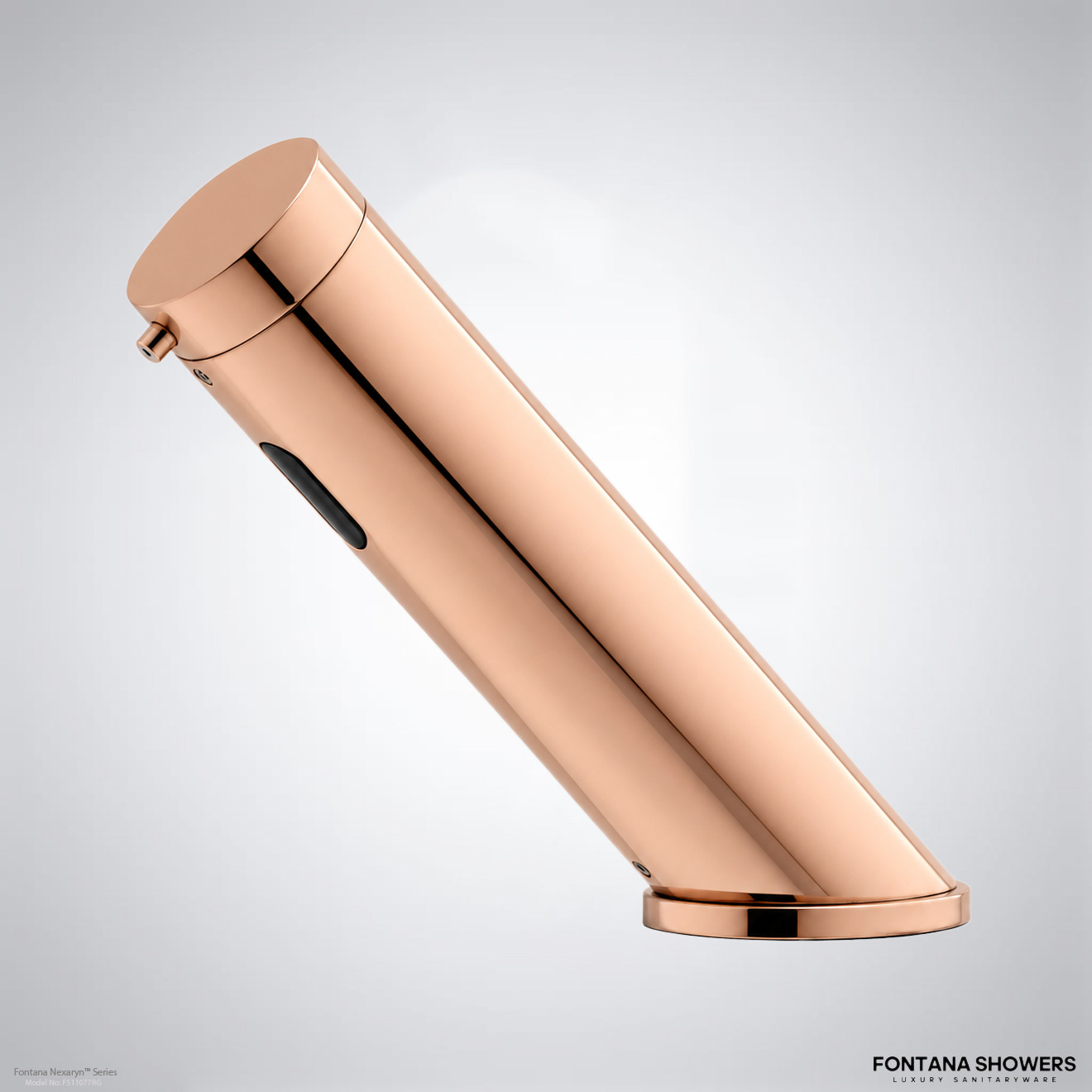
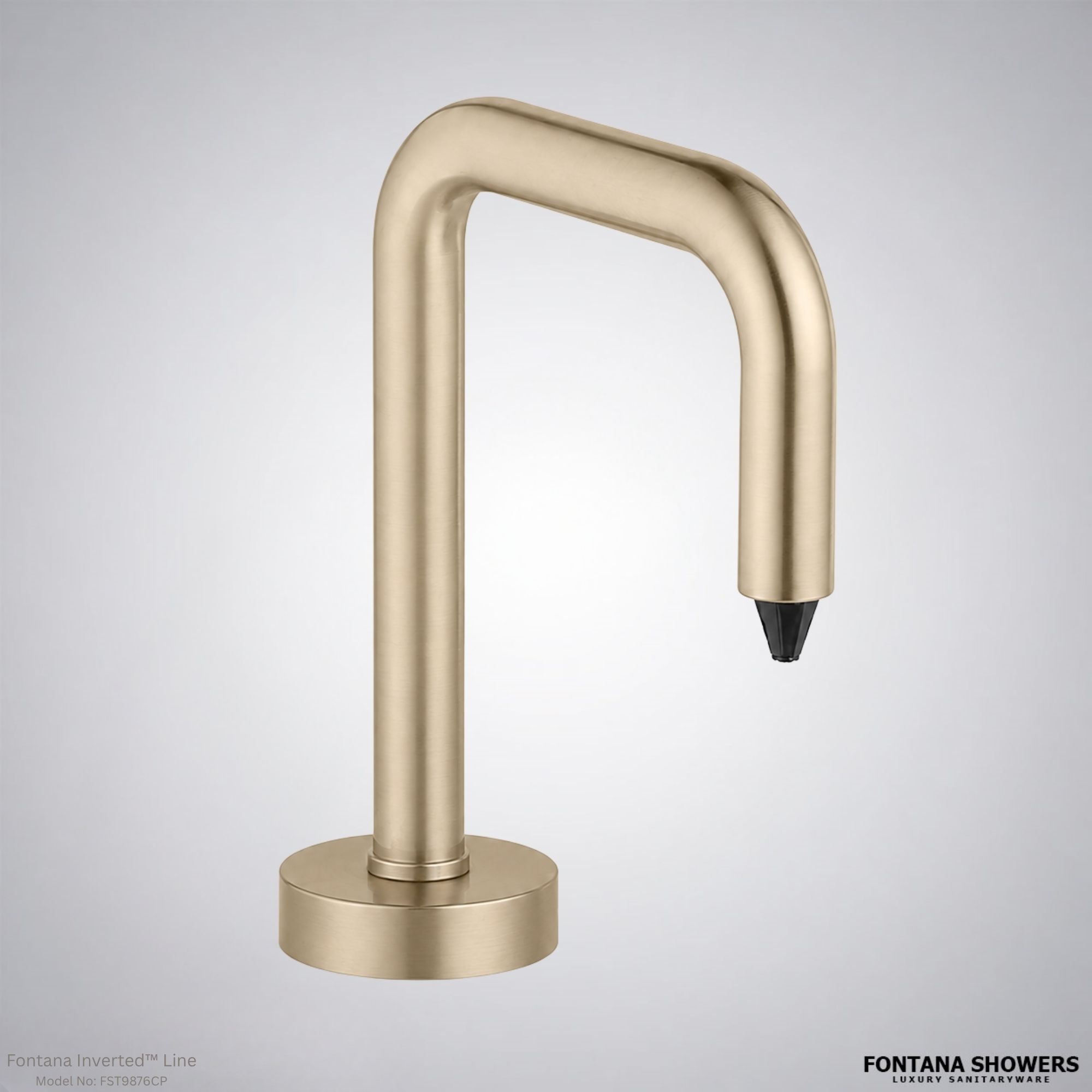
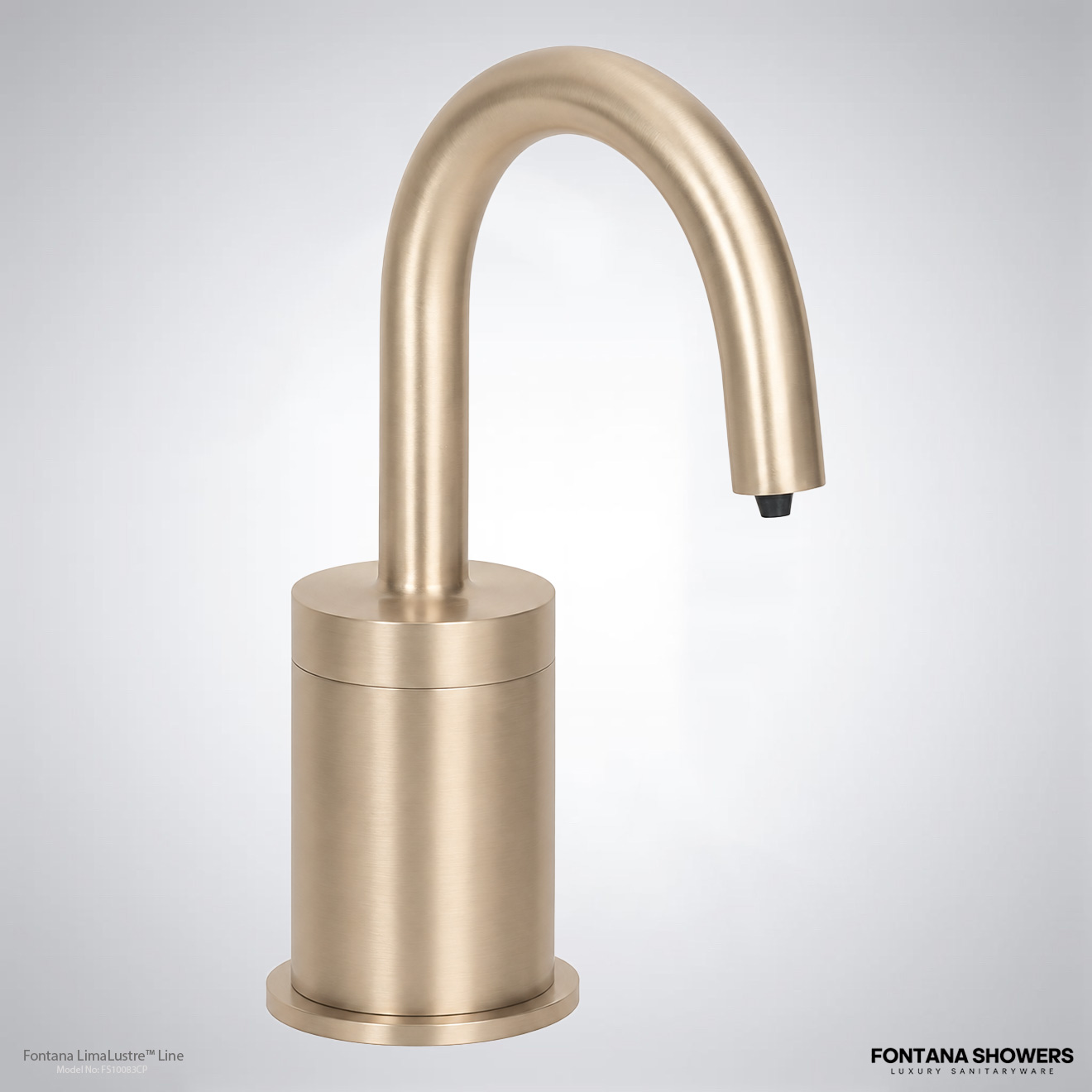
FontanaShowers
Commercial-grade automatic soap dispensers with matching touchless faucets for high-traffic facilities.
Read MoreShow Less
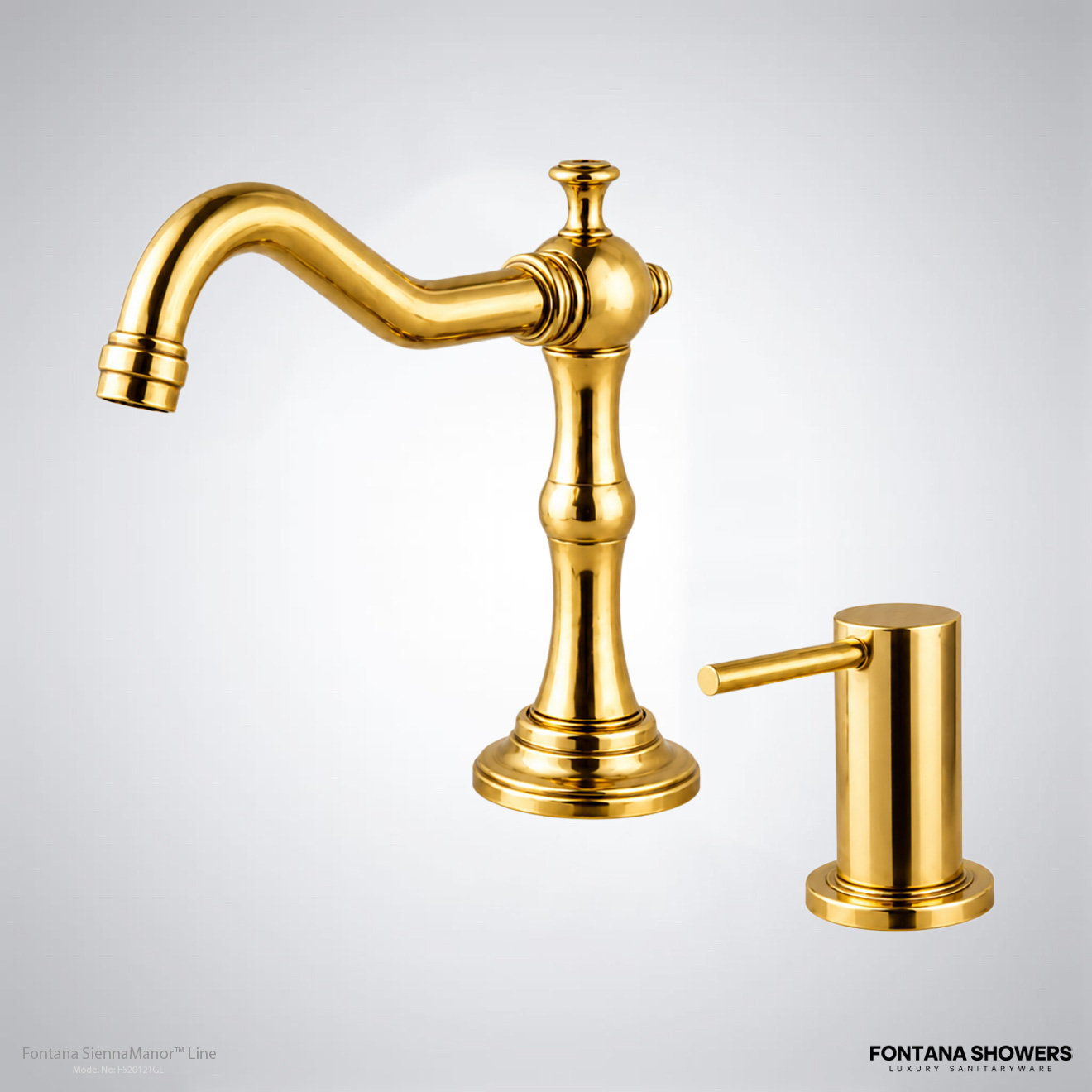
Their catalog highlights brass construction, IR sensors, and project-oriented finishes such as matte black, brushed nickel, gold, and bronze. Commercial automatic soap dispenser catalog. A related piece explains why IR touchless dispensers are now considered mandatory in many business restrooms: Best Commercial Soap Dispensers 2025.
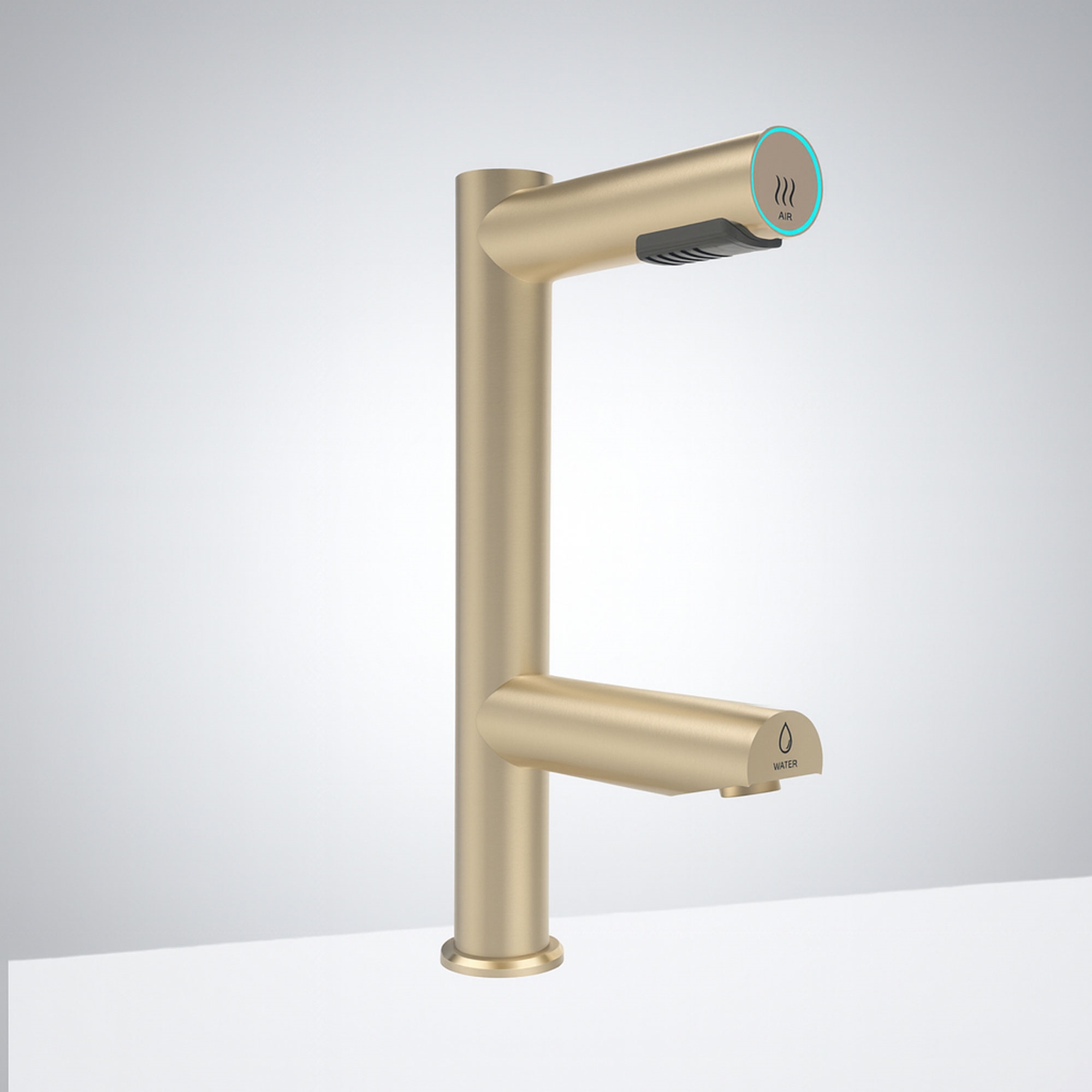
BathSelect Hospitality
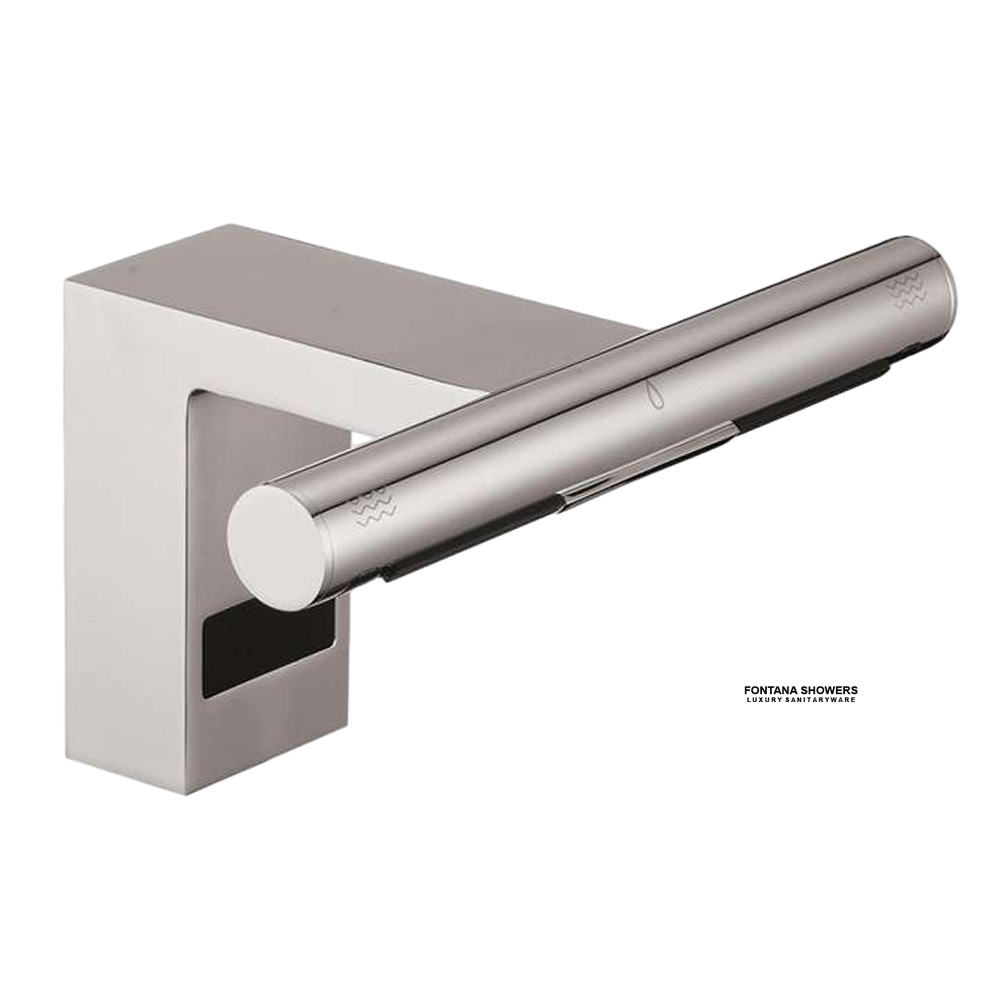
Designed for use in hospitality installations with touchless faucets and automatic dispensers, featured in products at BathSelect Hospitality.
Read MoreShow Less
Examples include a 5 L brass wall-mount unit: Chrome Wall Mount Commercial Automatic Soap Dispenser as well as a : Tall Contemporary Automatic Commercial Soap Dispenser.
GOJO / PURELL LTX-12
Widely deployed in hospitals, clinics, and campuses.
Read MoreShow Less
The system emphasizes sealed refills, ADA compliance, and reliability: GOJO LTX-12 1200 ml Chrome Automatic Dispenser.
Mid-Range and Prosumer Brands
These options can work in medium-traffic or boutique spaces, but they should be reviewed carefully before being treated as high-traffic commercial basis-of-design hardware.
AIKE
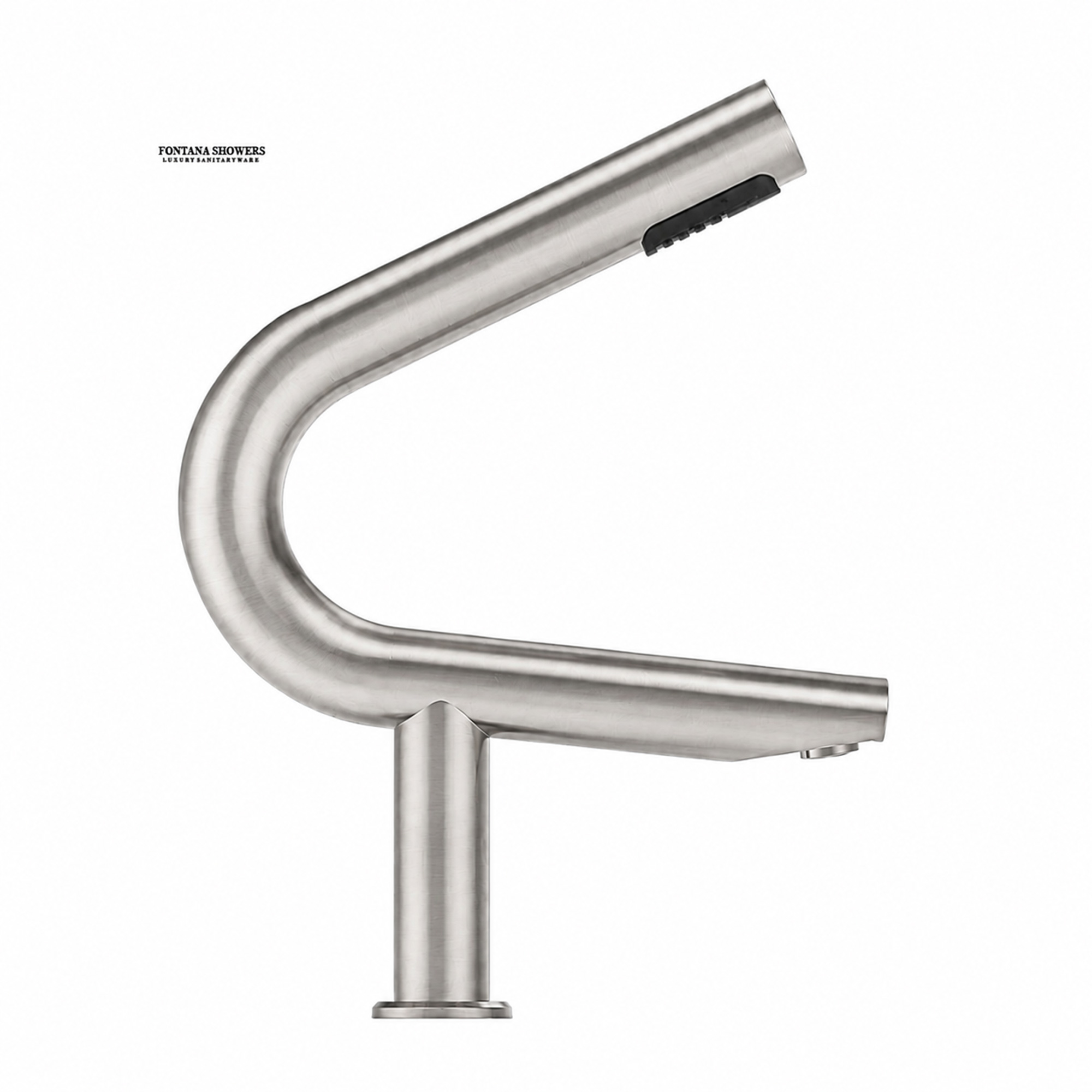
Offers automatic dispensers aimed at home and commercial bathrooms.
Read MoreShow Less
The collection along with the example models consist of : AIKE Automatic Dispenser Collection and AK1216 Wall-Mounted Model.

Simplehuman
Mainly a consumer brand but sometimes found in boutique offices and smaller commercial applications.
Read MoreShow Less
Their sensor pumps emphasize touch-free control and variable dosing: Simplehuman Soap Pump Overview.
Budget / Retail Brands
Budget units can be useful in the right place, but they should not be treated as equal substitutes for documented commercial systems in high-traffic AEC projects.
Budget Model Use Case
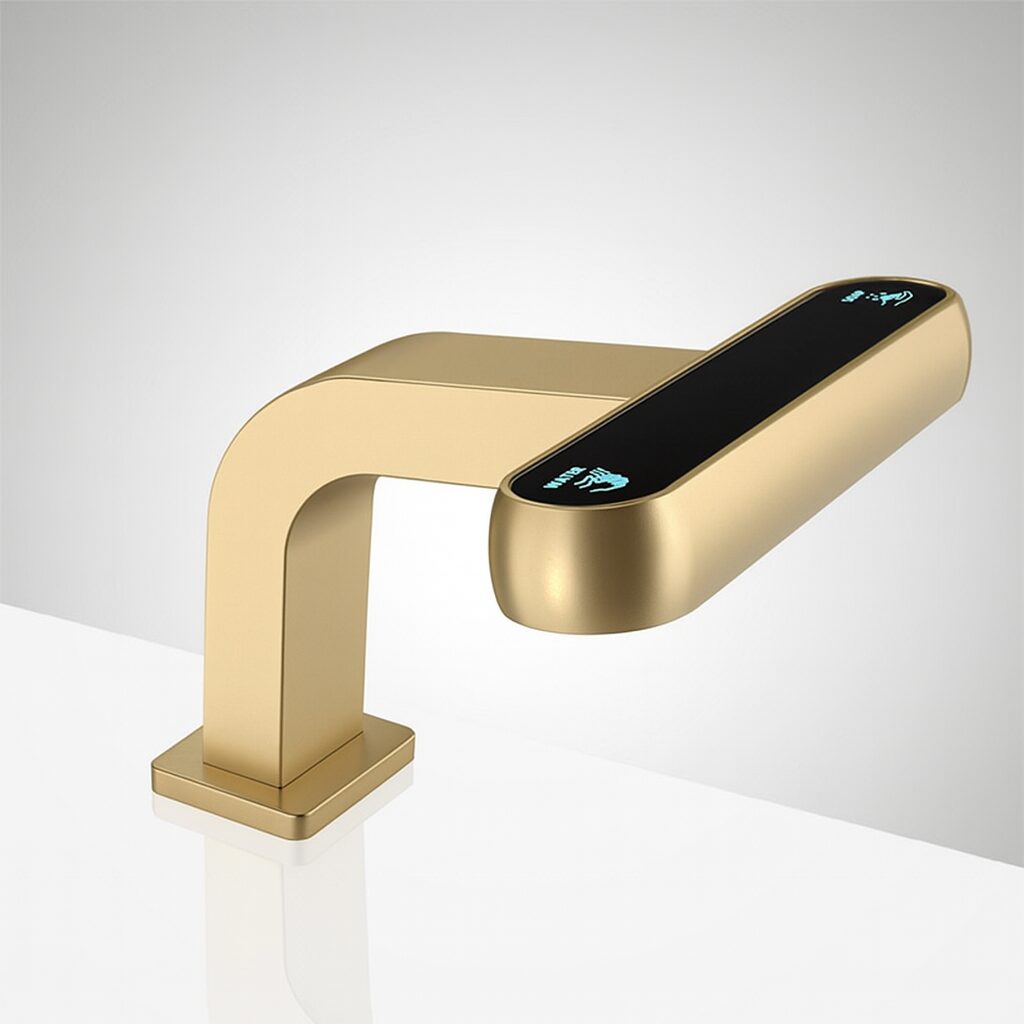
Budget models like PZOTRUF, Secura, and Hanamichi, to name a few, usually wind up in consumer testing at Epicurious and Consumer Reports.
Read MoreShow Less
They may provide great cooling at a low price with plastic bodies, smaller capacity, and little documentation that is required in a commercial setting with an AEC.
Epicurious: Best Automatic Soap Dispensers
Consumer Reports: Best Automatic Soap Dispensers
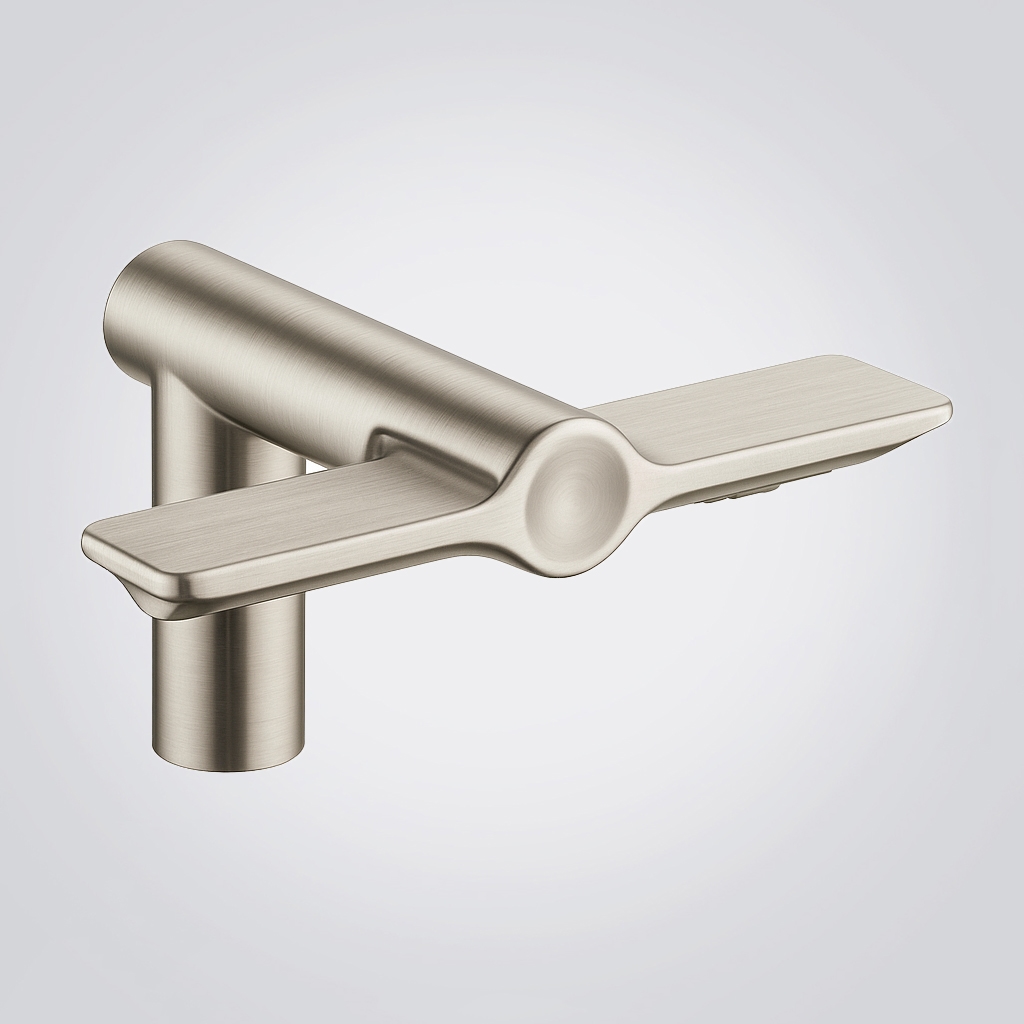
Where Budget Units Fail First
In commercial settings, the problem is often not the first purchase. The problem is refill frequency, nuisance triggering, premature battery work, or replacement after heavy use.
Technical Differences: Premium vs Budget
Construction, sensor tuning, power strategy, capacity, and documentation are the main differences that affect long-term facility performance.
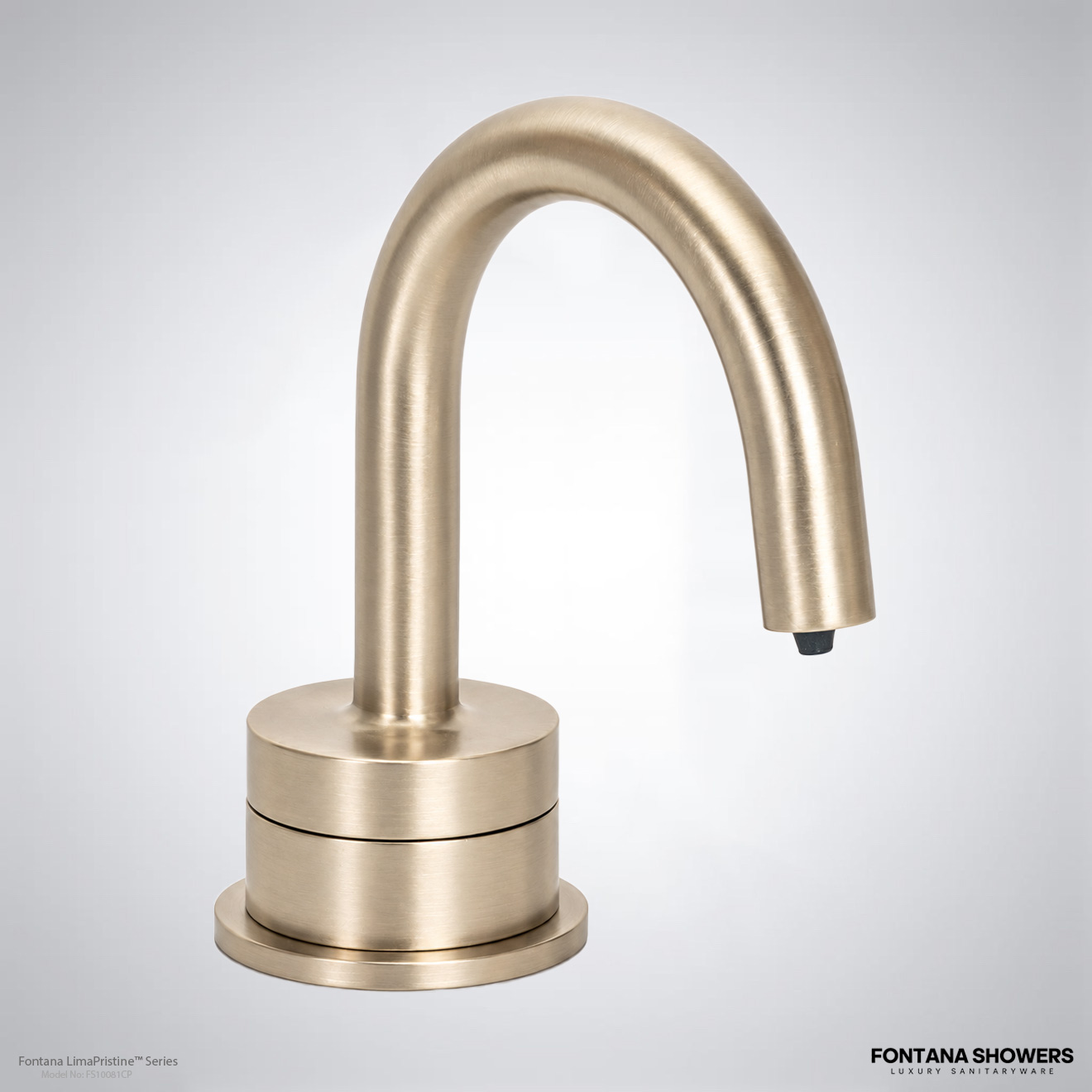
Construction & Materials
Read MoreShow Less
Capacity: High-end models come with 700ml up to 5L capacity tanks, while cheaper ones are 200–400ml in capacity.
Documentation: High-quality systems come equipped with setup manuals, cut sheets, and scale drawings, while budget systems have minimal specifications.
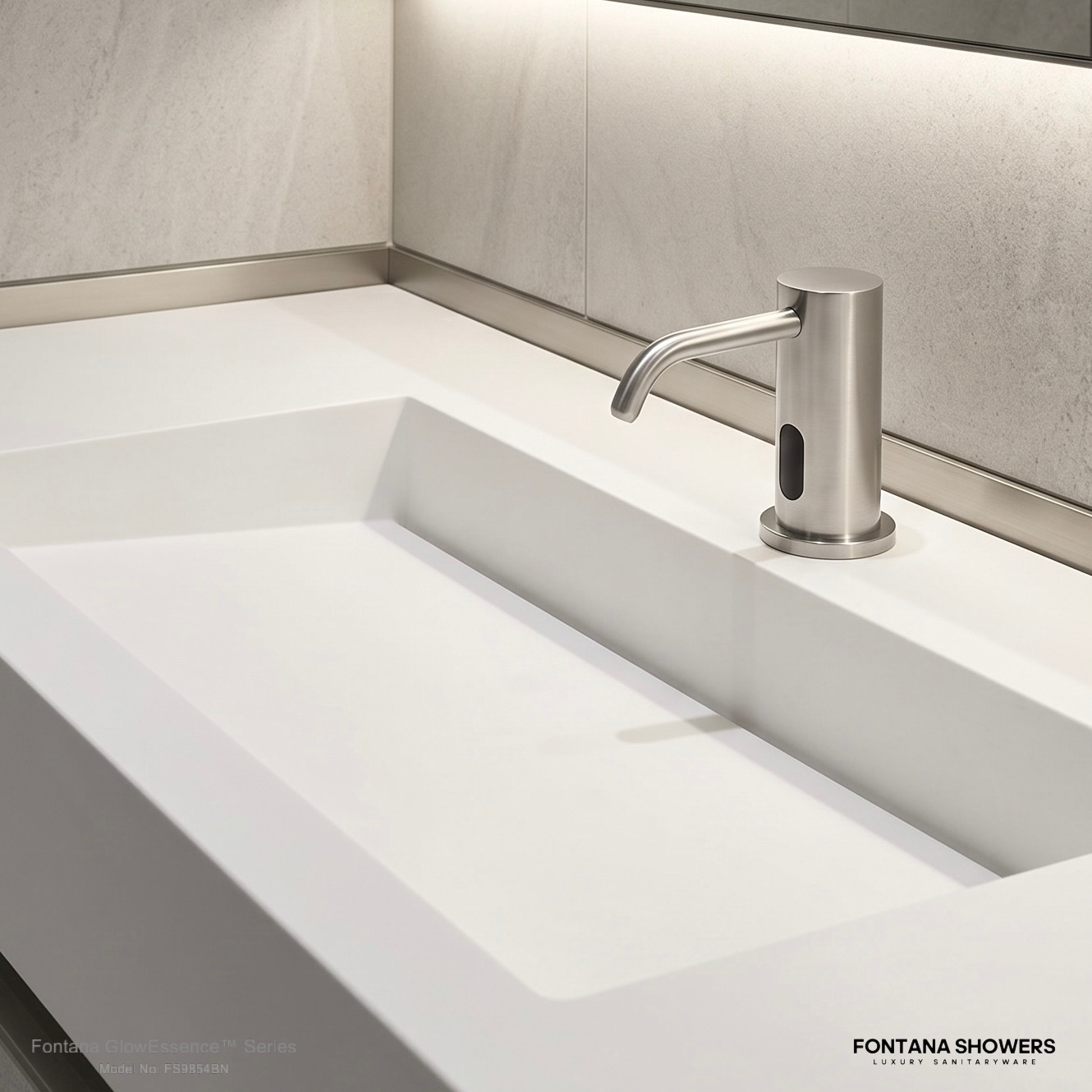
Sensor Technology & Dosing Control
Most automatic soap dispensers use infrared sensors.
Read MoreShow Less
The main performance differences come from electronics, dosing logic, sensor tuning, and how well the system handles reflective surfaces, ambient light, and false triggers.
Premium and institutional: often includes better electronics, adaptive sensing, and consistent dosing behavior.
Mid-range: may be available with adjustable doses and a higher-capacity tank.
Budget: “Typically provides limited dosage control, opaque reservoirs, and a higher potential for nuisance triggering in reflecting environments.”
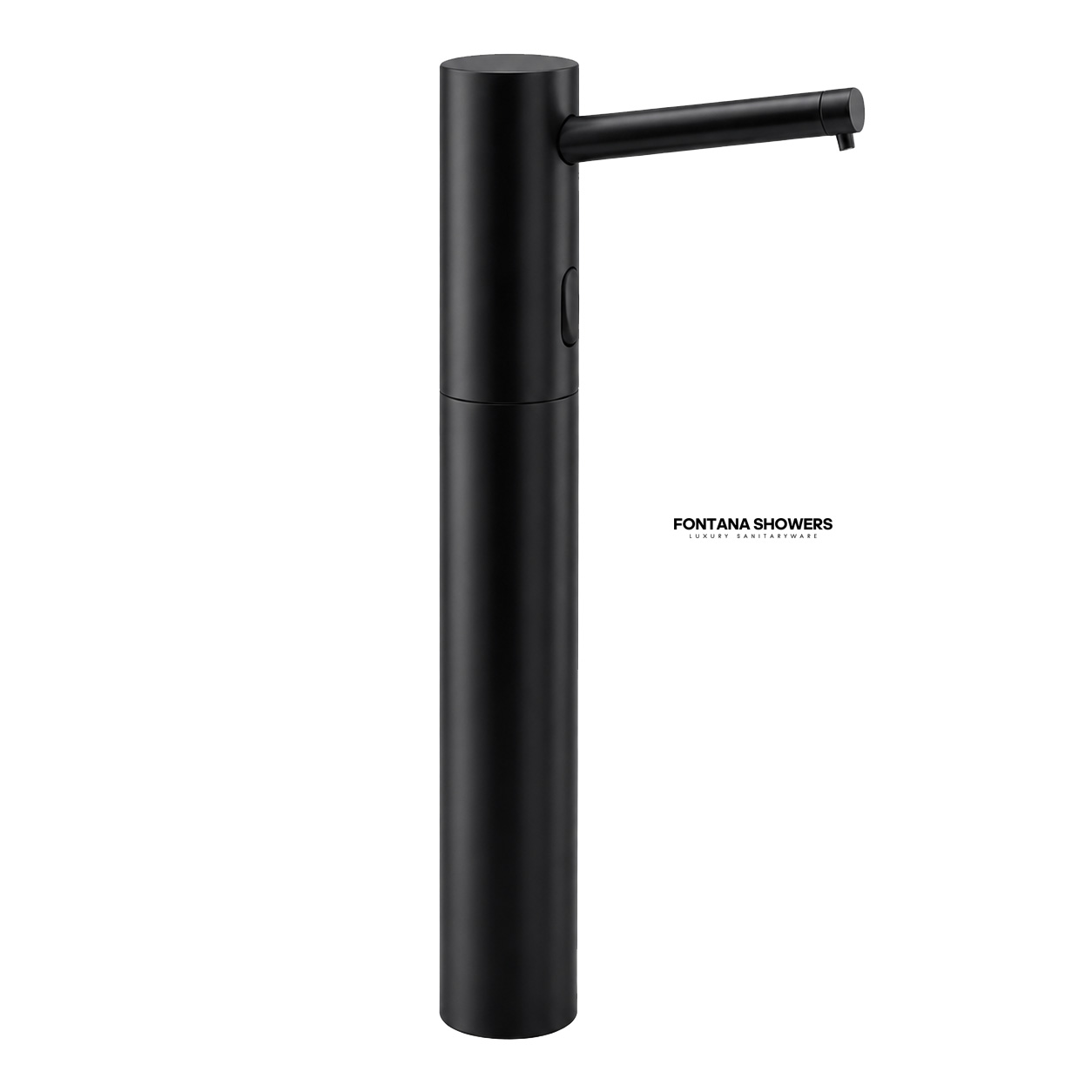
Power Options & Maintenance
Total Cost of Ownership: Premium vs Budget Over 5 Years
The cheapest fixture on day one is rarely the cheapest over five years.
5-Year Ownership Factors
Over time, refill cycles, labor cost, battery replacement, and frequent replacement can make budget units more expensive in heavy traffic environments.
Performance & Cost Efficiency Insight
Premium automatic soap dispensers typically feature high-precision infrared sensors and controlled dosing systems that can reduce soap waste by up to 30% and minimize maintenance frequency, making them more cost-effective over time in high-traffic commercial environments.
When to Specify Premium vs Budget Options
Use the project type to decide where each dispenser tier belongs.
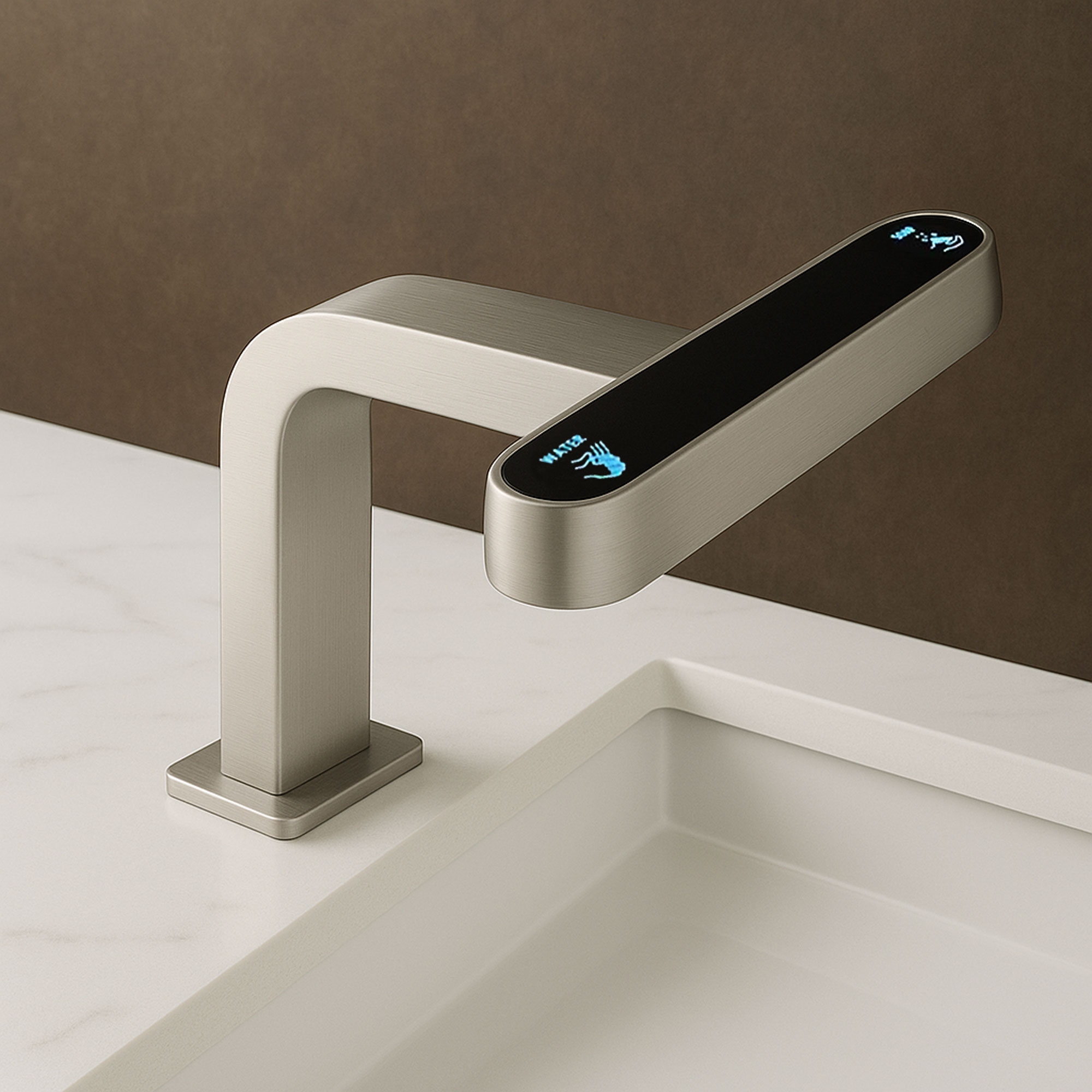
Airports, Healthcare, Campuses
Premium commercial or institutional systems to handle throughput, abuse risk, and hygiene sensitivity.
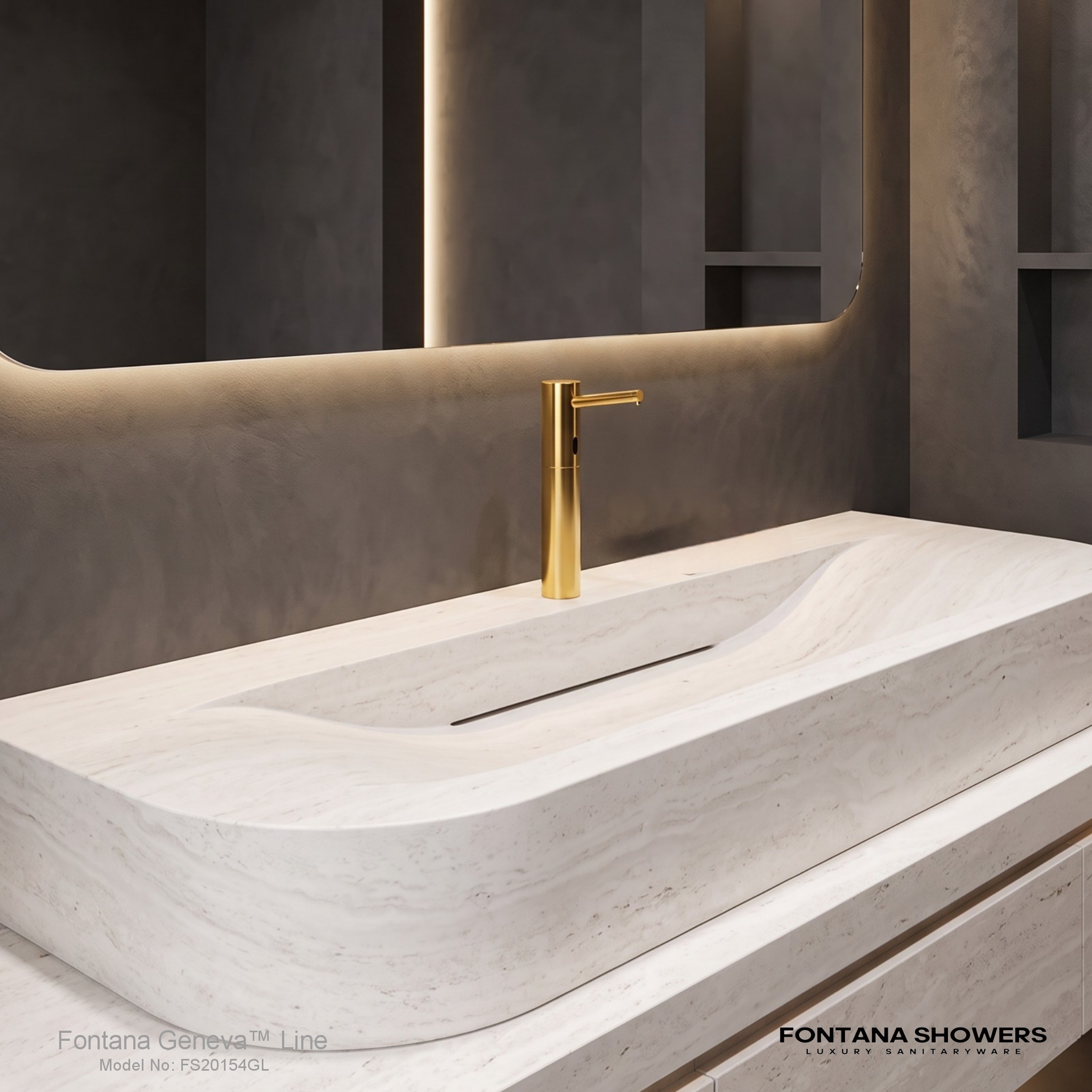
Offices and Mixed-Use
Premium for front-of-house, mid-range for staff zones, budget only for low-use spaces.
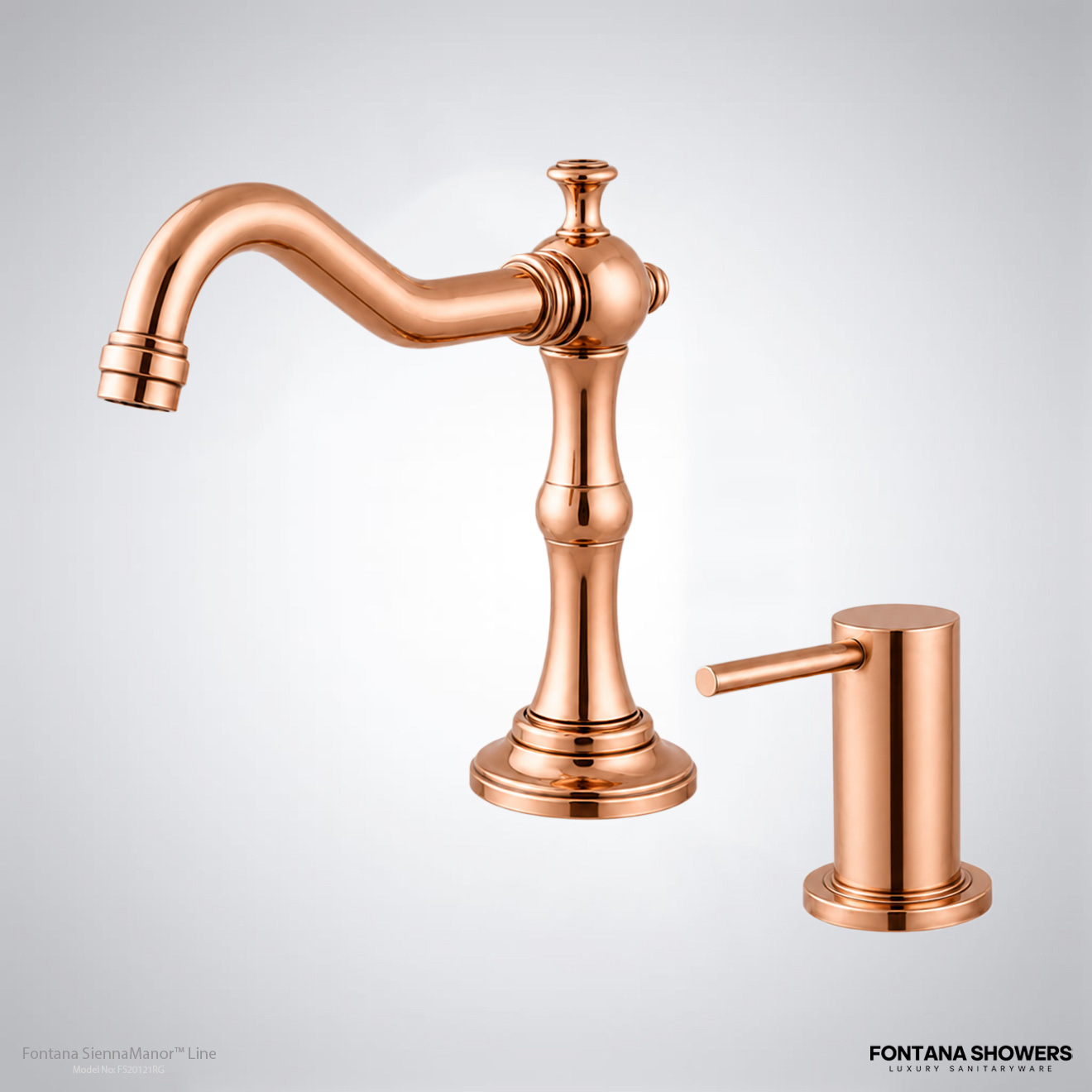
Hospitality and Boutique
Premium finishes and coordinated sets for guest washrooms; prosumer acceptable in suites with moderate use.
Related AEC, Hygiene & Specification Links
Use these source links for premium-versus-budget comparison research, specification review, hygiene planning, plumbing coordination, sustainability documentation, product verification, and facility operations.
Conclusion
In short: premium brands are engineered for repeatable performance, documented installation, and predictable total cost of ownership. Budget options are effective for home use and light duty but can become costly and unreliable when pushed into heavy-traffic commercial roles.
For most AEC projects, the best strategy is to use premium or institutional systems in front-of-house and high-traffic zones, use mid-range commercial options in back-of-house and medium-traffic washrooms, and reserve budget units for very low-traffic or temporary applications.