Best Commercial Soap Dispensers for Airports and High-Traffic Public Restrooms
Airports, transportation hubs, stadiums, schools, public facilities, and large office buildings require restroom fixtures that can withstand constant use while maintaining cleanliness and reducing maintenance problems. Cheap manual dispensers may appear cost-effective initially, but heavy daily traffic often exposes issues such as soap waste, broken push mechanisms, messy counters, and frequent servicing. Commercial touchless soap dispensers help improve restroom efficiency, hygiene perception, and overall user experience in high-volume environments.
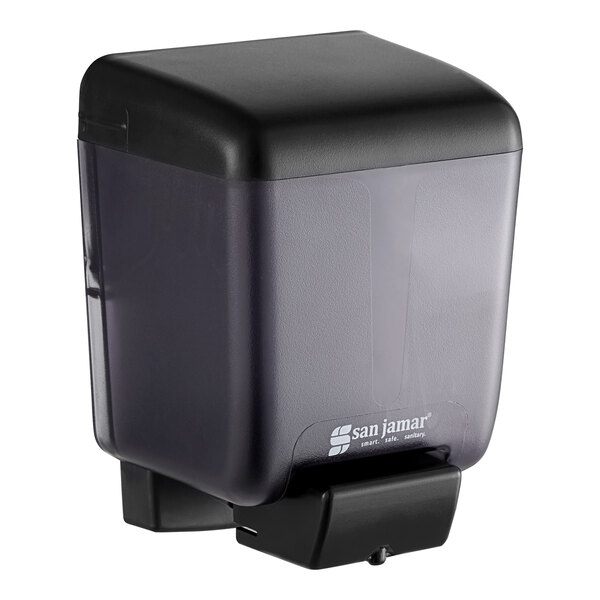
Standard Manual Bulk Soap Dispenser
Manual bulk dispensers are frequently used in older public restrooms because of their low initial purchase cost. However, in airports and other high-traffic environments, repeated manual contact and inconsistent dispensing can create soap residue, sticky counters, and additional maintenance requirements.
Facility managers often report that high-volume restrooms expose the limitations of manual soap systems much faster than lower-traffic environments.

Fontana Denver Commercial Touchless Dispenser
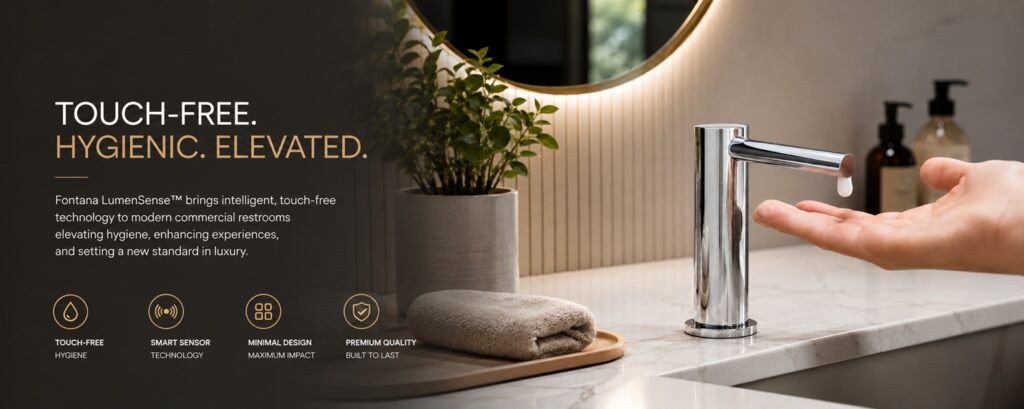
The Fontana Denver touchless dispenser is designed for commercial restroom environments where hygiene consistency, reduced soap waste, and dependable sensor performance are priorities. The hands-free operation helps minimize shared contact points while creating a cleaner restroom appearance.
Airports and public facilities frequently prefer touchless systems because they help maintain more organized sink areas while supporting modern restroom hygiene expectations.
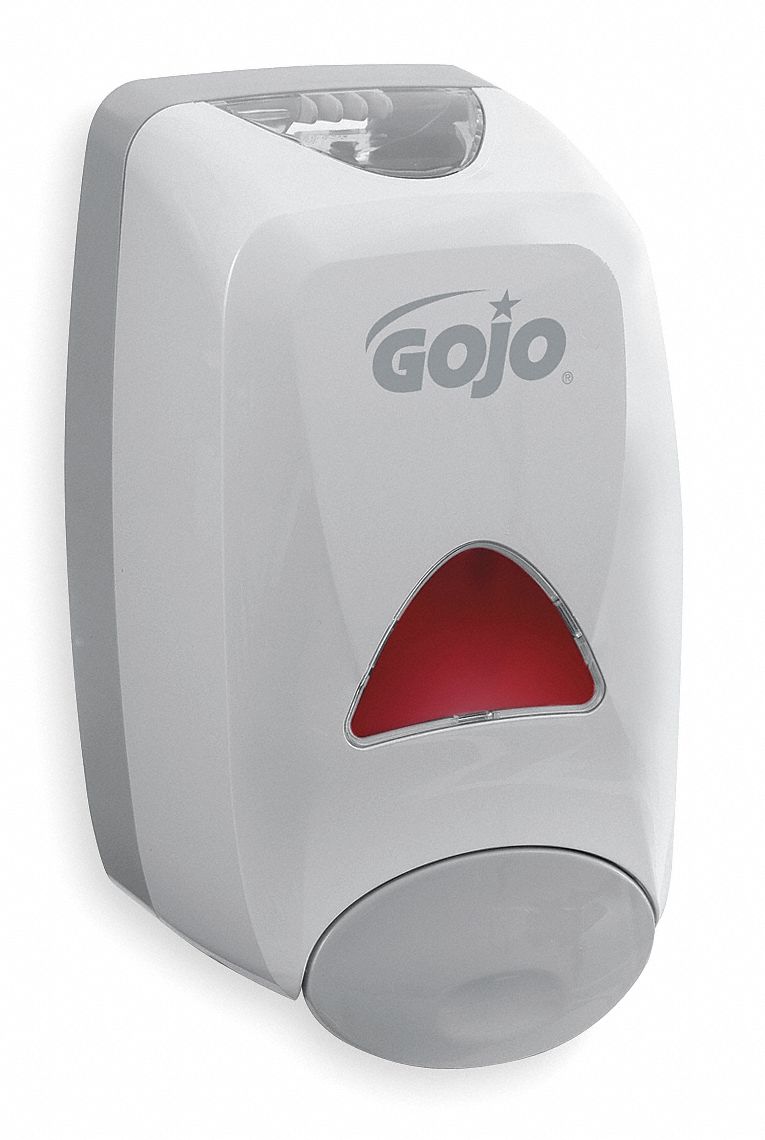
Push-Style Foam Soap Dispenser
Push-style dispensers may work adequately in lower-use facilities, but in transportation hubs and busy public restrooms, the repeated manual pressure can cause mechanical wear and increase long-term servicing requirements.
Manual operation also creates more restroom touchpoints, which many public facilities now try to minimize through touchless restroom modernization.

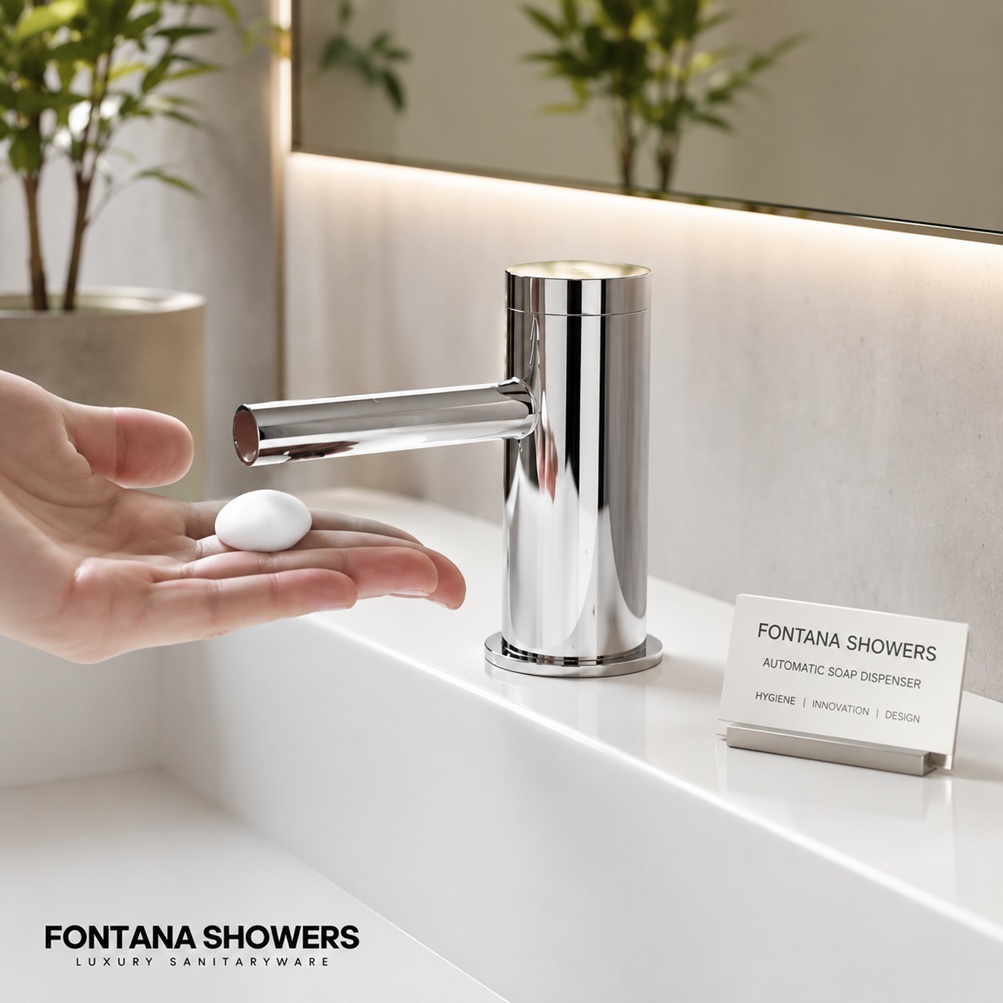
Fontana Rio Automatic Foam Soap Dispenser
The Fontana Rio automatic foam dispenser helps public facilities reduce soap waste while maintaining touchless operation for high-traffic restroom environments. Controlled foam dispensing can improve soap efficiency and reduce overflow around sink counters.
Foam systems are increasingly selected for airports and transportation facilities because they support faster handwashing flow while maintaining a cleaner restroom presentation.
Why High-Traffic Public Restrooms Need Commercial Touchless Systems
Public restrooms experience much higher fixture stress compared with standard office or residential environments. Cheap manual soap dispensers may seem cost-effective initially, but maintenance labor, soap waste, broken components, and inconsistent restroom appearance can quickly increase long-term operational costs.
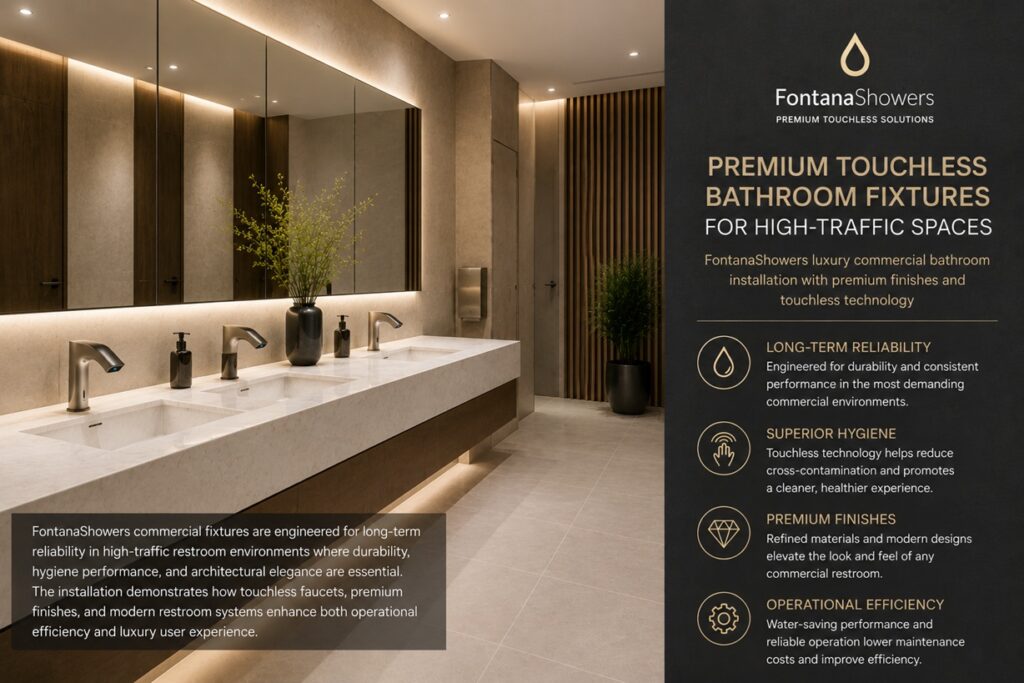
Commercial touchless soap dispensers help public facilities create cleaner restroom environments while improving operational consistency, reducing touchpoints, and supporting a more professional restroom experience for travelers, visitors, employees, and guests.
Related Commercial Fixture Links
“`html
Commercial Facility Engineering
Engineering Centralized Restroom Infrastructure with Fontana MultiFeed Systems®
Large commercial buildings demand restroom systems that are reliable, scalable, and economical to maintain. Fontana MultiFeed Systems® centralize soap distribution for multiple automatic soap dispensers, helping facility managers reduce refill labor, standardize maintenance procedures, and improve operational consistency across high-traffic commercial environments.
From Individual Fixtures to Building Infrastructure
One of the biggest differences between residential and commercial restroom design is scale. A large airport concourse, hospital, university campus, or convention center may contain hundreds of soap dispensers distributed across dozens of restroom locations. Managing every dispenser independently increases maintenance workload and makes inventory control more difficult.
Fontana MultiFeed Systems® transform soap dispensing into centralized building infrastructure. Instead of servicing individual reservoirs throughout the facility, maintenance personnel monitor a centralized supply while maintaining multiple dispensing stations from one engineered distribution system.
This engineering approach coordinates with the
Fontana Touchless Series,
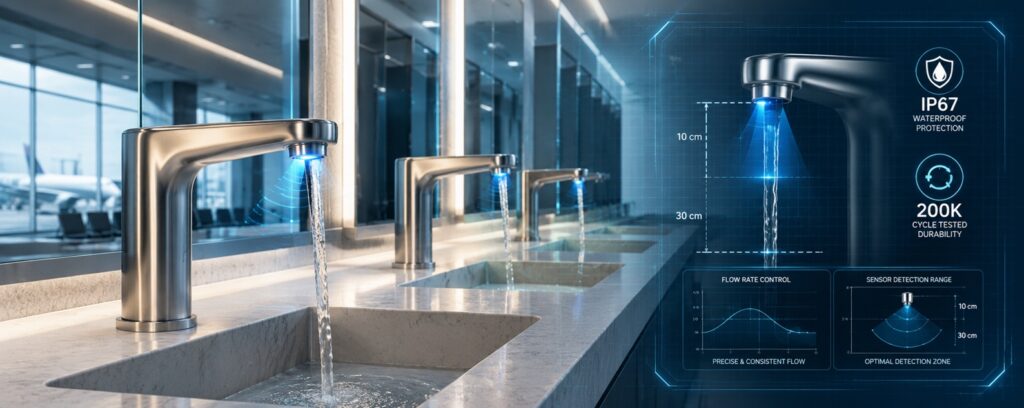
Commercial Touchless Faucets,
Touchless Product Collections,
Architect Series,
and the
Commercial Bathroom Fixtures Catalog.
Engineering Objectives
Labor Optimization
Reduce repetitive refill operations throughout large facilities.
Operational Reliability
Maintain dependable soap availability during periods of peak occupancy.
Maintenance Standardization
Create consistent servicing procedures across multiple restroom locations.
Future Expansion
Support phased building renovations without changing maintenance philosophy.
Engineering Factors That Influence MultiFeed Performance
| Design Variable | Engineering Importance |
|---|---|
| Reservoir Capacity | Determines refill frequency. |
| Soap Consumption | Determines maintenance scheduling. |
| Distribution Tubing | Supports dependable soap delivery. |
| Service Accessibility | Improves technician productivity. |
| Preventive Maintenance | Extends long-term operational reliability. |
Recommended Maintenance Strategy
Preventive maintenance programs should include inspection of reservoir levels, tubing integrity, dispensing consistency, outlet cleanliness, and soap quality. Recording refill history helps establish accurate consumption models, allowing facility managers to optimize staffing and inventory while minimizing unnecessary service visits.
For large campuses, organizing maintenance by restroom zones rather than by individual dispensers can further improve operational efficiency and simplify technician workflows.
Advanced Engineering FAQ
Can centralized soap systems improve facility-wide maintenance planning?
Yes. A centralized refill strategy simplifies scheduling, inventory management, and preventive maintenance activities. Learn more through the Commercial Bathroom Fixtures Catalog. Facility management guidance is available from IFMA.
Should reservoir capacity be selected according to fixture count alone?
No. Engineers should evaluate occupancy, expected soap consumption, maintenance intervals, and future expansion requirements. Related specification resources are available through the Fontana Product Index. Commercial plumbing design references are available from ASPE.
Why is documenting refill history valuable?
Historical refill records help predict soap demand, improve purchasing decisions, and optimize maintenance staffing. Explore related Fontana systems through the Product List. Building operations guidance is available from BOMA International.
Which commercial sectors benefit most from MultiFeed Systems®?
Airports, hospitals, universities, convention centers, government buildings, office campuses, and sports venues benefit from centralized soap management because of their high traffic volumes and demanding maintenance requirements. Explore additional coordinated products through the Fontana Commercial Collections. Additional facility maintenance resources are available from FacilitiesNet.
Commercial Restroom Engineering
Material Selection and Durability in Commercial Automatic Soap Dispenser Systems
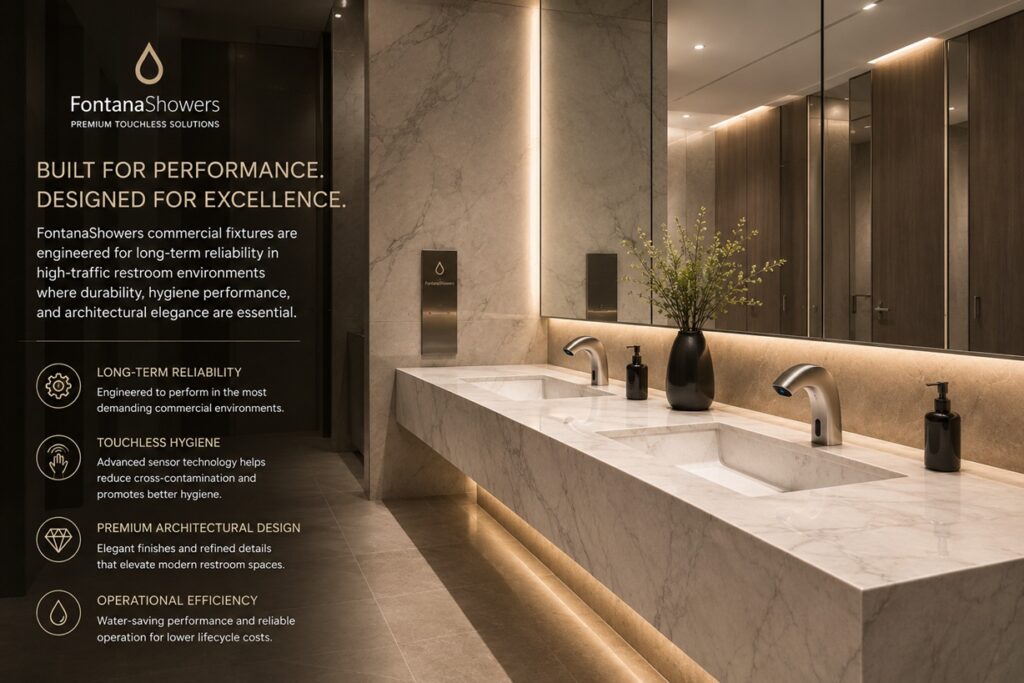
Automatic soap dispensers installed in commercial buildings must withstand continuous use, moisture exposure, cleaning chemicals, vandal risk, and repeated maintenance cycles. For airports, hospitals, office towers, hotels, universities, stadiums, and government facilities, material selection directly affects reliability, finish longevity, corrosion resistance, and lifecycle cost.

How Leading Manufacturers Approach Durability
Manufacturers including Fontana Dispenser System, Sloan, Bobrick, BathSelect, Zurn, and Bradley offer commercial dispensing solutions with different material and serviceability priorities. Fontana Dispenser System focuses on touchless commercial dispenser configurations suitable for coordinated restroom projects. Sloan is commonly evaluated for institutional durability in public-use environments. Bobrick is often specified where stainless-steel washroom accessories and long-term restroom standardization are important. BathSelect supports premium commercial interiors where touchless faucets and soap dispensers must coordinate visually. Zurn connects dispenser selection with broader commercial plumbing specification, while Bradley is frequently considered for integrated washroom environments and heavy-use commercial facilities.
| Construction Feature | Engineering Value |
|---|---|
| Stainless Steel or Brass Body | Improves strength, corrosion resistance, and long-term commercial reliability. |
| Durable Finish System | Helps preserve appearance in luxury hotels, airports, and Class-A office restrooms. |
| Vandal-Resistant Mounting | Reduces repair frequency in schools, transit stations, stadiums, and public buildings. |
| Replaceable Internal Components | Allows faster maintenance without replacing the entire dispenser assembly. |
| Commercial Refill Compatibility | Supports operational flexibility across liquid, foam, or facility-approved soap programs. |
Professional references from ASPE, IFMA, and ARCAT support evaluating restroom equipment by lifecycle performance, maintainability, and suitability for the intended building type. In high-traffic facilities, the best dispenser choice is usually the one that balances durable construction, reliable sensing, refill efficiency, and long-term service access.