
Why Automatic Soap Dispensers Fail (And How to Fix Them Fast)
Automatic soap dispensers have become a standard in modern hygiene systems, especially in commercial environments such as hospitals, offices, restaurants, and public facilities. However, one of the most common frustrations users face is when these touchless systems suddenly stop working. Whether you’re using GOJO, Purell, Simplehuman, Rubbermaid, Sloan, or FontanaShowers, most issues are not brand-specific but rather tied to common mechanical or operational factors.
The Most Common Reasons Soap Dispensers Fail
Across the industry, automatic soap dispenser failures usually fall into a few key categories:
- Low or dead batteries reducing sensor responsiveness
- Clogged nozzles due to dried soap buildup
- Blocked or dirty infrared sensors
- Improper soap viscosity affecting pump performance
- Airlocks or internal pump issues
Battery-related problems alone account for a large percentage of failures, particularly in high-traffic environments where dispensers are used hundreds of times per day.
Quick Fix Guide (Step-by-Step)
1. Replace or Check Batteries
Even if the unit powers on, weak batteries may not provide enough energy for consistent dispensing. Always use high-quality batteries.
2. Clean the Sensor Area
Infrared sensors can become blocked by soap residue, water spots, or dust. Clean gently using a damp cloth.
Read More
3. Flush the Nozzle
Clogging is common in systems using thicker soaps. Running warm water through the nozzle can restore flow.
4. Use Proper Soap Type
Many systems require specific refill types. Using incompatible soap can reduce output and shorten pump life.
5. Reset the Device
Removing batteries for 30–60 seconds often resets internal electronics and clears minor faults.
Advanced Troubleshooting
For commercial installations, additional checks may be required when basic cleaning and battery replacement do not solve the issue.
- Inspect internal tubing for airlocks
- Check pump motor function
- Ensure refill cartridges are properly aligned
- Test sensor performance under different lighting conditions
Brand-Specific Considerations
While issues are similar across brands, some differences exist:
- GOJO / Purell: Cartridge alignment is critical
- Simplehuman: Sensor sensitivity can vary
- Rubbermaid: High-use clogging is common
- FontanaShowers: Requires correct soap viscosity and routine maintenance
Read More
Preventive Maintenance Tips
- Clean sensors weekly
- Use manufacturer-approved soap
- Replace batteries regularly
- Avoid overfilling reservoirs
How to Keep a Touchless Soap Dispenser Working Longer
In many cases, the fastest repair is not a replacement part but a simple maintenance check. When dispensers are cleaned on a routine schedule and paired with the right soap, they usually perform more consistently and stay dependable in busy washrooms.

ESD-500-GR
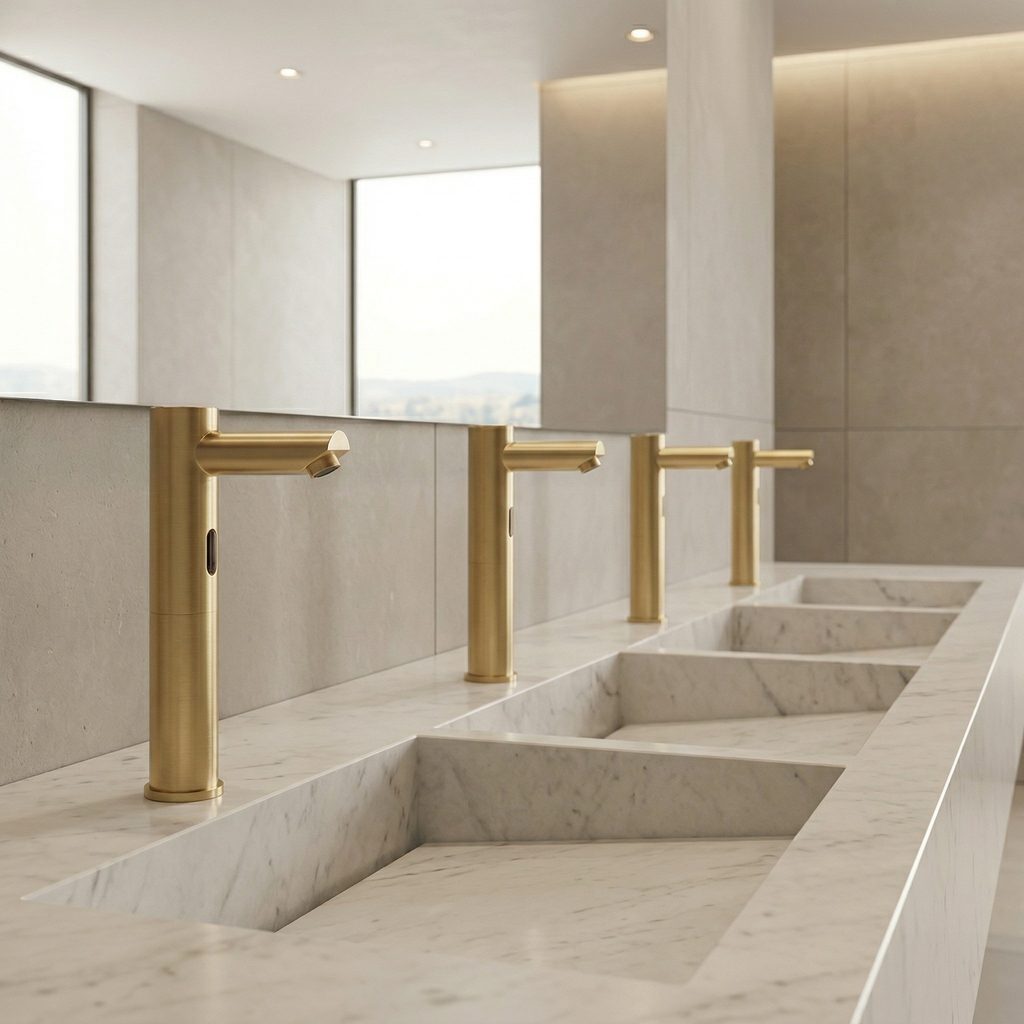
Commercial deck-mounted automatic soap dispenser reference for maintenance and compatibility planning.
Read More
For facility managers, janitorial teams, and business owners, a quick weekly inspection can prevent sudden downtime. Checking the sensor window, refill fit, nozzle opening, and battery strength takes only a few minutes but helps reduce service calls and user complaints.
This is especially important in commercial settings where one dispenser may serve dozens or even hundreds of users every day. A small issue that goes unnoticed can quickly turn into a hygiene and maintenance problem.

Signs It’s Time for a Maintenance Check
- Soap dispenses slowly or unevenly
- The sensor light activates but no soap comes out
- Dispensing works only at very close range
- Soap drips around the nozzle after each use
- The unit stops working more often during high traffic periods
These signs often appear before a full failure. Addressing them early helps keep the dispenser reliable and easier to manage.
Simple Routine for Commercial Restrooms
A practical routine keeps service interruptions low without adding extra work for staff. Wipe the sensor area, confirm the correct refill is installed, and make sure soap has not thickened around the outlet.
For high-use spaces, it also helps to schedule battery checks before performance drops. This keeps the dispenser responsive and supports a cleaner user experience across the entire restroom.
Read More

Works with
ESD-420
Sloan® Deck-Mounted Foam Soap Dispenser
Specifications
Confirm soap type, power source, refill configuration, sensor condition, and service access against the specific dispenser model before maintenance or replacement work.
Conclusion
Most automatic soap dispenser failures are preventable. By understanding common issues, applying quick fixes, and following a simple maintenance routine, users can restore functionality without replacing the unit. Whether in residential or commercial environments, consistent upkeep is the key to long-term performance.
Read More
Automatic soap dispensers are ideal for high-traffic restrooms because they improve hygiene, reduce touchpoints, and provide consistent soap dosing that helps minimize waste. Advanced models use infrared or ToF sensors for reliable hands-free operation in busy environments such as airports, healthcare facilities, and office buildings. MultiFeed soap systems further improve efficiency by connecting multiple dispensers to a centralized reservoir, reducing refill frequency, maintenance labor, and restroom downtime. When combined with commercial-grade construction, AC/DC power options, and IP67-rated components, these systems deliver long-term reliability, lower operating costs, and enhanced user satisfaction.
-
Dolphin InForm Counter Mounted 55 Degree Soap Dispenser
-
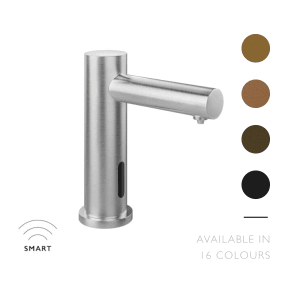
Dolphin InForm Counter Mounted Soap Dispenser
-
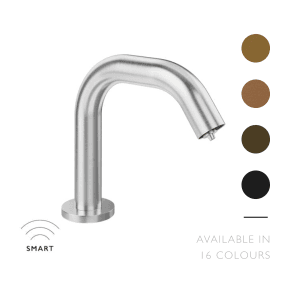
Dolphin InForm Up-and-Over 55 Degree Soap Dispenser

