
“`html id=”mfv8gk”
Commercial Systems Engineering
Scaling Multi-Station Restroom Networks with Fontana MultiFeed Systems®
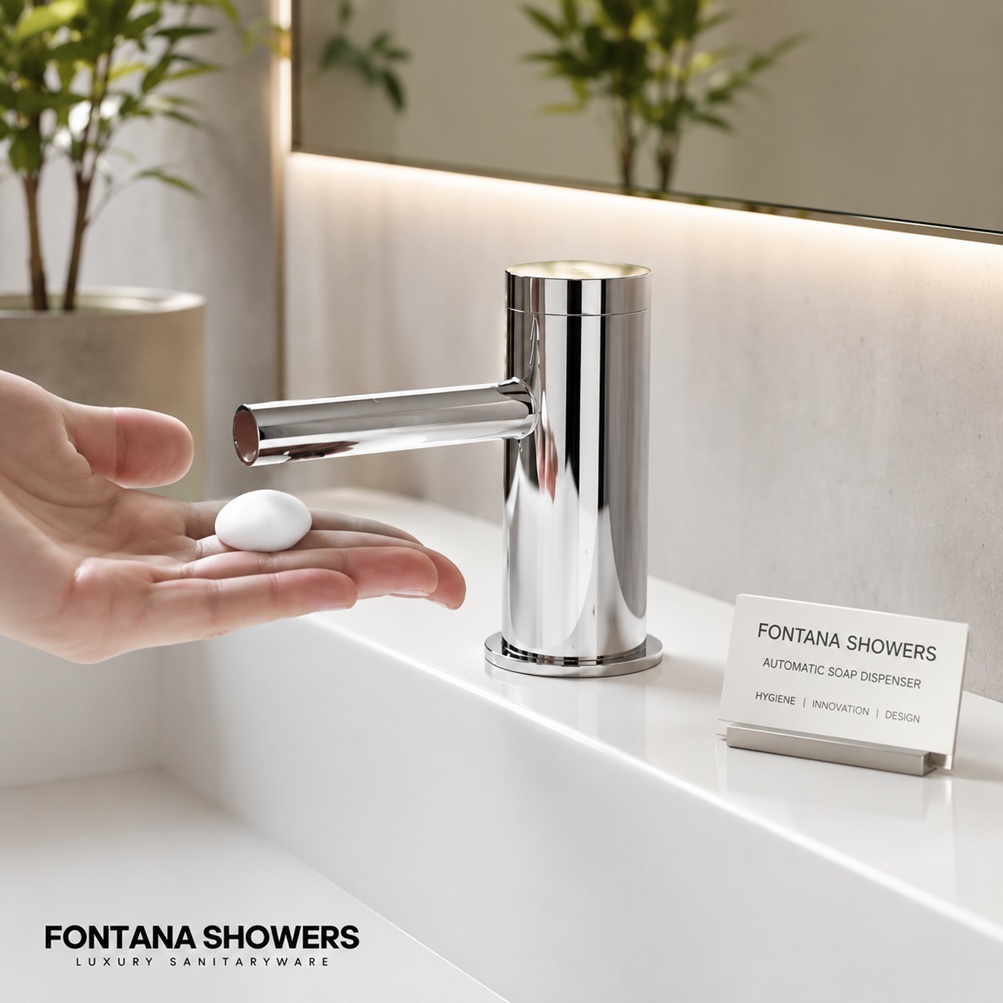
As commercial buildings become larger and restroom traffic continues to increase, maintenance strategies must evolve beyond servicing individual fixtures. Fontana MultiFeed Systems® provide a centralized soap distribution architecture that supports scalable restroom networks, standardized maintenance workflows, and reliable soap availability across multiple dispensing stations.
Designing Multi-Station Restroom Networks
Commercial facilities frequently expand over time. New terminal gates are added to airports, hospitals construct additional patient wings, universities build new academic facilities, and office campuses continue growing. Each expansion introduces additional restroom fixtures that must be incorporated into existing maintenance programs.
Fontana MultiFeed Systems® support this type of scalable infrastructure by organizing multiple automatic soap dispensers into a centralized distribution network. Rather than increasing the number of independent refill points as buildings grow, maintenance teams can continue following standardized refill procedures while expanding restroom capacity.
These systems integrate naturally with the
Fontana Touchless Series,
Touchless Faucet Product Collections,
Architect Series,
Commercial Bathroom Fixtures Catalog,
and
Fontana Product List.
Advantages of Network-Based Restroom Design
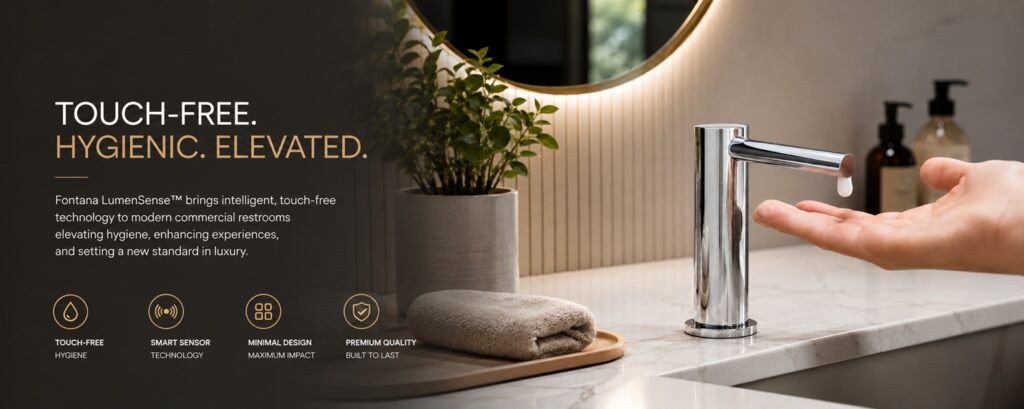
Centralized Inventory
Monitor fewer refill locations while maintaining multiple dispensing stations.
Simplified Expansion
Additional restroom zones can follow existing maintenance standards.
Consistent Servicing
Technicians perform the same maintenance procedures throughout the facility.
Operational Continuity
Coordinated infrastructure improves overall restroom readiness.
Engineering Considerations for Future Expansion
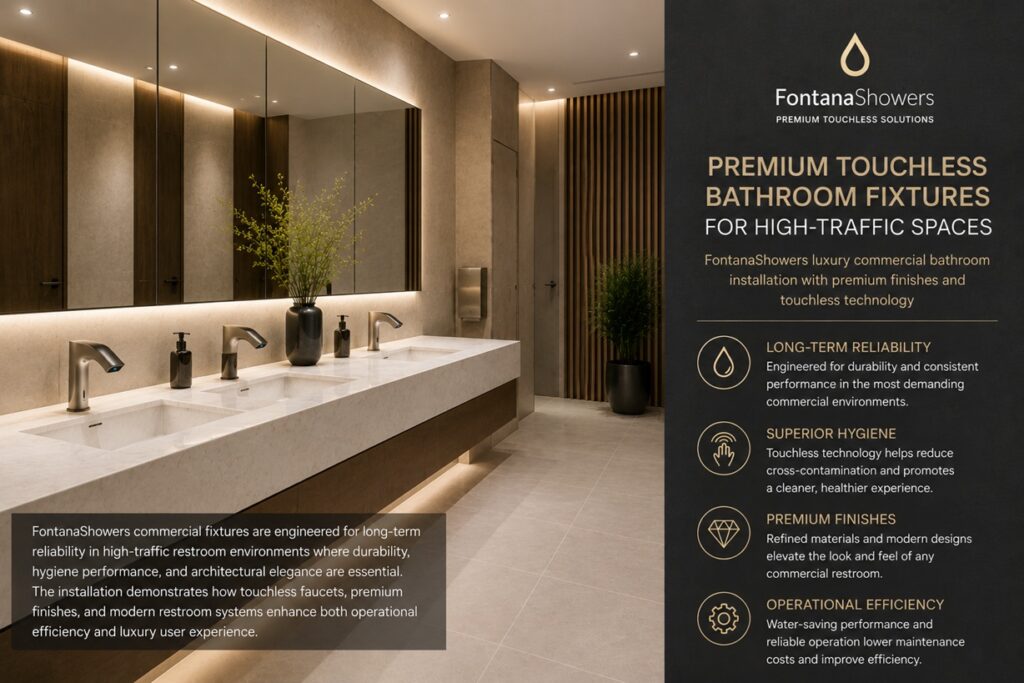
| Expansion Variable | Planning Objective |
|---|---|
| Additional Restrooms | Maintain standardized maintenance procedures. |
| Higher Occupancy | Increase centralized reservoir capacity where required. |
| Maintenance Staffing | Preserve consistent technician workflows. |
| Inventory Planning | Reduce distributed refill storage requirements. |
| Asset Standardization | Simplify replacement parts and servicing. |
Maintenance Standardization Across Multiple Buildings
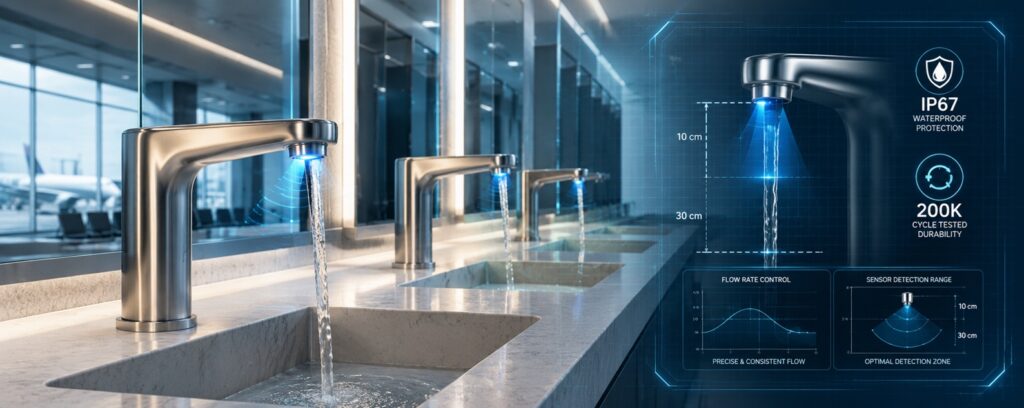
Organizations operating multiple facilities often seek to standardize restroom equipment across every location. Doing so allows maintenance personnel to follow the same inspection procedures, refill schedules, inventory practices, and preventive maintenance protocols regardless of building size. Standardization also simplifies technician training and reduces spare-parts complexity.
Fontana MultiFeed Systems® fit naturally within this strategy because centralized soap management can be replicated throughout office campuses, healthcare systems, airport terminals, hospitality developments, educational institutions, and government facilities.
Advanced Engineering FAQ
Can Fontana MultiFeed Systems® simplify restroom expansion projects?
Yes. Centralized soap distribution allows new restroom areas to follow existing maintenance procedures rather than introducing separate refill strategies. Learn more through the Commercial Bathroom Fixtures Catalog. Building specification resources are available from ARCAT.
Why do facility owners standardize MultiFeed systems across multiple buildings?
Standardization simplifies maintenance training, inventory management, procurement, and preventive maintenance scheduling. Explore related Fontana collections through the Product Index. Facility management guidance is available from IFMA.
How should engineers prepare MultiFeed systems for future capacity increases?
Engineers should evaluate occupancy forecasts, maintenance intervals, reservoir accessibility, and anticipated building expansion when selecting system capacity. Related commercial systems are available through the Commercial Collections. Commercial plumbing engineering references are available from ASPE.
Which commercial facilities benefit most from standardized restroom infrastructure?
Airport authorities, healthcare networks, universities, corporate campuses, hospitality groups, and government agencies benefit from consistent maintenance procedures across multiple buildings. Explore additional coordinated systems through the Fontana Product Directory. Building operations resources are also available from BOMA International.
“`
Commercial Restroom Engineering
Selecting Commercial Automatic Soap Dispensers for High-Traffic Facilities
Commercial automatic soap dispensers have evolved from simple hygiene accessories into engineered building components that influence maintenance efficiency, restroom uptime, user satisfaction, and long-term operating costs. Facility owners today evaluate dispenser systems based not only on aesthetics but also on refill logistics, durability, compatibility with commercial soap formulations, and lifecycle performance.

Engineering Comparison of Leading Manufacturers
Major manufacturers such as Sloan, Bobrick, Bradley, ASI, and BathSelect each address different commercial market segments. Some emphasize vandal resistance for transportation hubs and schools, while others prioritize architectural aesthetics for premium hospitality and Class-A office developments. Healthcare facilities frequently evaluate compatibility with sealed refill systems and infection-control protocols, whereas airports and stadiums often prioritize refill capacity and maintenance efficiency.
| Evaluation Factor | Engineering Focus |
|---|---|
| Durability | Heavy-duty commercial construction and vandal resistance |
| Maintenance | Fast refill access and simplified servicing |
| Installation | Wall-mounted or deck-mounted configurations |
| Operational Cost | Soap consumption, battery life, and maintenance intervals |
Industry guidance from organizations such as ASPE, IFMA, and ARCAT encourages specifiers to evaluate commercial restroom equipment using total lifecycle performance rather than initial purchase price alone, particularly in facilities with continuous public occupancy.