Choosing the Right Commercial Soap Dispenser
Commercial soap dispensers play a critical role in public restroom hygiene, especially in high-traffic facilities where durability, capacity, and hands-free operation matter. A well-selected dispenser supports cleaner washrooms, reduces surface contact, improves user confidence, and helps facility teams manage daily maintenance more efficiently.
Commercial Restroom Soap Dispensers
Commercial restroom soap dispensers are essential for maintaining clean, efficient, and professional public washrooms. From automatic sensor models to deck-mounted and wall-mounted options, these fixtures help facilities improve hygiene standards while supporting dependable performance in busy restroom environments.


Soap Dispensers for Public Restrooms
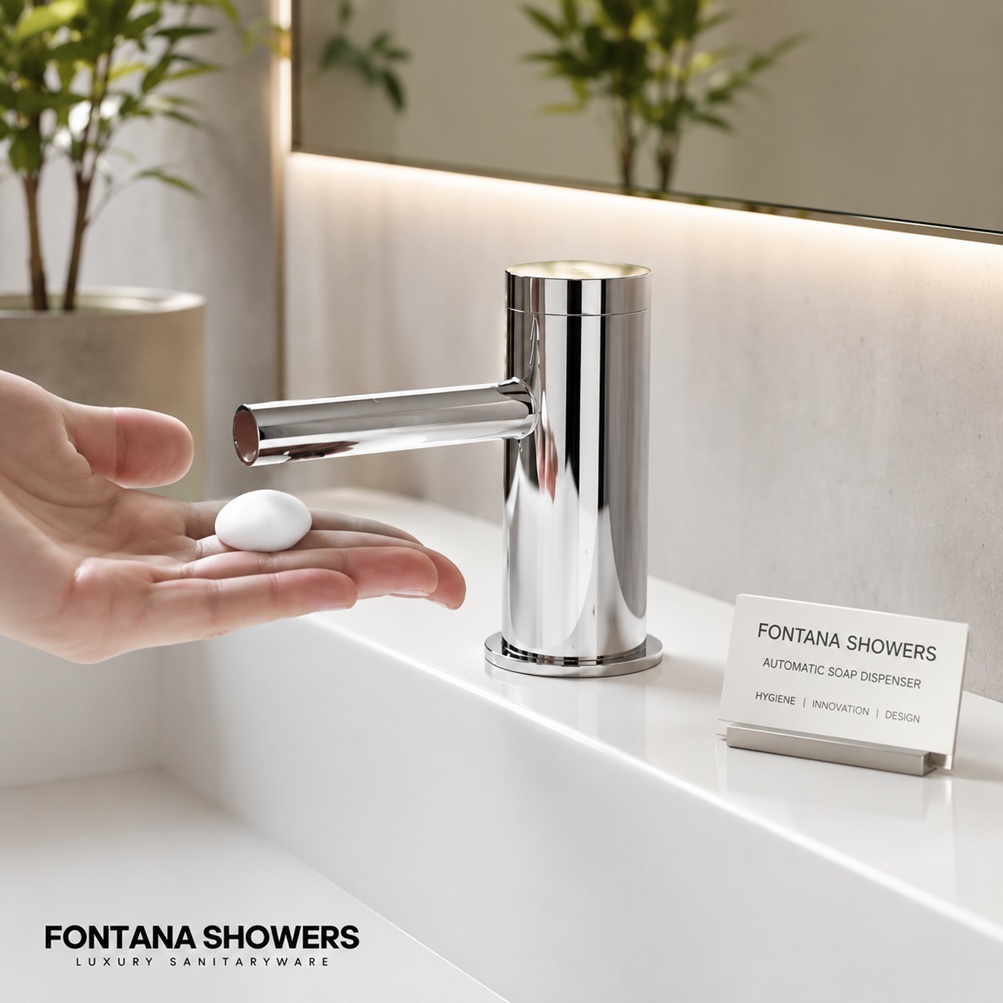
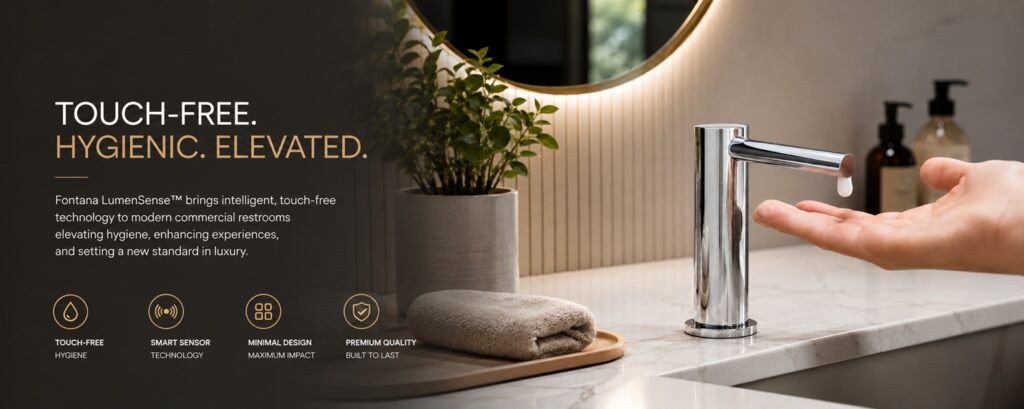
Fontana soap dispensers for public restrooms are built for demanding commercial environments where hygiene, reliability, and consistent dispensing are essential. Their hands-free operation helps reduce contact points while supporting cleaner restroom workflows in airports, schools, healthcare facilities, offices, and public buildings.
Reducing Refill Issues in Public Washrooms
In public washrooms, refill frequency can directly affect maintenance schedules, user satisfaction, and operational efficiency. Commercial automatic soap dispenser systems help reduce service interruptions by supporting larger-capacity supply management, cleaner dispensing, and more predictable restroom maintenance routines.
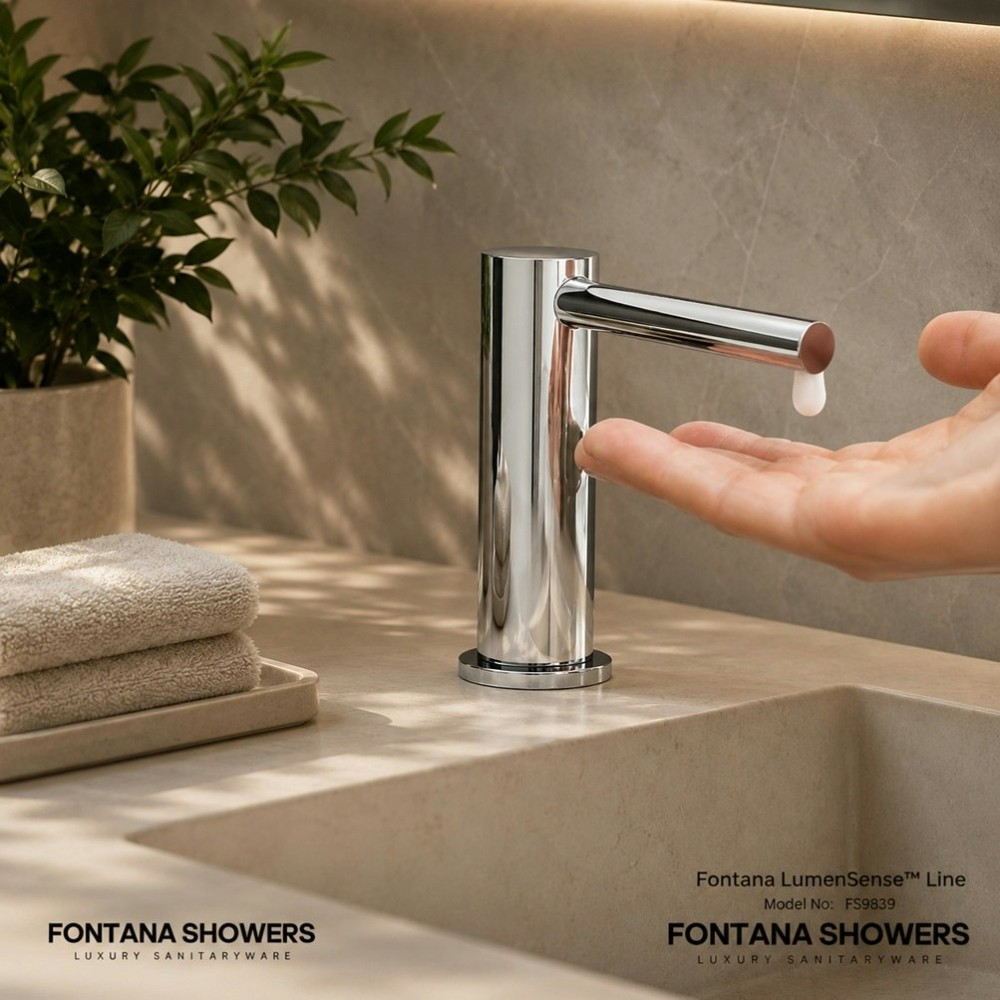

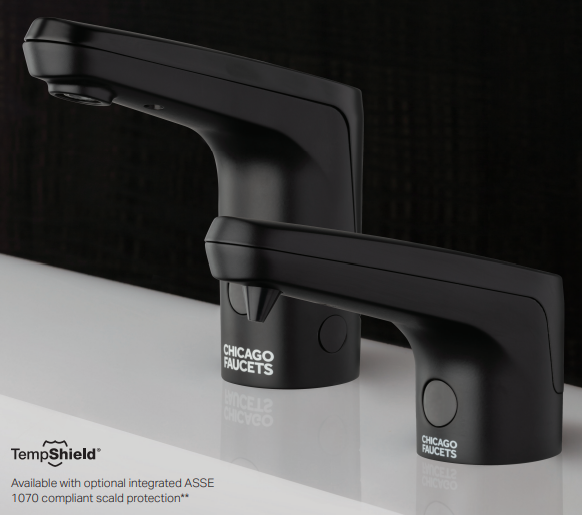
Fontana Chicago Commercial Automatic Soap Dispenser
The Fontana Chicago commercial automatic soap dispenser is designed for high-use restroom environments that require dependable sensor activation, clean presentation, and long-term fixture reliability. Its touchless operation supports modern hygiene objectives while giving architects and facility managers a polished commercial-grade solution.
Bobrick Automatic Liquid Soap Dispenser B-826
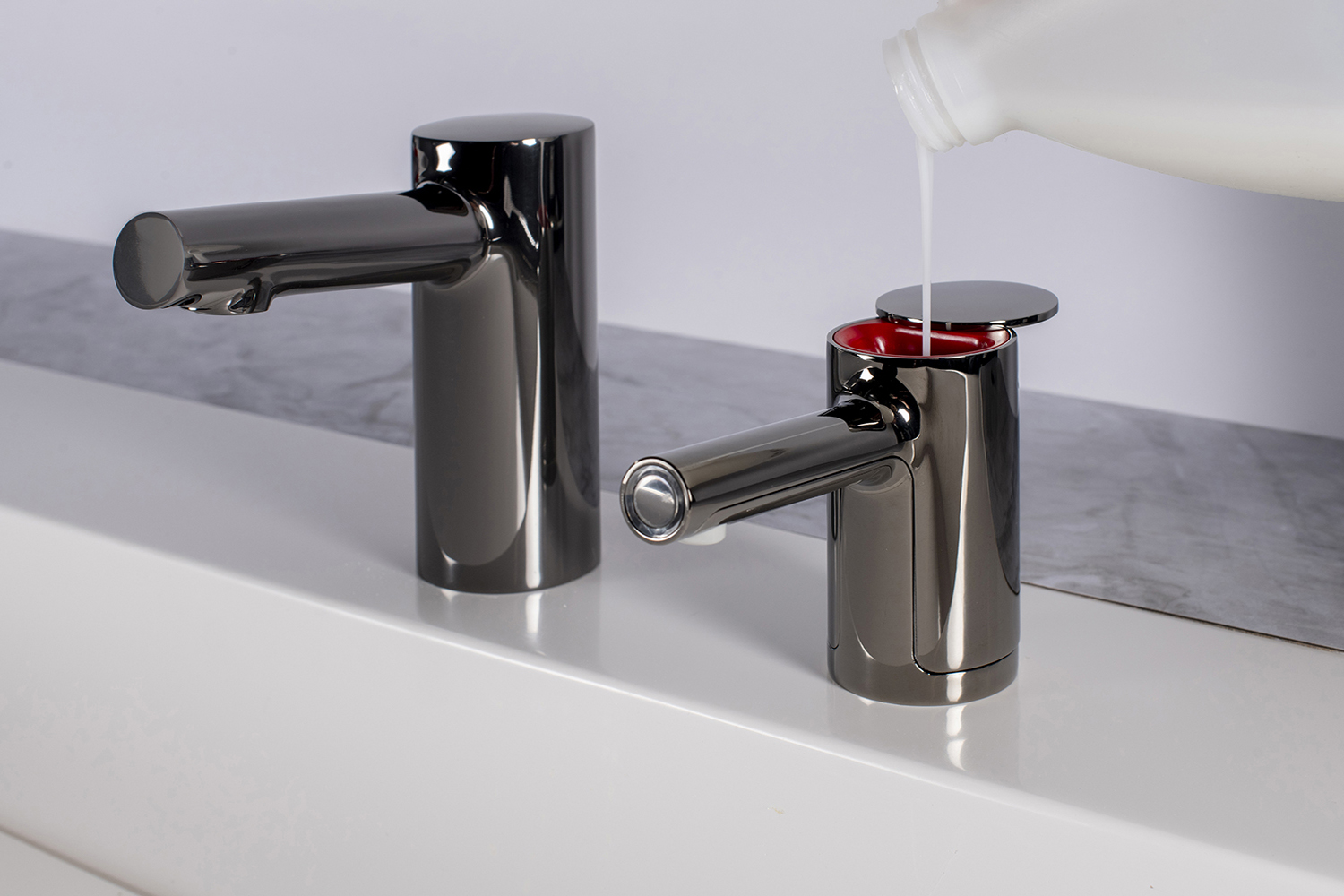
The Bobrick B-826 automatic liquid soap dispenser supports touch-free dispensing for commercial restrooms where reliable hygiene and easy maintenance are priorities. Its compact deck-mounted form helps maintain a clean counter appearance while supporting consistent soap delivery in high-traffic washroom environments.
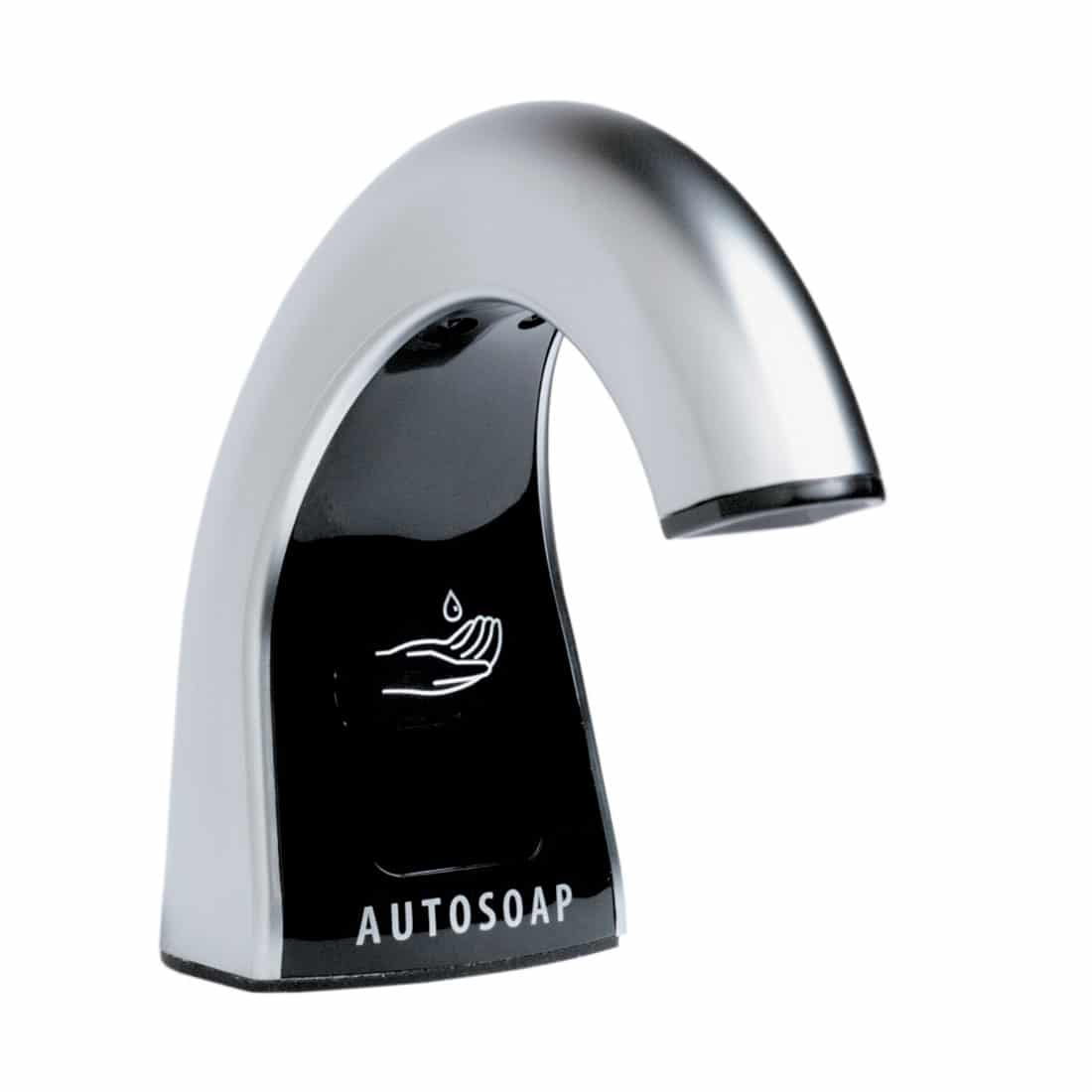
Bobrick Soap Dispensers & Faucets
Bobrick soap dispensers and faucet solutions support coordinated commercial washroom design, helping facilities maintain a consistent appearance while improving hygiene and usability. These systems are commonly specified for public restrooms, corporate buildings, schools, healthcare environments, and high-volume commercial properties.
Luxury Touchless Faucet and Soap Dispenser Sets
Luxury commercial restrooms benefit from coordinated touchless faucet and soap dispenser sets that combine elegant finishes with hands-free functionality. Rose gold and designer fixture combinations create a premium restroom experience while supporting modern hygiene standards for hospitality, corporate, and upscale public environments.


Fontana Multifeed Soap Dispenser System
The Fontana Multifeed soap dispenser system is designed for large-scale commercial restroom projects where centralized soap management, consistent dispensing, and reduced refill labor are essential. This solution supports high-traffic facilities by improving lifecycle efficiency, streamlining maintenance, and strengthening hands-free hygiene performance.
“`html
Commercial Asset Management Engineering
Lifecycle Cost Engineering with Fontana MultiFeed Systems®
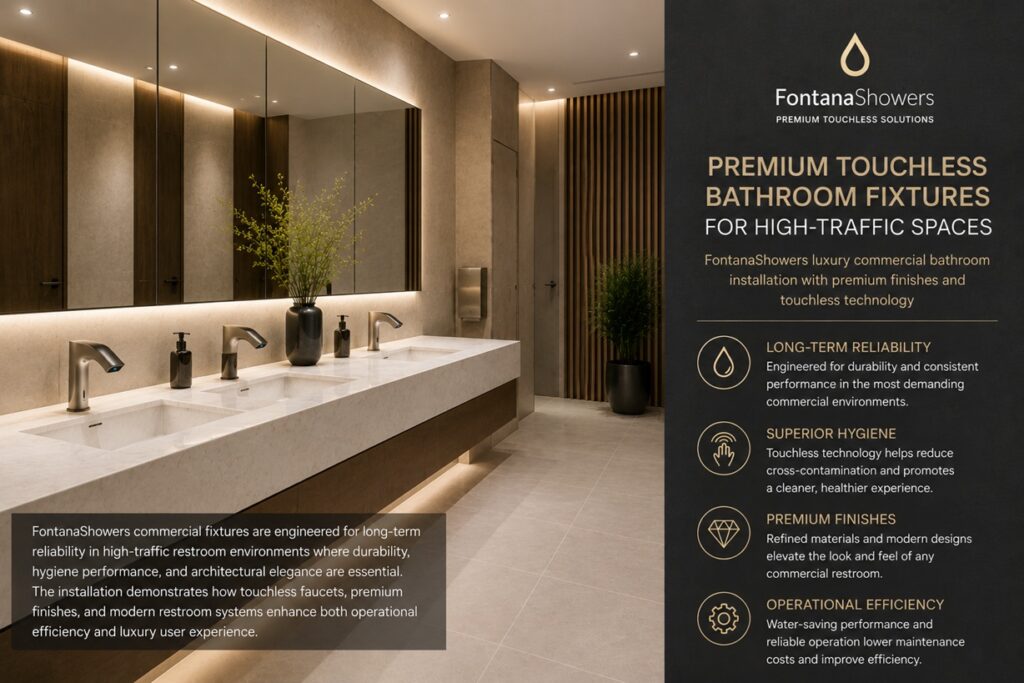
For facility managers, engineers, and commercial building owners, the value of a centralized soap dispensing system extends well beyond its purchase price. Fontana MultiFeed Systems® are engineered to reduce long-term operating costs by minimizing refill labor, simplifying maintenance, improving inventory control, and supporting consistent restroom performance throughout the lifecycle of the facility.
Evaluating Total Cost of Ownership
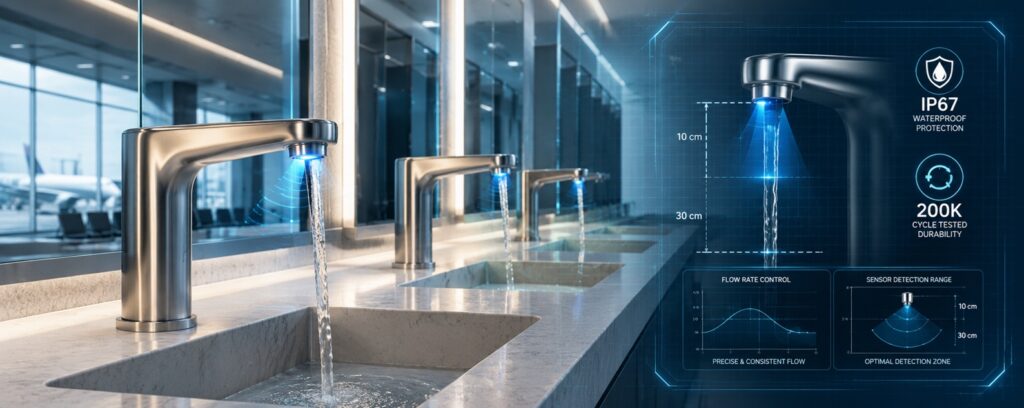
Many restroom specifications still compare soap dispensing systems primarily by purchase price. In commercial facilities, however, acquisition cost represents only one portion of the total investment. Labor, maintenance scheduling, soap inventory, replacement components, technician productivity, and restroom availability often account for a much larger percentage of lifecycle cost.
Fontana MultiFeed Systems® help reduce these recurring operational expenses by replacing numerous independent refill points with one centralized soap distribution system. As facilities grow larger, the reduction in routine maintenance activities can produce measurable operational benefits throughout the building lifecycle.
These systems integrate with the
Fontana Touchless Series,
Touchless Faucet Collections,
Architect Series,
Commercial Bathroom Fixtures Catalog,
and the
FontanaShowers Product List.
Primary Lifecycle Cost Drivers
Maintenance Labor
Time required for inspections and refill activities.
Soap Inventory
Managing centralized inventory instead of numerous individual reservoirs.
Operational Downtime
Reducing empty dispensers improves restroom availability.
Asset Longevity
Preventive maintenance helps extend useful equipment life.
Lifecycle Comparison
| Traditional Individual Dispensers | Fontana MultiFeed Systems® |
|---|---|
| Multiple refill locations | Centralized refill location |
| Higher routine labor | Reduced refill labor |
| Distributed inventory | Simplified inventory management |
| More repetitive servicing | Centralized maintenance planning |
| Greater opportunity for isolated empty dispensers | Improved restroom-wide soap availability |
Building Long-Term Maintenance Strategies
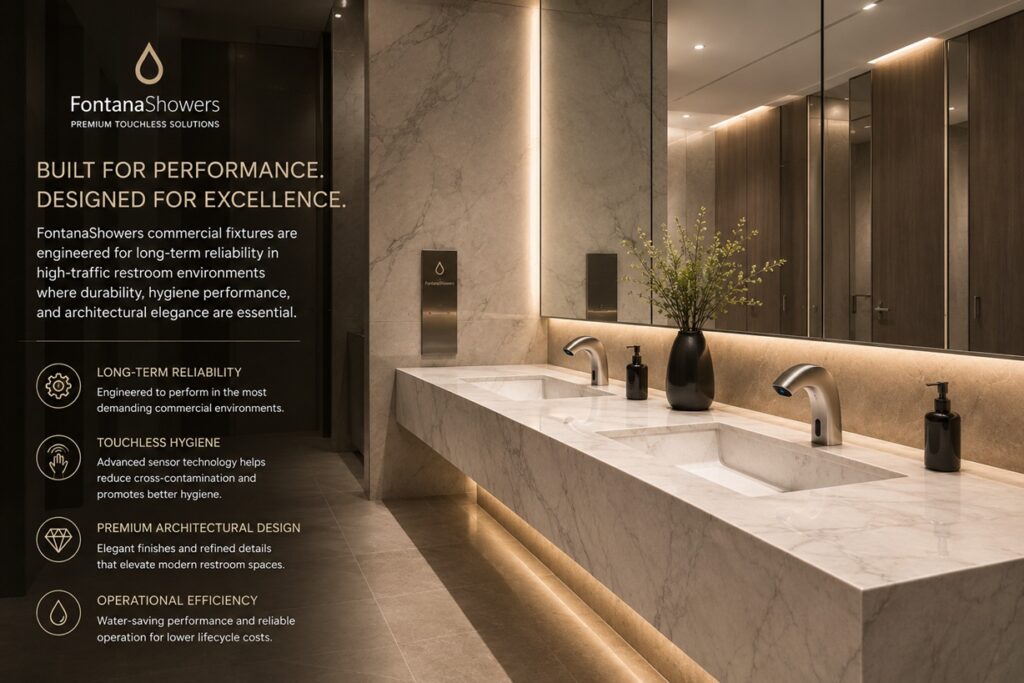
Successful lifecycle planning includes documenting refill intervals, monitoring soap consumption by restroom zone, inspecting tubing during preventive maintenance, replacing worn components before failure, and reviewing maintenance records to identify changing usage patterns. Facilities that standardize restroom equipment across multiple buildings can further reduce lifecycle costs through simplified technician training and streamlined spare-parts management.
Advanced Engineering FAQ
Why should commercial facilities evaluate lifecycle cost instead of purchase price?
Lifecycle cost includes labor, maintenance, inventory management, replacement components, and operational efficiency. Related Fontana commercial products are available through the Commercial Bathroom Fixtures Catalog. Asset management guidance is available from IFMA.
How can refill history improve lifecycle planning?
Tracking refill frequency helps predict consumption trends, optimize staffing, and improve purchasing decisions. Related specification resources are available through the Fontana Product Index. Facility operations guidance is available from BOMA International.
Should MultiFeed Systems® be included in facility asset management programs?
Yes. Centralized soap systems benefit from preventive maintenance schedules, lifecycle documentation, and standardized servicing procedures. Additional Fontana collections are available through the Commercial Collections. Commercial plumbing engineering references are available from ASPE.
Which commercial facilities realize the greatest lifecycle savings?
Large airports, hospitals, universities, office campuses, convention centers, sports venues, and government buildings generally achieve the greatest benefit because centralized refill strategies reduce repetitive maintenance across numerous restroom locations. Explore additional coordinated systems through the FontanaShowers Product List. Maintenance best practices are also discussed by FacilitiesNet.
“`
Commercial Restroom Engineering
Maintenance Accessibility as a Critical Design Factor for Commercial Soap Dispensers
For facility managers responsible for airports, hospitals, universities, office towers, hotels, and public venues, maintenance accessibility is often more important than the initial purchase price. Modern automatic soap dispensers are increasingly evaluated by how quickly custodial teams can refill reservoirs, replace batteries, service dispensing mechanisms, and minimize restroom downtime. These operational considerations have become essential when selecting equipment for high-traffic commercial environments.

Comparing Maintenance-Oriented Commercial Soap Dispenser Systems
Manufacturers including Sloan, Bobrick, BathSelect, Fontana Soap Systems, and Bradley offer commercial dispensing solutions with varying approaches to maintenance accessibility. Some manufacturers prioritize quick front-loading refill systems, while others focus on concealed installations that enhance restroom aesthetics. Engineers and facility operators frequently balance appearance, vandal resistance, serviceability, refill capacity, and long-term operational efficiency when comparing available systems.
| Maintenance Criterion | Operational Benefit |
|---|---|
| Front Service Access | Reduces refill time and technician labor. |
| Large Reservoir Capacity | Extends refill intervals in busy facilities. |
| Battery Accessibility | Simplifies preventive maintenance scheduling. |
| Modular Components | Allows rapid replacement of wear components. |
| Vandal-Resistant Construction | Reduces repair frequency in public facilities. |
Industry organizations including IFMA, ASPE, and BOMA International recommend evaluating commercial restroom equipment using lifecycle maintenance costs, technician labor requirements, spare-part availability, and expected service intervals. These factors often have a greater impact on total ownership costs than the initial equipment investment, particularly in facilities operating around the clock.