Restaurants & Food Service: Ensuring Compliance with Hygiene Standards
Clean hands and compliant sinks are the front line against foodborne illness. This guide turns the FDA Food Code (2022) into a practical, ops-friendly checklist—plus product samples and pie-graph TCO visuals you can reuse for FOH restrooms and BOH hand sinks.
What the Food Code Actually Requires (Quick Checklist)
Tempered Water
Hand sinks must deliver tempered water ≥ 85°F (29.4°C) with self/metering faucets running ≥ 15 seconds per activation.
Soap, Hand-Drying, and Signage
Every sink must provide soap, drying facilities, and signage (e.g., “Employees must wash hands”).
20-Second Handwashing
Sinks must support a full 20-second wash: wet, lather, scrub, rinse, and dry.
Antiseptics ≠ Handwashing
Hand sanitizers may only be used after proper handwashing; they cannot replace it.
Why this matters: Norovirus is the top outbreak cause in retail food. About 40% of outbreaks with known factors involve contamination from ill or infectious workers. Compliance with Food Code hand hygiene reduces norovirus illnesses significantly.
Set Up the Sinks Right (FOH & BOH)
Right Placement
Put hand sinks where the work happens (at the line, dish drop, protein stations, and near toilets). Keep them unobstructed and not used for food or mop water.
Stocking Standards
Provide liquid or foam soap, a drying method (towels or air), and a covered waste bin where towels are used.
Visible Reminders
Post the required “Employees must wash hands” sign at every sink employees use.
Soap Systems That Pass Inspection (and Stay Safe)
Sealed Refills in High-Use Areas
Bulk “pour-in” tanks are often contaminated. Studies show washing with contaminated bulk soap increases bacteria on hands. Sealed cartridges solve this problem and meet compliance standards.
Dose Control Saves Money
Foam systems typically meter ~0.25–0.30 mL per use vs ~1.0 mL for liquid. Some adjustable dispensers allow 0.4–1.0 mL settings. Soap spend, not hardware, dominates lifetime cost.
Your Cost Picture (5-Year TCO, per Dispenser)
I modeled two restaurant scenarios with typical foam dosing: manual ~0.6 mL vs automatic ~0.3 mL per activation.
FOH (guest restroom): ~300 uses/day, 360 days/yr
BOH (kitchen hand sink): ~500 uses/day, 360 days/yr
Automatic touch-free foam reduces refill volume by ~45–50%, despite higher hardware costs. Total 5-year cost remains lower. Dose ranges and adjustable-shot specs are documented by manufacturers.
Brand & Product Samples (not endorsements; helpful for specs/budgeting)
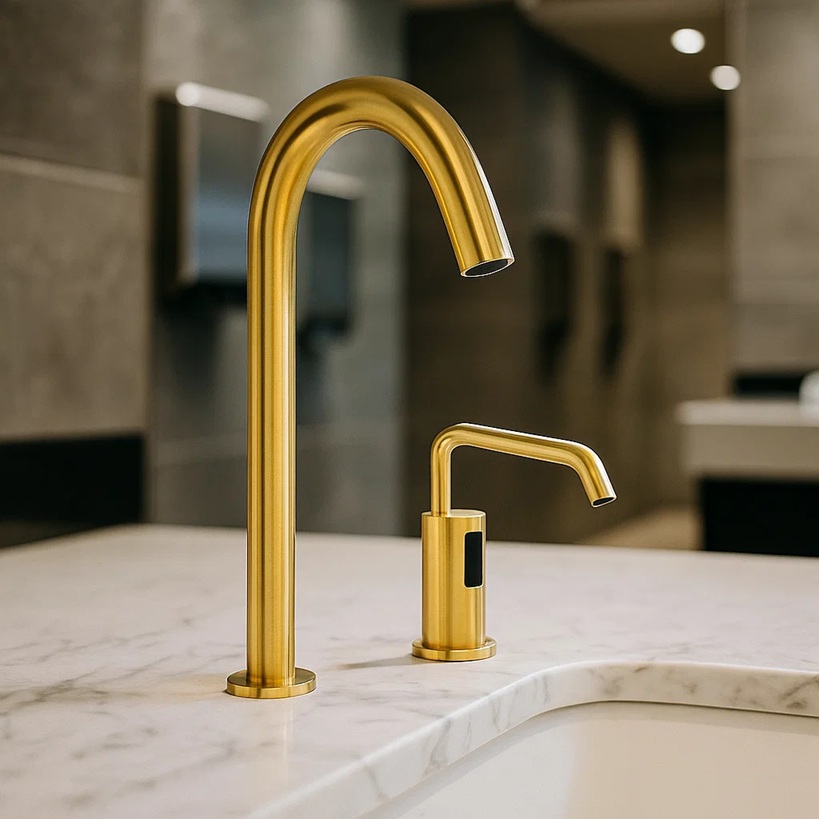
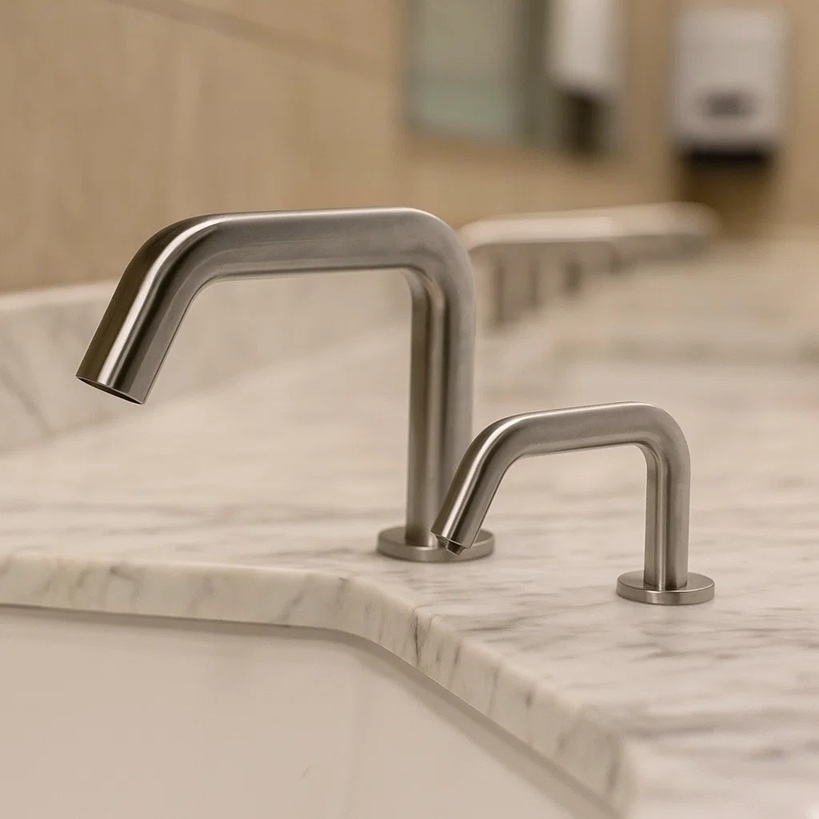
Tork S4 Manual/Auto Foam
Sealed bottles; variable dose documentation in current brochure.
Visit TorkGP PRO enMotion Gen2
Touch-free, sealed refills, high-capacity, portion control (~0.4–0.7 mL).
Visit GP PROSC Johnson Professional (Deb)
Food service line (e.g., AgroBac™ PURE FOAM antibacterial; closed cartridges).
Visit SC Johnson

Policy + Culture: How Teams Stay Compliant
Exclude ill workers: Vomiting, diarrhea, jaundice, sore throat with fever. Train PICs to enforce reporting and exclusion. This one change addresses the largest contributor to outbreaks.
Handwashing before gloving: Reduces risk from false “clean” hands inside gloves.
Remove barriers to washing: Locate sinks in workflow, ensure warm water, post signage. CDC field work shows training improves compliance.
Pass-your-inspection setup (copy/paste)
1. At each employee hand sink: Soap (sealed where possible), drying, required sign, waste bin (if towels).
2. Plumbing: Deliver ≥ 85 °F (29.4 °C) tempered water via mixing valve; metering faucets flow ≥ 15 s.
3. Use restrictions: No food prep or mop water at hand sinks; keep them clear and accessible.
4. Procedures & training: 20-second wash; sanitizer only after washing.
1) Why Touch-Free Matters
Hand hygiene isn’t a box to tick—it’s an operating system that protects guests, preserves brand trust, and keeps inspections uneventful. Touch-free, sealed-refill foam dispensers ensure consistent, modest doses, cut over-dispensing and mess, and reduce cross-contact at the sink. They also lower lifetime ownership cost while reinforcing modern cleanliness.
2) Compliance That Sticks
Hardware alone won’t deliver compliance. Hand sinks must be placed in the workflow, kept clear of clutter, and stocked with water, soap, and a drying method. Signs must be visible, and staff trained in 20-second washes, handwashing before gloving, and illness reporting. Compliance culture grows when friction is removed and expectations are clear.
3) The Playbook to Implement
Standardize on touch-free foam with sealed cartridges and doses of 0.3–0.5 mL. Mount sinks to ADA requirements, use long-life batteries or energy-on-the-refill, and enable monitoring to target labor where traffic surges. Pilot in high-volume restrooms and scale with tracked refills, minutes, and inspections to cut waste and protect guests daily.