
Commercial AEC Guide
Commercial Automatic Soap Dispenser Systems
Commercial automatic soap dispensers are specified as part of the complete washroom system. Mounting method, refill access, power, soap type, finish, sensor performance, and serviceability should all be coordinated with the sink, touchless faucet, vanity, and surrounding fixtures.
Read More
For airports, hospitals, hotels, universities, stadiums, offices, and public facilities, early coordination helps reduce installation conflicts and gives facility teams a clearer maintenance strategy after turnover.
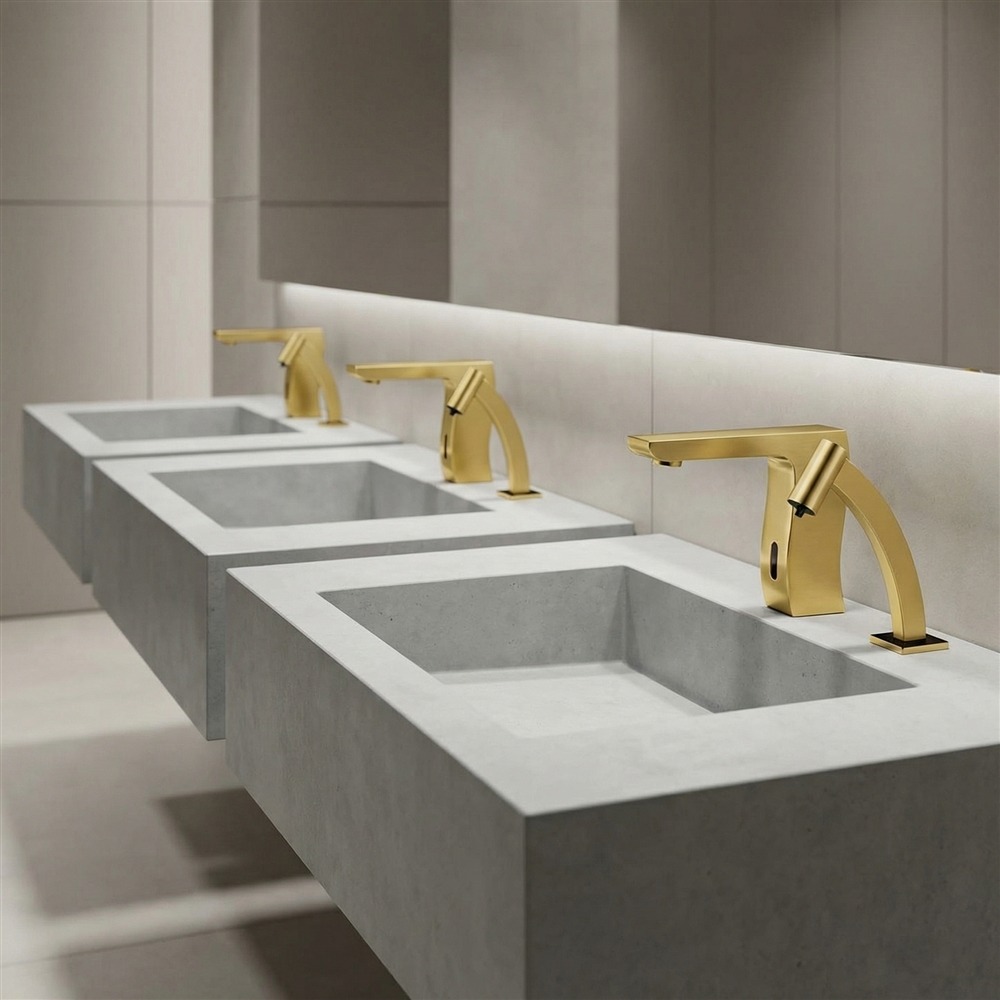
Commercial Soap Dispenser System Types
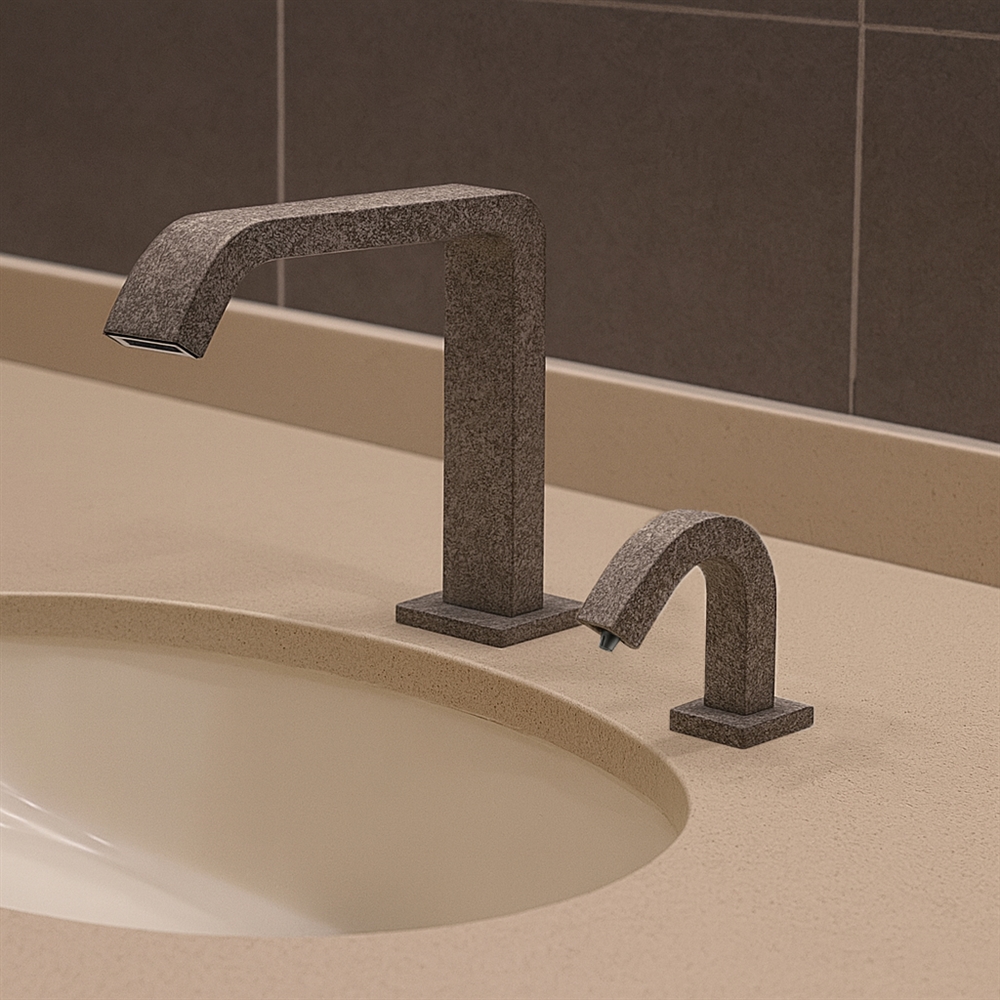
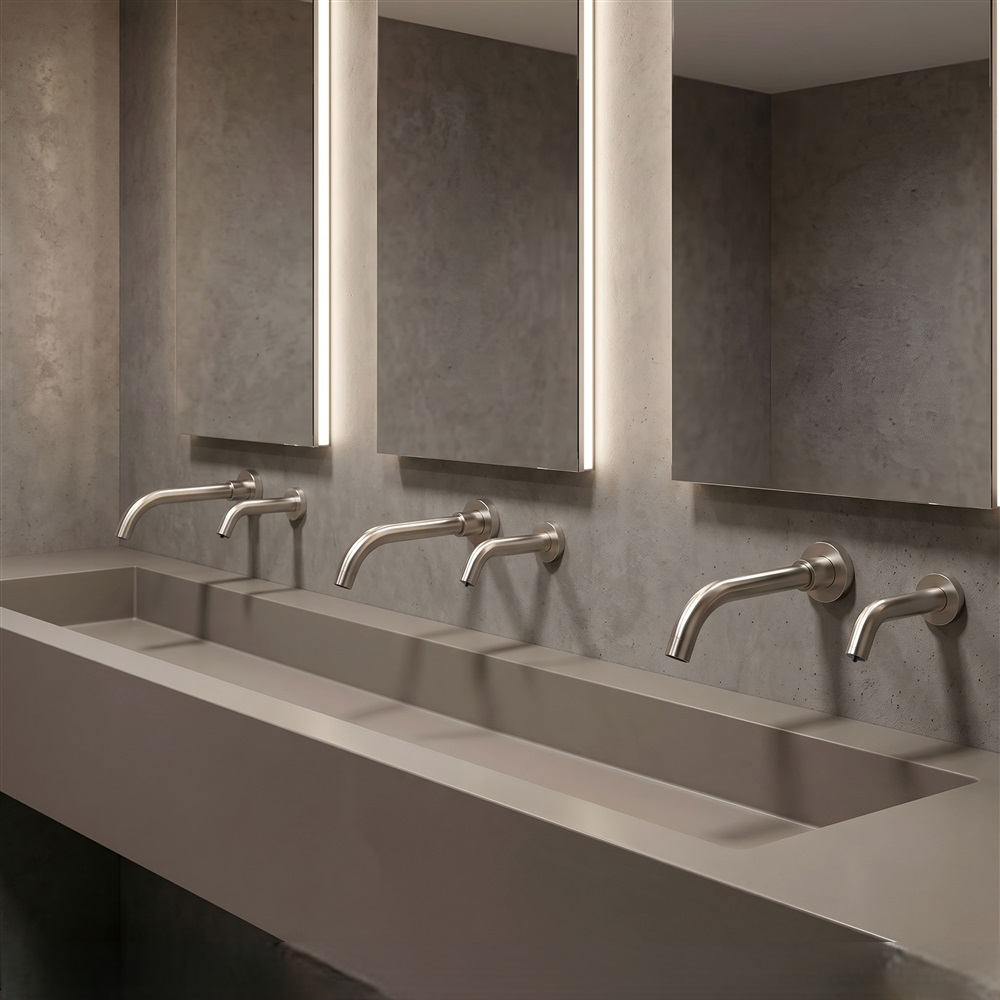
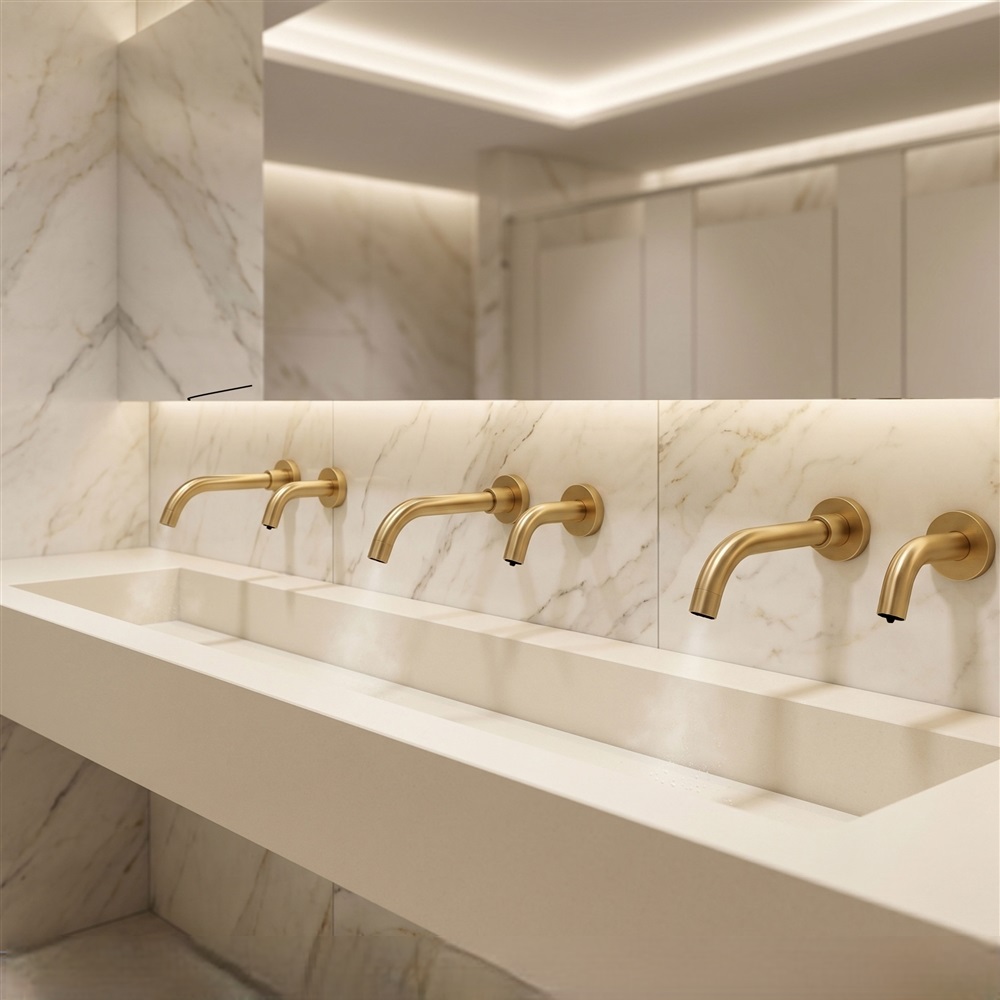
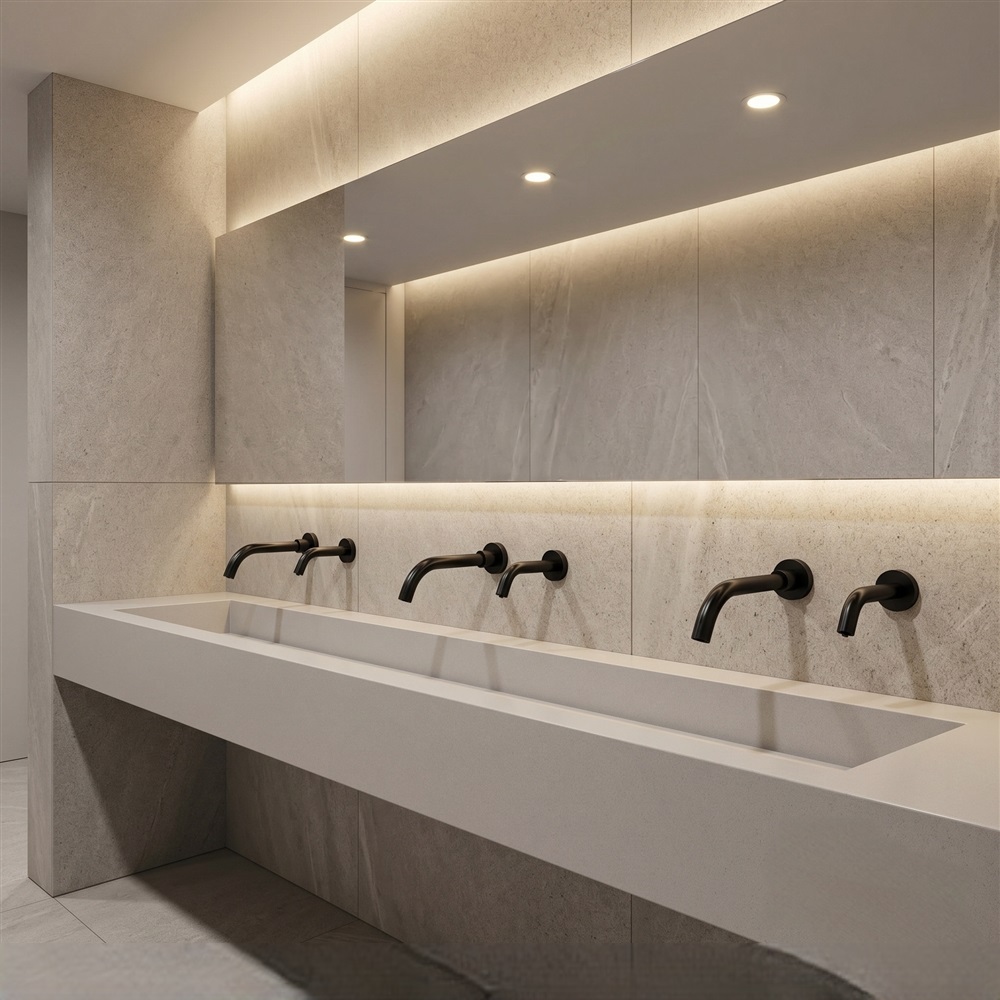
Visual references help compare reservoir configurations, mounting methods, finishes, and service arrangements without overloading the surrounding text.
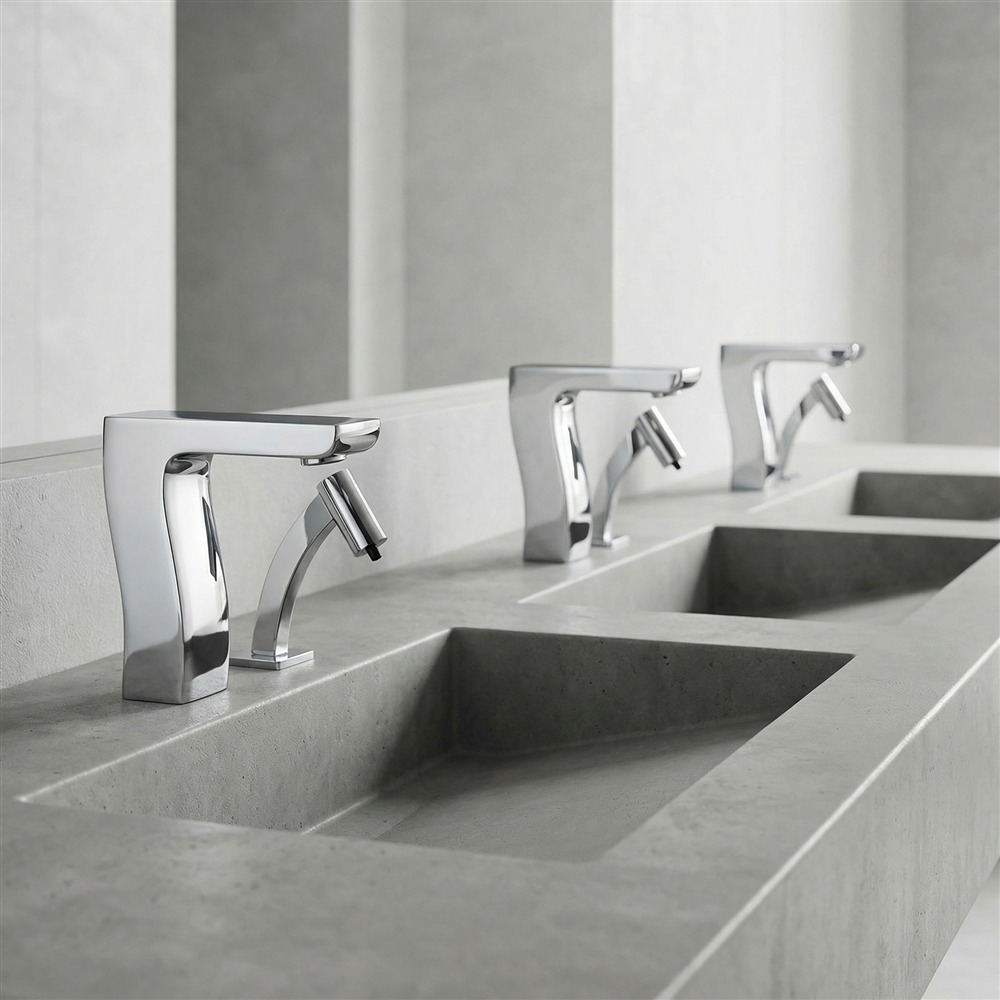
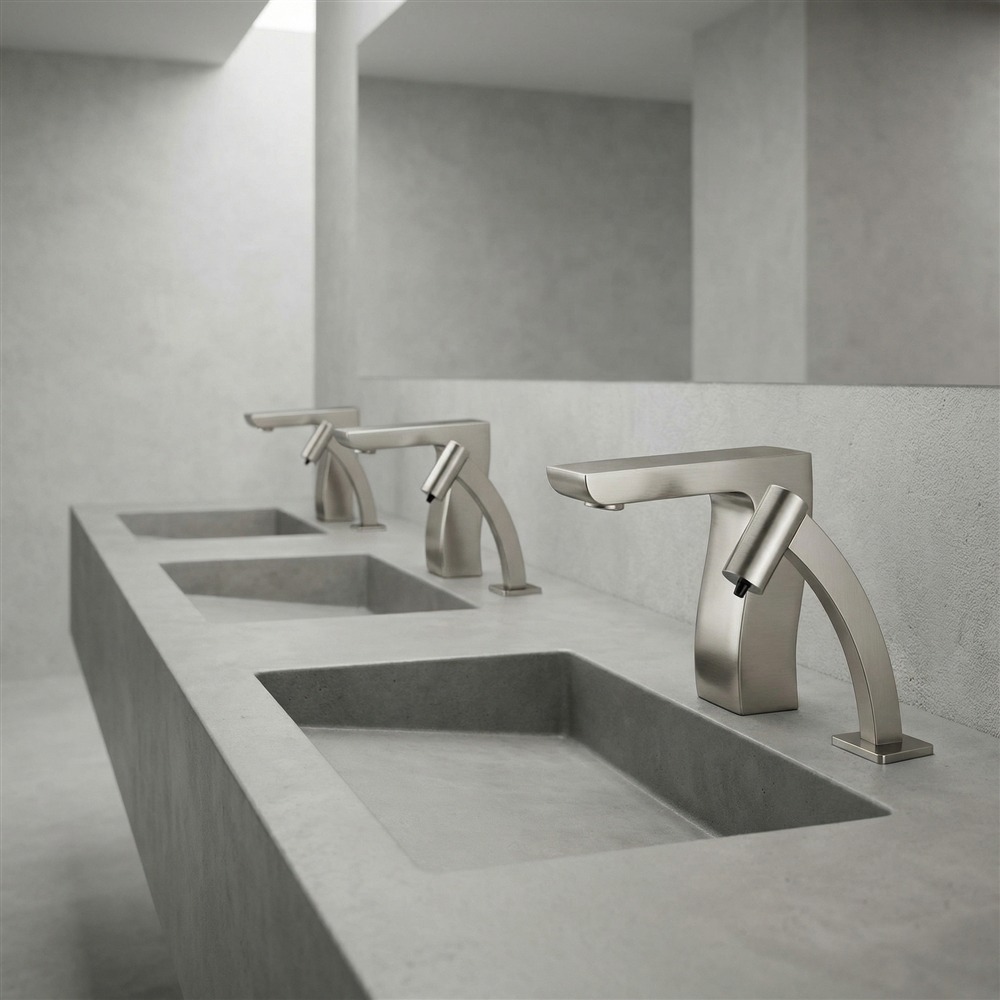
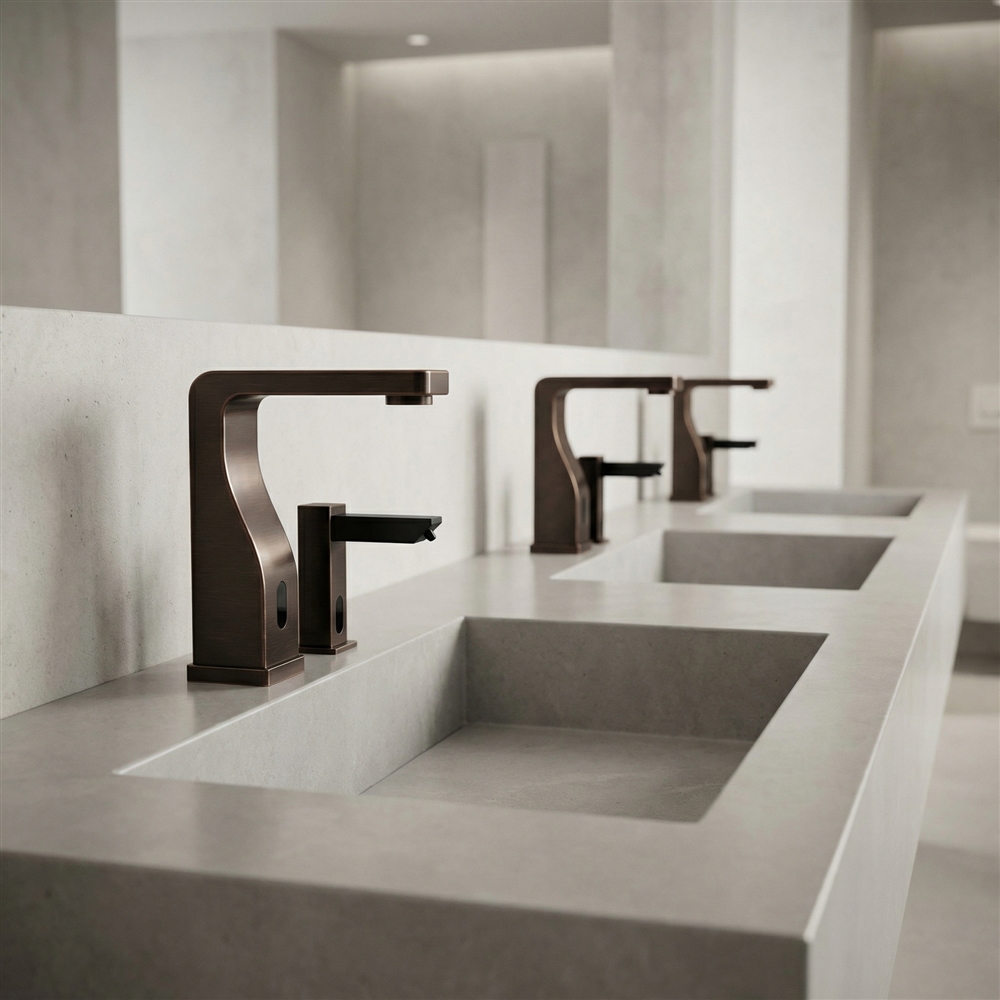

How Commercial Automatic Soap Dispensers Are Evaluated
Product selection should balance appearance with refill access, soap compatibility, power requirements, installation conditions, and long-term maintenance.
Commercial Soap Dispenser Configuration
Selection normally begins with the mounting condition: wall-mounted, deck-mounted, countertop, sink-mounted, or concealed under-counter.
Read More
Common Automatic Soap Dispenser Issues
Many service problems are related to sensors, soap selection, refill procedures, tubing, or power rather than the visible dispenser body.
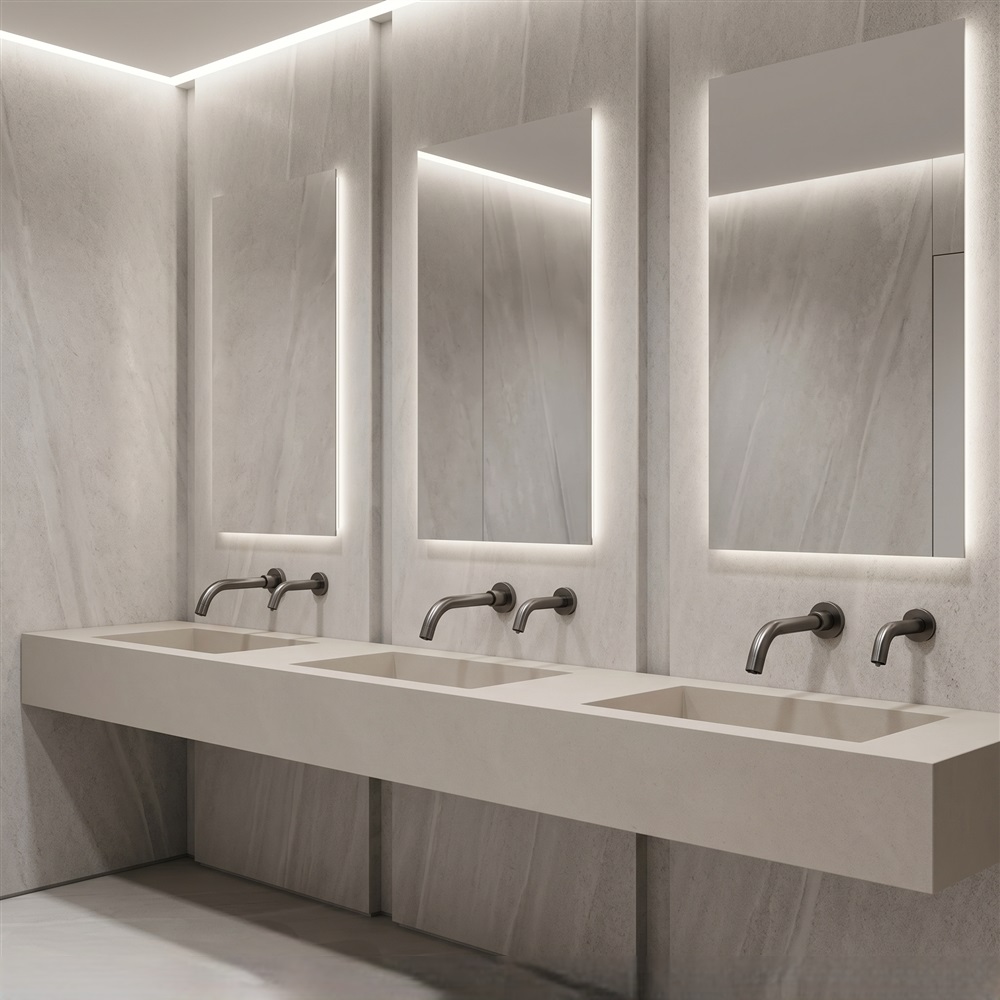
Read More
Commercial Soap Dispenser Product and Category References
These product and category references support common wall-mounted, deck-mounted, under-counter, hardwired, and coordinated touchless washroom applications.
| Reference Type | Product or Category | Application | Specification Value | Coordination Notes |
|---|---|---|---|---|
| Category | Auto Soap Dispensers | Broad commercial selection across different mounting and washroom configurations. | Useful when comparing multiple automatic dispenser formats before selecting a specific model. | Review mounting, refill method, soap type, power, and finish before product approval. |
| Wall Mount | Fontana Commercial Wall Mount Automatic Soap Dispenser | Commercial and institutional wall-mounted applications. | Suitable reference for public restrooms, airports, schools, healthcare facilities, and offices. | Coordinate mounting height, backing, refill access, and sink relationship. |
| Architectural Finish | Fontana HygienicWave Brushed Gold Automatic Dispenser | Hospitality and design-focused commercial restrooms. | Supports warm metallic fixture coordination where finish consistency is important. | Confirm cleaning requirements and finish maintenance procedures. |
| Hardwired | Hardwired Automatic Soap Dispenser | High-traffic facilities using fixed power rather than routine battery replacement. | Supports centralized maintenance strategies and permanent electrical coordination. | Coordinate transformer location, electrical rough-in, and service-panel access. |
Read More
| Countertop | Commercial Automatic Soap Dispenser Countertop | Vanity and countertop installations. | Useful where the soap outlet is coordinated directly with the basin and faucet. | Check deck thickness, pump access, bottle clearance, and backsplash interference. |
| Wall Mount | Commercial Soap Dispenser Wall Mount | Additional wall-mounted commercial washroom applications. | Supports projects where counter penetrations are undesirable. | Confirm wall access, refill method, mounting structure, and cleaning clearance. |
| Sink Mount | Commercial Sink Mounted Soap Dispenser | Basin and vanity-mounted commercial installations. | Allows the soap outlet to coordinate closely with faucet and basin geometry. | Coordinate sink holes, bottle position, faucet spacing, and service access. |
| Under Counter | Under Counter Soap Dispenser Brushed Nickel | Concealed-service commercial vanity installations. | Keeps reservoirs and pumps below the counter while preserving a clean visible surface. | Show pump, bottle, and maintenance access on millwork and plumbing drawings. |
| Foam Soap | Stainless Steel Foaming Soap Dispenser | Commercial facilities using foam soap programs. | Supports durable finish selection and foam-versus-liquid soap planning. | Confirm compatible foam soap and refill requirements. |
| Sustainability | Sustainable Commercial Soap Dispenser | Projects considering material, maintenance, and waste-reduction strategies. | Useful when discussing long-term facility operations and sustainability objectives. | Verify any project-specific environmental claims through current product documentation. |
| Hand Drying | Commercial Grade Jet Automatic Hand Dryer | Complete touchless hygiene-station planning. | Supports coordinated faucet, soap, and hand-drying layouts. | Review electrical requirements, wall position, user flow, noise, and clearances. |
| Touchless Faucet | Commercial Touchless Bathroom Sink Faucets | Coordinated faucet and automatic soap dispenser installations. | Supports integrated commercial washroom planning. | Review sensor zones and placement so fixture activation areas do not conflict. |
Mounting and Washroom Coordination
Mounting method affects counter layout, service access, visual alignment, and maintenance routines.
Wall-Mount vs. Deck-Mount Dispensers
Wall-mounted systems can preserve counter space, while deck-mounted dispensers create a more integrated vanity arrangement with the faucet and basin.
Read More
Touchless Faucet, Soap, and Hand Dryer Coordination
Automatic soap dispensers should be considered together with adjacent touchless fixtures to create a functional hygiene station.
Read More
Operational and Maintenance Considerations
Long-term performance depends on predictable activation, compatible soap, accessible components, and manageable refill intervals.
Touch-Free Operation
Sensor activation should be predictable and intuitive during normal use.
Read More
During specification and commissioning, review sensor response, power condition, soap delivery, and environmental factors that may affect consistent operation.
Finish and Serviceability
A clean appearance should be supported by practical maintenance access.
Read More
Finish selection, sensor-window location, drip behavior, cleaning chemistry, and access to hidden components all influence long-term appearance and maintenance.
Refill Planning and TCO
Predictable refill routines can reduce unnecessary service interruptions.
Read More
Bulk reservoirs, accessible under-counter bottles, fixed power, and standardized dispenser families can simplify operations across large facilities.
AEC Specification Checklist for Automatic Soap Dispensers
Use the following points during design development, submittal review, installation coordination, and facility turnover.
What to Confirm Before Approval
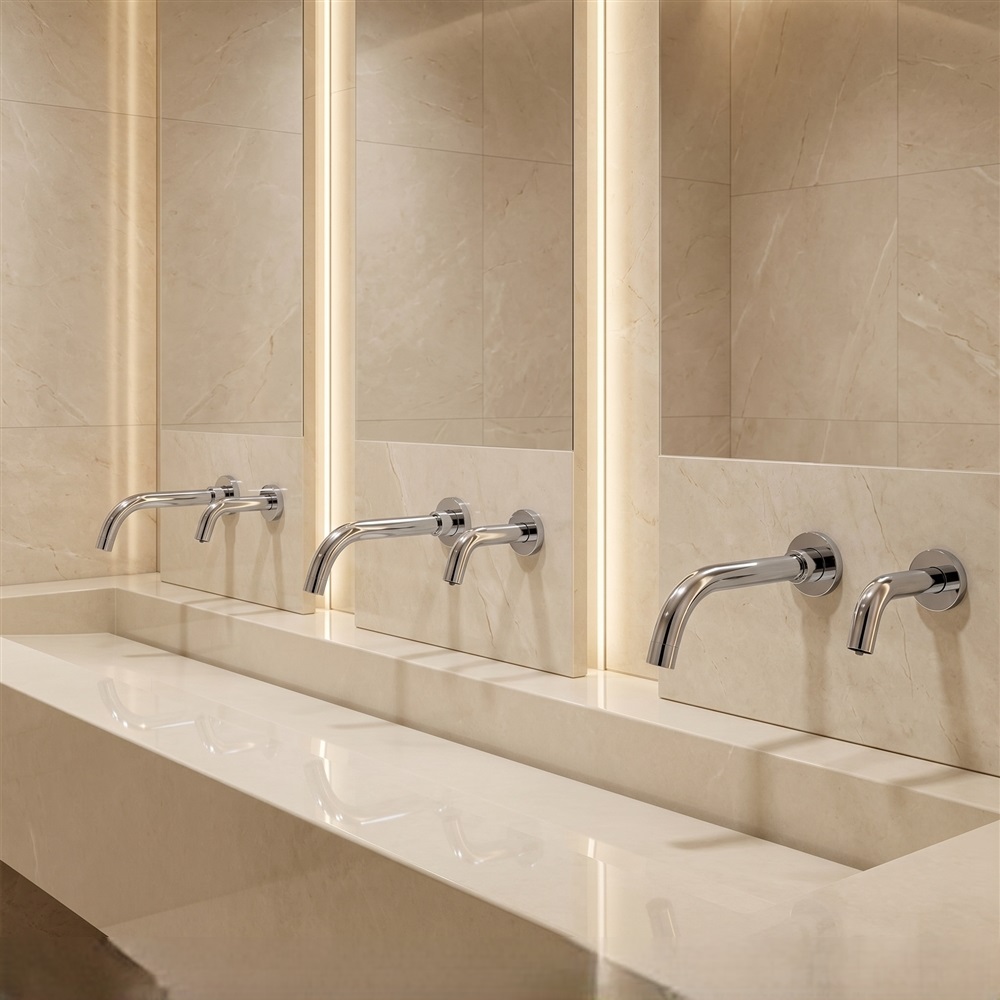
Read More
Technical and Industry References
These manufacturer, installation, standards, sustainability, and public-health references provide additional context for commercial washroom research.
Automatic soap dispenser category for commercial product selection.
Wall-mounted commercial dispenser reference for specification planning.
Installation guidance for coordinated touchless faucet and dispenser systems.
Maintenance reference for automatic dispenser troubleshooting.
Technical reference for coordinated touchless fixture planning.
Water-efficiency reference relevant to commercial lavatory faucet planning.
Public-health information related to hand hygiene practices.
Standards reference associated with plumbing supply fittings.
Drinking-water system component health-effects reference.
Plumbing codes, testing, certification, and product-compliance resources.
Green-building reference for sustainable building and water-efficiency strategies.
Healthy-building reference relevant to wellness and hygiene planning.
Related Commercial Washroom Resources
Additional product, installation, plumbing, sustainability, hygiene, architecture, hospitality, and facility-management references.
Commercial Automatic Soap Dispenser FAQ
Practical questions commonly considered during product selection, specification, installation, and maintenance.
Which automatic soap dispenser type works best for commercial restrooms?
The appropriate type depends on the sink and vanity layout, required refill method, maintenance access, power strategy, soap type, traffic level, and architectural finish.
When is a wall-mounted automatic soap dispenser appropriate?
Wall-mounted dispensers are useful where counter penetrations should be minimized or where maintenance teams prefer direct wall-level access for service and refilling.
What should be checked before installing a deck-mounted dispenser?
Confirm deck thickness, dispenser-hole position, faucet spacing, basin relationship, backsplash clearance, reservoir location, tubing route, and under-counter service access.
Why coordinate the soap dispenser with the touchless faucet?
Coordinated placement helps maintain an intuitive handwashing sequence while reducing sensor conflicts, awkward reach distances, splashing, and interference with adjacent fixtures.