New Technical Update
Understanding Infrared vs Ultrasonic vs Capacitive Sensors
In modern commercial and institutional environments, touch-free soap dispensers have become essential for hygiene, efficiency, and user satisfaction. This page explains how infrared, ultrasonic, and capacitive sensing methods affect automatic soap dispenser performance in public restrooms, hotels, healthcare facilities, schools, airports, offices, and other high-traffic buildings.
The goal is to help architects, plumbing engineers, facility managers, hospitality operators, and owners compare sensor technologies before choosing automatic soap dispensers, touchless faucets, and supporting restroom fixtures for commercial specifications.
How Automatic Soap Dispensers Detect Hands
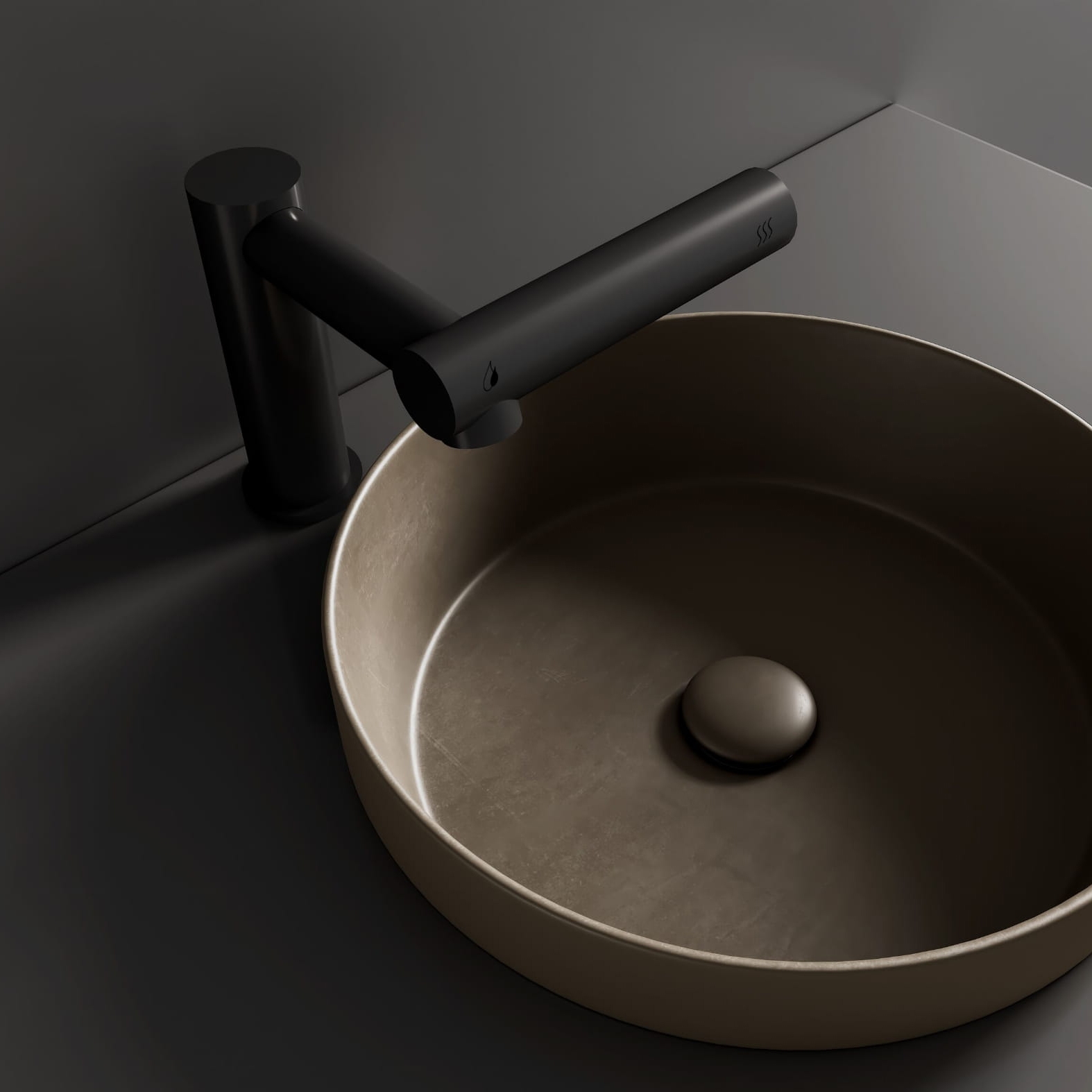
Automatic dispensers trigger soap flow when they sense a user’s hand. They do this using optical, acoustic, or electrical field sensors. The right sensor type depends on lighting, basin geometry, nearby reflective surfaces, moisture, cleaning routines, traffic volume, and maintenance access.
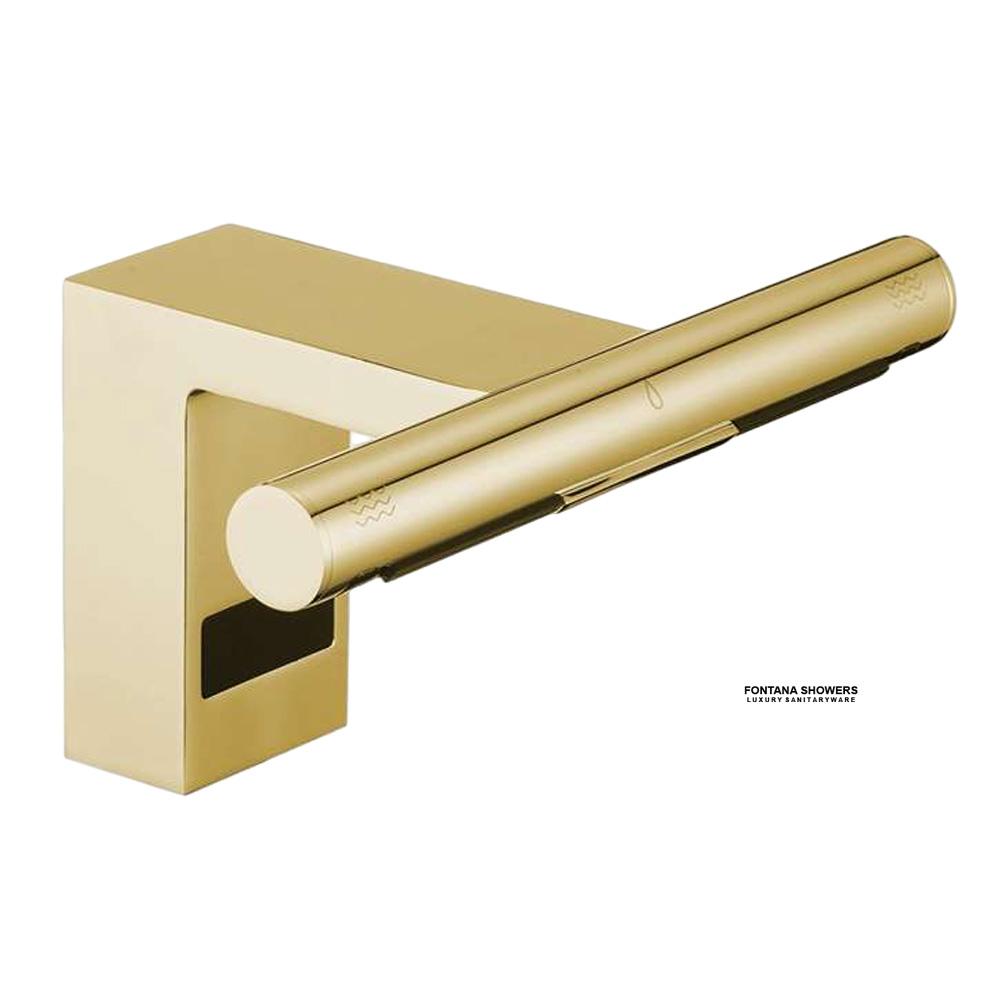
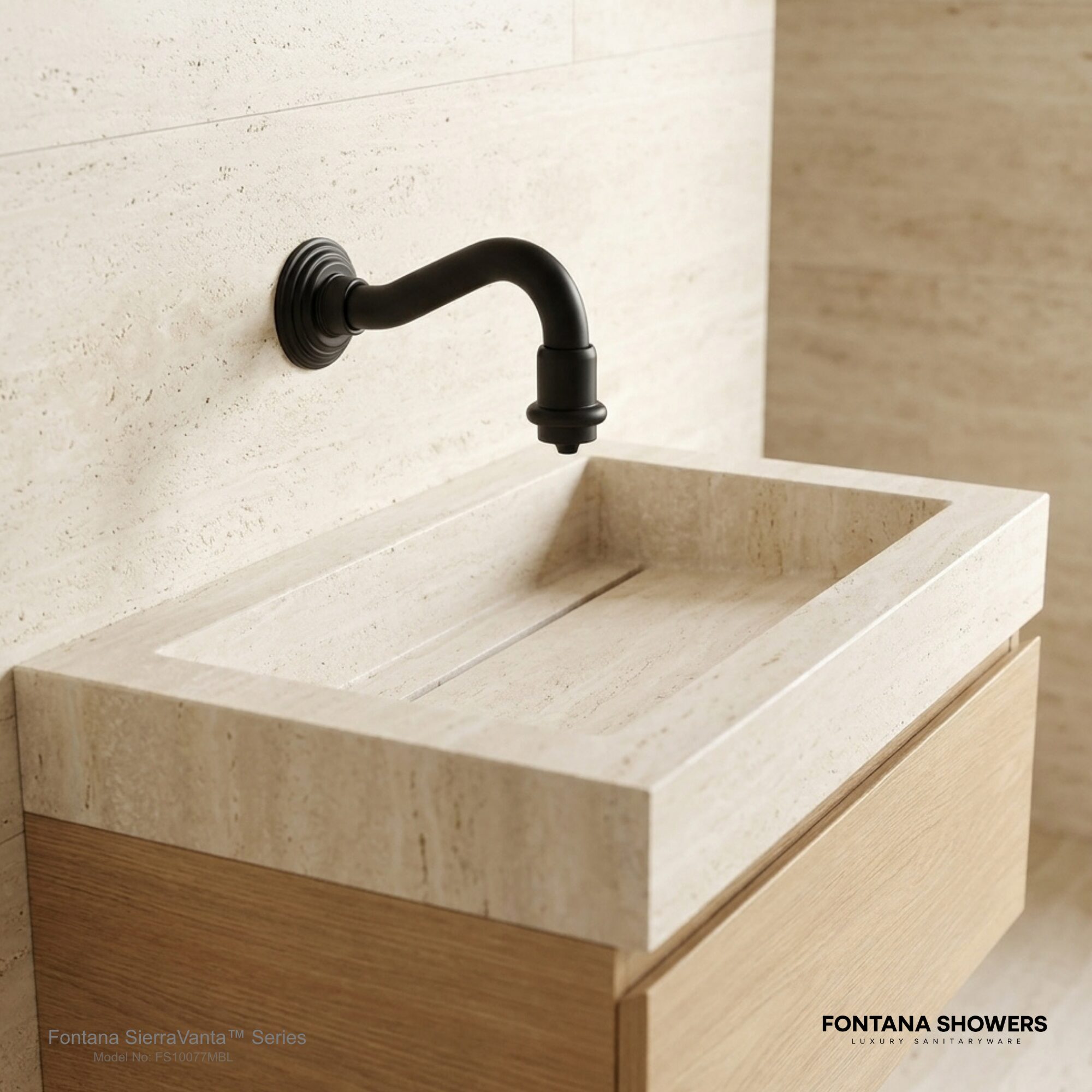

Detection Overview
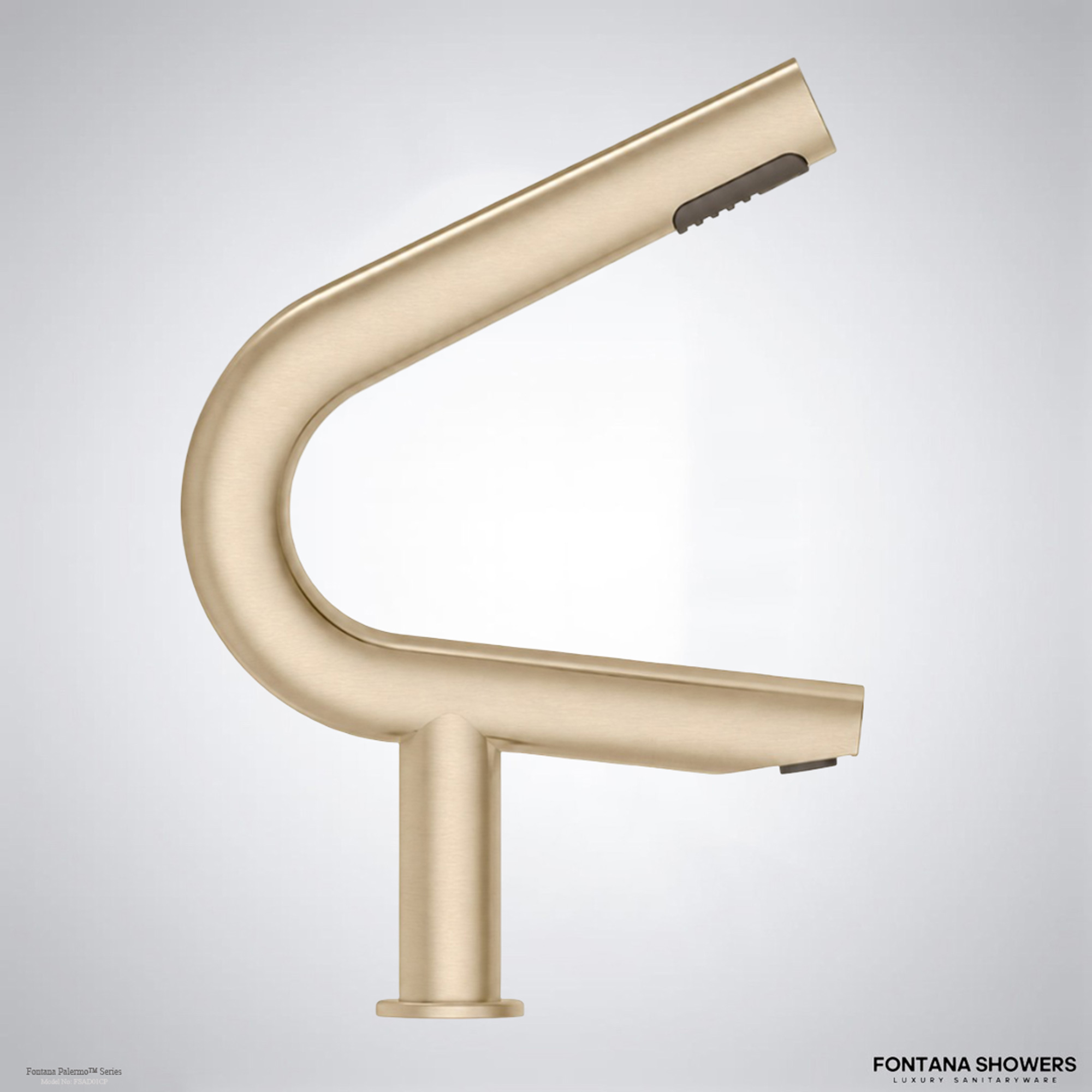
Infrared sensors detect reflected light from a hand.
Ultrasonic sensors detect reflected sound waves.
Capacitive sensors detect electrical field changes caused by proximity of a conductive object like a hand.
Sensor Technology Breakdown
Each sensor type performs differently depending on light, sound, humidity, nearby surfaces, user approach angle, soap residue, power condition, and maintenance routines.
Infrared Sensors
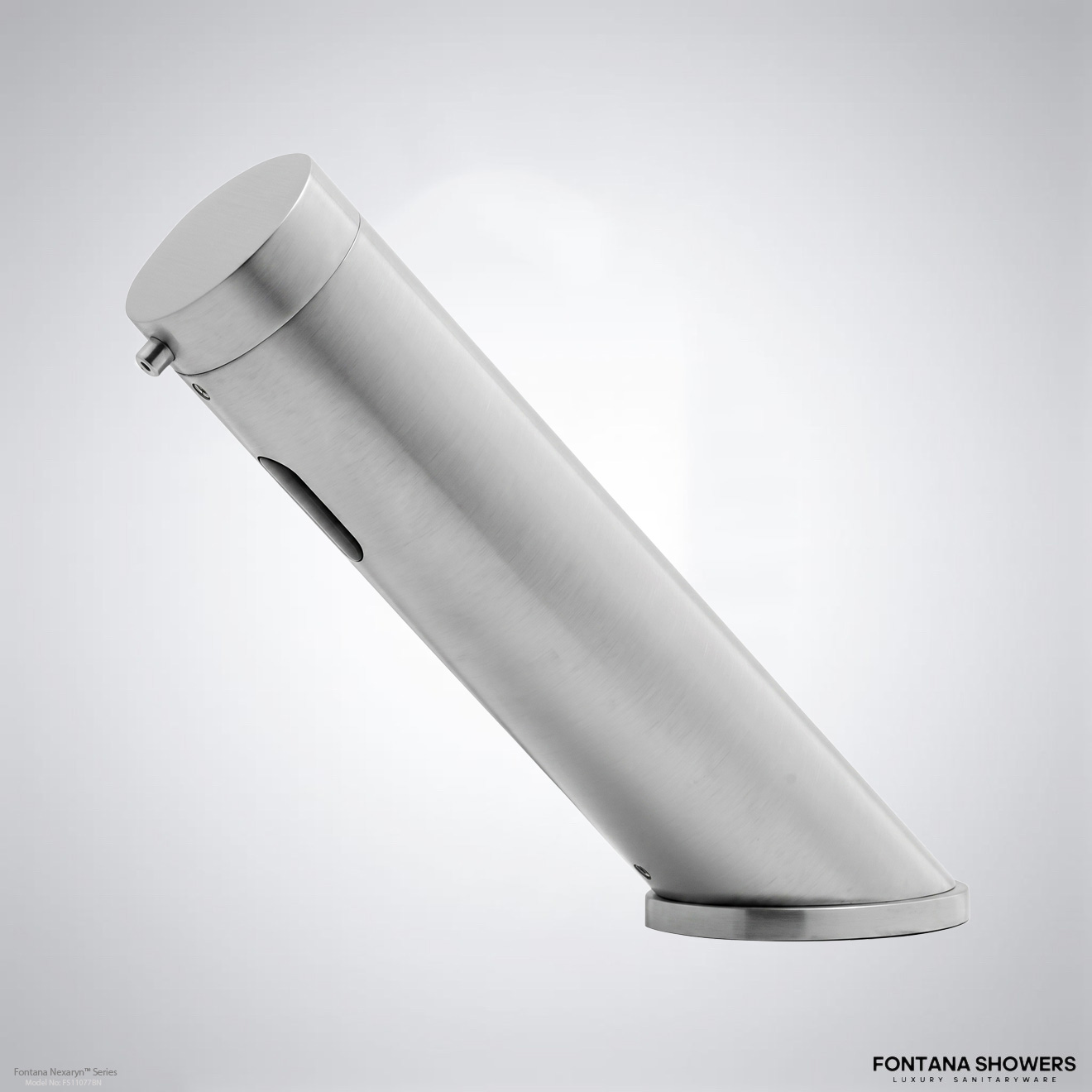
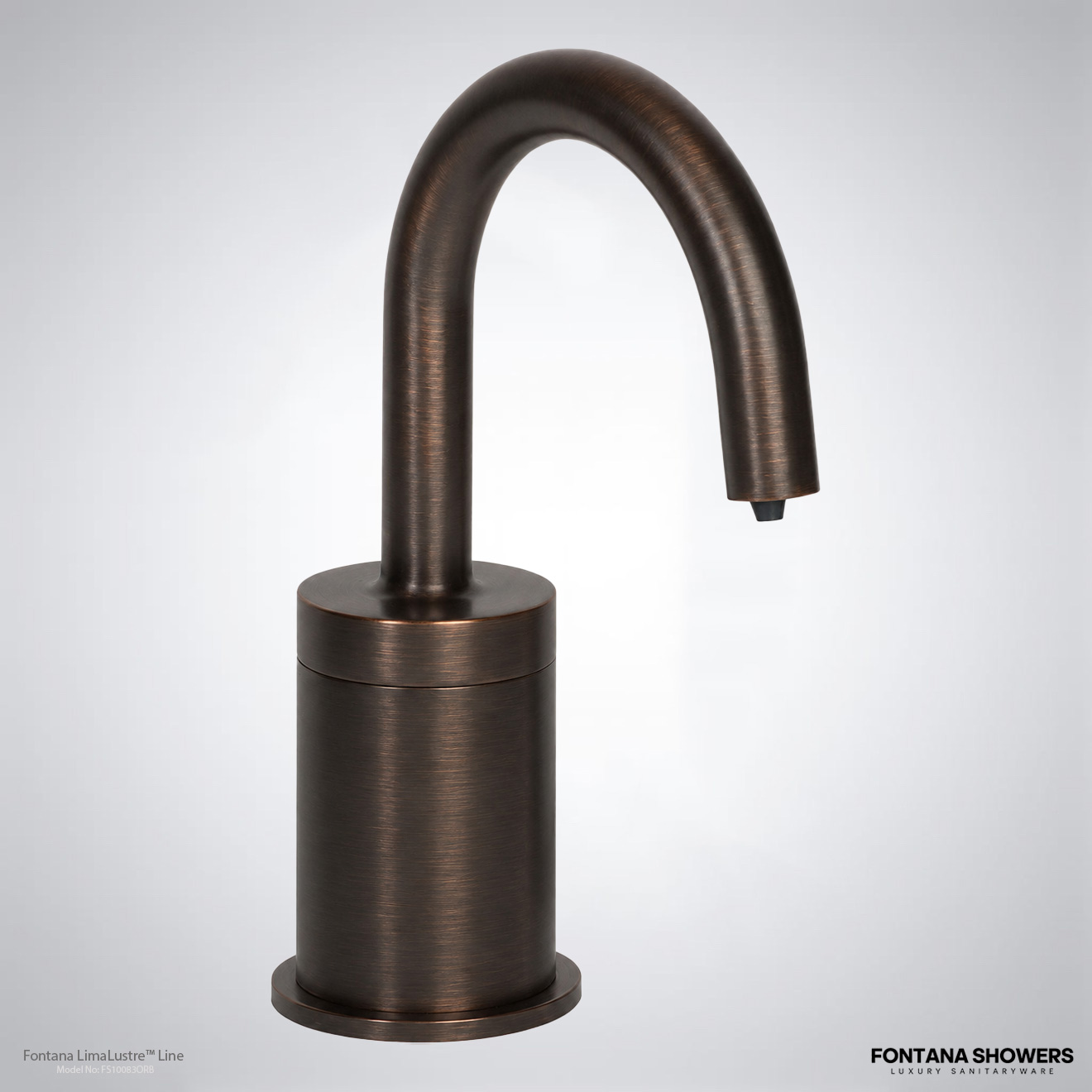
Operation Principle: Infrared systems use an emitter and receiver. When a hand enters the sensing field, reflected IR light returns to the receiver and activates the pump.
Read More
Ultrasonic Sensors
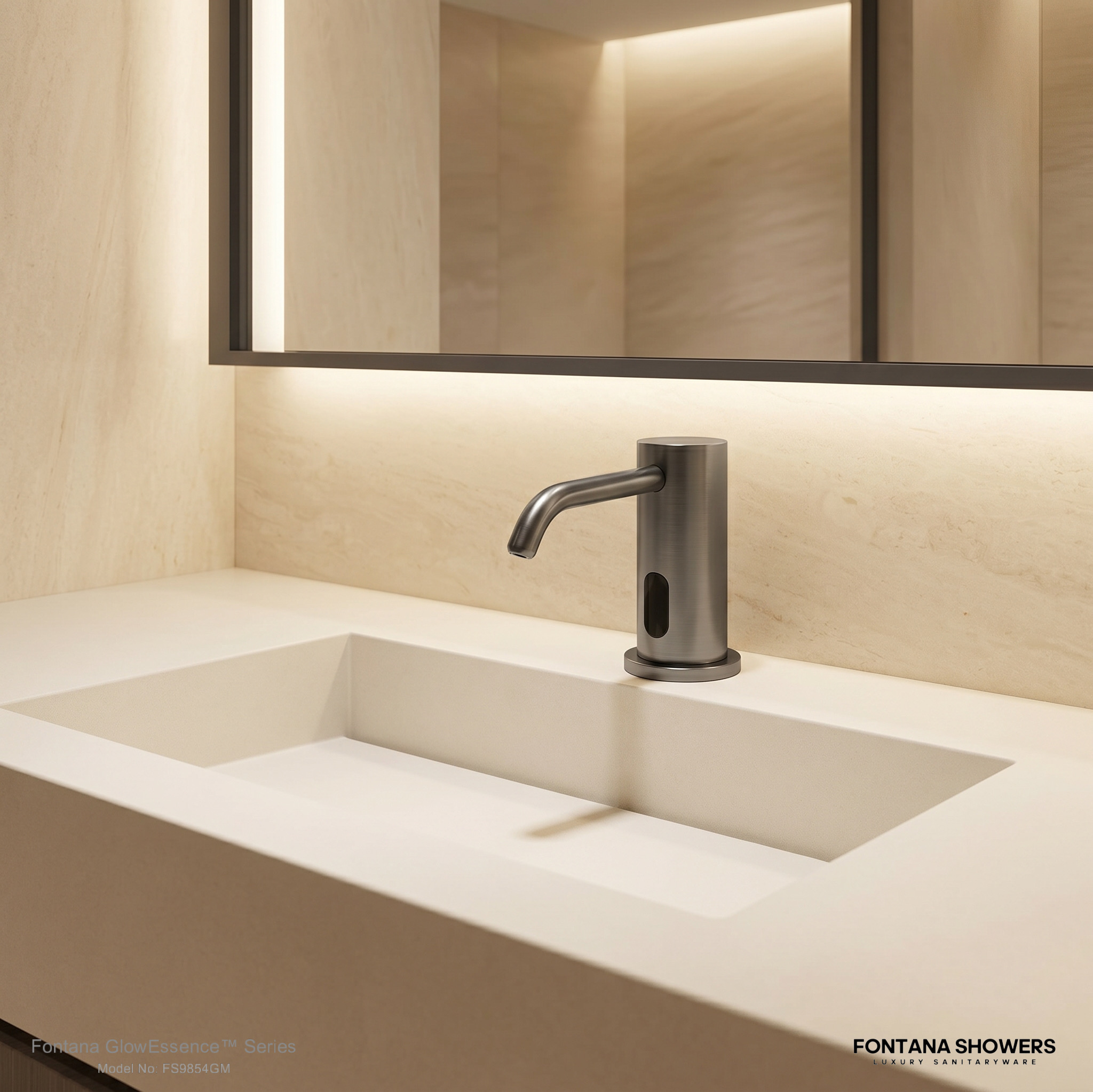
Operation Principle: Ultrasonic sensors emit high-frequency sound waves and measure how long the echo takes to return. The dispenser activates when the reflected signal is detected within the programmed distance.
Read More
Capacitive Sensors
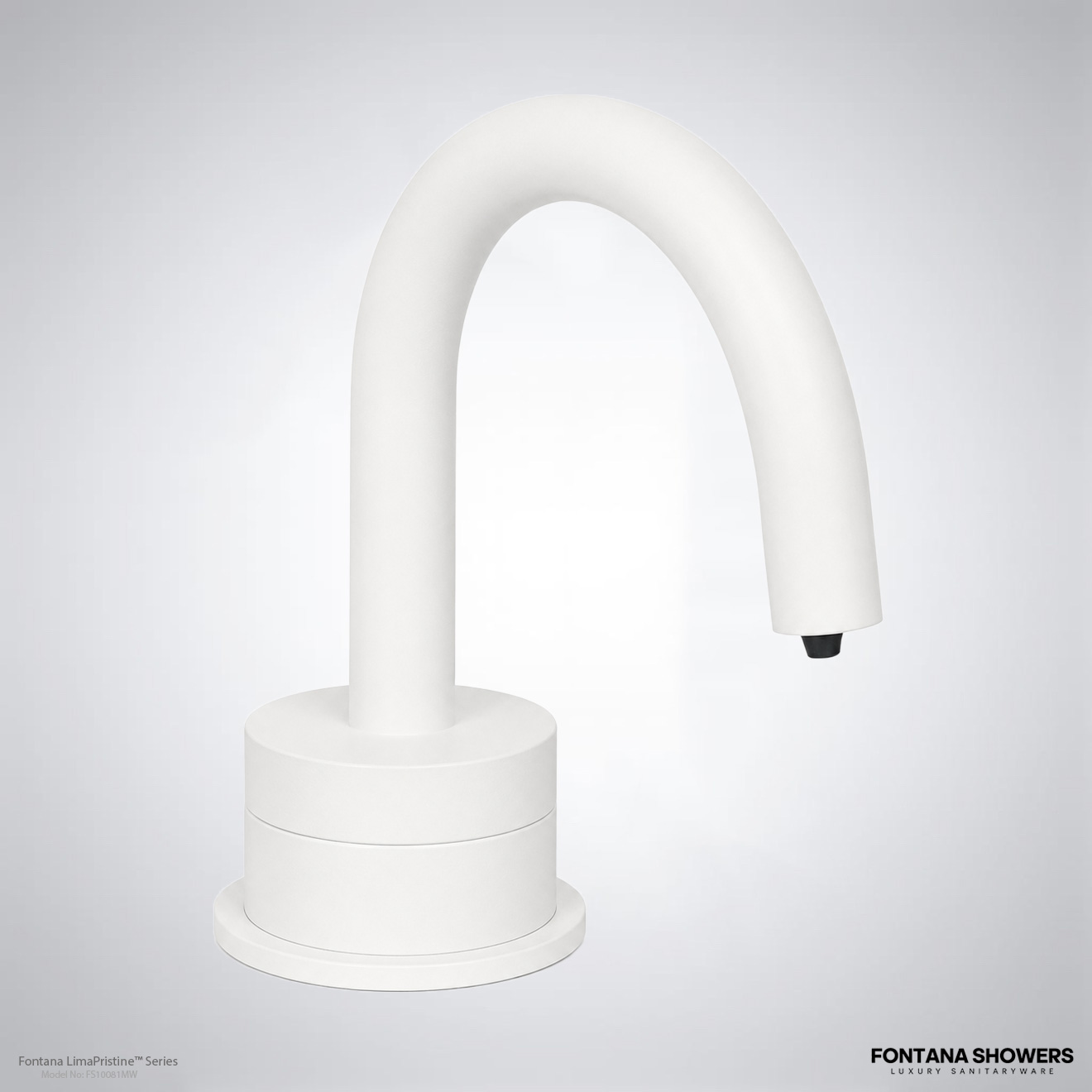
Operation Principle: Capacitive sensors detect a change in the electrical field caused by a hand approaching the sensing area. The system measures this capacitance change to activate the dispenser.
Read More
Comparative Summary
The table below keeps the comparison simple for specifiers, engineers, facility managers, and commercial restroom planners.
| Sensor Type | Detection Method | Advantages | Limitations | Best For |
|---|---|---|---|---|
| Infrared (IR) | Reflective infrared light | Affordable, responsive, familiar, low power | Sensitive to lighting, reflections, lens dirt, and alignment | Standard commercial restrooms, offices, schools, hotels, and low-to-medium traffic areas |
| Ultrasonic (US) | Sound wave echo timing | Handles varied approach angles and distance-based detection | Costlier, more complex, and sensitive to nearby surfaces or acoustic reflections | High-traffic public washrooms, airports, malls, stadiums, and variable-use environments |
| Capacitive | Electric field variation | Light-immune, suitable for sealed housings, and useful in hygiene-focused designs | Needs calibration and may be affected by metal, conductive surfaces, or grounding conditions | Hospitals, industrial kitchens, food-service areas, laboratories, and premium commercial facilities |
Research and Industry Insights
These concise notes support the technical direction of the update without turning the page into a dense engineering document.
Sensor Direction in Commercial Dispensers
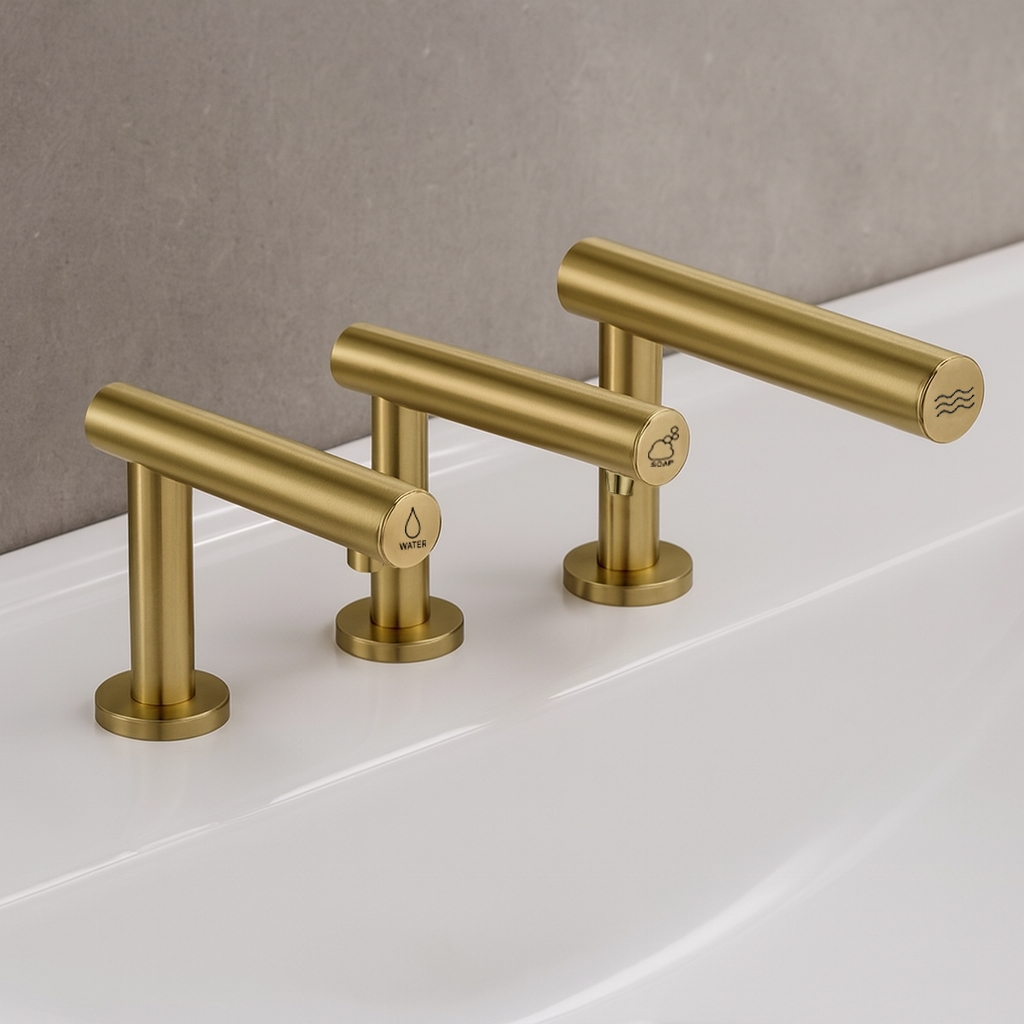
Infrared systems remain common in commercial dispensers because they are compact, affordable, and power efficient. More demanding projects may evaluate ultrasonic or capacitive sensing when detection geometry, sealed housings, or hygiene-critical design is a priority.
For AEC documentation, sensor type should be reviewed together with mounting height, basin geometry, power access, cleaning routines, replacement parts, and facility maintenance capability.
Read More
Smart restroom programs may also connect automatic soap dispensers with touchless faucets, hand dryers, traffic tracking, refill monitoring, and maintenance-alert workflows. These systems should be reviewed carefully for privacy, network security, and long-term support.
Application Guidance for Specifiers and Engineers
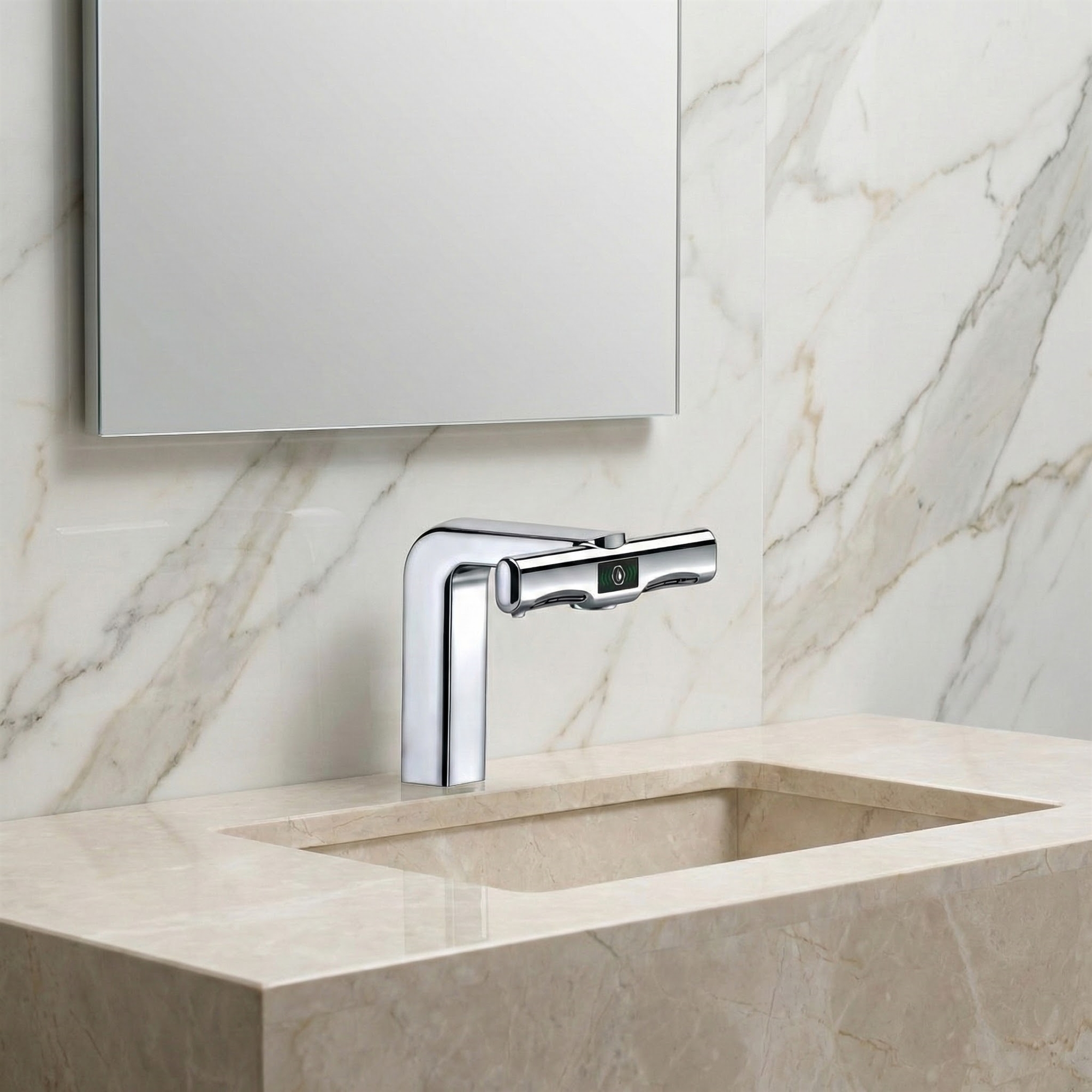
Define the environment: IR for offices, hotels, or moderate-use bathrooms. US for airports, malls, or unpredictable traffic areas. Capacitive for hospitals, food-processing zones, laboratories, and premium facilities that benefit from sealed sensing zones.
Read More
Source and Reference Cards
These source cards keep the reference area clean and useful for readers who want to continue technical research through product, installation, code, hygiene, and facility-management references.
Primary product category reference for automatic soap dispenser models and commercial restroom planning.
Open reference ↗Relevant wall-mounted dispenser product path for public restroom and facility specification sections.
Open reference ↗Useful for discussing power strategy, maintenance intervals, and high-traffic facility operation.
Open reference ↗Installation reference for coordinating touchless faucet and soap dispenser systems.
Open reference ↗Water-efficiency reference for touchless faucet and commercial washroom fixture planning.
Open reference ↗Public health reference for hand hygiene context in commercial and institutional restroom environments.
Open reference ↗Final Recommendation
Selecting the right sensor technology depends on usage pattern, installation environment, hygiene goals, maintenance access, and power strategy.
Choose Infrared for cost-effective, standard commercial applications.
Choose Ultrasonic for variable-use public spaces requiring flexible detection.
Choose Capacitive for sealed, hygiene-focused, and demanding environments where light reflection is less desirable.
When specified correctly, automatic soap dispensers enhance both user hygiene and operational efficiency, especially when coordinated with touchless faucets, hand dryers, refill access, and facility maintenance procedures.
Related Links and Source References
Use these related links at the end of the article. They include automatic soap dispenser products, touchless restroom categories, installation support, technical references, plumbing standards, hygiene authorities, sustainability sources, and facility-management resources.
Helpful FAQ Add-On
These short FAQ cards support search intent while keeping the page practical for commercial restroom readers.
Which automatic soap dispenser sensor is most common?
Infrared is the most common sensor type because it is mature, affordable, responsive, compact, and suitable for many standard commercial restroom installations.
Which sensor is best for hospitals or food-service areas?
Capacitive sensing is often preferred for hygiene-critical areas because it can support sealed housings, light-immune operation, and long service life when properly calibrated and installed away from interference.
When should ultrasonic sensing be considered?
Ultrasonic sensing is useful in high-traffic public washrooms where hand approach angles vary or where distance tracking and smart dispenser monitoring are part of the project goal.
What should architects verify before specifying automatic soap dispensers?
Architects should verify sensor type, mounting method, power source, soap compatibility, refill access, basin geometry, ADA coordination, maintenance access, cleaning chemistry, and replacement part availability.
Should soap dispensers be specified with touchless faucets?
Yes, many commercial projects benefit from reviewing touchless faucets and automatic soap dispensers together because sensor zones, basin placement, deck holes, power access, and user flow must be coordinated.
Why include facility and standards references?
Commercial restroom decisions involve architects, engineers, facility teams, owners, and public-health goals, so product links are stronger when paired with standards, hygiene, sustainability, and operations references.