
Designing Reliable Touchless Restroom Fixtures
Touch-free technology can reduce unnecessary surface contact and strengthen confidence in restroom hygiene. Yet automation stops being helpful when sensing becomes inconsistent, activation periods are overly restrictive, batteries weaken without warning, or users lose practical control over a basic task.

Reliable Detection
Sensors should recognize normal hand movements quickly and consistently without forcing users to search for a narrow activation zone.
User Agency
Automated behavior should support real human tasks rather than forcing every visitor into one predetermined interaction sequence.
Maintainable Infrastructure
Power systems, service access and component standardization strongly influence long-term fixture uptime.
Reliability Has to Come Before Novelty
In high-capacity facilities, the usefulness of automation depends less on how advanced a fixture appears and more on whether it performs correctly through thousands of ordinary interactions.
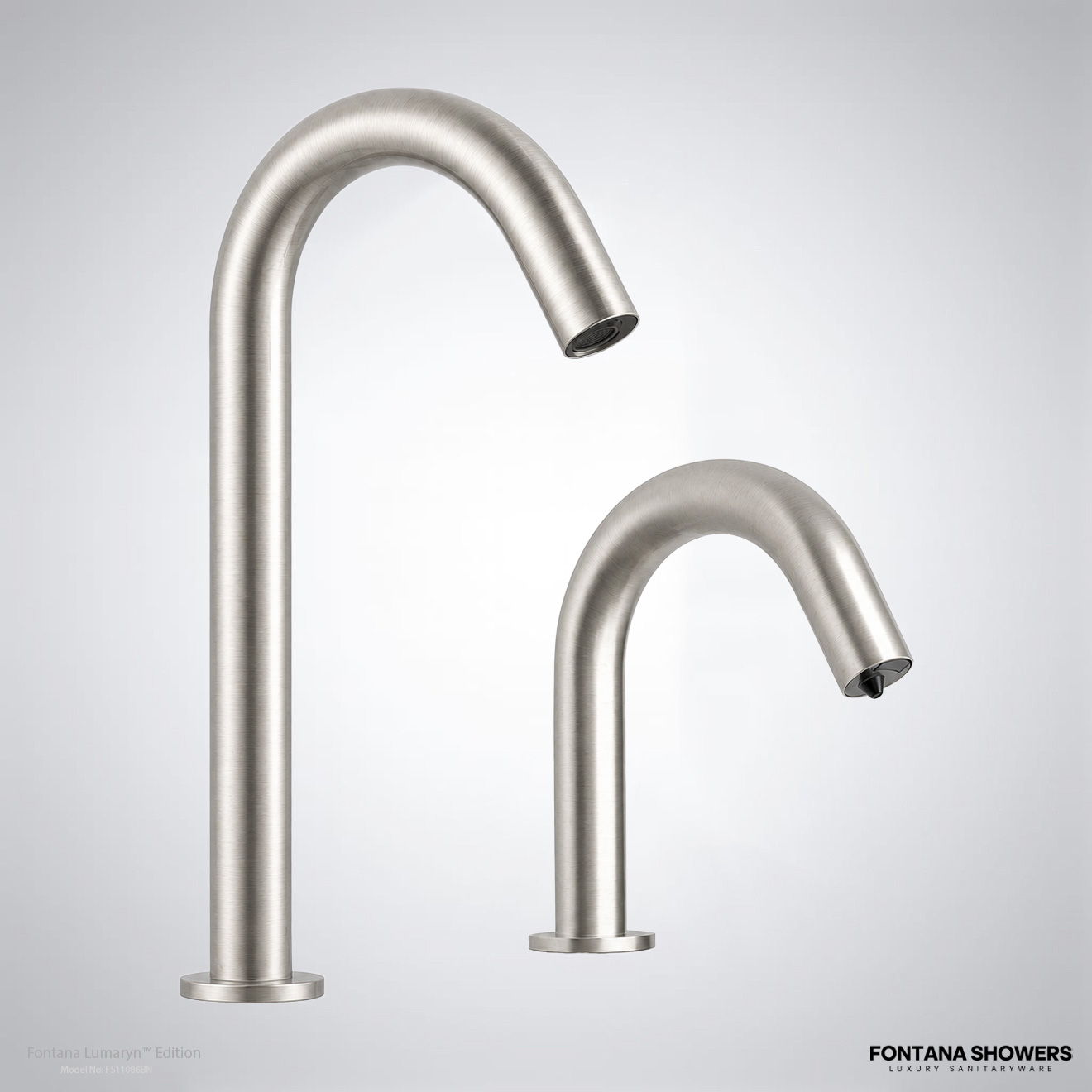

Faucets, soap dispensers, flush valves and hand-drying systems in stadiums, airports, arenas and convention centers can operate thousands of times during a busy event or travel period. Even a seemingly minor failure percentage can become a substantial facilities problem once it is multiplied across a large restroom inventory.
Read More: Where small failures become large problems
Repeated Failure Changes the User Experience
False activations, missed hand detection, restricted sensor zones, clogged aerators and weakening batteries can quickly damage trust in a system intended to feel simple and effortless.
A single unreliable faucet may appear insignificant during testing. When the same behavior occurs repeatedly across dozens or hundreds of fixtures, however, users experience hesitation, queues can lengthen and maintenance teams inherit a much larger workload.
Automation Can Quietly Become Behavioral Control
Touch-free operation should simplify interaction. It should not force every person to complete a task within a narrow behavior pattern defined by the fixture.

Fixed Water Duration
A short automatic water cycle may be adequate for a quick rinse but less suitable when a person needs additional time.
Unwanted Flush Cycles
A toilet that repeatedly activates while occupied demonstrates how automation can become intrusive rather than supportive.
Read More: Why one programmed sequence cannot fit every user
Real Tasks Are More Varied Than Test Cycles
A fixed faucet interval may perform adequately during a simple hand-rinse test while being frustrating for someone washing an injury, helping a child, brushing teeth, filling a small container or assisting another person at the basin.
The same principle applies to automatic toilets. Repeated flushing while a person is still seated is more than an inconvenience. At a vulnerable moment, the system has effectively removed control from the person using it.
Predictable Behavior Is an Accessibility Feature
A fixture is easier to use when people can quickly understand where to place their hands, what will activate, how long the action will continue and what the system expects them to do next.
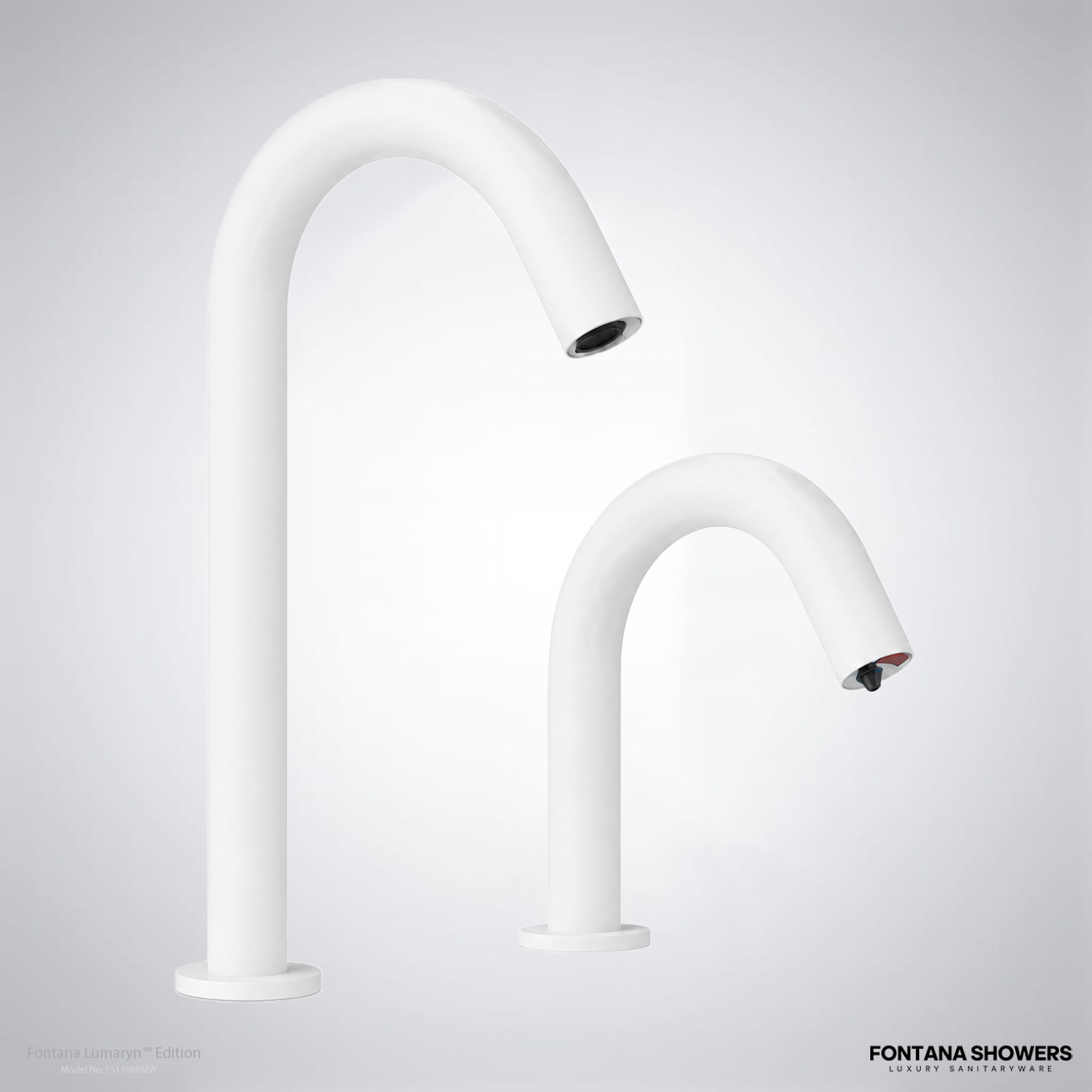
Activation Zone
Detection areas should be intuitive enough that users do not need repeated hand movements to discover where sensing occurs.
Timeout Logic
Timing should accommodate practical use rather than interrupting a task simply because it exceeds a short programmed interval.
Feedback
Visual, tactile or clearly observable system feedback can help people understand whether the fixture has recognized their action.
Sensor Response
Consistent sensing reduces uncertainty for people approaching the fixture from different positions or with different movement patterns.
Read More: Designing beyond the standard adult use case
Inclusive Testing Reveals Hidden Weaknesses
Children, caregivers, people with limited mobility and individuals completing less typical tasks can reveal interaction problems that remain invisible when automated fixtures are evaluated only around an average adult standing in an expected position.
Predictability therefore belongs within accessibility planning. Activation zones, shutoff behavior, water duration, feedback and sensor response all contribute to whether a fixture feels understandable and controllable.
Power Architecture Matters at Building Scale
The electrical strategy behind automated plumbing fixtures can influence maintenance workload just as much as the fixture hardware itself.
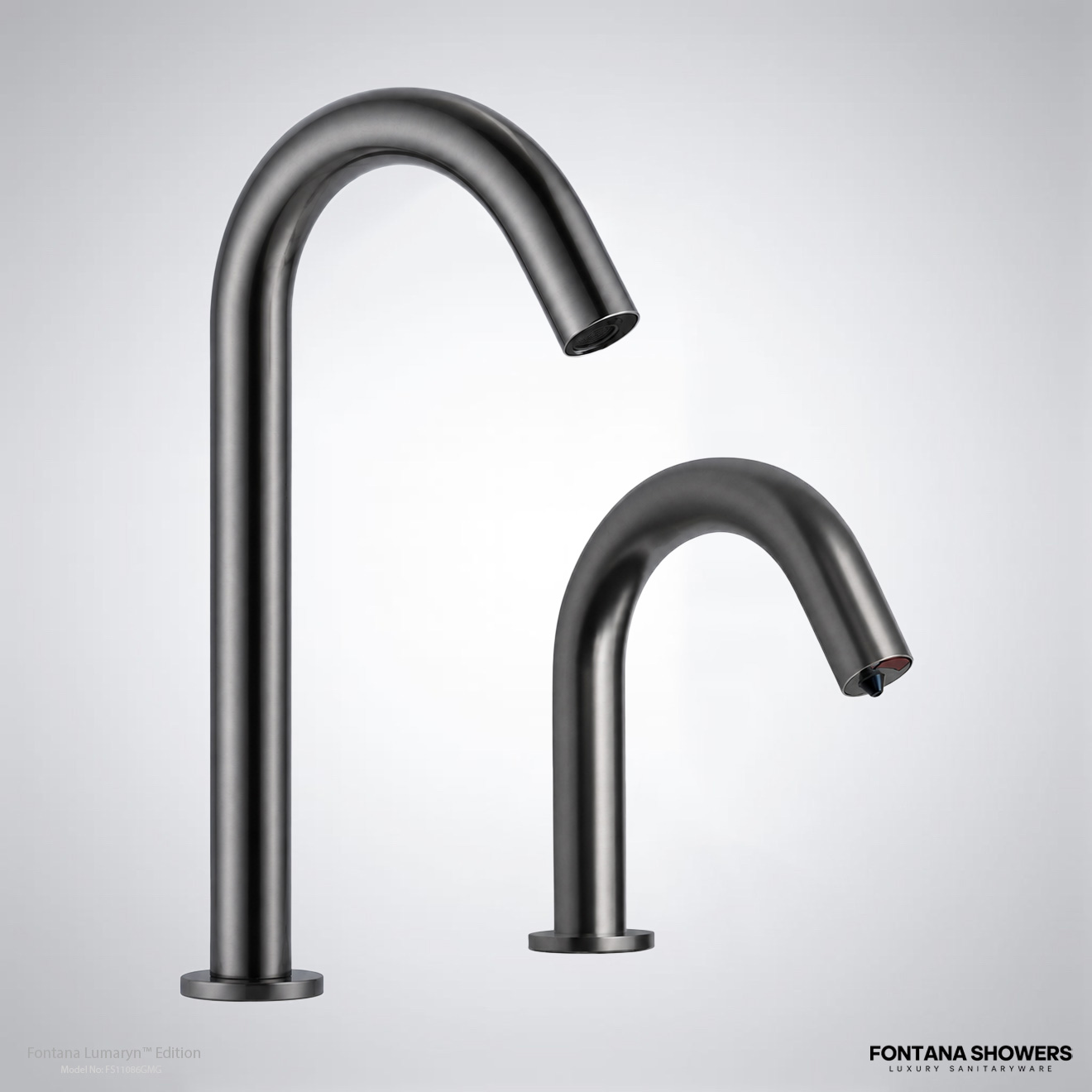

A facility containing hundreds of battery-powered devices can generate a significant inspection and replacement burden over time. Depending on the building strategy, expected usage and maintenance model, larger venues may benefit from carefully engineered AC or hybrid AC/DC configurations.
Infrastructure Principle
Power planning should be considered part of restroom infrastructure from the beginning rather than treated as an accessory decision after the fixtures have already been selected.
Serviceability Is What Protects Uptime
An automated fixture is not truly maintainable simply because individual electronic parts can theoretically be replaced. Those parts also need to be accessible in real operating conditions.

Sensors
Detection components should be reachable without unnecessarily dismantling surrounding assemblies.
Cartridges and Valves
Common wear components need practical access so routine repairs do not become extended fixture shutdowns.
Solenoids and Power
Electronic controls, batteries and wiring should be positioned with realistic service procedures in mind.
Soap Systems
Refill access, tubing, pumps and dispensers should support efficient inspection and component replacement.
Read More: Why platform standardization helps maintenance teams
Standardization Reduces Operational Complexity
Poor access increases technician time and can transform a minor malfunction into a much longer outage. When a facility standardizes compatible fixture platforms across multiple restroom locations, maintenance personnel can also become more familiar with the equipment.
Standardization may reduce spare-parts complexity, simplify training and make troubleshooting more consistent across the venue.
What a Reliable Touchless Fixture Should Be Evaluated On
Infrared sensing by itself does not establish whether an automated restroom fixture is well designed. The entire interaction and maintenance cycle needs to be considered.
| Design Factor | What to Evaluate | Why It Matters |
|---|---|---|
| Sensor Detection | Immediate and consistent recognition of normal user movement | Reduces hesitation, repeated hand movement and uncertainty |
| Timeout Logic | Sufficient operating time for realistic restroom tasks | Prevents premature shutoff and unnecessary restart cycles |
| Flush Behavior | Predictable activation that responds at an appropriate moment | Helps avoid unexpected flushing while a toilet is still occupied |
| Power Strategy | A scalable architecture aligned with facility maintenance capabilities | Controls battery replacement burden and supports long-term uptime |
| Maintenance Access | Fast access to sensors, valves, cartridges, solenoids and power components | Shortens repair time and limits fixture downtime |

Touchless Should Never Mean Helpless
Automation should reduce unnecessary contact without unnecessarily removing control from the person using the fixture.
The strongest touchless restroom systems are therefore judged by more than the presence of an infrared sensor. Reliable activation, understandable behavior, accessibility, serviceability and user confidence all contribute to whether automation genuinely improves the restroom experience.

Read More: The agency problem in automated restroom fixtures
Human-Centered Automation Allows for Variation
Automated restroom technology frequently assumes that every person will follow a narrow sequence of movements. Real users may need additional time, assistance from another person, a different body position or enough flexibility to complete a task that the original programming did not anticipate.
The objective is not to eliminate automation. It is to design automation that remains supportive instead of becoming controlling.
A well-designed system allows the benefits of touch-free operation to coexist with understandable behavior and practical human agency.