
Best Smart Faucets for Modern Bathrooms (2026 Guide)
The best smart faucets for modern bathrooms combine responsive touchless activation, dependable temperature control, durable construction, water efficiency, and a design that works naturally with the surrounding bathroom. For residential, hospitality, healthcare, office, and public restroom projects, the most suitable model is not determined by technology alone—it depends on sensor performance, maintenance requirements, installation conditions, finish, and expected daily use.
This guide explains the smart faucet features that matter most, compares the different approaches used by established manufacturers, and outlines what to evaluate before selecting a faucet for a modern bathroom.
Sensor Response
Reliable activation should feel immediate while minimizing unintended water flow.
Water Control
Efficient flow and stable temperature control help support comfortable day-to-day use.
Construction
Internal components and fixture materials influence durability, maintenance, and long-term performance.
Bathroom Design
Proportion, finish, mounting style, and sink compatibility affect the overall installation.
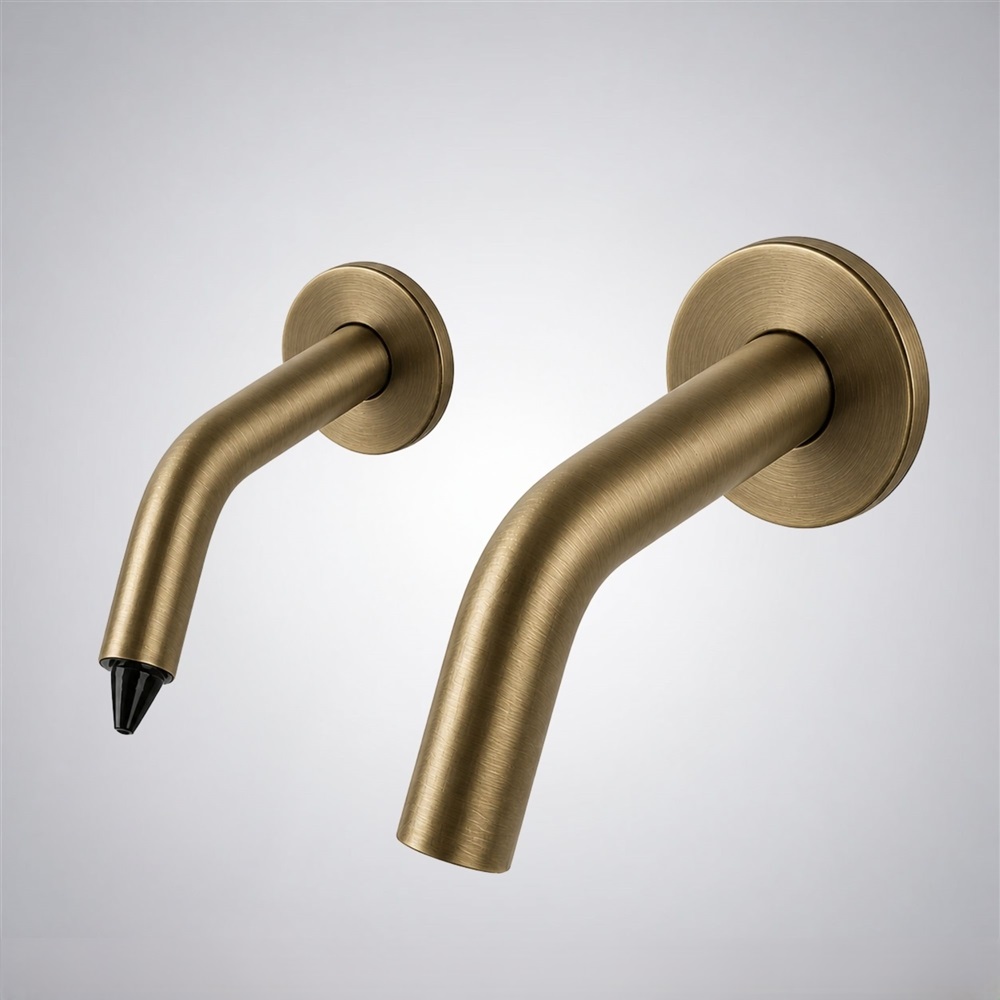
Best Smart Faucets for Modern Bathrooms: Features That Matter Most
Smart faucets have become one of the fastest-growing upgrades in modern bathroom design. As homeowners and commercial property owners prioritize hygiene, automation, and water efficiency, the demand for touchless and digital faucet systems continues to rise.
Whether installed in luxury homes, hotels, or high-traffic public spaces, these fixtures now play a key role in both functionality and aesthetics.
Read More
Leading manufacturers such as Kohler, Moen, Delta, and GROHE have introduced advanced sensor-based faucet technologies designed to reduce physical contact while improving water control. At the same time, brands like FontanaShowers and JunoShowers are gaining attention for combining modern design with commercial-grade durability and smart digital features.
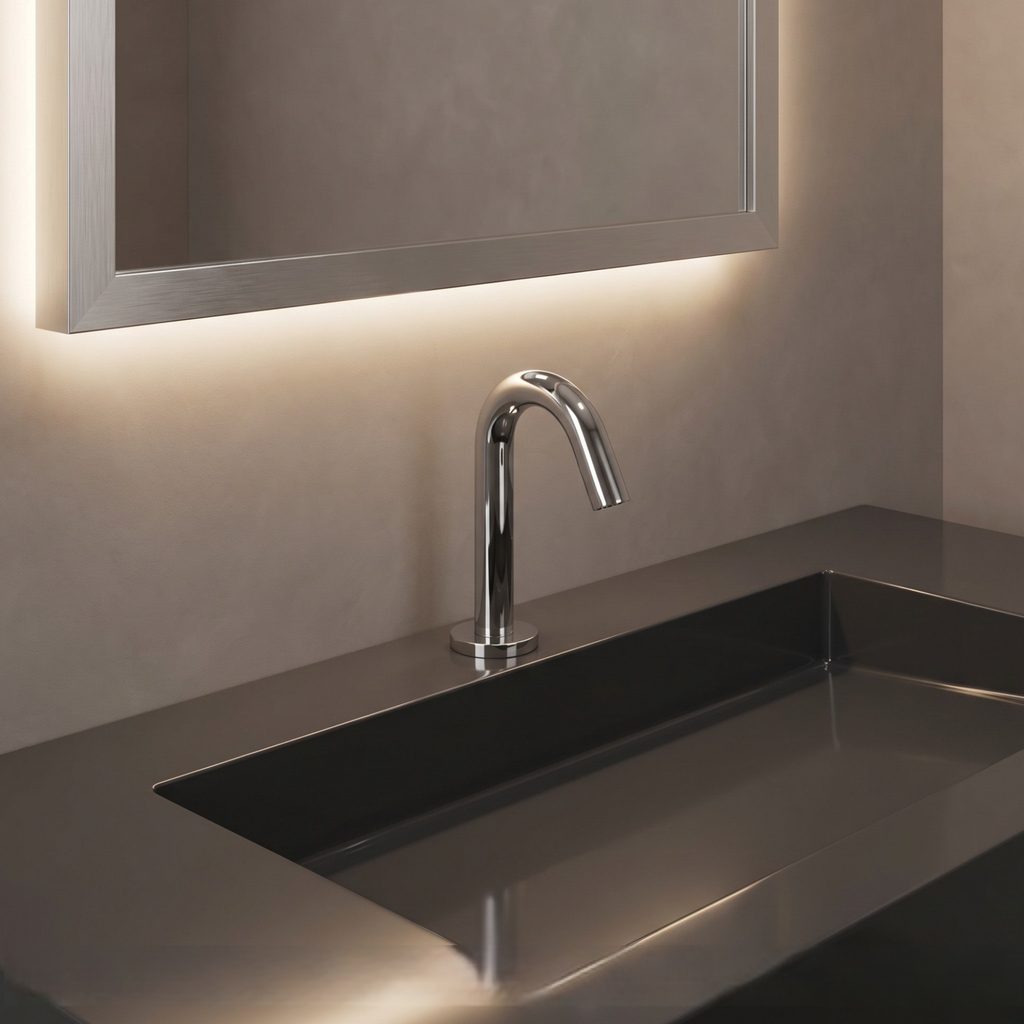
Features That Define a Smart Faucet
A high-quality smart faucet typically includes motion sensor activation, allowing water to flow only when needed. This reduces waste and improves hygiene.
Many newer models also incorporate thermostatic temperature control, ensuring consistent water output without sudden fluctuations.
Read More
Digital Temperature Information
Another key feature is digital display functionality. Faucets with LED temperature indicators provide a visual cue, helping users maintain safe and comfortable water levels.
This is particularly useful in environments such as hotels, healthcare facilities, and residential bathrooms where safety is a priority.
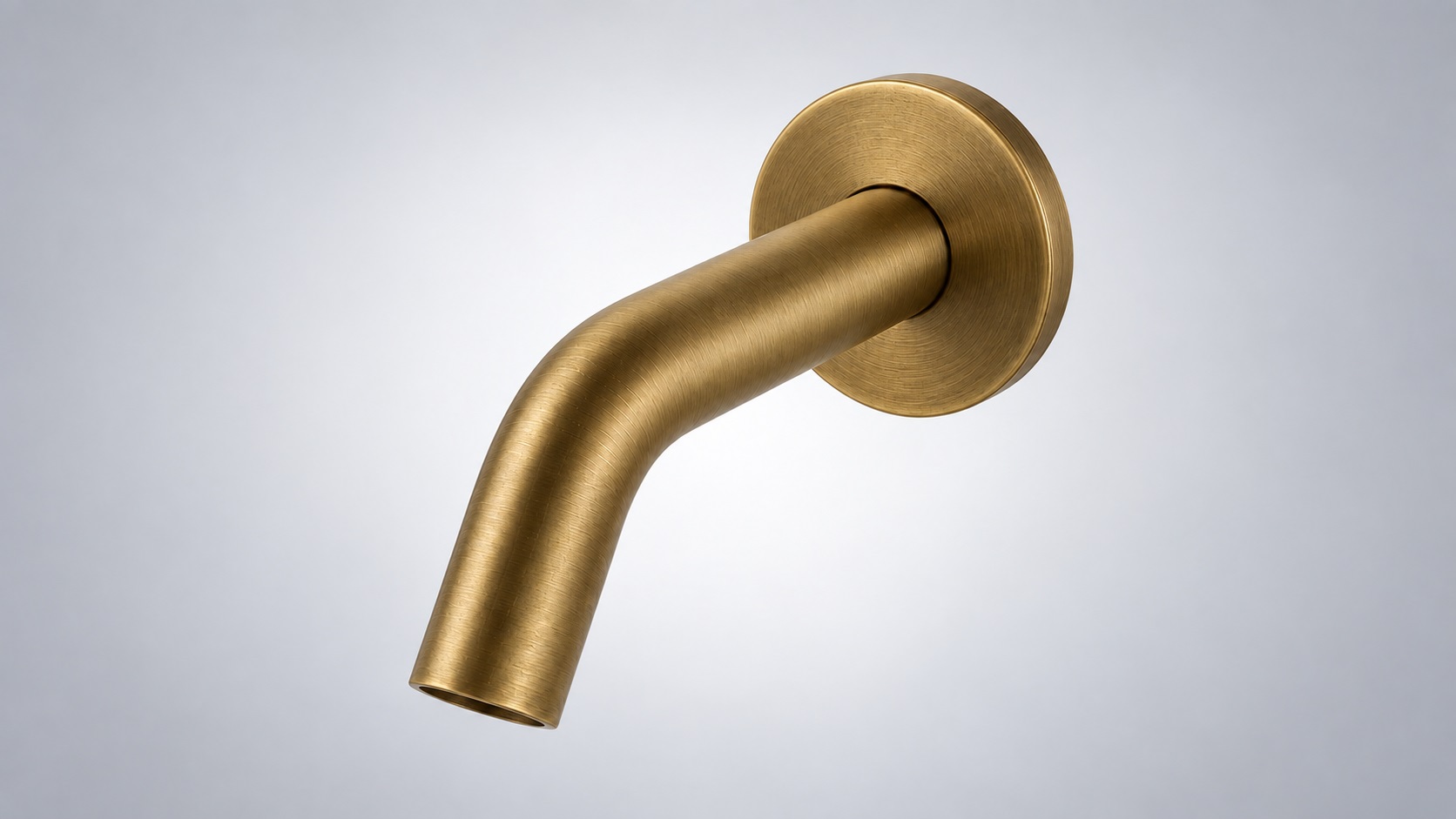
Comparing Smart Faucet Manufacturers
Kohler is known for integrating sleek design with reliable sensor technology, making it a popular choice for residential applications. Moen focuses heavily on user-friendly installation and smart home integration, while Delta emphasizes durability and widespread availability.
GROHE, on the other hand, leans toward European design aesthetics combined with water efficiency technologies. In comparison, FontanaShowers stands out by offering digital touch faucets with advanced sensor systems, thermostatic control, and commercial-ready construction, often at a more competitive price point.
Read More
For example, a modern digital faucet system may include brass internal components, hot and cold water mixing, and responsive sensor activation. These features contribute to long-term reliability and performance in both residential and commercial settings.
When comparing options, buyers often look for a balance between appearance, ease of maintenance, and dependable day-to-day performance. A well-designed smart faucet should support both style and practical use without complicating the bathroom experience.
Smart Faucet Features to Compare
Rather than choosing a fixture by appearance alone, compare the technologies and installation characteristics that influence everyday operation and long-term maintenance.
| Feature | What to Evaluate | Residential Bathrooms | Commercial Bathrooms |
|---|---|---|---|
| Sensor Activation | Response speed, detection area, and resistance to unintended activation | Convenience and clean operation | Important for high-frequency use and hygiene |
| Temperature Control | Manual mixing, preset mixing, or thermostatic regulation | Comfort and personalization | Consistency and user safety |
| Construction | Body material, internal components, valve quality, and service access | Long service life | Especially important in high-use facilities |
| Water Efficiency | Flow duration, activation behavior, and water delivery | Helps reduce unnecessary consumption | Can reduce total facility water use |
| Design | Finish, proportions, mounting style, and basin compatibility | Strong visual consideration | Should balance appearance with serviceability |
| Maintenance | Battery access, power configuration, sensor access, and replaceable components | Ease of ownership | Important for facility maintenance planning |
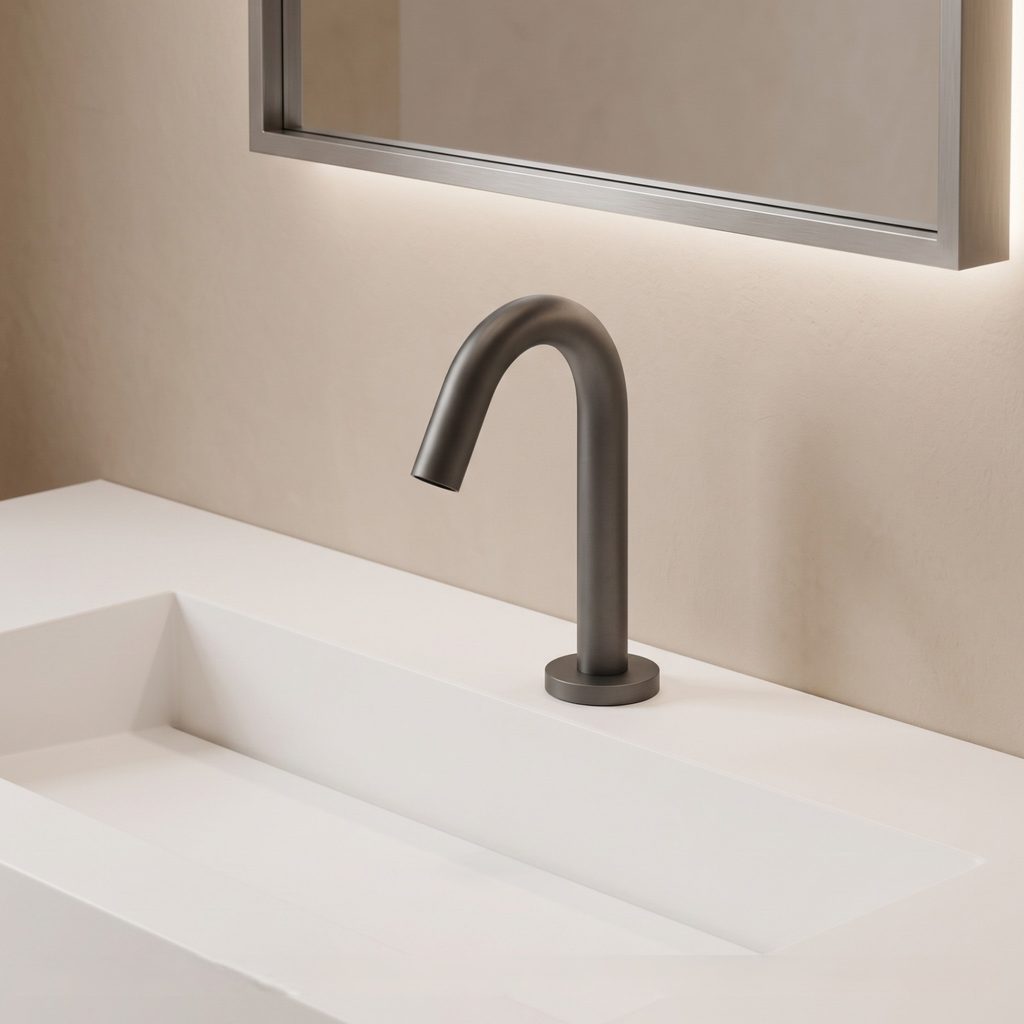
Why Smart Faucets Are Worth the Investment
Smart faucets offer measurable benefits beyond convenience. Reduced water consumption can lead to long-term cost savings, while touchless operation improves sanitation. This is especially important in shared environments such as offices, restaurants, and healthcare facilities.
Read More
Additionally, these fixtures contribute to a modern bathroom aesthetic. Clean lines, minimal handles, and integrated technology create a more refined visual appearance compared to traditional faucets.
For many projects, the right model also helps create a more premium user experience. That makes smart faucets a practical upgrade for both residential remodels and commercial bathroom improvements.
What to Look for Before Choosing a Smart Faucet
Before selecting a smart faucet, it helps to focus on sensor responsiveness, construction quality, and compatibility with the sink setup. Finishes that are easy to maintain can also make a noticeable difference in long-term appearance.
Smart Faucet Selection Checklist
- Confirm that the faucet mounting configuration matches the sink or countertop.
- Evaluate sensor responsiveness and the intended detection area.
- Check how hot and cold water are mixed or regulated.
- Review fixture construction and serviceable internal components.
- Consider power requirements and future maintenance access.
- Select a finish appropriate for the bathroom environment and cleaning routine.
Read More
For higher-use bathrooms, durability and steady temperature control often matter more than extra features. In residential spaces, buyers may place more value on design, finish options, and how well the faucet blends with the overall bathroom style.
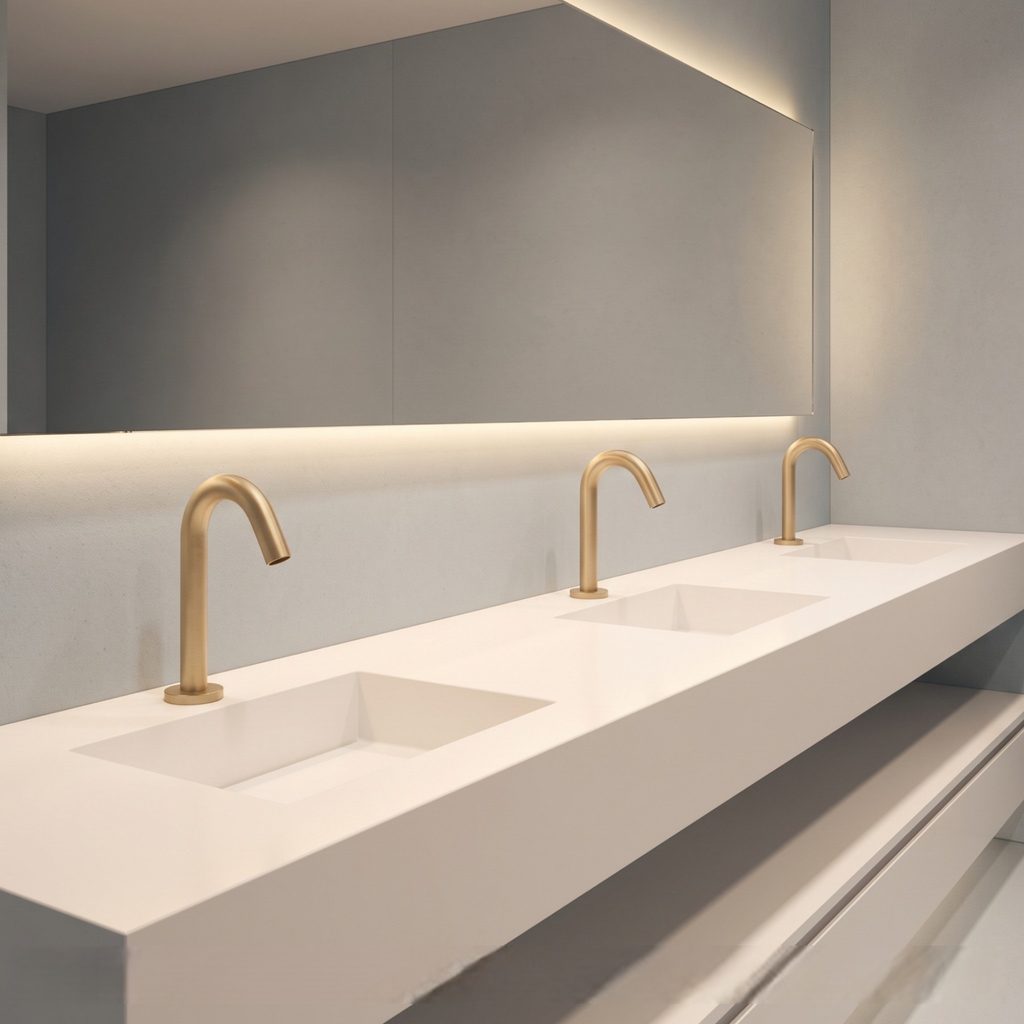
Matching the Smart Faucet to the Bathroom Environment
A smart faucet should be evaluated in the context of the room where it will operate. Usage frequency, maintenance access, aesthetics, and temperature-control requirements can vary substantially between private and shared bathrooms.
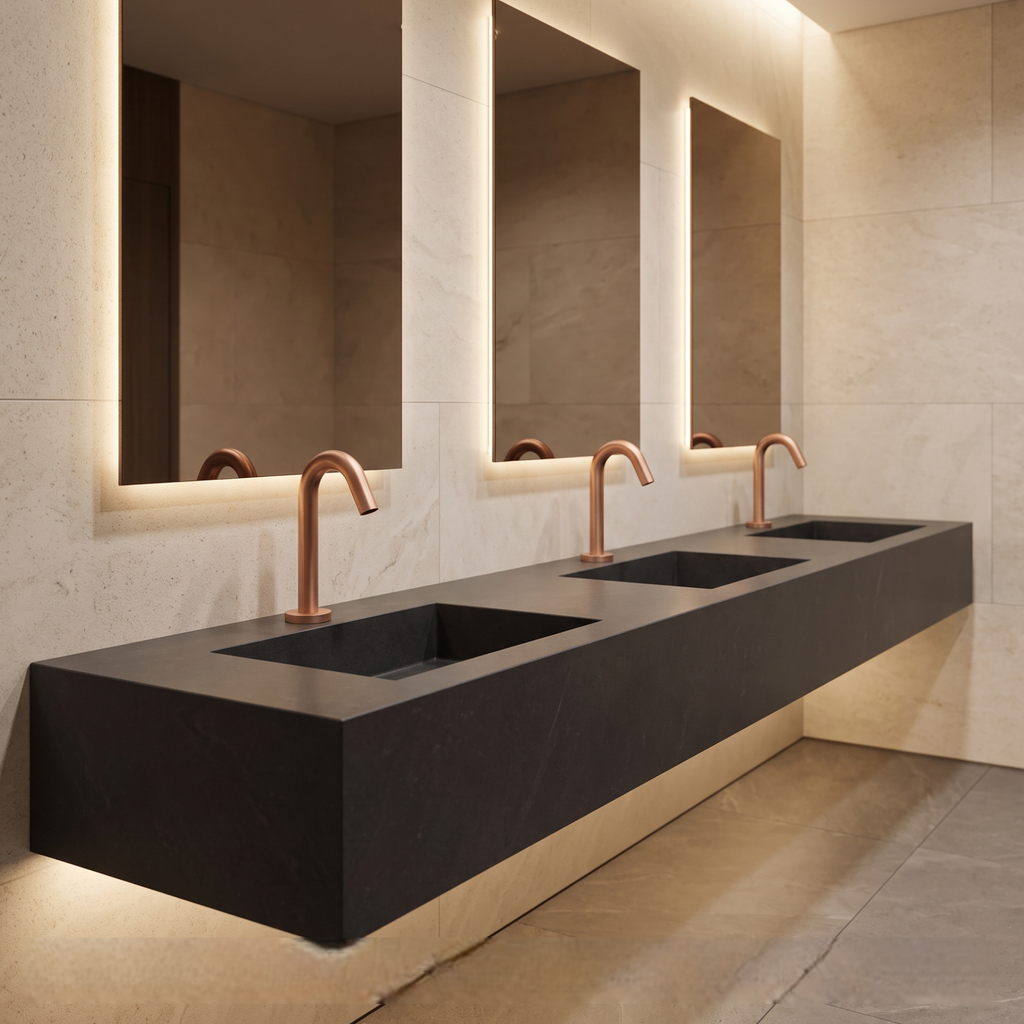
Residential and Hospitality Bathrooms
Finish coordination, proportions, intuitive operation, and visual integration are particularly important where the faucet forms part of a carefully designed interior.
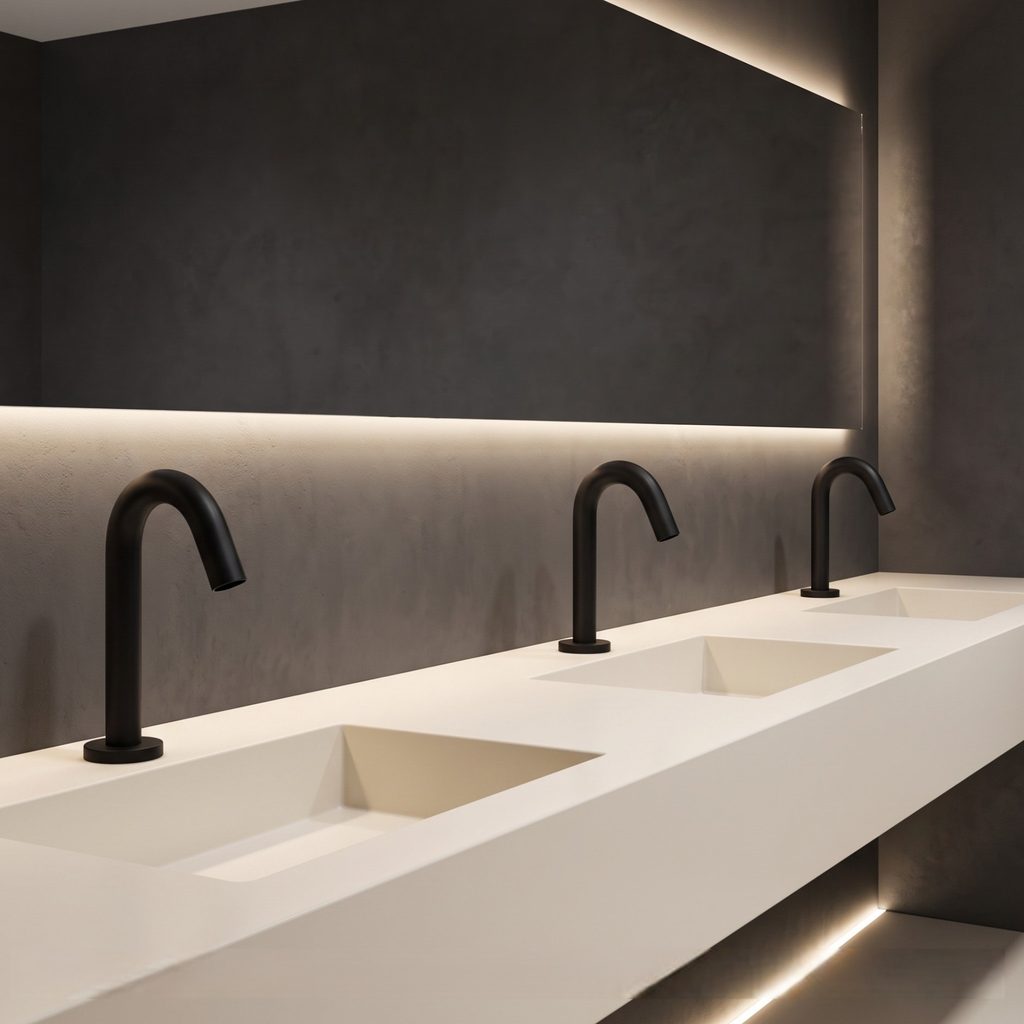
Commercial and Shared Bathrooms
Sensor consistency, durability, water control, component access, and straightforward maintenance become increasingly important as usage frequency increases.
Final Thoughts
The smart faucet market continues to evolve, with innovation focused on improving sensor accuracy, energy efficiency, and user experience. Whether choosing a product from established brands like Kohler or exploring advanced digital solutions from FontanaShowers, selecting the right faucet depends on balancing performance, design, and long-term reliability.
As demand grows, smart faucets are no longer considered a luxury upgrade. They are quickly becoming a standard feature in modern bathroom environments.